QW3-BTCOB01SBLUETOOTH USB ADAPTER
Formosa Teletek Corporation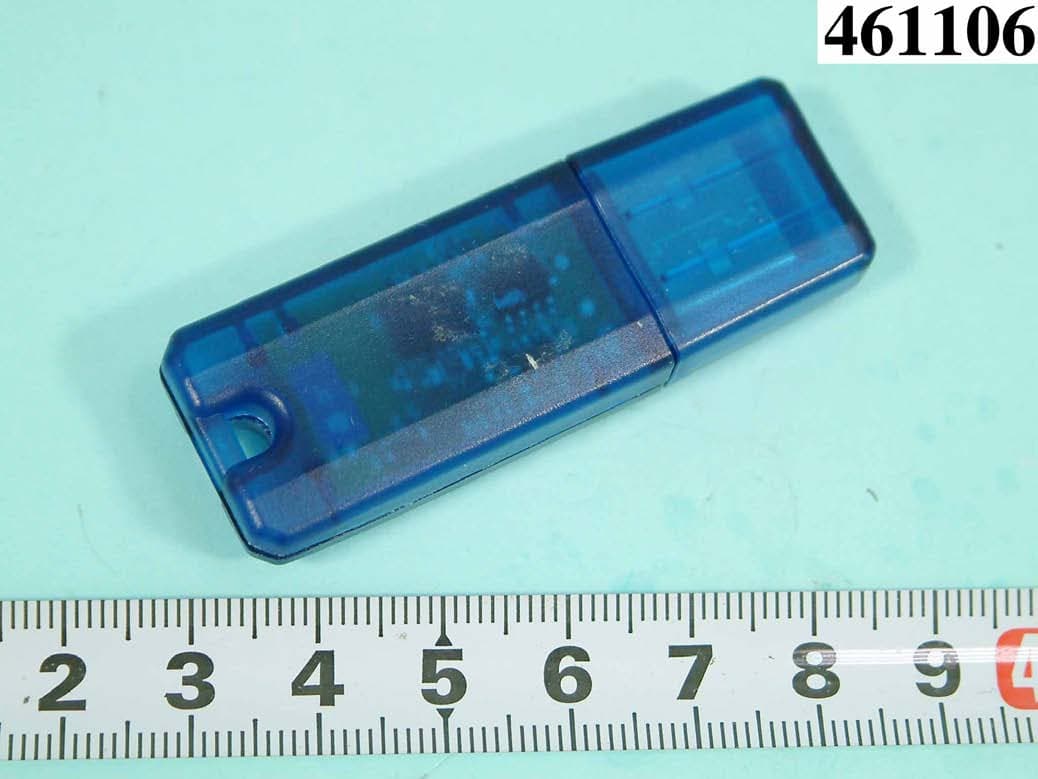
Click to zoom
Application Details
- Equipment Class
- DSS - Part 15 Spread Spectrum Transmitter
- Date of Grant
- Jul 14, 2004
- Application Purpose
- Original Equipment
- Date of Application
- Jul 14, 2004
- Equipment Note
- BLUETOOTH USB ADAPTER
- Frequency Range
- 2402.00000000 - 2480.00000000
- Company
- Formosa Teletek Corporation
- Country
- Taiwan
Documents & Files
Document Text
Text extracted from the exhibit documents filed with the FCC. Open a document above to read the original.
Users Manual
a. English ................................................................................................................... 2 b. French.................................................................................................................... 6 c. German.................................................................................................................11 d. Italian ................................................................................................................... 16 e. Japanese............................................................................................................ 21 f. Spain....................................................................................................................... 25 g. Simplified Chinese.................................................................................... 30 h. Traditional Chinese ................................................................................. 35 USER GUIDE FEDERAL COMMUNICATIONS COMMISSION This device complies with Part 15 of the FCC Rules. Operation is subject to the following two conditions:(1) this device may not cause harmful interference, and (2) this device must accept any interference received, including interference that may cause undesired operation. NOTE This equipment has been tested and found to comply with the limits for a Class B digital device, pursuant to Part 15 of the FCC Rules. These limits are designed to provide reasonable protection against harmful interference in a residential installation. This equipment generates, uses and can radiated radio frequency energy and, if not installed and used in accordance with the instructions, may cause harmful interference to radio communications. However, there is no guarantee that interference will not occur in a particular installation If this equipment does cause harmful interference to radio or television reception, which can be determined by turning the equipment off and on, the user is encouraged to try to correct the interference by one or more of the following measures: -Reorient or relocate the receiving antenna. -Increase the separation between the equipment and receiver. -Connect the equipment into an outlet on a circuit different from that to which the receiver is connected. -Consult the dealer or an experienced radio/TV technician for help. Changes or modifications not expressly approved by the party responsible for compliance could void the user‘s authority to operate the equipment. NOTE To comply with FCC RF exposure requirement, this device and its antenna must not be co-located or operating in the conjunction with any other antenna or transmitter. This equipment complies with FCC radiation exposure limits set firth for an uncontrolled environment. The Bluetooth word mark and logos are owned by the Bluetooth SIG, Inc.. Other trademarks and trade names are those of their respective owners. a. English 1.Bluetooth software installation and basic operations USB Adapter Installation 1. Windows Bluetooth Software Installation NOTE: Please install the USB Bluetooth software before inserting the USB adapter! • Place the installation CD-ROM into the pc, the setup should start automatically. If the setup does not start please go to Windows Explorer, locate the CD-ROM and run ‘autorun.exe’. • Choose ‘Install Drivers and Application Software’. • The InstallShield Wizard will start. • On the Welcome screen click Next to continue. • Read the License Agreement and select ‘I accept the terms in the license agreement’. Click Next. • Click Next to accept the default destination folder, click Change to browse to a new destination folder for the Bluetooth software. • Click Install to begin the installation of the bluetooth software. • For Windows 2000/XP users, a "Driver Signature Notice" window appears, please click the "OK" button. • For Windows 98 users, a window appears which asks you to insert the Windows 98 CD-Rom. Insert the original Windows 98 CD Rom and click “OK”. • The "Bluetooth device not found" window appears. Insert the USB Bluetooth adapter in the USB port. Click "OK". • Click Finish to complete the bluetooth software installation. • Click ‘Yes’ to restart the computer and complete the installation. • Click start/(settings)/controlpanel/system/devicemanager. Check under 'Universal Serial Bus controllers' that a 'USB Bluetooth Device' is installed. • If the information is not present please unplug the adapter, now plug in the adapter to initiate the driver. b. French 1.Installation du logiciel Bluetooth et opérations de base Installation de l’Adaptateur USB 1. Installation du Logiciel Windows Bluetooth REMARQUE: Veuillez installer le logiciel Bluetooth USB avant de connecter l’adaptateur USB! • Placez le CD-ROM d’installation dans le PC, l’installation devrait démarrer automatiquement. Si l’installation ne démarre pas, avec l’Explorateur de Windows parcourez le CD-ROM et lancez "autorun.exe". • Choisissez "Install Drivers and Application Software". • L’Assistant d’Installation va démarrer. • Sur l’écran, cliquez sur "Suivant" pour continuer. • Lisez le Contrat de Licence et sélectionnez "J'accepte les termes de ce contrat de licence". Cliquez sur "Suivant". • Cliquez sur "Suivant" pour accepter le dossier de destination par défaut, ou cliquez sur "Modifier..." pour aller à un nouveau dossier de destination pour le logiciel Bluetooth. • Cliquez sur "Installer" pour lancer l’installation du logiciel Bluetooth. • Pour les utilisateurs de Windows 2000/XP, la fenêtre "Notice de signature du pilote" apparaît, cliquez sur le bouton "OK". • Pour les utilisateurs de Windows 98, une fenêtre apparaît vous invitant à insérer le CD-ROM de Windows 98. Insérez le CD-ROM original de Windows 98 et cliquez sur "OK". • La fenêtre "Périphérique Bluetooth introuvable" apparaît. Connectez l’adaptateur Bluetooth USB au port USB. Cliquez sur "OK". • Cliquez sur "Terminer" pour terminer l’installation du logiciel bluetoo…
Text truncated - open the document above for the full version.
ID Label/Location Info
Label Sample & Location
Internal Photos
REPORT NO. : F461106 SPORTON International Inc. PAGE NUMBER : A1 OF A3 TEL : 886-2-2696-2468 ISSUED DATE : July 01, 2004 FAX : 886-2-2696-2255 APPENDIX A. Photographs of EUT REPORT NO. : F461106 SPORTON International Inc. PAGE NUMBER : A2 OF A3 TEL : 886-2-2696-2468 ISSUED DATE : July 01, 2004 FAX : 886-2-2696-2255 REPORT NO. : F461106 SPORTON International Inc. PAGE NUMBER : A3 OF A3 TEL : 886-2-2696-2468 ISSUED DATE : July 01, 2004 FAX : 886-2-2696-2255
Operational Description
Description of Operation Principle This device is designed to communicate with PC or other host equipments through standard USB interface on one side of the dongle, and propagates microwave of Bluetooth signals from host interface through the antenna on the other side. The Bluetooth signals traveling in the air are received by the antenna of the dongle and delivered to the Bluetooth module already qualified by BQB. The Bluetooth module includes band-pass filter which filters the noises out of the operation frequency, and balun which transfers single signal to the balance ones. Then the received singles pass to the Bluetooth chip, down-convert to the frequency compatible with the base-band. Finally, the singles are transferred to USB signals by base-band controller and communicate the with host devices.
Test Report
FCC ID: QW3-BTCOB01S Issued on July 1, 2004 Report No.: F461106 SPORTON International Inc. TEL : 886-2-2696-2468 FAX : 886-2-2696-2255 FCC TEST REPORT CATEGORY: Portable End Product PRODUCT NAME: Bluetooth USB Adapter FCC ID.: QW3-BTCOB01S FILING TYPE: Certification MODEL NAME: FB-COB01S, ACT-BT5000U, ST-US-BD-B PIBH10, Tm-320, BF7221, GBT-20U APPLICANT: Formosa Teletek Corporation 358,Hwaya 2nd Rd., Gueishan Shiang, Taoyuan, Taiwan MANUFACTURER: The same as Applicant. ISSUED BY: SPORTON INTERNATIONAL INC. 6F, No. 106, Sec. 1, Hsin Tai Wu Rd., His Chih, Taipei Hsien, Taiwan, R.O.C. Statements: The test result in this report refers exclusively to the presented test model / sample. Without written approval of SPORTON International Inc., the test report shall not be reproduced except in full. Certificate or Test Report could not be used by the applicant to claim the product endorsement by CNLA, NVLAP or any agency of U.S. government. The test equipment used to perform the test are calibrated and traceable to NML/ROC or NIST/USA. Dr. Alan Lane Vice General Manager Sporton International Inc. Lab Code: 200079-0 FCC ID: QW3-BTCOB01S Issued on July 1, 2004 Report No.: F461106 SPORTON International Inc. FCC ID. : QW3-BTCOB01S RTEL : 886-2-2696-2468 Page No. : i FAX : 886-2-2696-2255 Issued Date : July 1, 2004 Table of Contents History of this test report..................................................................................................................ii 1. General Description of Equipment under Test.............................................................................................1 1.1 Applicant..........................................................................................................................................................................................1 1.2 Manufacturer ...................................................................................................................................................................................1 1.3 Basic Description of Equipment under Test ....................................................................................................................................1 1.4 Technical Features..........................................................................................................................................................................1 1.5 Table for Carrier Frequencies .........................................................................................................................................................2 2. Test Configuration of the Equipment under Test.........................................................................................3 2.1 Description of the Test ......................................................................................................................................................................3 2.2 Frequency Range Investigated .........................................................................................................................................................3 2.3 Details of the Supporting Units........................................................................................................................................................4 2.4 Connection Diagram of Test System ..............................................................................................................................................4 2.5 Test Software ..................................................................................................................................................................................5 3. Test Location and Standards .........................................................................................................................6 3.1. Test Location...................................................................................................................................................................................6 3.2. Test Conditions ...............................................................................................................................................................................6 3.3. Test Standards ................................................................................................................................................................................6 3.4. DoC Statement................................................................................................................................................................................6 4. Test Result and Details ...................................................................................................................................7 4.1. Summary of the Test Results ..........................................................................................................................................................7 5. Test Result .......................................................................................................................................................8 5.1. Test of Hopping Channel Bandwidth...............................................................................................................................................8 5.2. Test of Number of Hopping Frequency .........................................................................................................................................11 5.3. Test of Hopping Channel Separation ............................................................................................................................................13 5.4. Test of Dwell Time of Each Frequency .........................................................................................................................................16 5.5. Test of Maximum Peak Output Power ..........................................................................................…
Text truncated - open the document above for the full version.
Contact Information
Applicant
Kevin Wang(Vice President)
Test Firm
SPORTON International IncKathy Lin
Technical Specifications
| # | Rule Parts | Frequency Range | Power Output |
|---|---|---|---|
| 1 | 15C | 2.40 GHz - 2.48 GHz | 840.00 µW |
Other Applications from Formosa Teletek Corporation
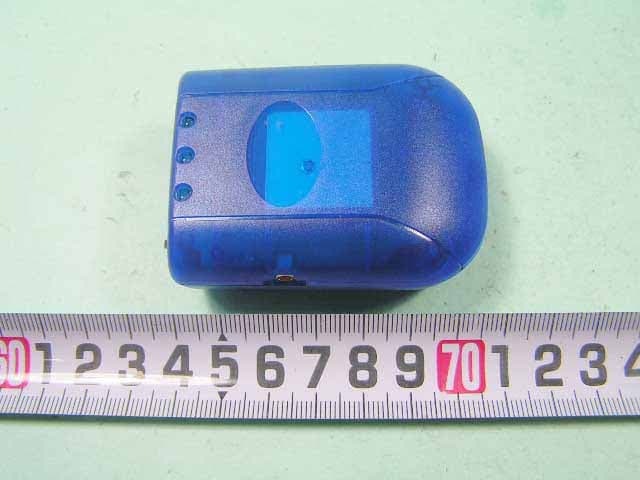
QW3-BTGPS02
Oct 27, 2005Bluetooth GPS Receiver
Equipment Class
DSS - Part 15 Spread Spectrum Transmitter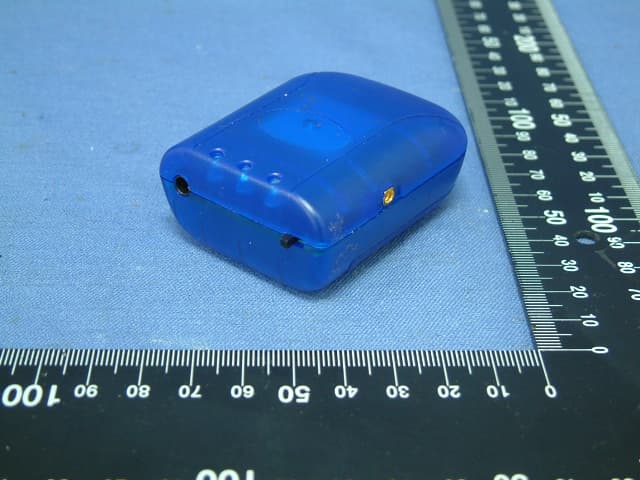
QW3-BTGPS01
Jul 12, 2005Bluetooth GPS Receiver
Equipment Class
DSS - Part 15 Spread Spectrum Transmitter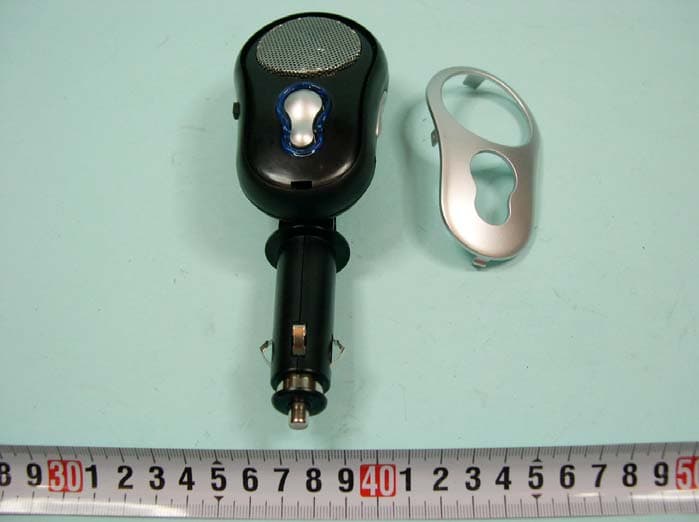
QW3-BTHCB01
Jun 02, 2005Bluetooth Car Kit
Equipment Class
DSS - Part 15 Spread Spectrum Transmitter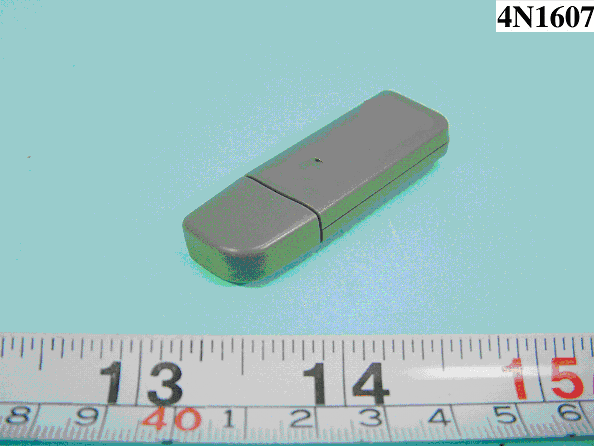
QW3-BTBA02B
Dec 09, 2004BLUETOOTH USB ADAPTER
Equipment Class
DSS - Part 15 Spread Spectrum Transmitter
QW3-BTBA02
Nov 30, 2004BLUETOOTH USB ADAPTER
Equipment Class
DSS - Part 15 Spread Spectrum Transmitter