RR7GPS-009Bluetooth GPS Receiver
Great Well Electronic Limited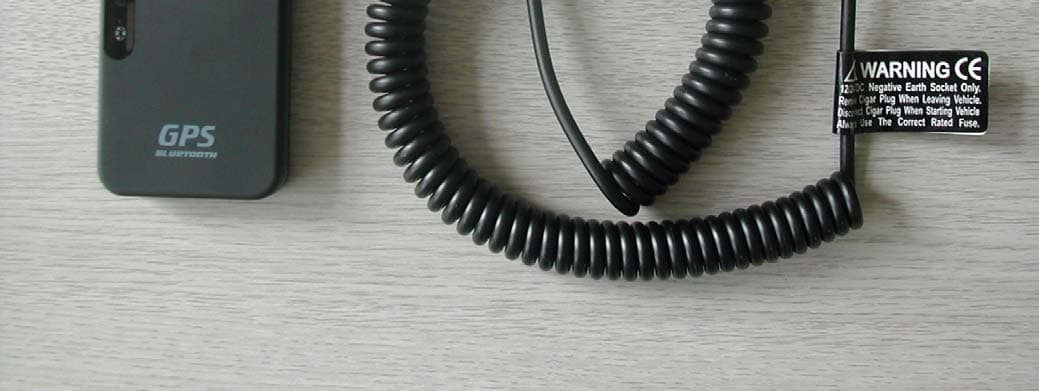
Click to zoom
Application Details
- Equipment Class
- DSS - Part 15 Spread Spectrum Transmitter
- Date of Grant
- Feb 14, 2007
- Application Purpose
- Original Equipment
- Date of Application
- Feb 13, 2007
- Equipment Note
- Bluetooth GPS Receiver
- Frequency Range
- 2402.00000000 - 2480.00000000
- Country
- China
Documents & Files
Document Text
Text extracted from the exhibit documents filed with the FCC. Open a document above to read the original.
Users Manual
User guide 1. power on (pairing ): 1. 1 long press the power bottom 3S until the Blue led is on . 1.2 the BTGPS will turn off, if the BTGPS don’t paired in 5 minute, 2. paired the BTGPS using the Bluetooth host device(for example: PDA,Moble phone,netbook with bluetooth); 3. open the navigation soft in the Bluetooth host device; 4. place the BTGPS at the open sky(NO fix:green led flash 1s/times,fix :green led on) 5. low battery voltage warning :Red led on;the BTGPS will turned off ,if don’t charge the BTGPS in 15minute; power off:long press the power bottom 1s; Product Description: 1.Product Name BT-GPS-005(StarIII) BT-GPS-009(StarIII) 2.Product Features • Ultra slim design (12mm thickness). • Adopt high sensitivity SiRF Star III GSC3 chipset up to 9 hours or Star II GSC2X chipset with X-trac (available from SIRF from September 2006) up to 12 hours. • A-GPS Supported. • Easy to link with any Bluetooth capable mobile phones with Bluetooth 1.2compliant. • 20 channel GPS Receiver for fast acquisition and reacquisition (StarIII). • 12 channel GPS Receiver for fast acquisition and reacquisition (StarII). • 200,000 effective correlators for fast Time To First Fix (TTFF), even at poor satellite signal.(S • Built-in WAAS/EGNOS Demodulator. • Compatible with Bluetooth Serial Port Profile (SPP) completely. • Built-in rechargeable Lithium-Polymer battery for up to 9/12 hours full operation. • Built-in rechargeable battery for memory for RTC backup and fast Time To First Fix (TTFF).(Don't support StarII) • Support NMEA 0183 v2.2 data protocol. • 3-color LED to show the status of Bluetooth, GPS and battery/charging. • Include a magnet pad to be easy to place on the car dashboard. 3.Product Applications Car/pedestrian navigation with bluetooth enable mobile phones 4.Performance Receiver (number of channels) L1, C/A code (20 Channels all-in-view tracking) Frequency L1,1,575.42 MHz Acquisition Time Cold start 42 sec (10 sec with A-GPS) Warm start 35 sec (5 sec with A-GPS) Hot start 1 sec Update rate 1 HZ (max) GPS Accuracy Position RMS: approx. 5m Sensitivity Acquisition -155dBm Tracking -159dBm Dynamics Altitude Max. 18,000 m Velocity Max. 515 m/sec Acceleration +/-4g Power Power consumption Star II GSC2x version --------------------------- -when bluetooth is pairing - 101 mA in GPS acquiring, 98 mA in GPS tracking-------------- - -when bluetooth is connected - 71 mA in GPS acquiring, 68 mA in GPS tracking Star III GSC3 version --------------------------- -when bluetooth is pairing - 130 mA in GPS acquiring, 126 mA in GPS tracking -------------- -when bluetooth is connected - 101 mA in GPS acquiring, 98 mA in GPS tracking Battery capacity Up to 9 hours for Star III GSC3 chipset Low power warning Red LED ON when battery has only 20 minutes power left Power supply 5.0V compatible with Nokia power charger Power saving mode Auto power OFF after Bluetooth being disconnected for 5 minutes RTC Buffer Battery Buffer Satellite Positions Cold start –if BT-GPS has been significantly moved since it was last switched on (>1000km) and the last switch on was more than 6 months, then it may be to perform a cold start. Warm start - since our buffer backup battery is supplied by rechargeable lithium-polymer battery, therefore if BT-GPS has not been significantly moved since it was last switched on (>1000km), and the last switch on was less than 6 months, then it may be to perform a warm start always. Hot start - if the last switch on was less than 2 hours, then it may be to perform a hot start. Interface Connectivity Bluetooth version 1.2 with SPP service GPS baud rate 57600 bps Blueotooth baud rate 57600 bps I/O Protocol Standard NMEA 0183 protocol (Version 3.01): GGA, GSA, GSV, RMC, VTG, ZDA (default setting: RMC, GGA only) Battery & Charging Time Battery cell type Rechargeable Lithium Polymer Battery Battery capacity Typical: 800mAh First time charging 1.5 hours Normal charging time 2 hours Physical Characteristics Dimensions 91(L) X 45.5(W) X 13(H) mm GPS Antenna Build-in patch antenna External antenna connector No Weight of GPS receiver 59g Environment Conditions Operating Temperature Normal: -20°C to +60°C Charging 0°C to Charging 0°C to +45°C Storage -20°C to +60°C Temperature Operating Humidity 5%-95% RH, non condensing Bluetooth Specification Bluetooth Version 1.2 compliant BluetoothTM Class2 operation (up to 10 meter range) RF frequency: 2.4GHZ-2.48GHZ ISM Band Modulation: FHSS / GFSK RF channels: 79 RF Input Sensitivity: -80 dBm RF Output level: -6dBm----4 dBm 5.Bluetooth PIN Code None(on some mobile phones, 0000 must be entered) 6.Bluetooth Device ID GW-BTGPS009 7.Certifications RoHS YES Caution: The user is cautioned that changes and modifications made to the equipment without the approval of manufacturer could void the use’s authority to operate this equipment. Notes :This equipment has been tested and found to comply with the limits for a Class B digital device ,pursuant to part 15 of the FCC Rules. These limits are designed to provide reasonable protection against harmful interference in a residential installation This equipment generates ,uses can radiate radio frequency energy and ,if not installed and used in accordance with the instructions ,may cause harmful interference to radio communications .However ,there is no guarantee that interference will not occur a particular installation .If this equipment does cause harmful interference to radio or television reception ,which can be determined by turning the equipment off and on ,the user is encouraged to try to correct the interference by one or more of the following measures: -Reorient or relocate the receiving antenna. -Increase the separation between the equipment and receiver. -Connect the equipment into an outlet on a circuit different from that to which the receiver if connected. -consult the dealer or an experienced radio/TV technician for help FCC Warning: This device complies with part 15 of the FCC Rules. Operation is subject to the following…
Text truncated - open the document above for the full version.
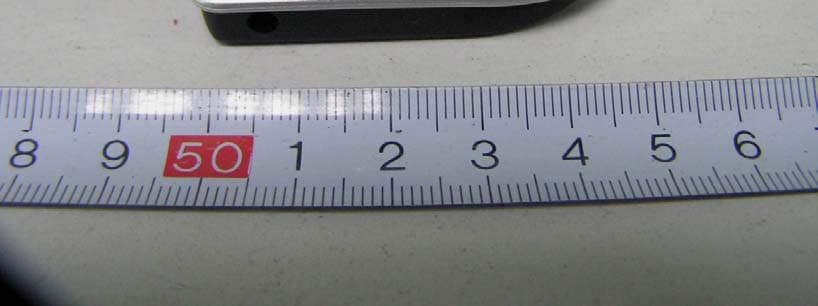
External Photos
FOR 005 FOR 009
ID Label/Location Info
DC3.7V BLUETOOTH GPS RECEIVER MADE IN CHINA MODElGW-GPS-009 FCC IDRR7GPS-009 DC3.7V BLUETOOTH GPS RECEIVER MADE IN CHINA MODElGW-GPS-009 FCC IDRR7GPS-009 GW-GPS-009 GW-GPS-009 16mm 12mm 13mm GPS DC3.7V BLUETOOTH GPS RECEIVER MADE IN CHINA MODElGW-GPS-005 FCC IDRR7GPS-009 DC3.7V BLUETOOTH GPS RECEIVER MADE IN CHINA MODElGW-GPS-005 FCC IDRR7GPS-009 GW-GPS-005 GW-GPS-005 16mm 12mm 13mm GPS
Internal Photos
For 005 For 009
RF Exposure Info
FCC ID: RR7GPS-009 No SAR Evaluation Required if power is below the following threshold: Tunable Range F(GHz) Low F(GHz) High Center of Tunable Band (GHz) 60/f SAR Limitation mW 2.402 2.480 2.441 24.19 Maximum measured transmitter power: Pout Conducted (mW) Maximum Antenna Gain dBi Pout EIRP (mW) 2.094 4.5 5.902 Threshold for no SAR evaluation is 24.19 mW Maximum TX Power is 2.094 mW Conducted and 5.902 mW EIRP Conclusion: No SAR evaluation required since maximum Transmitter Pout (both conducted and EIRP) is below FCC threshold
Test Report
FCC ID: RR7GPS-009 Report No.: 070117FIA01 1 FCC TEST REPORT REPORT NO.: 070117FIA01 MODEL NO.: GW-GPS-009 / GW-GPS-005 RECEIVED: Jan. 25, 2007 TESTED: Jan. 25 ~ Feb. 7, 2007 ISSUED: Feb. 9, 2007 APPLICANT: GREAT WELL ELECTRONIC LIMITED ADDRESS: Industrial Area Gangtou chenwu Village Guanlan Road Guanlan Town Baoan District Shenzhen City ISSUED BY: ADT (Shanghai) Corporation ADDRESS: 2F, Building C, No.1618, Yishan Rd., 201103, Shanghai, China This test report consists of 58 pages in total. It may be duplicated completely for legal use with the approval of the applicant. It should not be reproduced except in full, without the written approval of our laboratory. The client should not use it to claim product endorsement by A2LA or any government agencies. The test results in the report only apply to the tested sample. The test results in this report are traceable to the national or international standards. This report contains data that were produced under Laboratory ADT (Shanghai) Corporation. ADT (Shanghai) Corporation. V 1.0 FCC ID: RR7GPS-009 Report No.: 070117FIA01 2 TABLE OF CONTENTS 1. CERTIFICATION ..........................................................................................................5 2. SUMMARY OF TEST RESULTS..................................................................................6 2.1 MEASUREMENT UNCERTAINTY ..............................................................................7 3. GENERAL INFORMATION ..........................................................................................8 3.1 GENERAL DESCRIPTION OF EUT............................................................................8 3.2 DESCRIPTION OF TEST MODES..............................................................................9 3.2.1 CONFIGURATION OF SYSTEM UNDER TEST .......................................................10 3.2.2 TEST MODE APPLICABILITY AND TESTED CHANNEL DETAIL ............................ 11 3.2.3 GENERAL DESCRIPTION OF APPLIED STANDARDS ...........................................13 3.2.4 DESCRIPTION OF SUPPORT UNITS ......................................................................13 4. TEST TYPES AND RESULTS....................................................................................14 4.1 RADIATED EMISSION MEASUREMENT .................................................................14 4.1.1 LIMITS OF RADIATED EMISSION MEASUREMENT...............................................14 4.1.2 TEST INSTRUMENTS ..............................................................................................15 4.1.3 TEST PROCEDURES ...............................................................................................16 4.1.4 DEVIATION FROM TEST STANDARD .....................................................................16 4.1.5 TEST SETUP ............................................................................................................17 4.1.6 EUT OPERATING CONDITIONS ..............................................................................17 4.1.7 TEST RESULTS ........................................................................................................18 4.2 NUMBER OF HOPPING FREQUENCY USED .........................................................34 4.2.1 LIMIT OF HOPPING FREQUENCY USED ...............................................................34 4.2.2 TEST INSTRUMENTS ..............................................................................................34 4.2.3 TEST PROCEDURES ...............................................................................................34 4.2.4 DEVIATION FROM TEST STANDARD .....................................................................34 4.2.5 TEST SETUP ............................................................................................................35 4.2.6 EUT OPERATING CONDITIONS ..............................................................................35 4.2.7 TEST RESULTS ........................................................................................................36 FCC ID: RR7GPS-009 Report No.: 070117FIA01 3 4.3 DWELL TIME ON EACH CHANNEL .........................................................................37 4.3.1 LIMIT OF DWELL TIME USED..................................................................................37 4.3.2 TEST INSTRUMENTS ..............................................................................................37 4.3.3 TEST PROCEDURES ...............................................................................................37 4.3.4 DEVIATION FROM TEST STANDARD .....................................................................38 4.3.5 TEST SETUP ............................................................................................................38 4.3.6 EUT OPERATING CONDITIONS ..............................................................................38 4.3.7 TEST RESULTS ........................................................................................................39 4.4 CHANNEL BANDWIDTH...........................................................................................43 4.4.1 LIMITS OF CHANNEL BANDWIDTH ........................................................................43 4.4.2 TEST INSTRUMENTS ..............................................................................................43 4.4.3 TEST PROCEDURE .................................................................................................43 4.4.4 DEVIATION FROM TEST STANDARD .....................................................................43 4.4.5 TEST SETUP ............................................................................................................44 4.4.6 EUT OPERATING CONDITION ................................................................................44 4.4.7 TEST RESULTS ....................................................................................…
Text truncated - open the document above for the full version.
Contact Information
Applicant
Jie Chen
Test Firm
BUREAU VERITAS ADT (Shanghai) CorporationZhaoqian YU
Technical Specifications
| # | Rule Parts | Frequency Range | Power Output |
|---|---|---|---|
| 1 | 15C | 2.40 GHz - 2.48 GHz | 2.10 mW |
Other Applications from Great Well Electronic Limited
RR7CLBLUEHOOK
Aug 07, 2007Bluetooth Earphone
Equipment Class
DSS - Part 15 Spread Spectrum Transmitter
RR7OT-020C
Aug 05, 2007OT-020C
Equipment Class
DSS - Part 15 Spread Spectrum Transmitter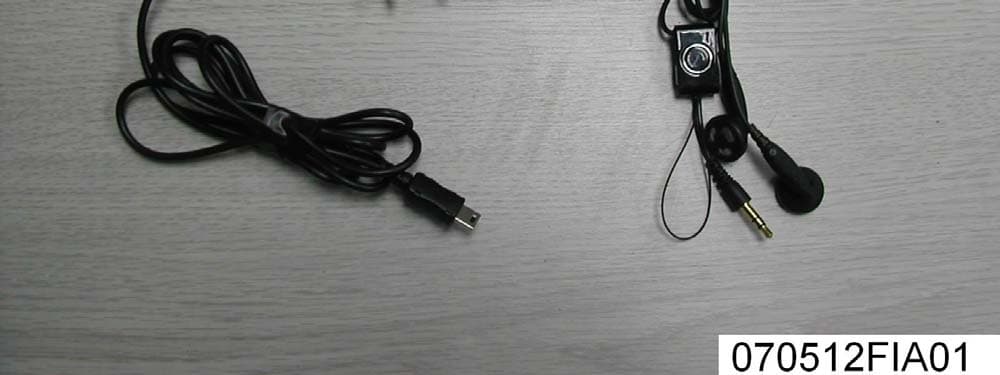
RR7BTH-012
Jul 02, 2007Stereo Bluetooth Headset
Equipment Class
DSS - Part 15 Spread Spectrum Transmitter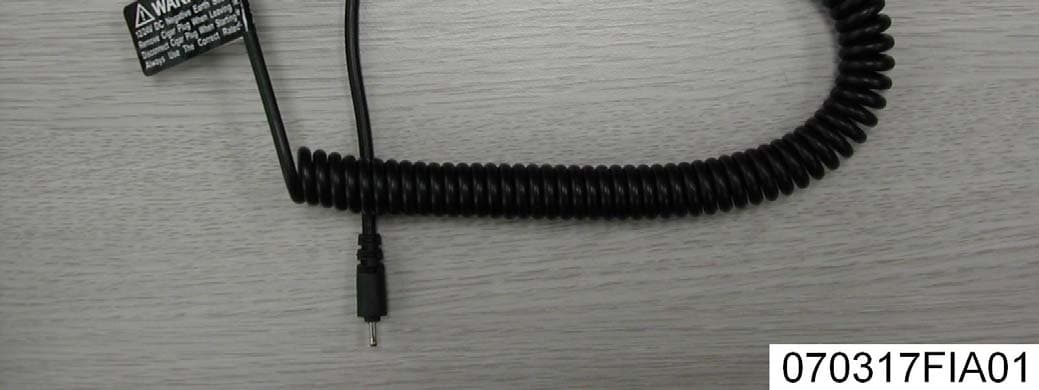
RR7GPS-005
Apr 09, 2007Bluetooth GPS Receiver
Equipment Class
DSS - Part 15 Spread Spectrum Transmitter
RR7BT-019
Feb 28, 2007Bluetooth Headset
Equipment Class
DSS - Part 15 Spread Spectrum Transmitter