T38UT2012GSM Mobile Phone
Cellon Communications Technology (Shenzhen) Co.,Ltd.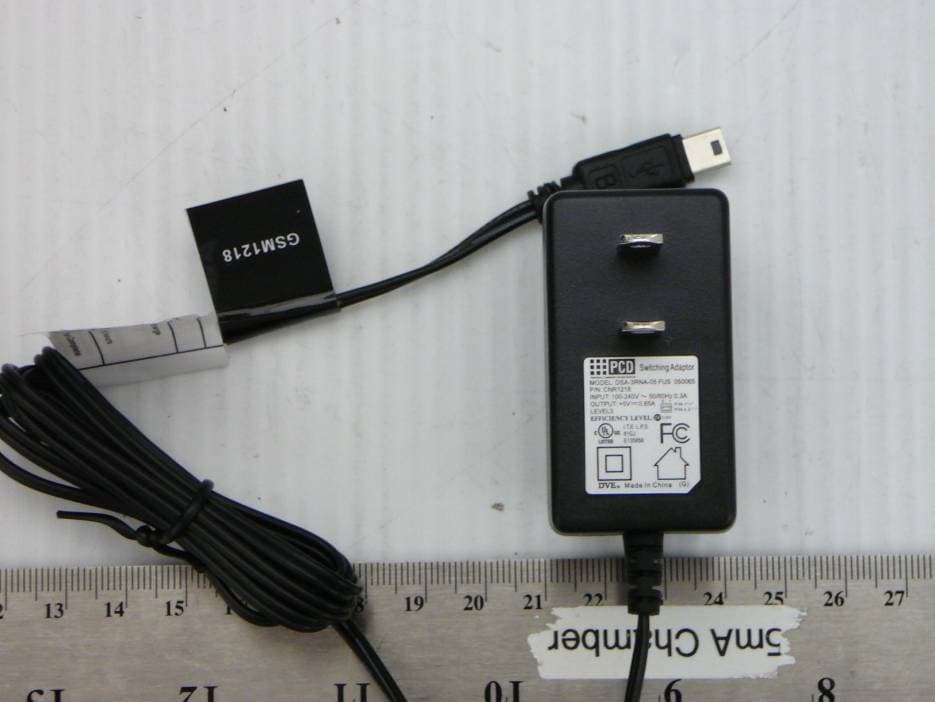
Click to zoom
Application Details
- Equipment Class
- PCE - PCS Licensed Transmitter held to ear
- Date of Grant
- Feb 25, 2010
- Application Purpose
- Original Equipment
- Date of Application
- Feb 25, 2010
- Equipment Note
- GSM Mobile Phone
- Frequency Range
- 1850.20000000 - 1909.80000000
- Country
- China
Documents & Files
Document Text
Text extracted from the exhibit documents filed with the FCC. Open a document above to read the original.
Users Manual
1 Introduction 1.1 Phone Display 2 We continuously strive to improve our products. Therefore, we reserve the rights to revise this user manual or withdraw it at any time without prior notice. MPEG Layer-3 audio coding technology licensed from Fraunhofer IIS and Thomson. Supply of this product does not convey a license nor imply any right to distribute MPEG Layer-3 compliant content created with this product in revenue-generating broadcast systems(terrestrial, satellite, cable and/or other distribution channels), streaming applications(via internet, intranets and/or other networks), other content distribution systems(pay-audio or audio-on-demand applications and the like) or on physical media(compact discs, digital versatile discs, semiconductor chips, hard drives, memory cards and the like). An independent license for such use is required. For details, please visit http://mp3licensing.com. 1.2 Key Key Function Pick-Up Press to answer a call or dial a call after you enter a phone number. In idle mode, press to view the call log. Hang-Up Press to end a call. Press and hold to turn the phone on/off. Within a menu, press to return to idle mode. 3 Left Soft Key In idle mode, press to enter the Main menu. Press to access the option listed directly above it on the display. Right Soft Key In idle mode, press to access the WAP menu. Press to access the option listed directly above it on the display. Within a menu, press to return to the previous screen. OK Key In idle mode, press to enter the main menu. Numeric key Press to enter the corresponding number, letter or symbol located on the key. Within a menu, press to access the corresponding menu option. * Press the * Key twice quickly to enter ‘+’ to make an international call. Press the * key three times quickly to enter (pause character) P, four times quickly to enter (wait character) W. Press to enter symbol when editing text. In idle mode, press and hold the * key to lock the keypad. # In idle mode, press and hold to activate or deactivate the silent mode. Press to switch input modes when entering text. Navigation Key Within a menu, press Up, Down, Left or Right to scroll through menu options. Note: “Press” in this manual, means to press and release the key; “press and hold” means to press and hold the key for at least 2 seconds. 4 1.3 Icons & Symbols Icon Description Network - The left portion indicates whether your phone is already registered with a network and the right portion indicates signal strength (from no signal to strongest). Battery - Indicates battery level. When charging, a scrolling icon will be displayed. The more bars, the stronger the charge. To log on GPRS - The icon will be displayed only when you have logged onto GPRS. MMS - Indicates you have one or more unread MMS messages. Message - Indicates you have one or more unread messages. Push message-Indicates that you have received new push message. Voicemail- Indicates voice messages that have not been heard. Missed call - Indicates there is a missed call. Call Divert - Indicates that “Divert All Voice Calls” is activated. Alarm-Indicates that the alarm clock is on. Headset-Indicates that headset profile is activated. Alert type is “Ring”. 5 2 Getting Started Please read the safety instructions in the "Safety Information and Notices" section before use. 2.1 Inserting the SIM Card 2.1.1 Remove the back cover(1), remove the battery (2), and insert the SIM card (3) (1) (2) (3) 2.1.2 Install the battery and back cover 6 2.2 Turning the phone on To turn the phone on, press and hold the Hang Up key. Enter the PIN code if required. 2.3 Charging the Battery 1. Ensure the battery is inserted in the handset. To charge the battery, plug in the charger connector at the bottom of your phone (charger port) and then plug the other end into an AC power socket. 2. The battery symbol indicates the charging status. While charging, the charge indicators will scroll. When all the scroll bars are steady, the battery is fully charged. 3. Disconnect the charger from the phone. 4. Disconnect the charger from the AC power socket. Note: If the battery is powerless, the battery icon will reappear after a few minutes of charging. 2.4 Inserting a T-Flash Card 1. Lift up the T-Flash card cover on the right side of the SIM card slot. Pull the cover down if it is locked 7 and then lift. A word “OPEN” will prompt you in the correct direction. 2. With the metal contacts facing down, gently slide the T-Flash card into the slot. 3. Press and pull the cover up to lock it. A word “Lock” will prompt you in the correct direction. 2.5 Transfer files to the T-Flash card 1. Insert your T-Flash card into a card reader, and then connect the card reader to the USB port of a PC. The PC will auto detect the card reader as a removable disk. You can access the T-Flash card memory now. 2. Download or upload the files to T-Flash card. 3. When the transfer is finished, please make sure that you safely remove the card reader by clicking . 4. Finally, insert your T-Flash card into your cellular phone, you can view the files in Multimedia > File Manager > Memory Card. 2.6 Important Password Phone lock password is 1234. 8 3 Text Entry 3.1 Input Method During text editing, you can press the # Key to switch input modes or press the Left Soft Key [Option] and select Input Method to select different input modes. 3.1.1 Entering Symbols In any input mode, press the * Key to open the symbols input screen. 3.2 Smart Input Method 2 to 9 Press to input letters 1 Press to input symbol 0 Press to input space ◀ / ▶ Press to confirm the letter or word, or move the cursor to left or right. ▲ / ▼ Press to browse the last or next available word. Left Soft Key (Select) or the OK Key Press to confirm the letter or word Right Soft Key (Clear) Press to clear a letter, press and hold to clear all entries # Switch between input mode * Press to activate punctuation mode Example: How to enter the word "HOME" 1. Press the # Key to switch to ABC ; 9 2. Press …
Text truncated - open the document above for the full version.
Cover Letter(s)
U
External Photos
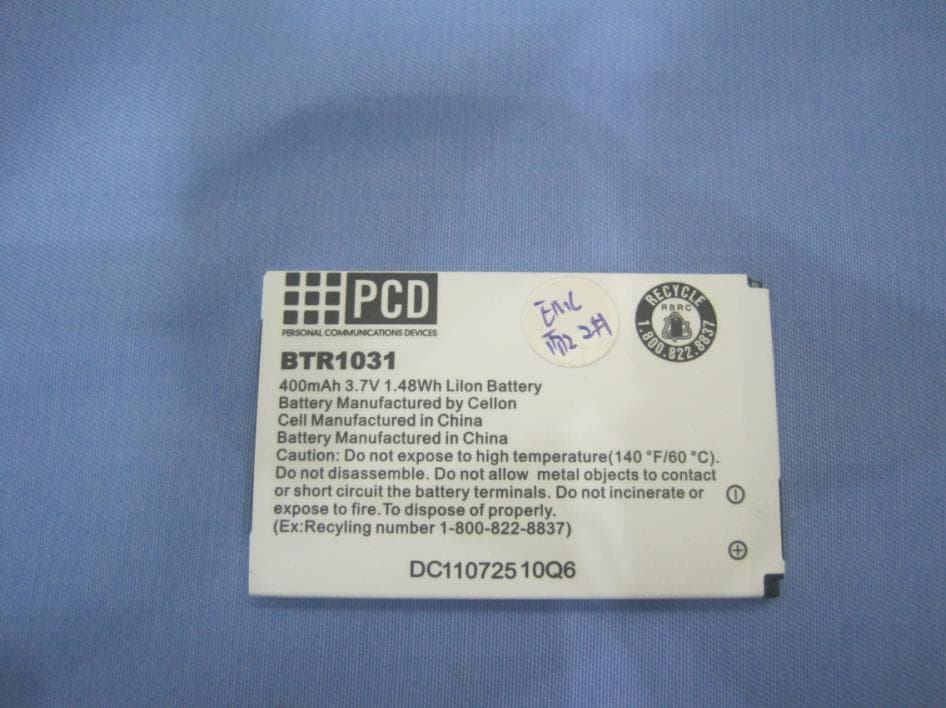
Cellon Communications Technology (Shenzhen) Co., Ltd. FCC ID: T38UT2012 Report Number: R1002085-2224 Page 39 of 45 FCC Part 22H/24E Test Report 14 EXHIBIT C - EUT PHOTOGRAPHS 14.1 EUT- Front side View 14.2 EUT- Back Side View Cellon Communications Technology (Shenzhen) Co., Ltd. FCC ID: T38UT2012 Report Number: R1002085-2224 Page 40 of 45 FCC Part 22H/24E Test Report 14.3 EUT- Top Side View 14.4 EUT- Bottom Side View Cellon Communications Technology (Shenzhen) Co., Ltd. FCC ID: T38UT2012 Report Number: R1002085-2224 Page 41 of 45 FCC Part 22H/24E Test Report 14.5 EUT AC/DC Power Adapter 14.6 EUT Battery Compartment View
ID Label/Location Info
FCC ID LABELING INFORMATION FCC ID Label FCC ID Label Location on EUT Label here
Internal Photos
Cellon Communications Technology (Shenzhen) Co., Ltd. FCC ID: T38UT2012 Report Number: R1002085-2224 Page 42 of 45 FCC Part 22H/24E Test Report 14.7 EUT – Back Cover off view 14.8 EUT – Front Cover off View Cellon Communications Technology (Shenzhen) Co., Ltd. FCC ID: T38UT2012 Report Number: R1002085-2224 Page 43 of 45 FCC Part 22H/24E Test Report 14.9 EUT – Screen and Keyboard View 14.10 EUT – Main Board View 1 (with Shielding) Cellon Communications Technology (Shenzhen) Co., Ltd. FCC ID: T38UT2012 Report Number: R1002085-2224 Page 44 of 45 FCC Part 22H/24E Test Report 14.11 EUT – Main Board View 1 (Shielding off) 14.12 EUT – Main Board View 2
RF Exposure Info
Note: This test report is prepared for the customer shown above and for the device described herein. It may not be duplicated or used in part without prior written consent from Bay Area Compliance Laboratories Corp. This report must not be used by the customer to claim product certification, approval, or endorsement by NVLAP*, NIST, or any agency of the Federal Government. * This report may contain data that are not covered by the NVLAP accreditation and are marked with an asterisk “*" (Rev.2) SAR EVALUATION REPORT For Cellon Communications Technology (Shenzhen) Co., Ltd. 13/F, Skyworth Building C Gaoxin S. Ave. 1 st , High-tech industrial Park, Nanshan, Shenzhen, Guangdong, China 518057 FCC ID:T38UT2012 Report Type: Original Report Product Type: GSM Mobile Phone Test Engineer: Arthur Tie Report Number: R1002085-FCC-SAR Report Date: 2010-02-19 Reviewed By: Boni Baniqued Senior RF Engineer Prepared By: (11) Bay Area Compliance Laboratories Corp. (BACL) 1274 Anvilwood Ave. Sunnyvale, CA 94089, USA Tel: (408) 732-9162 Fax: (408) 732 9164 Cellon Communications Technology (Shenzhen) Co., Ltd. FCC ID: T38UT2012 Report Number: R1002085-FCC-SAR SAR Evaluation Report Page 2 of 82 Summary of Test Results Rule Part(s): CFR 47 §2.1093 Test Procedure(s): FCC OET Bulletin 65 C; IEEE 1528-2003 Device Category: Exposure Category: Licensed Mobile Transmitter Device Type: Portable device Modulation Type: GMSK(GSM850/PCS1900) TX Frequency Range: 824-849 MHz (GSM 850) 1850-1910 MHz (PCS 1900) Maximum Conducted Power Tested: 33.08 dBm (Cellular Band) 29.72 dBm (PCS Band) Antenna Type(s) Tested: Internal Antenna Body-Worn Accessories: Headset Head Accessories: None Battery Type (s) Tested: Li-ion: 3.7Vdc/550mAH 1.11 W/Kg Head Tissue 0.649 W/Kg Body Tissue Cellular Band 0.62 W/Kg Head Tissue Max. SAR Level(s) Measured: 0.265 W/Kg Body Tissue PCS Band This wireless device has been shown to be capable of compliance for localized specific absorption rate (SAR) for General Population/Uncontrolled Exposure limits specified in ANSI/IEEE Standards and has been tested in accordance with the measurement procedures specified in FCC OET 65 Supplement C. The results and statements contained in this report pertain only to the device(s) evaluated. EUT Photo Cellon Communications Technology (Shenzhen) Co., Ltd. FCC ID: T38UT2012 Report Number: R1002085-FCC-SAR SAR Evaluation Report Page 3 of 82 TABLE OF CONTENTS 1 REFERENCE, STANDARDS AND GUILDELINES .......................................................................................6 2 EUT DESCRIPTION ...........................................................................................................................................8 3 FACILITIES AND ACCREDITATION.............................................................................................................9 4 DESCRIPTION OF TEST SYSTEM................................................................................................................10 4.1 IEEE SCC-34/SC-2 P1528 RECOMMENDED TISSUE DIELECTRIC PARAMETERS...........................................11 4.2 MEASUREMENT SYSTEM DIAGRAM..............................................................................................................12 4.3 SYSTEM COMPONENTS..................................................................................................................................13 4.4 DASY4 MEASUREMENT SERVER..................................................................................................................13 5 EQUIPMENT LIST AND CALIBRATION.....................................................................................................21 6 SAR MEASUREMENT SYSTEM VERIFICATION .....................................................................................22 7 EUT TEST STRATEGY AND METHODOLOGY.........................................................................................23 7.1 TEST POSITIONS FOR DEVICE OPERATING NEXT TO A PERSON’S EAR...........................................................23 7.2 CHEEK/TOUCH POSITION..............................................................................................................................24 7.3 EAR/TILT POSITION.......................................................................................................................................24 7.4 TEST POSITIONS FOR BODY-WORN AND OTHER CONFIGURATIONS.................................................................25 7.5 SAR EVALUATION PROCEDURE....................................................................................................................26 7.6 DASY4 SAR EVALUATION PROCEDURE......................................................................................................27 8 SAR MEASUREMENT RESULTS ..................................................................................................................29 9 APPENDIX A – MEASUREMENT UNCERTAINTY....................................................................................31 10 APPENDIX B – PROBE CALIBRATION CERTIFICATES ....................................................................33 11 APPENDIX C – DIPOLE CALIBRATION CERTIFICATES ..................................................................42 12 APPENDIX D - TEST SYSTEM VERIFICATIONS SCANS....................................................................53 13 APPENDIX E – EUT SCAN RESULTS.......................................................................................................56 14 APPENDIX F – CONDUCTED OUTPUT POWER MEASUREMENT ..................................................74 14.1 TEST PROCEDURE.........................................................................................................................................74 14.2 TEST EQUIPMENTS LIST AND DETAILS..........................................................................................................74 14.3 TEST RESULTS...................................…
Text truncated - open the document above for the full version.
Test Report
Note: This test report is prepared for the customer shown above and for the device described herein. It may not be duplicated or used in part without prior written consent from Bay Area Compliance Laboratories Corp. This report must not be used by the customer to claim product certification, approval, or endorsement by NVLAP*, NIST, or any agency of the Federal Government. * This report may contain data that are not covered by the NVLAP accreditation and are marked with an asterisk “*” (Rev.2) FCC PART 22H, 24E TEST AND MEASUREMENT REPORT For Cellon Communications Technology (Shenzhen) Co., Ltd. 13/F, Skyworth Building C Gaoxin S. Ave. 1st, High-Tech industrial Park, Nanshan, Shenzhen, Guangdong, China 518057 FCC ID: T38UT2012 Report Type: Original Report Product Type: GSM Dual Band Mobile Phone Test Engineer: Kevin Li Report Number: R1002085-2224 Report Date: 2010-02-26 Reviewed By: Boni Baniqued Sr. RF Engineer Prepared By: (11) Bay Area Compliance Laboratories Corp. 1274 Anvilwood Ave. Sunnyvale, CA 94089, USA Tel: (408) 732-9162 Fax: (408) 732 9164 Cellon Communications Technology (Shenzhen) Co., Ltd. FCC ID: T38UT2012 Report Number: R1002085-2224 Page 2 of 45 FCC Part 22H/24E Test Report TABLE OF CONTENTS 1 GENERAL INFORMATION............................................................................................................................. 5 1.1 PRODUCT DESCRIPTION FOR EQUIPMENT UNDER TEST (EUT)........................................................................... 5 1.2 MECHANICAL DESCRIPTION.............................................................................................................................. 5 1.3 EUT PHOTO....................................................................................................................................................... 5 1.4 OBJECTIVE......................................................................................................................................................... 5 1.5 RELATED SUBMITTAL(S)/GRANT(S) .................................................................................................................. 6 1.6 TEST METHODOLOGY........................................................................................................................................ 6 1.7 MEASUREMENT UNCERTAINTY......................................................................................................................... 6 1.8 TEST FACILITY.................................................................................................................................................. 6 2 SYSTEM TEST CONFIGURATION ................................................................................................................ 7 2.1 JUSTIFICATION................................................................................................................................................... 7 2.2 EUT EXERCISE SOFTWARE................................................................................................................................7 2.3 EQUIPMENT MODIFICATIONS............................................................................................................................. 7 2.4 LOCAL SUPPORT EQUIPMENT............................................................................................................................ 7 2.5 INTERNAL CONFIGURATIONS OF EUT................................................................................................................ 7 2.6 POWER SUPPLY AND LINE FILTERS.................................................................................................................... 7 3 SUMMARY OF TEST RESULTS..................................................................................................................... 8 4 FCC §2.1047 - MODULATION CHARACTERISTIC .................................................................................... 9 4.1 APPLICABLE STANDARD.................................................................................................................................... 9 4.2 RESULTS............................................................................................................................................................ 9 5 FCC §2.1053, §22.917 & §24.238 - SPURIOUS RADIATED EMISSIONS ................................................. 10 5.1 APPLICABLE STANDARD.................................................................................................................................. 10 5.2 TEST PROCEDURE............................................................................................................................................ 10 5.3 TEST SETUP BLOCK DIAGRAM FOR RADIATED EMISSIONS TESTS................................................................... 10 5.4 TEST EQUIPMENT LIST AND DETAILS.............................................................................................................. 11 5.5 TEST ENVIRONMENTAL CONDITIONS............................................................................................................... 11 5.6 SUMMARY OF TEST RESULTS........................................................................................................................... 11 5.7 TEST DATA...................................................................................................................................................... 12 6 FCC §2.1046, §22.913(A) & §24.232 – RF OUTPUT POWER...................................................................... 13 6.1 APPLICABLE STANDARD.................................................................................................................................. 13 6.2 TEST PROCEDURE............................................................................................................................................ 13 6.3 TEST EQUIPMENT LIST AND DETAILS................................…
Text truncated - open the document above for the full version.
Test Setup Photos
Cellon Communications Technology (Shenzhen) Co., Ltd. FCC ID: T38UT2012 Report Number: R1002085-2224 Page 37 of 45 FCC Part 22H/24E Test Report 13 EXHIBIT B - TEST SETUP PHOTOGRAPHS 13.1 Radiated Emissions below 1 GHz- Front View 13.2 Radiated Emissions below 1 GHz - Rear View Cellon Communications Technology (Shenzhen) Co., Ltd. FCC ID: T38UT2012 Report Number: R1002085-2224 Page 38 of 45 FCC Part 22H/24E Test Report 13.3 Radiated Emissions above 1 GHz- Front View 13.4 Radiated Emissions above 1 GHz - Rear View
Contact Information
Applicant
maggie xu(TA manager)
Test Firm
Bay Area Compliance LaboratoryJohn Chan
Technical Specifications
| # | Rule Parts | Frequency Range | Power Output | Emission | Tolerance |
|---|---|---|---|---|---|
| 2 | 24E | 1.85 GHz - 1.91 GHz | 724.00 mW | 249KGXW | 2.5 ppm |
Other Applications from Cellon Communications Technology (Shenzhen) Co.,Ltd.
T38C1037
Aug 22, 2013GSM quad band mobile phone
Equipment Class
PCE - PCS Licensed Transmitter held to ear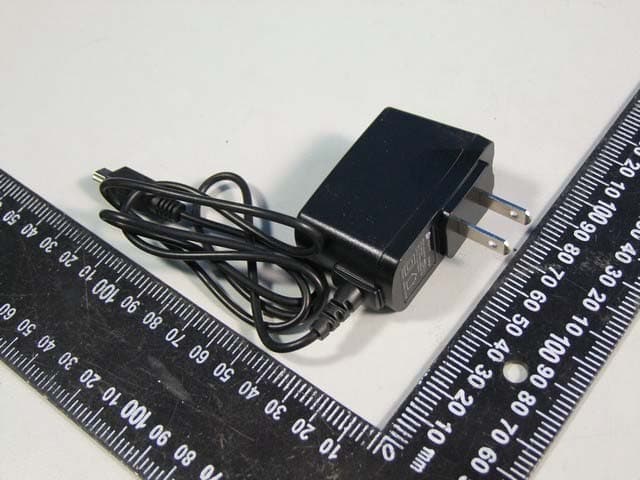
T38C1021ECL
Jul 28, 2013GSM850/1900 Moblie Phone
Equipment Class
PCE - PCS Licensed Transmitter held to ear
T38C8666GP
Apr 18, 2013GSM/GPRS/WCDMA/BT/WIFI/GPS Mobile Phone
Equipment Class
JBP - Part 15 Class B Computing Device Peripheral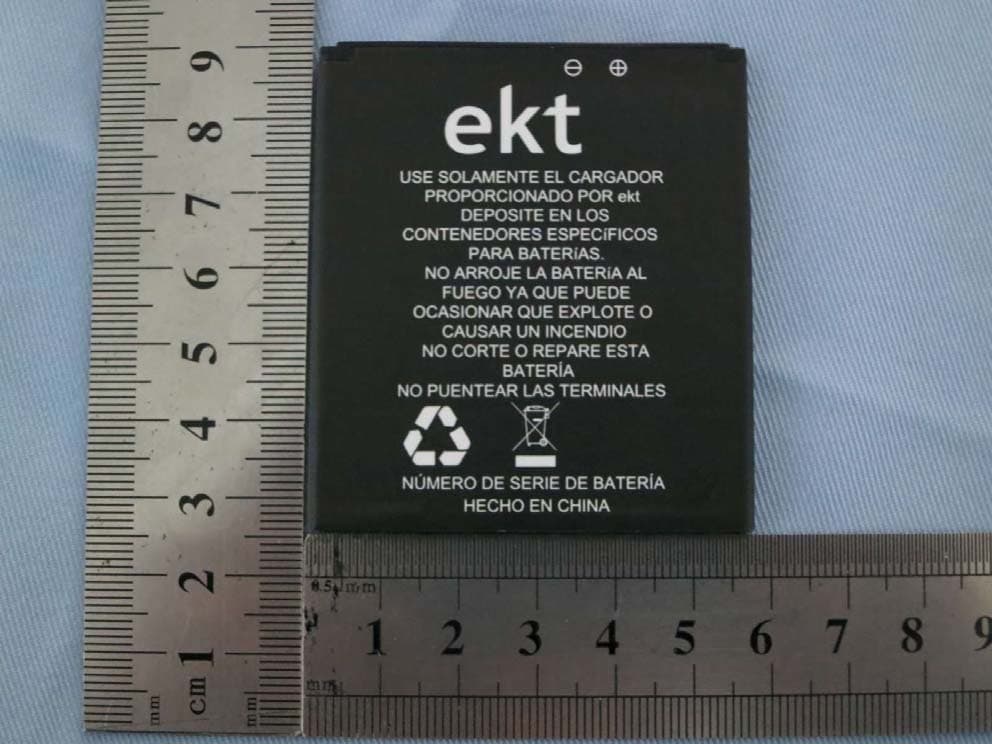
T38C8680EK
Mar 26, 2013WCDMA mobile phone
Equipment Class
DSS - Part 15 Spread Spectrum Transmitter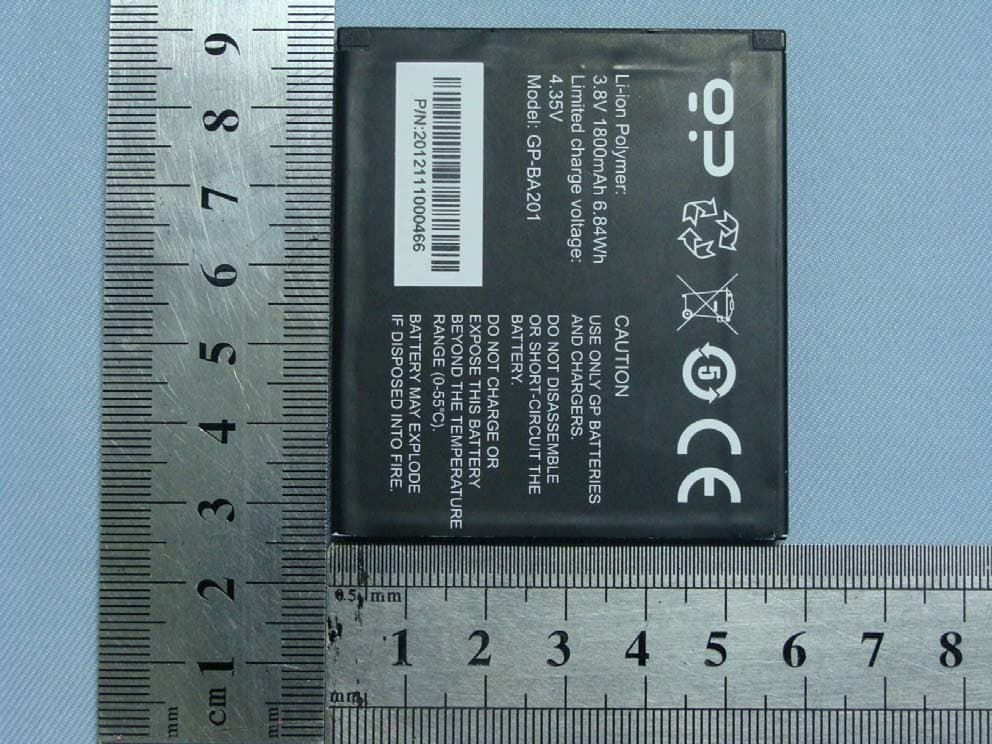
T38C8680GP
Jan 27, 2013WCDMA mobile phone
Equipment Class
JBP - Part 15 Class B Computing Device Peripheral