TQ6BTHS080-106Bluetooth Headset
Flaircomm Technologies Inc.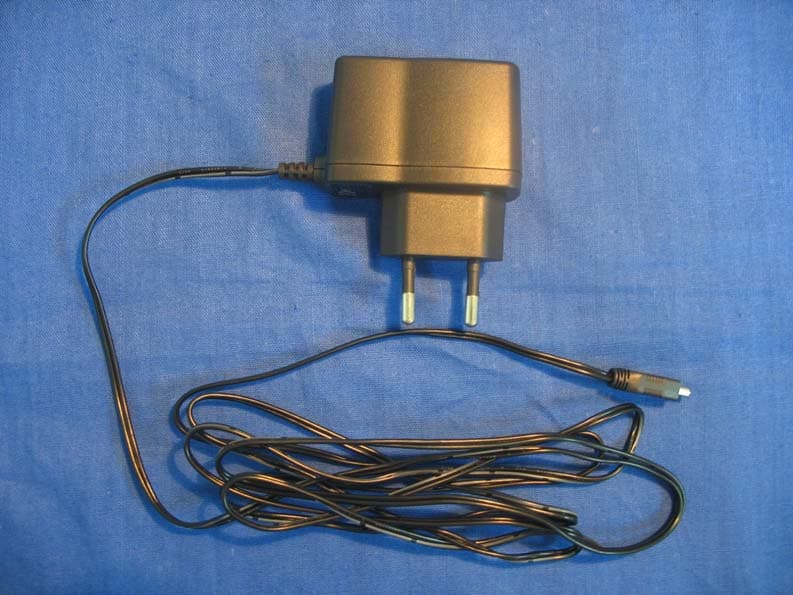
Click to zoom
Application Details
- Equipment Class
- DSS - Part 15 Spread Spectrum Transmitter
- Date of Grant
- Jul 30, 2006
- Application Purpose
- Original Equipment
- Date of Application
- Jul 30, 2006
- Equipment Note
- Bluetooth Headset
- Frequency Range
- 2402.00000000 - 2480.00000000
- Company
- Flaircomm Technologies Inc.
- Country
- China
Documents & Files
Document Text
Text extracted from the exhibit documents filed with the FCC. Open a document above to read the original.
Users Manual
BlueTone™ BTHF080 User Manual Bluetooth Headset User Manual Model:BlueTone™ BTHS080 . 1 BlueTone™ BTHF080 User Manual Declaration: Without written permission from original manufacturer, reproduction, transfer, distribution or storage of part or all of the contents in this document in any form is prohibited。 The company reserves rights to make any changes and improvements to the product described in this document without prior notice. Notice : Please make sure your mobile phone supports bluetooth profiles and network operator supports the functions described in this manual, otherwise the relative functions can not be realized on this Headset device. Safety z Use the charger that comes with package. z Check the laws and regulations on the use of mobile phones and headset equipment in the areas where you drive. Always give full attention to driving, pull off the road and park before making or answering a call if driving conditions require. z Do not allow children to play with your Bluetooth headset since it contains small parts that could become detached and create a choking hazard z This device contains a Li-polymer battery. Please keep it away from fire anytime (including discarding the device) or the battery may explode z The headset, especially the embedded battery must be properly disposed or may be recycled, contact your local recycling centers for disposal methods. . 2 BlueTone™ BTHF080 User Manual Certification and Safety Approvals This product has been tested and found to comply with part 15 of FCC rules, R&TTE Directive(99/5/EC) or CE marked requirements. Warning:Users should not make changes or modify the device in any way. Changes or modifications without expressly approved by the party responsible for compliance could void the user’s authority to operate the device. This device complies with part 15 of the FCC Rules. Operation is subject to the following two conditions: (1) This device may not cause harmful interference, and (2) this device must accept any interference received, including interference that may cause undesired operation. FEDERAL COMMUNICATIONS COMMISSION INTERFERENCE STATEMENT This equipment has been tested and found to comply with the limits for a Class B digital device, pursuant to part 15 of the FCC Rules. These limits are designed to provide reasonable protection against harmful interference in a residential installation. This equipment generates, uses and can radiate radio frequency energy and, if not installed and used in accordance with the instructions, may cause harmful interference to radio communications. However, there is no guarantee that interference will not occur in a particular installation. If this equipment does cause harmful interference to radio or television reception, which can be determined by turning the equipment off and on, the user is encouraged to try to correct the interference by one or more of the following measures: -Reorient or relocate the receiving antenna. -Increase the separation between the equipment and receiver. -Connect the equipment into an outlet on a circuit different from that to which the receiver is connected. -Consult the dealer or an experienced radio/ TV technician for help. CAUTION: Any changes or modifications not expressly approved by the grantee of this device could void the user's authority to operate the equipment. RF exposure warning · The equipment complies with FCC RF exposure limits set forth for an uncontrolled environment. The equipment must not be co-located or operating in conjunction with any other antenna or transmitter. . 3 BlueTone™ BTHF080 User Manual 1. INTRODUCTION.................................................................................................................................5 1.1 BLUETOOTH TECHNOLOGY..................................................................................................................5 1.2 PRODUCT FEATURES............................................................................................................................5 1.3 PACKAGE CONTENT.............................................................................................................................5 1.4 OVERVIEW...........................................................................................................................................6 1.5 KEY PRESS DURATION DEFINITIONS....................................................................................................6 2. USING YOUR HEADSET....................................................................................................................7 2.1 BATTERY CHARGING AND USAGE........................................................................................................7 2.1.1 Battery Charging.........................................................................................................................7 2.1.2 Battery Information.....................................................................................................................7 2.2 WEARING YOUR HEADSET....................................................................................................................7 2.3 TURN ON/OFF HEADSET......................................................................................................................8 2.4 PAIRING/CONNECTING YOUR HEADSET WITH BLUETOOTH EQUIPMENT...............................................8 2.4.1 Pairing your Headset with Bluetooth Handset.............................................................................8 2.4.2 Pairing your Headset with Other Bluetooth Equipment..............................................................8 2.4.3 Quit paring with Bluetooth Equipment........................................................................................9 2.4.4 Connecting/Disconnecting your Headset with Bluetooth Equipment..........................................9 2.5 CALL FUNCTIONS....................................................…
Text truncated - open the document above for the full version.
Users Manual
BlueTone™ BTHF106 User Manual Bluetooth Headset User Manual Model:BlueTone™ BTHS106 . 1 BlueTone™ BTHF106 User Manual Declaration: Without written permission from original manufacturer, reproduction, transfer, distribution or storage of part or all of the contents in this document in any form is prohibited。 The company reserves rights to make any changes and improvements to the product described in this document without prior notice. Notice : Please make sure your mobile phone supports bluetooth profiles and network operator supports the functions described in this manual, otherwise the relative functions can not be realized on this Headset device. Certification and Safety Approvals This product has been tested and found to comply with Bluetooth BQB requirements, part 15 of FCC rules, R&TTE Directive(99/5/EC) or CE marked requirements. Warning:Users should not make changes or modify the device in any way. Changes or modifications without expressly approved by the party responsible for compliance could void the user’s authority to operate the device. Safety z Use the charger that comes with package. z Check the laws and regulations on the use of mobile phones and headset equipment in the areas where you drive. Always give full attention to driving, pull off the road and park before making or answering a call if driving conditions require. z Do not allow children to play with your Bluetooth headset since it contains small parts that could become detached and create a choking hazard z This device contains a Li-polymer battery. Please keep it away from fire anytime (including discarding the device) or the battery may explode z The headset, especially the embedded battery must be properly disposed or may be recycled, contact your local recycling centers for disposal methods. . 2 BlueTone™ BTHF106 User Manual Certification and Safety Approvals This product has been tested and found to comply with part 15 of FCC rules, R&TTE Directive(99/5/EC) or CE marked requirements. Warning:Users should not make changes or modify the device in any way. Changes or modifications without expressly approved by the party responsible for compliance could void the user’s authority to operate the device. This device complies with part 15 of the FCC Rules. Operation is subject to the following two conditions: (1) This device may not cause harmful interference, and (2) this device must accept any interference received, including interference that may cause undesired operation. FEDERAL COMMUNICATIONS COMMISSION INTERFERENCE STATEMENT This equipment has been tested and found to comply with the limits for a Class B digital device, pursuant to part 15 of the FCC Rules. These limits are designed to provide reasonable protection against harmful interference in a residential installation. This equipment generates, uses and can radiate radio frequency energy and, if not installed and used in accordance with the instructions, may cause harmful interference to radio communications. However, there is no guarantee that interference will not occur in a particular installation. If this equipment does cause harmful interference to radio or television reception, which can be determined by turning the equipment off and on, the user is encouraged to try to correct the interference by one or more of the following measures: -Reorient or relocate the receiving antenna. -Increase the separation between the equipment and receiver. -Connect the equipment into an outlet on a circuit different from that to which the receiver is connected. -Consult the dealer or an experienced radio/ TV technician for help. CAUTION: Any changes or modifications not expressly approved by the grantee of this device could void the user's authority to operate the equipment. RF exposure warning · The equipment complies with FCC RF exposure limits set forth for an uncontrolled environment. The equipment must not be co-located or operating in conjunction with any other antenna or transmitter. . 3 BlueTone™ BTHF106 User Manual 1. INTRODUCTION.................................................................................................................................5 1.1 BLUETOOTH TECHNOLOGY..................................................................................................................5 1.2 PRODUCT FEATURES............................................................................................................................5 1.3 PACKAGE CONTENT.............................................................................................................................5 1.4 OVERVIEW...........................................................................................................................................6 1.5 KEY PRESS DURATION DEFINITIONS....................................................................................................6 2. USING YOUR HEADSET....................................................................................................................7 2.1 BATTERY CHARGING AND USAGE........................................................................................................7 2.1.1 Battery Charging.........................................................................................................................7 2.1.2 Battery Information.....................................................................................................................7 2.2 WEARING YOUR HEADSET....................................................................................................................7 2.3 TURN ON/OFF HEADSET......................................................................................................................8 2.4 PAIRING/CONNECTING YOUR HEADSET WITH BLUETOOTH EQUIPMENT...............................................8 2.4.1 Pairing your Headset with Bluetooth Handset.............................................................................8 2.4.2 Pairing your Headset…
Text truncated - open the document above for the full version.
Cover Letter(s)
Data July 24, 2006 To: Federal Communications Commission, Authorization & Evaluation Division, 7435 Oakland Mills Road, Columbia, MD 21046 SuZhou EMC laboratory of QuitTek Technology (Suzhou) Co., Ltd. No.99 Hongye Rd., Suzhou Industrial Park Loufeng Hi-Tech Development Zone., SuZhou, China To Whom It May Concern: The Shanghai Flaircomm Inc, the undersigned, hereby authorizes QuitTek Technology (Suzhou) Co., Ltd., to act on the behalf of the Shanghai Flaircomm Inc. Solely in matters relating to the application for an FCC equipment authorization for FCC ID: TQ6BTHS080-106 including the signing of documents in connection with this Application. Necessary acts carried out by Shanghai Flaircomm Inc. On out behalf of the Shanghai Flaircomm Inc. In connection with the Application shall have the same effect as acts of Shanghai Flaircomm Inc. Shanghai Flaircomm Inc. Also hereby certify that no party to this application is subject to a denial of benefits, including FCC benefits, pursuant to Section 5301 of the Anti-Drug Abuse Act of 1988, 21 U.S.C. 853(a) Yours Sincerely, Mr Dawen Hardware engineer
Cover Letter(s)
Shanghai Flaircomm Inc Date: July 24, 2006 Federal Communications Commission Authorization and Evaluation Division FCC ID: TQ6BTHS080-106 Confidentiality Request Pursuant to Sections 0.457 and 0.459 of the Commission’s Rules, the Applicant hereby requests confidential treatment of information accompanying this Application as outlined below: 1 Schematics 2 Block Diagram 3 Operational Description The above materials contain trade secrets and proprietary information not customarily released to the public. The public disclosure of these matters might be harmful to the Applicant and provide unjustified benefits to its competitors. The Applicant understands that pursuant to Rule 0.457, disclosure of this Application and all accompanying documentation will not be made before the date of the Grant for this application. Sincerely, Dawen Yang/engineer Shanghai Flaircomm Technologies
External Photos
Bluetooth Headset (M/N: BTHS080) ¾ EUT Photograph – External Photographs (1) EUT Photo (BTHS080) (2) EUT Photo (BTHS080) (3) EUT Photo (BTHS106) (4) EUT Photo (BTHS106) (5) EUT Photo (Adapter) (6) EUT Photo (Adapter) (7) EUT Photo (Adapter)
External Photos
Bluetooth Headset (M/N: BTHS106) ¾ EUT Photograph – External Photographs (1) EUT Photo (BTHS106) (2) EUT Photo (BTHS106) (3) EUT Photo (Adapter) (4) EUT Photo (Adapter) (5) EUT Photo (Adapter)
ID Label/Location Info
Bluetooth Stereo handsets (BTHS080) FCC ID Label
ID Label/Location Info
Bluetooth Stereo handsets (BTHS106) FCC ID Label
ID Label/Location Info
Bluetooth Stereo handsets (BTHS080) FCC Label Position
ID Label/Location Info
Bluetooth Stereo handsets (BTHS106) FCC Label Position
Internal Photos
Bluetooth Headset (M/N: BTHS080) ¾ EUT Photograph - Internal Photographs (1) EUT Photo (M/N: BTHS080) (2) EUT Photo (M/N: BTHS080) (3) EUT Photo (M/N: BTHS080) (4) EUT Photo (M/N: BTHS080) (5) EUT Photo (M/N: BTHS080)
Internal Photos
Bluetooth Headset (M/N: BTHS106) ¾ EUT Photograph - Internal Photographs (1) EUT Photo (M/N: BTHS106) (2) EUT Photo (M/N: BTHS106) (3) EUT Photo (M/N: BTHS106) (4) EUT Photo (M/N: BTHS106) (5) EUT Photo (M/N: BTHS106)
RF Exposure Info
Report No. 066S018 Page: 1 of 3 Version: 1.0 RF Exposure Evaluation declaration Product Name : Bluetooth Headset Model No. : BTHS080, BTHS106 FCC ID. : TQ6BTHS080-106 Applicant : Shanghai Flaircomm Inc Address : No211 North Urumqi Road, Suite 616, Shanghai 200040 P.R. China Date of Receipt : June 25, 2006 Date of Declaration: July 24, 2006 Report No. : 066S018 The declaration results relate only to the samples calculated. The declaration shall not be reproduced except in full without the written approval of QuieTek Corporation. Report No. 066S018 Page: 2 of 3 Version: 1.0 1. RF Exposure Evaluation 1.1. Limits According to FCC 1.1310: The criteria listed in the following table shall be used to evaluate the environment impact of human exposure to radio frequency (RF) radiation as specified in 1.1307(b) LIMITS FOR MAXIMUM PERMISSIBLE EXPOSURE (MPE) Frequency Range (MHz) Electric Field Strength (V/m) Magnetic Field Strength (A/m) Power Density (mW/cm 2 ) Average Time (Minutes) (A) Limits for Occupational/ Control Exposures 300-1500 -- -- F/300 6 1500-100,000 -- -- 5 6 (B) Limits for General Population/ Uncontrolled Exposures 300-1500 -- -- F/1500 6 1500-100,000 -- -- 1 30 F= Frequency in MHz Friis Formula Friis transmission formula: Pd = (Pout*G)/(4*pi*r 2 ) Where Pd = power density in mW/cm 2 Pout = output power to antenna in mW G = gain of antenna in linear scale Pi = 3.1416 R = distance between observation point and center of the radiator in cm Pd id the limit of MPE, 1 mW/cm 2 . If we know the maximum gain of the antenna and the total power input to the antenna, through the calculation, we will know the distance r where the MPE limit is reached. 1.2. Test Procedure Software provided by client enabled the EUT to transmit and receive data at lowest, middle and highest channel individually. The temperature and related humidity: 18°Cand 78% RH. Report No. 066S018 Page: 3 of 3 Version: 1.0 1.3. Test Result of RF Exposure Evaluation Product : Bluetooth Headset (BTHS080) Test Item : RF Exposure Evaluation Test Site : AC-3 Test Mode : Transmitter Antenna Gain Antenna Gain: The maximum Gain measured in fully anechoic chamber is 0dBi or 1.0 in linear scale. Output Power Into Antenna & RF Exposure Evaluation Distance: Channel Channel Frequency (MHz) Output Power to Antenna (mW) Power Density at R = 2.5 cm (mW/cm 2 ) 00 2402.00 0.8279 0.0105 39 2441.00 0.9528 0.0121 78 2480.00 0.9311 0.0119 The power density Pd (4th column) at a distance of 2.5 cm calculated from the Friis transmission formula is far below the limit of 1 mW/cm 2 .
Test Report
Report No. 066L054-RF-US-P05V01 Page: 1 of 65 Version:1.0 Test Report Product Name : Bluetooth Handset Model No. : BTHS080, BTHS106 FCC ID. : TQ6BTHS080-106 Applicant : Shanghai Flaircomm Inc Address : No211 North Urumqi Road, Suite 616, Shanghai 200040 P.R. China Date of Receipt : June 25, 2006 Issued Date : July 22, 2006 Report No. : 066S018-RF-US-P06V01 The Test Results relate only to the samples tested. The test report shall not be reproduced except in full without the written approval of QuieTek Corporation. This report must not be used to claim product endorsement by NVLAP any agency of the U.S. Government Report No. 066L054-RF-US-P05V01 Page: 2 of 65 Version:1.0 Test Report Certification Issued Date: June 22, 2006 Report No.: 066S018-RF-US-P06V01 Product Name : Bluetooth Stereo handsets Applicant : Shanghai Flaircomm Inc Address : No211 North Urumqi Road, Suite 616, Shanghai 200040 P.R. China Manufacturer : Shanghai Flaircomm Inc Model No. : BTHS080, BTHS106 FCC ID. : TQ6BTHS080-106 Rated Voltage : AC 120V/60Hz Working Voltage : DC 3.7V Trade Name : Flaircomm Applicable Standard : FCC CFR Title 47 Part 15 Subpart C: 2005 ANSI C63.4: 2003 CISPR 22: 2005 Test Result : Complied The Test Results relate only to the samples tested. The test report shall not be reproduced except in full without the written approval of QuieTek Corporation. This report must not be used to claim product endorsement by NVLAP any agency of the U.S. Government Documented By : ( Mandy Liu ) Reviewed By : ( Dream Cao ) Approved By : (Gene Zhang) Report No. 066L054-RF-US-P05V01 Page: 3 of 65 Version:1.0 TABLE OF CONTENTS Description Pag e 1. GENERAL INFORMATION ...............................................................................................................5 1.1. EUT Description......................................................................................................................................5 1.2. Operational Description...........................................................................................................................6 1.3. Tested System Details..............................................................................................................................7 1.4. Configuration of Tested System ..............................................................................................................8 1.5. EUT Exercise Software ...........................................................................................................................9 1.6. Test Facility ...........................................................................................................................................10 2. CONDUCTED EMISSION ................................................................................................................ 11 2.1. Test Equipment ......................................................................................................................................11 2.2. Test Setup ..............................................................................................................................................11 2.3. Limits.....................................................................................................................................................12 2.4. Test Procedure .......................................................................................................................................12 2.5. Uncertainty ............................................................................................................................................12 2.6. Test Result of Conducted Emission .......................................................................................................13 3. PEAK POWER OUTPUT ..................................................................................................................19 3.1. Test Equipment ......................................................................................................................................19 3.2. Test Setup ..............................................................................................................................................19 3.3. Limit .....................................................................................................................................................19 3.4. Uncertainty ............................................................................................................................................19 3.5. Test Result of Peak Power Output .........................................................................................................20 4. RADIATED EMISSION .....................................................................................................................21 4.1. Test Equipment ......................................................................................................................................22 4.2. Test Setup ..............................................................................................................................................22 4.3. Limits.....................................................................................................................................................23 4.4. Test Procedure .......................................................................................................................................24 4.5. Uncertainty ............................................................................................................................................24 4.6. Test Result of Radiated Emission ..........................................................................................................25 5. BAND EDGE .......................................................................................................................................43 5.1. Test Equipment ..................................…
Text truncated - open the document above for the full version.
Test Setup Photos
Bluetooth Headset (M/N: BTHS080) ¾ Test Setup Photographs Test Mode : Mode1: Transmitter Description : Front View of Conducted Test for Main Test Mode : Mode1: Transmitter Description : Back View of Conducted Test for Main Test Mode: Mode1: Transmitter Description: Front View of Radiated Test for Under 1GHz Test Mode: Mode1: Transmitter Description: Back View of Radiated Test for Under 1GHz Test Mode: Mode1: Transmitter Description: Front View of Radiated Test for Above 1GHz Test Mode: Mode1: Transmitter Description: Back View of Radiated Test for Above 1GHz
Contact Information
Applicant
Erika Zhu
Technical Contact
Quietek Technology (Suzhou) Co., Ltd.Dream Cao
No.99 Hongye Rd, Suzhou Industrial Park · Suzhou · China
Test Firm
QuieTek CorporationWarren Lin
Technical Specifications
| # | Rule Parts | Frequency Range | Power Output |
|---|---|---|---|
| 1 | 15C | 2.40 GHz - 2.48 GHz | 1.00 mW |
Other Applications from Flaircomm Technologies Inc.
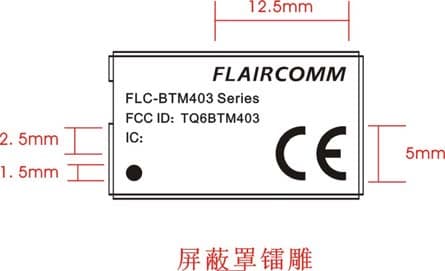
TQ6BTM403
May 24, 2011Bluetooth Module
Equipment Class
JBP - Part 15 Class B Computing Device Peripheral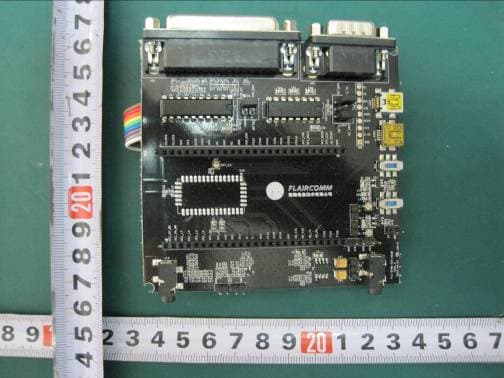
TQ6BTMDC751
Oct 11, 2010Bluetooth Module
Equipment Class
DSS - Part 15 Spread Spectrum Transmitter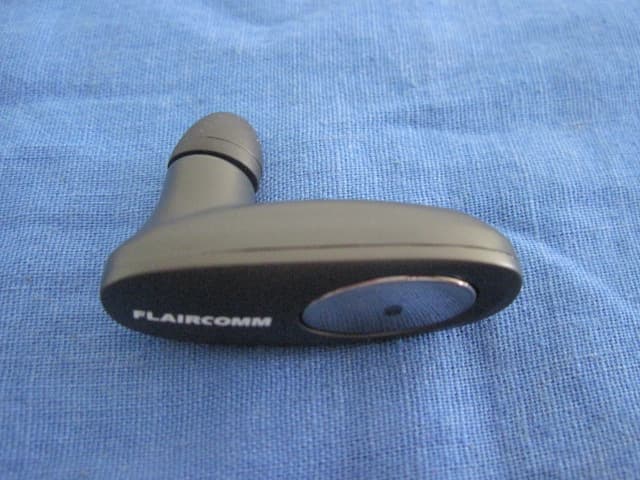
TQ6BTHF361
Aug 01, 2010Bluetooth Handsfree Speaker
Equipment Class
DSS - Part 15 Spread Spectrum Transmitter
TQ6BTAV201
Feb 03, 2008Bluetooth Multi-mode AV Adapter
Equipment Class
DSS - Part 15 Spread Spectrum Transmitter
TQ6BTHF180
Dec 06, 2007Bluetooth handsfree speaker
Equipment Class
DSS - Part 15 Spread Spectrum Transmitter