2AJRD-ISOTUNESISOtunes ORIGINAL 2.0
Haven Technologies, Inc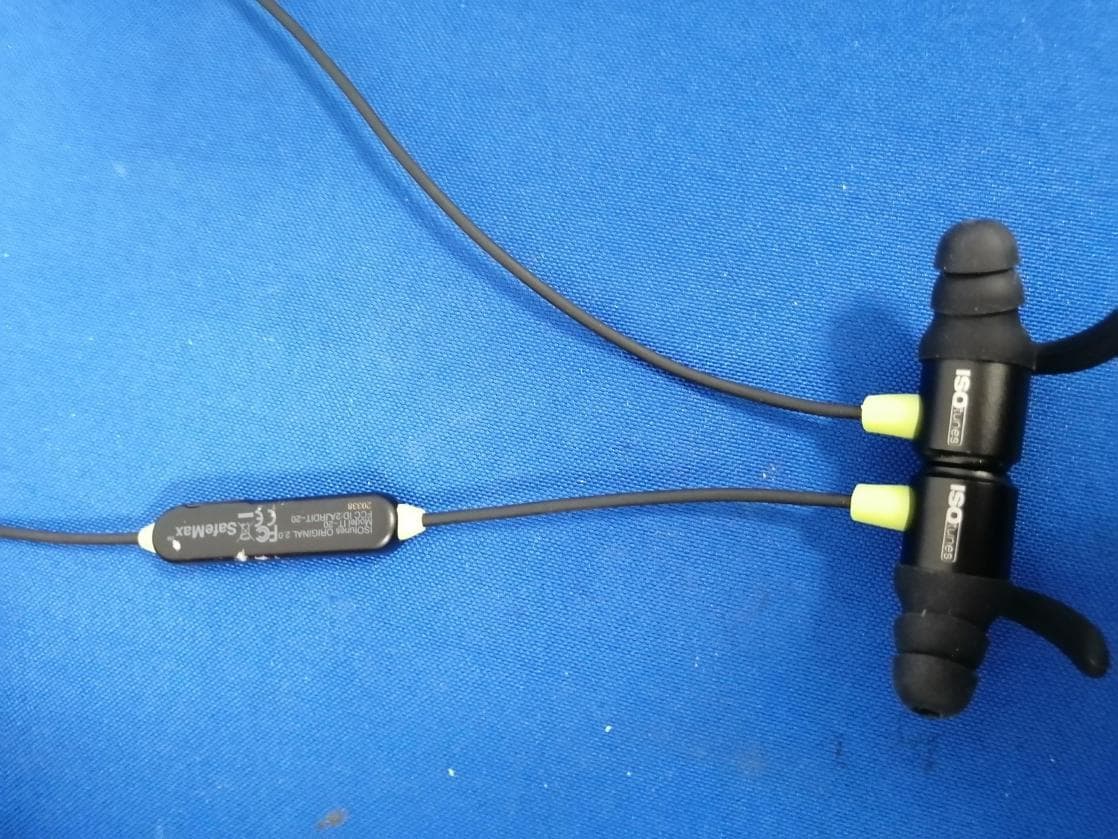
Click to zoom
Application Details
- Equipment Class
- DTS - Digital Transmission System
- Date of Grant
- Feb 19, 2021
- Application Purpose
- Original Equipment
- Date of Application
- Feb 19, 2021
- Equipment Note
- ISOtunes ORIGINAL 2.0
- Frequency Range
- 2402.00000000 - 2480.00000000
- Company
- Haven Technologies, Inc
- Country
- United States
Documents & Files
Document Text
Text extracted from the exhibit documents filed with the FCC. Open a document above to read the original.
Users Manual
Models IT-19 ORIGINAL 2.0 EN 352 IT-20 ORIGINAL 2.0 Important Please read, understand, and follow all safety information. This product is designed to protect against harmful noise. Fitting ISOtunes® ORIGINAL 2.0 comes with 4 sets of TRILOGY™ foam eartips (XS,S,M,L) and 3 sets of silicone eartips (S,M,L). Choose the size that fits most snugly in your ear canal. Remember, the snugger the fit, the better the noise blocking. The silicone eartips are intended for use when NOT in noisy situations. ISOtunes® TRILOGY™ foam eartips have a threaded core and the sound port on the earbud is also threaded. 1. Twist the foam eartip counterclockwise to remove and clockwise to place on a new foam eartip. 2. Carefully compress the foam eartip on the stem/sound port. 3. Insert the foam/eartip into your ear as deeply as is comfortable and hold for 5 seconds while the foam expands. 4. Repeat with second eartip. Hint: To open your ear canal wider, lift the top of your ear up and away from your head, as shown in FIG1. Introduction Thank you for purchasing ISOtunes® ORIGINAL 2.0 Professional Noise Isolating headphones. These headphones have been specifically designed for use in noisy environments – allowing you to block out much of the surrounding noise so that you can listen to your music or talk on the phone with less interruption. This product has been tested and meets the European Safety Standard EN352-2:2002 and the ANSI & NIOSH standards for a hearing protector, with a Single Number Rating (SNR) of 36 dB and a Noise Reduction Rating (NRR) of 27 dB. Full testing details are available in the Noise Attenuation section of this booklet. Noise Attenuation APPROVAL: ISOtunes® ORIGINAL 2.0 is tested and approved in accordance with ANSI S3.19-1974 Specifications and the European Safety Standard EN 352-2:2002. ANSI S3.19-1974 The level of noise entering a person’s ear, when ISOtunes® ORIGINAL 2.0 headphones are worn as directed, is closely approximated by the difference between the A-weighted environmental noise level and the Noise Reduction Rating (NRR). Improper fit of this device will reduce its effectiveness in attenuating noise. Consult the enclosed instructions for proper fitting. A1: Frequency (Hz) A2: Mean Attenuation (dB) A3: Standard Deviation (dB) Example: 1. The surrounding noise level measured at the ear is 100 dB. 2. The NRR of ISOtunes® ORIGINAL 2.0 is 27 dB. 3. The noise level entering the ear is approximately equal to 73dB. Please note that the NRR is based on the attenuation of continuous noise and may not be an accurate indicator of the protection attainable against impulsive noise, such as gunfire. EN352 B1: Frequency (Hz) B2: Mean Attenuation (dB) B3: Standard Deviation (dB) B4: Assumed Protection Value (APV) (dB) B5: H = Hearing protection estimation for high frequency sounds (f ≥ 2000Hz) M = Hearing protection estimation for medium frequency sounds (500 Hz < f < 2000Hz) L = Hearing protection estimation for low frequency sounds (f ≤ 500Hz) The EU declaration of conformity can be accessed at www.isotunes.co.uk/EU-declaration-of-conformity The products will be certified to the Product standard EN 352-2:2002 and the PPE Regulation 2016/425 SafeMax™ Technology ISOtunes® ORIGINAL 2.0 incorporates SafeMax™ Technology, therefore its volume output has been limited to 85 decibels (IT-20) and 79 decibels (IT-19). ISOtunes® devices with SafeMax™ Technology are OSHA, NIOSH, and ANSI compliant and, when designated, meet the European Safety Standard EN352. Cleaning and Maintenance Trilogy foam eartips are disposable. To ensure peak performance, we recommend replacing TRILOGY™ Foam Tips every three months or when they become soiled. In order to purchase additional tips, please go to www.ISOtunes.co.uk Clean your ISOtunes® ORIGINAL EN352 by gently wiping them with a clean damp cloth. Mild soap can be applied to the cloth. Do not use abrasive cleaning solvents to clean the headset. Avoid scratching the headset with sharp objects, as this may cause damage. Keep the headset away from high temperature areas. • Clean your ISOtunes ORIGINAL 2.0 by gently wiping them with a clean, damp cloth with mild soap. • Do not use abrasive cleaning solvents to clean the hearing protector. The TRILOGY™ foam eartips should be regularly inspected for deterioration, cracking, or other damage. The eartips can be cleaned in between uses with a damp cloth and water. Overtime, the eartips should be replaced. WARNINGS ISOtunes® ORIGINAL 2.0 does an excellent job of blocking outside noise. As such, ISOtunes® ORIGINAL 2.0 should NOT be used in environments where users need to be fully aware of their surroundings for personal safety reasons. For example, do NOT use them while driving a car or riding a motorcycle. Similarly, do NOT use them when riding a bicycle outside. The user is solely responsible for ensuring that ISOtunes® ORIGINAL 2.0 is used ONLY in safe environments. This product may be adversely affected by certain chemical substances. Further information may be sought from the manufacturer. These earplugs should not be used where the risk that the connecting cord could be caught up during use. Recommendations The wearer should ensure the product is properly cleaned and dry before and after use. Storage should be in a clean and dry location between -20 °C and 50 °C. The battery should not be fully discharged before long term storage. The wearer should ensure that: • The hearing protector is fitted, adjusted, and maintained in accordance with the manufacturer’s instructions. • The hearing protector is worn at all times in noisy surroundings. • The hearing protector is regularly inspected for serviceability. If these recommendations are not adhered to, the protection afforded by the hearing protector will be severely impaired. Additional Notes ISOtunes® ORIGINAL 2.0 is compliant with Bluetooth® V5. We do not guarantee compatibility of all functions on every Bluetooth®-enabled device. Please check your device’s user manual for com…
Text truncated - open the document above for the full version.
External Photos
FCCID:2AJRD-ISOTUNES
ID Label/Location Info
LabelLocationOnEUT Label FCCID:2AJRD-ISOTUNES
Internal Photos
FCCID:2AJRD-ISOTUNES ANT
Operational Description
version01 HavenTechnologies,Inc DeclarationconcerningAntennaSpecification Itisherebydeclaredthattheproduct ModelNo.: ISOtunesLITE FCCID:2AJRD-ISOTUNES fulfillstherequirementinFCCtestrelatingtotheantennatype. ThedevicespecifiedaboveconfirmstotheFCCrecommendationsforinternalantennatype(s) describedbelow: ModelNo.ofantenna:N/A Typeofantenna:CeramicAntenna Gainoftheantenna:1.5dBi Frequencyrange:2402-2480MHzforBDR+EDR+BLE Themountingoftheantennaisfixedtotheradiomoduleandnootherantennashouldbeused. Companyname:HavenTechnologies,Inc Address:1025PineHillWay,Carmel,Indiana46021USA City: Indiana ZIP/Postalcode:N/A Country:USA Place:USADate:2021-02-07 Signature:
RF Exposure Info
RFEXPOSUREEVALUATION FCCID:2AJRD-ISOTUNES AccordingtoFCC1.1310:Thecriterialistedinthefollowingtableshallbeused toevaluatetheenvironmentimpactofhumanexposuretoradiofrequency(RF) Radiationasspecifiedin§1.1307(b): RoutineSARevaluationreferstothatspecificallyrequiredby§2.1093,using measurementsorcomputersimulation.WhenroutineSARevaluationisnot required,portabletransmitterswithoutputpowergreaterthantheapplicable lowthresholdrequireSARevaluationtoqualifyforTCBapproval. TestResults:PASS. Channel (MHz) Maxoutput power (dBm) Tuneup tolerance (dBm) MaxTuneUp Power(dBm) Distance( mm) Calculation results Limit Operating Mode 24024.658 ±1 5.65851.1413 BDR 24414.433±15.43351.0923 24803.673±14.67350.9243 24026.819 ±1 7.81951.8763 EDR 24416.689 ±1 7.68951.8353 24806.045±17.04551.5953 24025.031 ±1 6.03151.2433 BLE 24404.674 ±1 5.67451.1543 24803.936±14.93650.9813
Test Report
ReportNo.:18220WC10011002FCCID:2AJRD-ISOTUNESPage1of40 Code:AB-RF-05-a FCCTESTREPORT ClientName:HavenTechnologies,Inc Address:1025PineHillWay,Carmel,Indiana46021USA ProductName:ISOtunesORIGINAL2.0 Date:Feb.07,2021 ShenzhenAnbotekComplianceLaboratoryLimited ReportNo.:18220WC10011002FCCID:2AJRD-ISOTUNESPage2of40 Code:AB-RF-05-a Contents 1.GeneralInformation ............................................................................................................................................... 5 1.1.ClientInformation ....................................................................................................................................... 5 1.2.DescriptionofDevice(EUT) ..................................................................................................................... 5 1.3.AuxiliaryEquipmentUsedDuringTest ................................................................................................... 6 1.4.DescriptionofTestModes ........................................................................................................................ 6 1.5.Listofchannels ........................................................................................................................................... 6 1.6.DescriptionOfTestSetup ......................................................................................................................... 7 1.7.TestEquipmentList .................................................................................................................................... 8 1.8.MeasurementUncertainty ......................................................................................................................... 9 1.9.DescriptionofTestFacility ........................................................................................................................ 9 2.SummaryofTestResults ................................................................................................................................... 10 3.ConductedEmissionTest ................................................................................................................................... 11 3.1.TestStandardandLimit .......................................................................................................................... 11 3.2.TestSetup .................................................................................................................................................. 11 3.3.TestProcedure .......................................................................................................................................... 11 3.4.TestData .................................................................................................................................................... 11 4.RadiationSpuriousEmissionandBandEdge ................................................................................................ 16 4.1.TestStandardandLimit .......................................................................................................................... 16 4.2.TestSetup .................................................................................................................................................. 16 4.3.TestProcedure .......................................................................................................................................... 17 4.4.TestData .................................................................................................................................................... 18 5.MaximumPeakOutputPowerTest .................................................................................................................. 26 5.1.TestStandardandLimit .......................................................................................................................... 26 5.2.TestSetup .................................................................................................................................................. 26 5.3.TestProcedure .......................................................................................................................................... 26 5.4.TestData .................................................................................................................................................... 26 6.6DBOccupyBandwidthTest ............................................................................................................................. 29 6.1.TestStandardandLimit .......................................................................................................................... 29 6.2.TestSetup .................................................................................................................................................. 29 6.3.TestProcedure .......................................................................................................................................... 29 6.4.TestData .................................................................................................................................................... 29 7.PowerSpectralDensityTest .............................................................................................................................. 32 7.1.TestStandardandLimit .......................................................................................................................... 32 7.2.TestSetup .................................................................................................................................................. 32 7.3.TestProcedure .......................................................................................................................................... 32 7.4.TestData .................................................................................................................................................... 32 8.100kHzBan…
Text truncated - open the document above for the full version.
Test Setup Photos
FCCID:2AJRD-ISOTUNES PhotoofPowerLineConductedEmissionTest PhotoofRadiationEmissionTest
Contact Information
Applicant
Austin Chen
Test Firm
Shenzhen Anbotek Compliance Laboratory LimitedJeff Zhu
Technical Specifications
| # | Rule Parts | Frequency Range | Power Output |
|---|---|---|---|
| 1 | 15C | 2.40 GHz - 2.48 GHz | 3.20 mW |
Other Applications from Haven Technologies, Inc
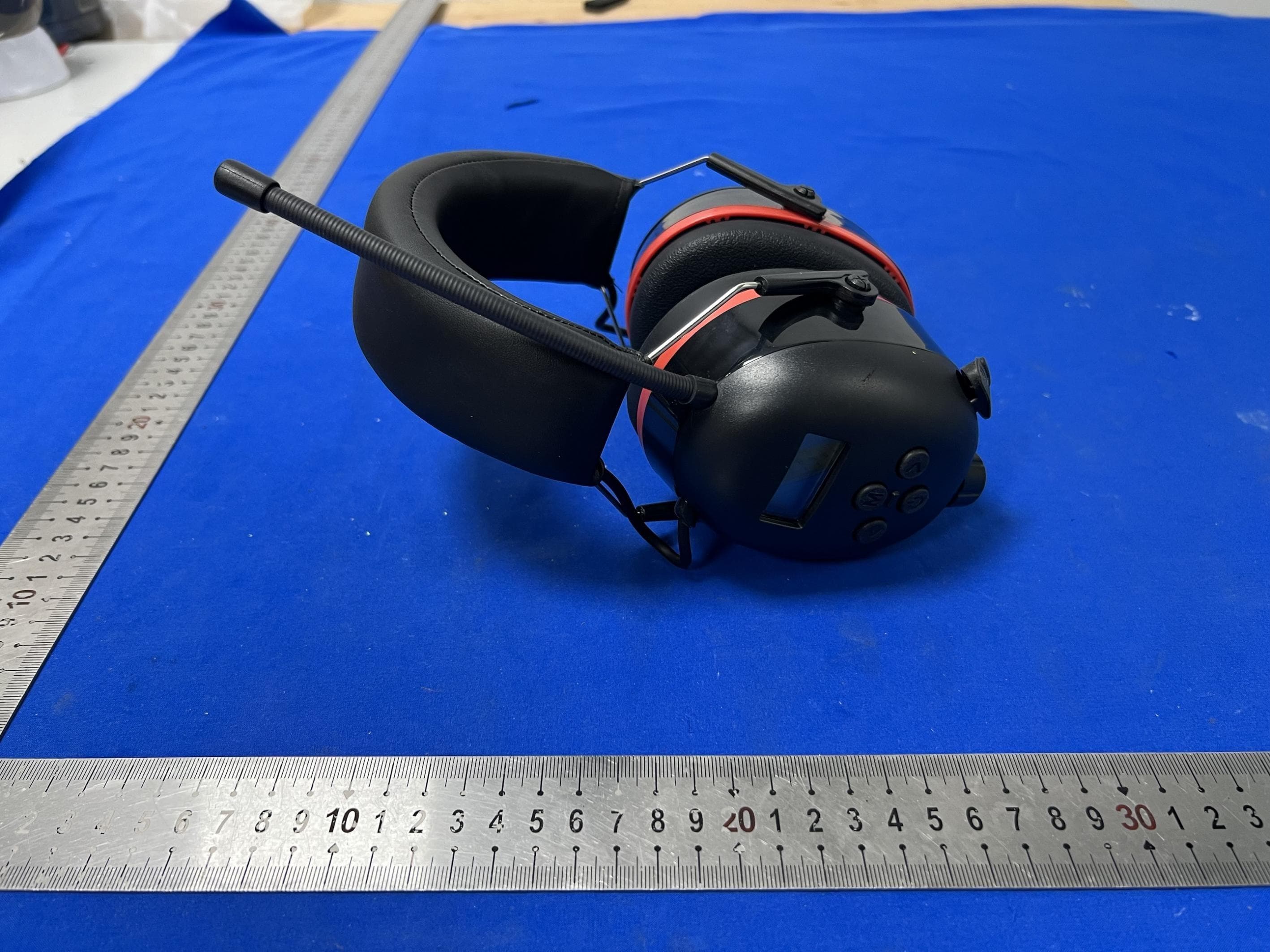
2AJRDIT-92
Jan 12, 2024Bluetooth AM/FM Radio Headphones
Equipment Class
DSS - Part 15 Spread Spectrum Transmitter
2AJRDIT-75
Mar 01, 2023Hearing Protection Earbuds
Equipment Class
DSS - Part 15 Spread Spectrum Transmitter
2AJRDIT-72
Jun 08, 2022ISOtunes Free 2.0
Equipment Class
DSS - Part 15 Spread Spectrum Transmitter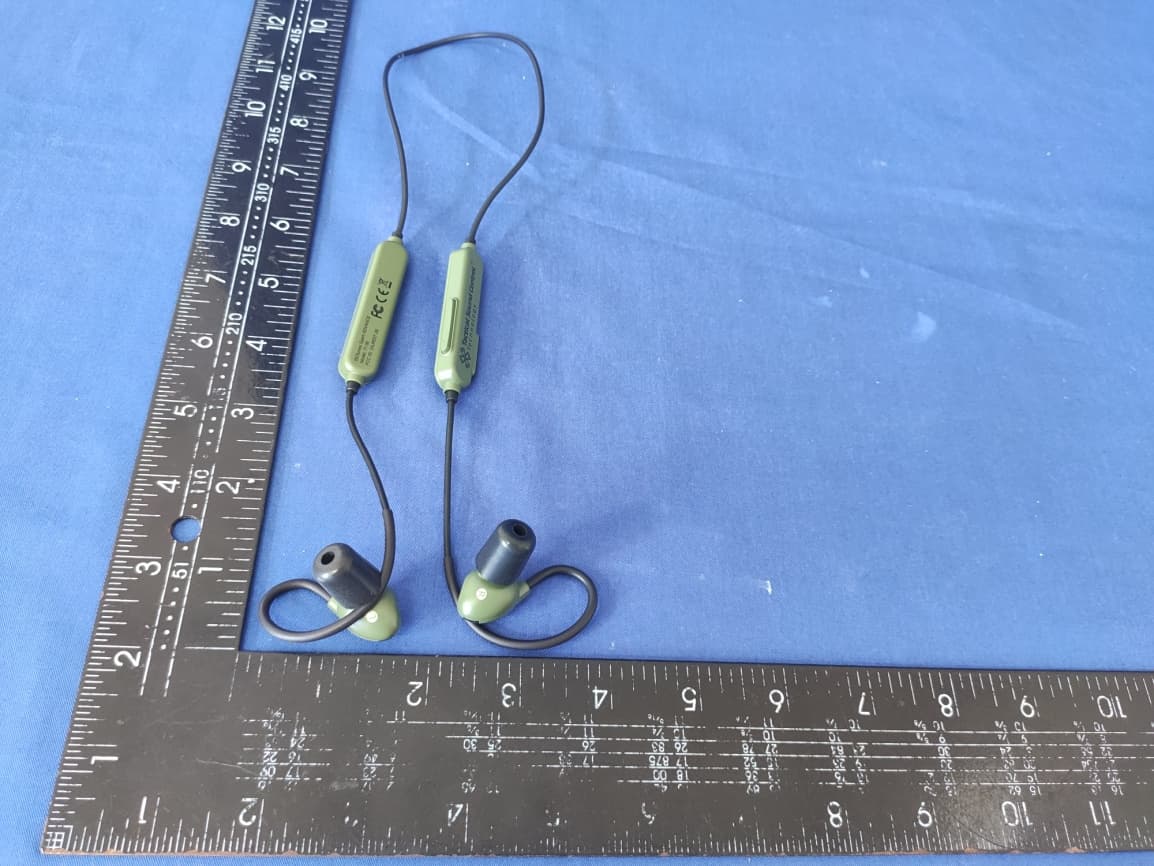
2AJRDIT-36
Nov 12, 2020Wireless Sports Earbuds
Equipment Class
DSS - Part 15 Spread Spectrum Transmitter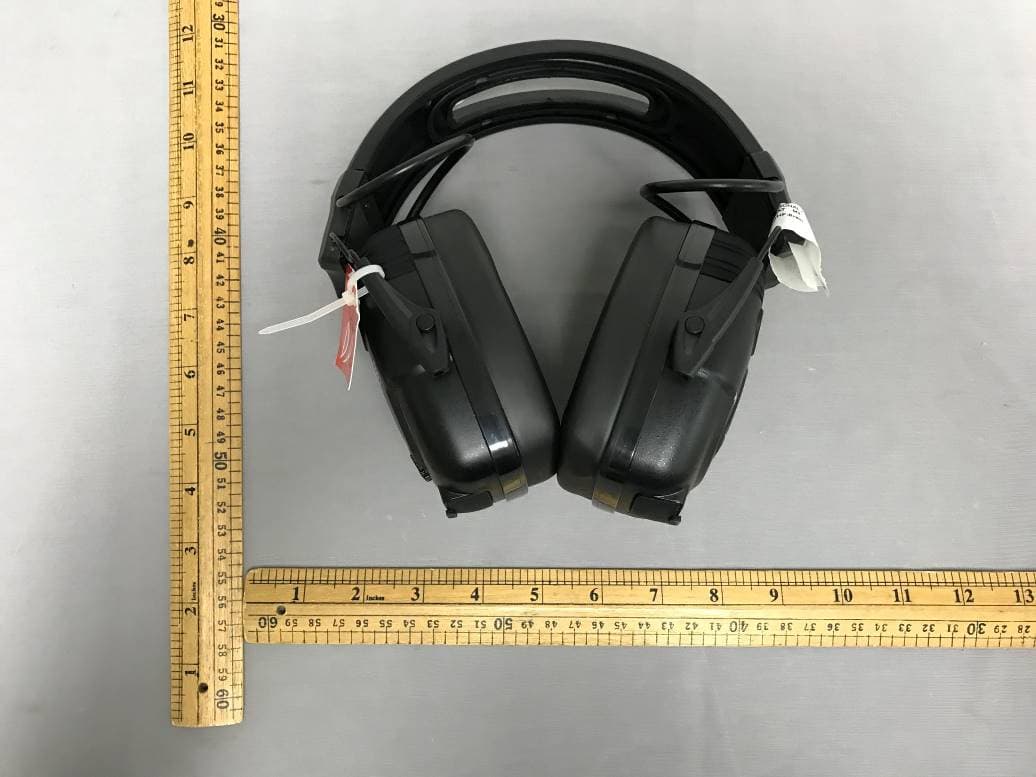
2AJRDIT-30
Oct 28, 2020HEADSET
Equipment Class
DSS - Part 15 Spread Spectrum Transmitter