NPQK1000GSM850/PCS1900 Dual Band GPRS Terminal Equip. w/BT
Telian Corporation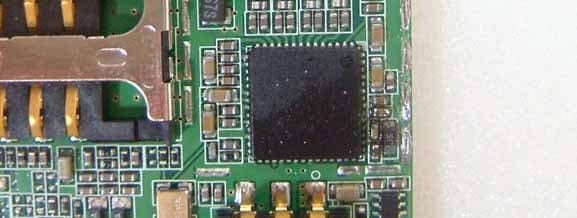
Click to zoom
Application Details
- Equipment Class
- PCE - PCS Licensed Transmitter held to ear
- Date of Grant
- Jan 24, 2008
- Application Purpose
- Original Equipment
- Date of Application
- Jan 24, 2008
- Equipment Note
- GSM850/PCS1900 Dual Band GPRS Terminal Equip. w/BT
- Frequency Range
- 1850.20000000 - 1909.80000000
- Company
- Telian Corporation
- Country
- South Korea
Documents & Files
Document Text
Text extracted from the exhibit documents filed with the FCC. Open a document above to read the original.
Users Manual
Thank you for purchasing the Kyocera K1000 Product registration is an important step toward enjoying your new product. Registering facilitates warranty service and ensures you receive any product or service updates. Registration is not required for warranty coverage. Save original product receipts for your records. Please read the enclosed Safety Information prior to use. Improvements and changes to this guide due to typographical errors, inaccuracies of current information, or improvements to the programs and /or equipment, may be made by at any time without notice. CONTENTS PRIOR TO USE 2 1. Safety Information 5 2. Unpacking 9 3. Phone Layout and Key Description 10 4. LCD Icon Description 12 5. Inserting the Battery 13 6. Inserting the SIM Card 15 BASIC FUNCTIONS 7. Power On/Off 17 8. Call Functions 18 9. Multimedia Functions 20 10. Text Input Mode 21 11. Using the phonebook 25 MENU FUNCTIONS 12. Menu Tree 27 13. Phone Book 31 14. Message Center 33 15. Call History 38 16. Settings 40 17. Multimedia 45 18. Fun & Games 52 19. User Profiles 53 20. Organizer 55 21. Services 59 PRIOR TO USE - Safety Information - Unpacking - Phone Layout and Key Description - LCD Icon Description - Inserting the Battery - Inserting the SIM card 1. Safety Information This section outlines the safety precautions associated with using your phone. Please read this information prior to use. 1. Follow all warnings and instructions as described for this phone. 2. Do not use liquid or aerosol cleaners. Use a damp cloth for cleaning. 3. Do not use the phone near water, for example, near bathroom fixtures when in use, a kitchen sink or similar scenarios. 4. Ensure the phone is secured when not in use. Rough handling or dropping the phone may cause damage. 5. Do not cover the phone’s external openings. These have been designed to prevent the phone from overheating. Never place the unit near radiators, or other sources of heat, or in a location without proper ventilation. 6. Connect the travel charger only to designated power sources as marked on your phone. If you are unsure of the compatibility with home or office power supply, contact your local agent or Power Company. 7. Ensure the power cord is positioned so that it is not subjected to damage or stress. 8. Do not overload wall outlets and extension cords. This may result in risk of fire or electric shock. 9. Do not force objects through the phones exterior openings. This may result in risk of fire or electric shock. 10. Do not attempt to disassemble the phone. Use only Brightstar authorized service centers. 11. Unplug the phone from the wall outlet and refer to an Brightstar authorized service center when the following conditions are true: a. Liquids have spilled unto the phone. b. The phone has been exposed to extreme humidity. c. The phone functions abnormally when following regular operating instructions. d. The unit has been dropped or is visibly damaged. e. The phone exhibits distinct changes in performance. f. The power cord or travel charger is damaged or frayed. 12. Do not use the phone to report a gas leak in the near vicinity of the leak. 13. NEVER attempt to remove the antenna while the phone is in use or switched on. Always disconnect the AC power supply and remove the batteries before removing the antenna. Failure to follow these precautions may result in damage to the phone and void the warranty. 14. In the event of a power failure calls in progress may be disconnected. 15. Replace the batteries every six months to ensure proper service and sufficient talk-time during power failures. 16. Making changes to Network Settings in your phone may affect the performance of your phone. Please read instructions prior to use. 17. External memory cards (micro SD) support up to 2GB of storage and it may not be compatible with your phone. 18. Phone numbers, messages and other data stored in the phone can be lost inadvertently. Save important data prior to removing the memory card and turning off the phone. 19. Remember to back up important information periodically unto the external memory card as a precautionary measure. Guidelines for Safe and Efficient Use Hold your phone as you would any other phone, with the antenna pointed up and over your shoulder. Do not cover the antenna when the phone is in use, this affects call quality and may cause the phone to operate at a higher power level than otherwise needed. As with any other radio transmitting equipment, you are advised that for the satisfactory operation of your phone and for your own safety, use your phone only in the normal operating position. Vehicle Use Safety comes first. Use your phone responsibly while driving Please observe the following safety tips: When driving a car, driving is your first responsibility. Use a headset or hands-free kit, when available. Program important numbers to your phone when possible and keep calls to a minimum. Pull off the road and park your vehicle before making or answering a call when a hand-free kit is not available. Suspend calls in progress during hazardous driving conditions. Radio Frequency (RF) Exposure and SAR This phone is designed and manufactured not to exceed limits for exposure to radio frequency (RF) energy set by the Federal Communications Commission (FCC) of the U.S. Government. These limits are part of comprehensive guidelines and establish permitted levels of RF energy for the general population. The guidelines are based on standards that were developed by independent scientific organizations through periodic and thorough evaluation of scientific studies. The standards include a substantial safety margin designed to assure the safety of all persons, regardless of age or health. The exposure standard for this phone employs a unit of measurement known as the Specific absorption Rate, or SAR. The SAR limits set by the FCC are 1.6W/kg. Tests for SAR are conducted using standard operating positions accepted by the FCC with the phone transmitting at its highest …
Text truncated - open the document above for the full version.
Cover Letter(s)
4th ~ 7th Fl. Namjeun Bldg. 53-3 Haan-Dong Gwangmyung-Si, Kyunggido-Do, 423-060, Korea January 07, 2008 MET Laboratories Inc. 914 W. Patapsco Ave. Baltimore, MD 21230 In re: Telian Corporation. FCC ID: NPQK1000 Request for Confidentiality Gentlemen: In accordance with 0.457 and 0.459 of CFR 47, Telian Corporation. hereby requests confidentiality of the Block diagram(Block Diagram_ NPQK1000.pdf), Schematics(Schematic_ NPQK1000.pdf), Parts list(Part List_ NPQK1000.pdf) and Operational description(Operational Description_ NPQK1000.pdf). These documents contain detailed system and equipment description and related information about the product which Telian Corporation. considers to be proprietary, confidential, and a custom design and, otherwise, would not release to the general public. Since this design is a basis from which future technological products will evolve, Telian Corporation. considers that this information would be of benefit to its competitors, and that the disclosure of the information in these documents would give competitors an unfair advantage in the market. Sincerely, W.H WHANG/Senior Engineer
Cover Letter(s)
4th ~ 7th Fl. Namjeun Bldg. 53-3 Haan-Dong Gwangmyung-Si, Kyunggido-Do, 423-060, Korea January 07, 2008 Federal Communications Commission Equipment Authorization Branch 7435 Oakland Mills Road Columbia, MD 21046 LETTER OF AUTHORIZATION To whom it may concern: We, the undersigned, hereby authorize DIGITAL EMC Co., Ltd., to act on our behalf in all manners relating to application for equipment authorization for FCC ID: NPQK1000 including signing of all documents relating to these matters. Any and all acts carried out by DIGITAL EMC Co., Ltd., on our behalf shall have the same affect as acts of our own. This authorization is valid until further written notice from Telian Corporation. Sincerely, W.H WHANG/Senior Engineer
Cover Letter(s)
4th ~ 7th Fl. Namjeun Bldg. 53-3 Haan-Dong Gwangmyung-Si, Kyunggido-Do, 423-060, Korea January 07, 2008 MET Laboratories Inc. 914 W. Patapsco Ave. Baltimore, MD 21230 In re: Telian Corporation. FCC ID: NPQK1000 Request for Short-Term Confidentiality To Whom It May Concern: In accordance with 0.457 and 0.459 of CFR 47, Telian Corporation. requests short-term Confidentiality of following sections of this application for a period of 45 days after grant is issued. Test setup photos(Test Photo_ NPQK1000.pdf) External photos(Ext Photo_ NPQK1000.pdf) Internal photos(Int Photo_ NPQK1000.pdf) User’s manual(User Manual_ NPQK1000.pdf) These documents contain detailed system and equipment descriptions and related information about the product, which Telian Corporation. considers to be proprietary, confidential, and a custom design and otherwise, would not release to the general public. Since this design is a basis from which future technological products will evolve, Telian Corporation. feels that this information would be of benefit to its competitors, and that the disclosure of the information in these documents would give our competitors an unfair advantage in the market. Sincerely, W.H WHANG/Senior Engineer
External Photos
FCCID: NPQK1000 Copyright ᎒ 2008, DIGITAL EMC Co., Ltd. View 1 G FCCID: NPQK1000 Copyright ᎒ 2008, DIGITAL EMC Co., Ltd. View 2 G FCCID: NPQK1000 Copyright ᎒ 2008, DIGITAL EMC Co., Ltd. View 3 GGG
ID Label/Location Info
FCC ID: NPQK1000 Copyright Ⓒ 2008, DIGITAL EMC Co., Ltd. FCC ID SAMPLE LABEL & LOCATION LABELLING REQUIREMENTS PER §2.925 The Label shown shall be permanently affixed at a conspicuous location on the device and be readily visible to the user at the time of purchase FCC ID: NPQK1000 Copyright Ⓒ 2008, DIGITAL EMC Co., Ltd. FCC ID SAMPLE LABEL & LOCATION
Internal Photos
FCC ID: NPQK1000 Copyright ᎒ 2008, DIGITAL EMC Co., Ltd. View 1 FCC ID: NPQK1000 Copyright ᎒ 2008, DIGITAL EMC Co., Ltd. View 2 G FCC ID: NPQK1000 Copyright ᎒ 2008, DIGITAL EMC Co., Ltd. View 3 G FCC ID: NPQK1000 Copyright ᎒ 2008, DIGITAL EMC Co., Ltd. View 4 G FCC ID: NPQK1000 Copyright ᎒ 2008, DIGITAL EMC Co., Ltd. View 5 G G FCC ID: NPQK1000 Copyright ᎒ 2008, DIGITAL EMC Co., Ltd. View 6(GSM Antenna) G G FCC ID: NPQK1000 Copyright ᎒ 2008, DIGITAL EMC Co., Ltd. View 7(Bluetooth antenna) G GG
Parts List/Tune Up Info
Applicant : Telian Corp. FCC ID : NPQK1000 TUNE-UP PROCEDURE There are no user accessible adjustments or tuning in this GSM phone. All necessary adjustments and tuning are performed during manufacture of the product. Any adjustments or tuning after service or repair are done as part of that process as special equipment is required to perform such adjustments.
RF Exposure Info
- 1 - MODELK1000 NODated Department / Person in charge Contents of Revision (Page/Contents) Valid Dated (REMARK) Revision Sheet SB TELCOM CO., LTD - 2 - Product Specification Mechanical Engineer RF Engineer Check by Approve by 2008-1-192008-1-192008-1-19 PART NAMEINTENNA MODEL K1000 CODE- Attached Documents NO.Table of Contents REMARK (PAGE) 1Revision sheet1 2Product Specification1 3Specifications8 4Electrical measured Data3 5Drawing1 6 7 8 9 10 11 TOTAL14 Please approve this product with specifications. 2008. 1. 19 Address : #25-49 Juan5-Dong Nam-Ku, Inchon Korea Trade Name : SB TELCOM,. LTD. Substitute : President Eung - Soon, Chang(sign) SB TELCOM CO., LTD - 3 - Antenna Specifications MODELK1000 Cover sheet REV00PAGE1/8 Antenna Specifications MODEL : K1000 (INTENNA) #25-49 Juan5-Dong, Nam-Ku, Inchon, Korea (주)에스비텔콤 SB TELCOM CO. ,LTD. SB TELCOM CO., LTD - 4 - Antenna Specifications MODELK1000 Table of Contents REV00PAGE2/8 -TableofContents- 1. Technical Properties 1.1GeneralProperties ----- 3 PAGE 1.2ElectricalProperties ----- 3 PAGE 1.3 Mechanical Properties - - - - 3 PAGE 1.4Packing----- 4 PAGE 2. Electrical Properties 2.1 Frequency bands - - - - - 5 PAGE 2.2Impedance----- 5 PAGE 3. Mechanical Properties 3.1Dimensions----- 6 PAGE 3.2DropTest----- 6 PAGE 4. Environmental Resistance Properties 4.1 Examination Environmental Condition -7PAGE 4.2Humidity----- 7 PAGE 4.3 Temperature Cycling - - - - -7 PAGE 4.4 Acid Proof Examination - - - -8 PAGE 4.5 Salt Spray Test- - - - -8 PAGE SB TELCOM CO., LTD - 5 - Antenna Specifications MODEL K1000 1. Technical Properties REV00PAGE3/8 1. Technical Properties 1.1 General Properties 1.2 Electrical Properties 1.3 Mechanical Properties MODELNSB0694-0000850/1900-TL016BK00 ANTENNA TYPEINTENNA APPLICATIONSGSM850 / GSM900 / DCS1800 / PCS1900 FREQUENCY RANGE GSM850824 ~ 894 MHz GSM900880 ~ 960 MHz DCS18001710 ~ 1880 MHz PCS19001850 ~ 1990 MHz IMPEDANCE(NOMINAL)50Ω V.S.W.RLESS THAN 2.0 : 1 RADIATION PATTERNOMNI-DIRECTIONAL POLARIZATIONVERTICAL SIZE33.0mm × 17.8mm ×8.25mm TEMPERATURE-40 °C ~ +85°C CONNECTOR TYPEPIN CONTACT TYPE SB TELCOM CO., LTD - 6 - Antenna Specifications MODELK1000 1. Technical Properties REV00PAGE4/8 1.4 Packing 1) Packing Condition 50ea of antennas are placed on a pad (375 x 270 x 17) according to FIG. 1 (FIG.1) A box contains 20 PAD and 1,000 antennas be packing(20 x 50 = 1,000) according to FIG .2 (FIG.2) 2) Remarks A change of packing material shall be executed with mutual approval between buyer and supplier. SB TELCOM CO., LTD - 7 - Antenna Specifications MODELK1000 2. Electrical Properties REV00PAGE5/8 2. Electrical Properties 2.1 Frequency Range defined in section 1.2 2.2 Impedance 1) Nominal Value : 50Ω 2) Method To measure the appropriate impedance with the frequency desired after connecting a handset with the antenna installed to the reflection point from the network analyzer to FIG 3. (FIG.3) SB TELCOM CO., LTD - 8 - Antenna Specifications MODELK1000 3. Mechanical Properties REV00PAGE6/8 3. Mechanical Properties 3.1 Dimensions Thedevicedimensionsshallconformto"DRAWINGS" 3.2 Drop Test The antenna is attached to the handset or an equivalent test fixture. The handset is dropped with the antenna downward from the height of 1.5m onto a steel panel with thickness of 10mm prepared on the ground. (FIG.4) SB TELCOM CO., LTD - 9 - Antenna Specifications MODELK1000 4. Environmental Resistance Properties REV00PAGE7/8 4. Environmental Resistance Properties 4.1 Examination Environmental Condition The antenna is placed at temperature 20C±5°Cand humidity 25%~80%(Under 55% RH) for executing all testes (Electrical, Mechanical and Environmental Tests). 4.2 Humidity Temperature : 85C±2°C Humidity : 85%RH±2 The antenna is placed in a climatic chamber for 120 hours. It not must be above in appearance and function. 4.3 Temperature Cycling The antenna is placed in a climate chamber. The temperature is cycled as follows: Thetemperatureiskeptconstantat-40Cfor 1hour,keptconstantat+25C for1/2hour,keptconstantat+85Cfor1hour, keptat+25Cfor1/2hour. This procedure is repeated 5 times. The procedures are executed based on KSC-0222. (FIG.5) SB TELCOM CO., LTD - 10 - Antenna Specifications MODELK1000 4. Environmental Resistance Properties REV00PAGE8/8 4.4 Acid proof examination Acidity : PH-4.6 Time : 48 Hr Leaving alone It not must be above in appearance and function. 4.5 Salt spray test Temperature : 35°C±2°C Salinity: with 5% 72Hr it examines It not must be above in appearance and function. SB TELCOM CO., LTD - 11 - Antenna Characteristic DataMODELK1000 DataREV00PAGE SB TELCOM CO., LTD - 1 -
RF Exposure Info
G G Copyright ̺ c 2008, DIGITAL EMC Co., Ltd. PROBE CALIBRATION
RF Exposure Info
G Copyright ̺ c 200 8, DIGITAL EMC Co., Ltd. DIPOLE CALIBRATION G Copyright ̺ c 200 8, DIGITAL EMC Co., Ltd. 1. 835 Dipole Calibration G Copyright ̺ c 2008, DIGITAL EMC Co., Ltd. 2. 1900 Dipole Calibration
RF Exposure Info
DEMC#DR50110801E Copyright ○ c 2008, DIGITAL EMC Co., Ltd. Page 1 of 24 683-3, Yubang-Dong, Yongin-Si, Kyunggi-Do, Korea. 449-080 Tel: +82-31-321-2664 Fax: +82-31-321-1664 http://www.digitalemc.com SAR TEST REPORT Dates of Tests: January 03~04, 2008 Test Report S/N:DR50110801E Test Site : DIGITAL EMC CO., LTD. FCC ID APPLICANT FCC Classification: Licensed Portable Transmitter Held to Ear (PCE) EUT Type: GSM850/PCS1900 Dual Band GPRS Terminal with Bluetooth Equipment Model Name K1000 Brand Name Kyocera Test Device Serial No.: Identical prototype TX Frequency Range: 824.20 ~848.80 MHz (GSM850) 1850.20 ~ 1909.80 MHz (PCS1900) RX Frequency Range: 869.2 ~893.8 MHz (GSM850) 1930.2 ~ 1989.8 MHz (PCS1900) Max. RF Output Power: 1.963 W ERP GSM850 (32.93dBm) 0.746 W EIRP PCS1900 (28.73dBm) Max. SAR Measurement: 1.220 mW/g GSM850 Head SAR // 1.100 mW/g GSM850 GPRS Body SAR 0.995 mW/g PCS1900 Head SAR // 0.925 mW/g PCS1900 GPRS Body SAR Application Type: Certification Rule Part(s): §2.1093; FCC/OET Bulletin Supplement C[July 2001] Data of issue: January 10, 2008 Tested by : Reviewed by : Sun-Kyu Ryu (Engineer) Harvey Sung (Chief Engineering Director) This wireless portable device has been shown to be capable of compliance for localized specific absorption rate (SAR) for uncontrolled environment/general population exposure limits specified in ANSI/IEEE Std. C95.1-1992 and had been tested in accordance with the measurement procedures specified in FCC/OET Bulletin 65 Supplement C (2001) and IEEE Std. 1528-2003. I attest to the accuracy of data. All measurements reported herein were performed by me or were made under my supervision and are correct to the best of my knowledge and belief. I assume full responsibility for the completeness of these measurements and vouch for the qualifications of all persons taking them. NPQK1000 Telian Corporation DEMC#DR50110801E Copyright ○ c 2008, DIGITAL EMC Co., Ltd. Page 2 of 24 1. INTRODUCTION ...................................................................................................... 3 SAR DEFINITION .................................................................................................... 3 2. SAR MEASUREMENT SETUP......................................................................................... 4 Robotic System.......................................................................................................... 4 System Hardware ....................................................................................................... 4 System Electronics...................................................................................................... 4 3. DASY4 E-FIELD PROBE SYSTEM................................................................................... 5 Probe Measurement System......................................................................................... 5 Probe Specifications .................................................................................................... 5 4. Probe Calibration Process............................................................................................ 6 Dosimetric Assessment Procedure.................................................................................. 6 Free Space Assessment ............................................................................................... 6 Temperature Assessment ............................................................................................ 6 5. PHANTOM & EQUIVALENT TISSUES.............................................................................. 7 SAM Phantom ........................................................................................................... 7 Brain & Muscle Simulating Mixture Characterization ....................................................... 7 Device Holder for Transmitters..................................................................................... 7 6. TEST SYSTEM SPECIFICATIONS.................................................................................. 8 Automated Test System Specifications.......................................................................... 8 7. DOSIMETRIC ASSESSMENT & PHANTOM SPECS ........................................................... 9 Measurement Procedure............................................................................................. 9 Specific Anthropomorphic Mannequin (SAM) Specifications.............................................. 9 8. DEFINITION OF REFERENCE POINTS .......................................................................... 10 EAR Reference Point................................................................................................... 10 Handset Reference Points............................................................................................ 10 9. TEST CONFIGURATION POSITIONS ............................................................................. 11 Positioning for Cheek/Touch ........................................................................................ 11 Positioning for Ear /15° Tilt ......................................................................................... 12 Body Holster /Belt Clip Configurations .......................................................................... 13 10. ICNIRP GUIDELINES RF EXPOSURE LIMITS.................................................................. 14 Uncontrolled Environment ........................................................................................... 14 Controlled Environment............................................................................................... 14 11. MEASUREMENT UNCERTAINTIES............................................................................... 15 SAR Measurement Uncertainties .................................................................................. 15 12. SYSTEM VERIFICATION.......................................................................…
Text truncated - open the document above for the full version.
RF Exposure Info
DEMC#DR50110801E Copyright Ⓒ 2008, DIGITAL EMC Co., Ltd. SAR TEST SET UP PHOTO DEMC#DR50110801E Copyright Ⓒ 2008, DIGITAL EMC Co., Ltd. View 1 DEMC#DR50110801E Copyright Ⓒ 2008, DIGITAL EMC Co., Ltd. View 2( Left Touch / Tilt) DEMC#DR50110801E Copyright Ⓒ 2008, DIGITAL EMC Co., Ltd. View 3( Right Touch / Tilt) DEMC#DR50110801E Copyright Ⓒ 2008, DIGITAL EMC Co., Ltd. View 6 (Body)
RF Exposure Info
DIGITAL EMC CO., LTD DUT: Dipole 835 MHz; Type: D835V2; Serial: D835V2 - SN:464 Communication System: CW; Frequency: 835 MHz;Duty Cycle: 1:1 Medium parameters used: f = 835 MHz; σ = 0.906 mho/m; ε r = 41.4; ρ = 1000 kg/m 3 Phantom section: Flat Section DASY4 Configuration: Probe: ET3DV6 - SN1702; ConvF(6.34, 6.34, 6.34); Calibrated: 2007-03-20; Electronics: DAE3 Sn520 Phantom: SAM with 835MHz; Type: SAM; Serial: TP-1223 Measurement SW: DASY4, V4.7 Build 55; Postprocessing SW: SEMCAD, V1.8 Build 176 Test Date: 2008-01-04; Ambient Temp: 21.8; Tissue Temp: 21.7 Dipole Validation Area Scan (51x101x1): Measurement grid: dx=15mm, dy=15mm Zoom Scan (7x7x7)/Cube 0: Measurement grid: dx=5mm, dy=5mm, dz=5mm Power Drift = -0.015 dB Peak SAR (extrapolated) = 3.65 W/kg SAR(1 g) = 2.45 mW/g; SAR(10 g) = 1.61 mW/g 0 dB = 2.63mW/g DIGITAL EMC CO., LTD DUT: Dipole 1900 MHz; Type: D1900V2; Serial: D1900V2 - SN:5d029 Communication System: CW; Frequency: 1900 MHz;Duty Cycle: 1:1 Medium parameters used: f = 1900 MHz; σ = 1.43 mho/m; ε r = 40; ρ = 1000 kg/m 3 Phantom section: Flat Section DASY4 Configuration: Probe: ET3DV6 - SN1702; ConvF(5.27, 5.27, 5.27); Calibrated: 2007-03-20; Electronics: DAE3 Sn520 Phantom: SAM 1800/1900 MHz; Type: SAM; Serial: TP-1224 Measurement SW: DASY4, V4.7 Build 55; Postprocessing SW: SEMCAD, V1.8 Build 176 Test Date: 2008-01-03; Ambient Temp: 22.0; Tissue Temp: 21.8 Dipole Validation Area Scan (51x81x1): Measurement grid: dx=15mm, dy=15mm Zoom Scan (7x7x7)/Cube 0: Measurement grid: dx=5mm, dy=5mm, dz=5mm Power Drift = -0.061 dB Peak SAR (extrapolated) = 18.8 W/kg SAR(1 g) = 9.83 mW/g; SAR(10 g) = 4.84 mW/g 0 dB = 11.2mW/g DIGITAL EMC CO., LTD DUT: K1000; Type: Bar Type Communication System: GSM 850; Frequency: 824.2 MHz;Duty Cycle: 1:8.3 Medium parameters used: f = 824.2 MHz; σ = 0.896 mho/m; ε r = 41.5; ρ = 1000 kg/m 3 Phantom section: Right Section DASY4 Configuration: Probe: ET3DV6 - SN1702; ConvF(6.34, 6.34, 6.34); Calibrated: 2007-03-20; Electronics: DAE3 Sn520 Phantom: SAM with 835MHz; Type: SAM; Serial: TP-1223 Measurement SW: DASY4, V4.7 Build 55; Postprocessing SW: SEMCAD, V1.8 Build 176 Date: 2008-01-04; Ambient Temp: 21.8; Tissue Temp:21.7 Right Touch GSM Ch.128, Ant Internal, Standard Battery Area Scan (61x91x1): Measurement grid: dx=15mm, dy=15mm Zoom Scan (5x5x7)/Cube 0: Measurement grid: dx=8mm, dy=8mm, dz=5mm Power Drift = -0.023 dB Peak SAR (extrapolated) = 0.847 W/kg SAR(1 g) = 0.615 mW/g; SAR(10 g) = 0.419 mW/g 0 dB = 0.648mW/g DIGITAL EMC CO., LTD DUT: K1000; Type: Bar Type Communication System: GSM 850; Frequency: 836.6 MHz;Duty Cycle: 1:8.3 Medium parameters used: f = 836.6 MHz; σ = 0.907 mho/m; ε r = 41.8; ρ = 1000 kg/m 3 Phantom section: Right Section DASY4 Configuration: Probe: ET3DV6 - SN1702; ConvF(6.34, 6.34, 6.34); Calibrated: 2007-03-20; Electronics: DAE3 Sn520 Phantom: SAM with 835MHz; Type: SAM; Serial: TP-1223 Measurement SW: DASY4, V4.7 Build 55; Postprocessing SW: SEMCAD, V1.8 Build 176 Date: 2008-01-04; Ambient Temp: 21.8; Tissue Temp:21.7 Right Touch GSM Ch.190, Ant Internal, Standard Battery Area Scan (61x91x1): Measurement grid: dx=15mm, dy=15mm Zoom Scan (5x5x7)/Cube 0: Measurement grid: dx=8mm, dy=8mm, dz=5mm Power Drift = 0.022 dB Peak SAR (extrapolated) = 1.29 W/kg SAR(1 g) = 0.922 mW/g; SAR(10 g) = 0.624 mW/g 0 dB = 0.974mW/g DIGITAL EMC CO., LTD DUT: K1000; Type: Bar Type Communication System: GSM 850; Frequency: 848.8 MHz;Duty Cycle: 1:8.3 Medium parameters used: f = 848.8 MHz; σ = 0.918 mho/m; ε r = 41.7; ρ = 1000 kg/m 3 Phantom section: Right Section DASY4 Configuration: Probe: ET3DV6 - SN1702; ConvF(6.34, 6.34, 6.34); Calibrated: 2007-03-20; Electronics: DAE3 Sn520 Phantom: SAM with 835MHz; Type: SAM; Serial: TP-1223 Measurement SW: DASY4, V4.7 Build 55; Postprocessing SW: SEMCAD, V1.8 Build 176 Date: 2008-01-04; Ambient Temp: 21.8; Tissue Temp:21.7 Right Touch GSM Ch.251, Ant Internal, Standard Battery Area Scan (61x91x1): Measurement grid: dx=15mm, dy=15mm Zoom Scan (5x5x7)/Cube 0: Measurement grid: dx=8mm, dy=8mm, dz=5mm Power Drift = -0.106 dB Peak SAR (extrapolated) = 1.58 W/kg SAR(1 g) = 1.16 mW/g; SAR(10 g) = 0.790 mW/g 0 dB = 1.23mW/g DIGITAL EMC CO., LTD DUT: K1000; Type: Bar Type Communication System: GSM 850; Frequency: 836.6 MHz;Duty Cycle: 1:8.3 Medium parameters used: f = 836.6 MHz; σ = 0.907 mho/m; ε r = 41.8; ρ = 1000 kg/m 3 Phantom section: Right Section DASY4 Configuration: Probe: ET3DV6 - SN1702; ConvF(6.34, 6.34, 6.34); Calibrated: 2007-03-20; Electronics: DAE3 Sn520 Phantom: SAM with 835MHz; Type: SAM; Serial: TP-1223 Measurement SW: DASY4, V4.7 Build 55; Postprocessing SW: SEMCAD, V1.8 Build 176 Date: 2008-01-04; Ambient Temp: 21.8; Tissue Temp:21.7 Right Tilt GSM Ch.190, Ant Internal, Standard Battery Area Scan (61x91x1): Measurement grid: dx=15mm, dy=15mm Zoom Scan (5x5x7)/Cube 0: Measurement grid: dx=8mm, dy=8mm, dz=5mm Power Drift = -0.034 dB Peak SAR (extrapolated) = 0.852 W/kg SAR(1 g) = 0.460 mW/g; SAR(10 g) = 0.292 mW/g 0 dB = 0.490mW/g DIGITAL EMC CO., LTD DUT: K1000; Type: Bar Type Communication System: GSM 850; Frequency: 824.2 MHz;Duty Cycle: 1:8.3 Medium parameters used: f = 824.2 MHz; σ = 0.896 mho/m; ε r = 41.5; ρ = 1000 kg/m 3 Phantom section: Left Section DASY4 Configuration: Probe: ET3DV6 - SN1702; ConvF(6.34, 6.34, 6.34); Calibrated: 2007-03-20; Electronics: DAE3 Sn520 Phantom: SAM with 835MHz; Type: SAM; Serial: TP-1223 Measurement SW: DASY4, V4.7 Build 55; Postprocessing SW: SEMCAD, V1.8 Build 176 Date: 2008-01-04; Ambient Temp: 21.8; Tissue Temp:21.7 Left Touch GSM Ch.128, Ant Internal, Standard Battery Area Scan (61x91x1): Measurement grid: dx=15mm, dy=15mm Zoom Scan (5x5x7)/Cube 0: Measurement grid: dx=8mm, dy=8mm, dz=5mm Power Drift = 0.031 dB Peak SAR (extrapolated) = 0.805 W/kg SAR(1 g) = 0.582 mW/g; SAR(10 g) = 0.399 mW/g 0 dB = 0.619mW/g DIGITAL EMC CO., LTD DUT: K1000; Type: Bar Type Communication System: GSM 850; Frequency: 836.6 MHz;Duty Cycle: 1:8.3 Medium parameters used: f =…
Text truncated - open the document above for the full version.
Test Report
DEMC#DR50110801J Copyright ○ c 2008, DIGITAL EMC Co., Ltd. Page 1 of 48 683-3, Yubang-Dong, Yongin-Si, Kyunggi-Do, Korea. 449-080 Tel: +82-31-321-2664 Fax: +82-31-321-1664 http://www.digitalemc.com CERTIFICATE OF COMPLIANCE FCC Part 22 & 24 Certification Dates of Tests: January 4 ~ 11, 2008 Test Report S/N:DR50110801J Test Site : DIGITAL EMC CO., LTD. FCC ID. APPLICANT Classification : Licensed Portable Transmitter Held to Ear (PCE) FCC Rule Part(s) : §22(H), §24(E), §2 EUT Type : GSM850 / PCS1900 Dual Band GPRS Terminal Equipment with Bluetooth Model name : K1000 Brand name : Kyocera Serial number : Identical prototype TX Frequency Range : 824.2 ~ 848.8 MHz (GSM850) / 1850.2 ~ 1909.8 MHz (PCS1900) RX Frequency Range : 869.2 ~ 893.8 MHz (GSM850) / 1930.2 ~ 1989.8 MHz (PCS1900) Max. RF Output Power : 1.963 W ERP GSM850 : 0.746 W EIRP PCS1900 Max. SAR Measurement : 1.220 mW/g GSM850 Head SAR // 1.100 mW/g GSM850 GPRS Body SAR : 0.995 mW/g PCS1900 Head SAR // 0.925 mW/g PCS1900 GPRS Body SAR Date of Issue : January 15, 2008 NPQK1000 Telian Corporation DEMC#DR50110801J Copyright ○ c 2008, DIGITAL EMC Co., Ltd. Page 2 of 48 TABLE OF CONTENTS ◈ CONFIDENTIALITY LETTER ◈ AUTHOLIZATION LETTER ◈ TEST REPORT 1 SCOPE 3 2 INTRODUCTION 4 3 TEST REPORT 5 3.1 SUMMARY OF TEST 5 3.2 POWER OUTPUT 6 3.3 OCUPIED BANDWIDTH 13 3.4 OCCUPIED BANDWIDTH EMISSION LIMIT 17 3.5 SPURIOUS EMISSION AT ANT. TERMINAL 23 3.6 FIELD STRENGTH OF SPURIOUS RADIATION 33 3.7 FREQUENCY STABILITY 40 4 TEST EQUIPMENT 45 5 EMISSION DESIGNATOR 47 6 CONCLUSION 48 ◈ PART LOCATION ◈ FCC ID LABEL & LOCATION ◈ TEST SETUP PHOTOGRAPHS ◈ EXTERNAL PHOTOGRAPHS ◈ INTERNAL PHOTOGRAPHS ◈ BLOCK DIAGRAM(S) ◈ SCHEMATIC DIAGRAM(S) ◈ OPERATIONAL DESCRIPTION ◈ PARTS LI S T ◈ USER’S MANUAL ◈ SAR TEST REPORT ◈ SAR VALIDATION PLOTS ◈ SAR TEST PLOTS ◈ SAR TEST SETUP PHOTOGRAPHS ◈ PROBE CALIBRATION ◈ DIPOLE CALIBRATION DEMC#DR50110801J Copyright ○ c 2008, DIGITAL EMC Co., Ltd. Page 3 of 48 MEASUREMENT REPORT 1. Scope Measurement and determination of electromagnetic emissions (EME) of radio frequency devices including intentional and/or unintentional radiators for compliance with the technical rules and regulations of the Federal Communications Commission. §2.1033 General Information z FCC ID: z Qu…
Text truncated - open the document above for the full version.
Contact Information
Applicant
Wayne Hwang(CTO)
Test Firm
DT&C Co.,Changho Lee
Technical Specifications
| # | Rule Parts | Frequency Range | Power Output | Emission | Tolerance |
|---|---|---|---|---|---|
| 2 | 24E | 1.85 GHz - 1.91 GHz | 746.00 mW | 225KGXW | 2.5 ppm |
Other Applications from Telian Corporation

NPQI405
Aug 06, 2007GSM850 / PCS1900 Dual Band GPRS Terminal with BT
Equipment Class
DSS - Part 15 Spread Spectrum Transmitter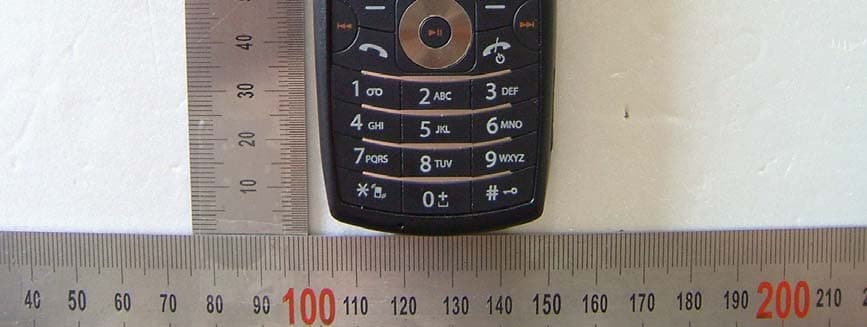
NPQI170
Jun 05, 2007GSM850/PCS1900 Dual Band GPRS Terminal with BT
Equipment Class
PCE - PCS Licensed Transmitter held to ear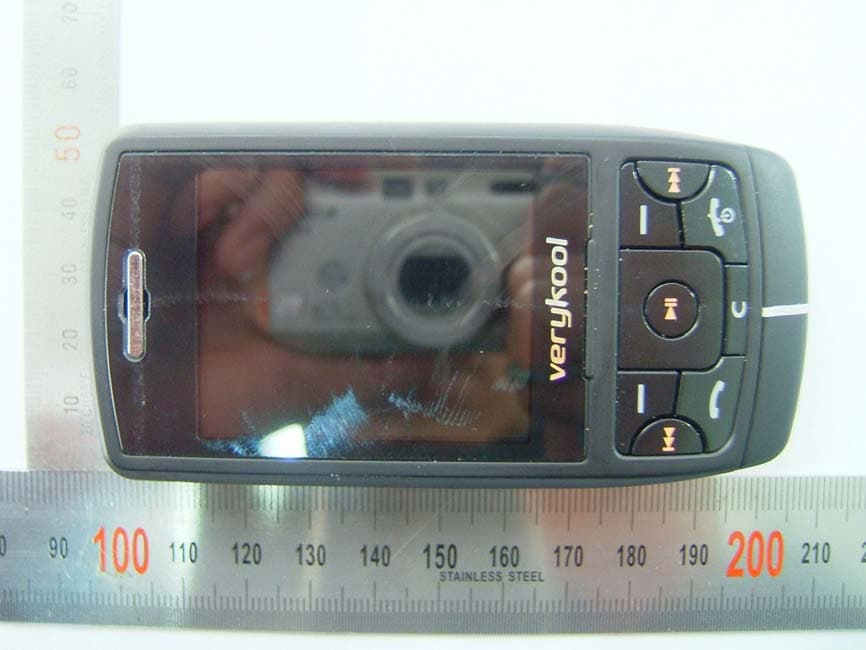
NPQMGQ9180
Mar 13, 2007Quad-Band GSM/GPRS Handset with Bluetooth
Equipment Class
DSS - Part 15 Spread Spectrum Transmitter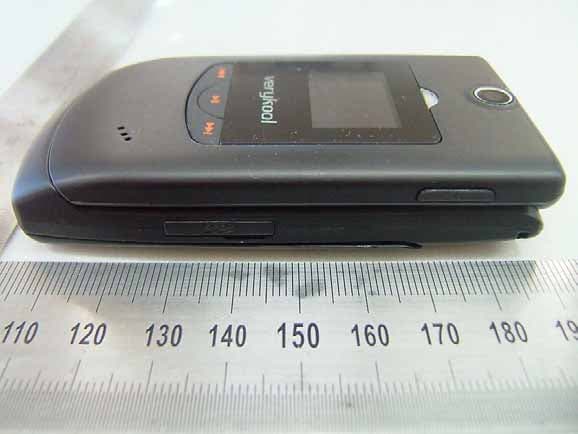
NPQMGQ7180
Feb 27, 2007Quad-Band GSM/GPRS Handset with Bluetooth
Equipment Class
PCE - PCS Licensed Transmitter held to ear
NPQFGD6280
Sep 27, 2006GSM850/PCS1900 Dual Band WLL Terminal
Equipment Class
PCB - PCS Licensed Transmitter