PBKMS010015Finger Print Reader
Precise Biometrics AB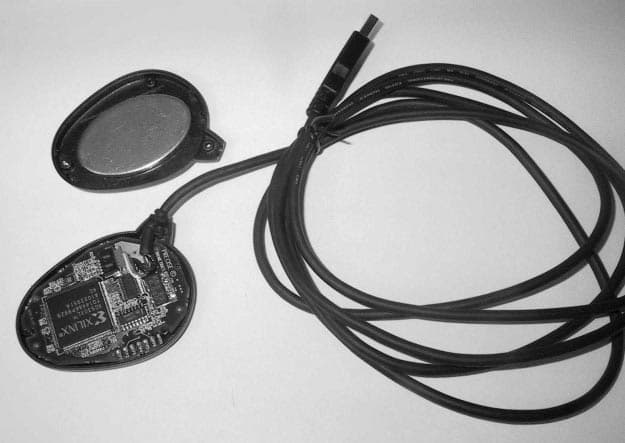
Click to zoom
Application Details
- Equipment Class
- JBP - Part 15 Class B Computing Device Peripheral
- Date of Grant
- Aug 22, 2001
- Application Purpose
- Original Equipment
- Date of Application
- Aug 22, 2001
- Equipment Note
- Finger Print Reader
- Company
- Precise Biometrics AB
- Country
- Sweden
Documents & Files
Document Text
Text extracted from the exhibit documents filed with the FCC. Open a document above to read the original.
Users Manual
User’s Guide for Precise 100 A Precise 100 Logon 2.1 Windows NT/2000 Fingerprint Identification System Precise 100 A Notice Electromagnetic Compatibility (EMC) Notices For Europe: This digital equipment fulfils the requirements for radiated emission according to limit B of EN55022: 1994 and the requirements for immunity according to EN55024: 1998 residential, commercial and light industry. For the U.S.A.: FCC For Precise 100 SC reader: This device complies with part 15 of the FCC Rules. Operation is subject to the following two conditions: 1) This device may not cause harmful interference, and 2) this device must accept any interference received, including interference that may cause undesired operation. For Precise 100 A reader: This device complies with part 15, subpart B, class B of the FCC Rules demonstrated by compliance with EN55022: 1994, class B. Operation is subject to the following two conditions: 1) This device may not cause harmful interference, and 2) this device must accept any interference received, including interference that may cause undesired operation. The information in this user’s manual is protected by copyright and may not be repro- duced in any form without written consent from Precise Biometrics. The information in this user’s manual is subject to change without notice. Precise Biometrics shall not be liable for any technical or editorial errors herein, nor for incidental or consequential damages resulting from the use of this book. This user’s guide is published by Precise Biometrics, without any warranty. The Precise 100 Logon 2.1 software is protected by copyright of Precise Biometrics. © Precise Biometrics AB, 2001 [email protected] www.precisebiometrics.com Phone +46 (0)46 31 11 00 Fax +46 (0)46 31 11 01 Address: Dag Hammarskjölds v 2 SE-224 64 Lund Sweden All rights reserved. Third Edition April 2001 P/N: AM010005 R3B 2 3 Content Chapter 1 Introduction5 What’s New in Precise Logon 2.1 5 Precise 100 A – the Fingerprint Reader 6 Why Use Fingerprint Technology? 7 About Precise 100 Family 8 Possible configuration 8 Icons and Conventions 9 Chapter 2 Installation10 Minimum System Requirements 11 Preparing Installation 12 Setting the Parallel Port 12 Connecting the Fingerprint Reader to the Computer 13 Installing the Fingerprint Identification Software 14 Installing the Precise 100 Logon 2.1 Software 15 Precise Demo 16 Port Configuration 17 Attaching the Fingerprint Reader 18 Replacing the Adhesive Tape18 Chapter 3 Using the Fingerprint Reader19 Placing Your Finger Correctly on the Fingerprint Reader 20 Correct Finger Placement 20 Fingerprint Reader Maintenance 25 Chapter 4 Personal Enrolment – Administrating Your Own User Account26 Administrating Your Own User Account 26 Biometric and Non-Biometric Users 26 Enrolment via the Windows Security Screen 27 4 Chapter 5 NOTE:Chapter 5 is for administrators. Users without administrator rights do not have access to the BioManager. The BioManager for Domains32 Introduction to BioManager for Domains33 Biometric and Non-Biometric Users 33 Accessing the BioManager 34 Changing Domain 34 About Primary Logon Fingers 35 About Passwords 35 Auto-generated Passwords 36 About the Security Level 37 Setting the Security Level 38 Passwords and Security Level 38 Fingerprint Registration 39 Beginning Fingerprint Registration of a New User 39 Beginning Fingerprint Registration of an Existing User 41 Continue Fingerprint Registration 42 Checking and Changing a User’s Properties 45 Deleting a User 46 Chapter 6 Logging on47 Logging on with Fingerprint48 Logging on with a Password 50 Chapter 7 Locking and Unlocking51 Locking a Workstation 52 Unlocking a Workstation 53 Unlocking with Fingerprint 53 Unlocking with a Password 54 Chapter 8 Troubleshooting 55 Password Troubleshooting 56 Chapter 9 Uninstalling57 Uninstalling the Precise 100 Logon 2.1 Software on Windows NT57 Uninstalling the Precise 100 Logon 2.1 Software on Windows 2000 58 Uninstalling the Precise 100 Parallel Drivers58 Glossary 59 5 Chapter 1 Congratulations on selecting Precise Biometrics’ Fingerprint Identification System! Using your fingerprint for identification is an easy and secure way to prove your identity. Please read this chapter before you install and use the system. This chapter includes the following information: • What’s new in Precise Logon 2.1 • The fingerprint reader • The fingerprint identification process • Why use fingerprint technology? • The Precise 100 family • Icons and conventions What’s New in Precise Logon 2.1 Three new main features are introduced with the Precise 100 Logon 2.1 software: 1.To enable biometric logon to a network, the installation of Precise 100 Logon 2.1 software is onlyneeded on the client PCs. There is no need for any additional software installation on the domain server. 2.The domain administrator has the possibility to remotely administrate user accounts on the domain server by using the BioManager for Domains application, i.e. administration can be done from any workstation in the network having the Precise 100 Logon 2.1 installed. The BioManager for Domains application is included in the Precise 100 Logon 2.1 software. 3.The user has the possibility to remotely (i.e. from his own PC) enrol and re-enrol fingerprints, changing primary logon finger etc. for his own user account, called personal enrolment. Introduction Chapter 1 Introduction Precise 100 A The Fingerprint Reader The fingerprint reader includes a sensor for reading fingerprints. When you place your finger on the fingerprint reader, the part of the finger that touches the sensor is read. The sensor measures the capacitance in the finger pad, which reveals the pattern of the fingerprint. Thus, a paper copy with a picture of a fingerprint can not grant access to the system. The Precise 100 A fingerprint reader The Fingerprint Identification Process When logging into a system, your fingerprint is compared to a fingerprint template, i.e. a data file containing infor…
Text truncated - open the document above for the full version.
Cover Letter(s)
Document No P100/LET/0032/PB Author Håkan Lohmander Date 2001-08-14 Revision A Page 1/1 Precise Biometrics AB Address: Phone: Fax: E-mail: WWW: Dag Hammarskjölds väg 2 +46(46)311100 +46(46)311101 [email protected] www.precisebiometrics.com SE-224 64 Lund, Sweden Request for Confidentiality Tuesday, 14 August 2001 American Telecommunications Certification Body, Inc. 6731 Whittier Avenue Suite C110 McLean, VA 22101 RE: Certification Application FCC ID: PBKMS010015 Please be advised that the following information is to be held confidential and behalf of Precise Biometrics AB: • This Letter • Schematics • Block Diagram • Bill of Materials (Parts List) • Circuit description and statement of how the device operates The application contains technical information, which Precise Biometrics AB deems to be trade secrets and proprietary. If made public, the information might be used to the disadvantage of the applicant in the market place. Thank you for your attention to this matter. Håkan Lohmander
External Photos
Document No P100/LET/0028/PB Author Håkan Lohmander Date 2001-07-02 Revision A Page 1/3 Precise Biometrics AB Address: Phone: Fax: E-mail: WWW: Dag Hammarskjölds väg 2 +46(46)311100 +46(46)311101 [email protected] www.precisebiometrics.com SE-224 64 Lund, Sweden External photographs of the Precise 100 A USB fingerprint reader for FCC Certification Document No: P100/LET/0028/PB Date: 2001-07-02 Revision: A Page: 2/3 Precise 100 A USB Precise 100 A USB Document No: P100/LET/0028/PB Date: 2001-07-02 Revision: A Page: 3/3 Precise 100 A USB
ID Label/Location Info
Document No P100/LET/0034/PB Date 2001-08-13 Revision A Page 1/2 Precise Biometrics AB Address: Phone: Fax: E-mail: WWW: Dag Hammarskjölds väg 2 +46(46)311100 +46(46)311101 [email protected] www.precisebiometrics.com SE-224 64 Lund, Sweden FCC ID Label Location and Information for Precise 100 A USB Fingerprint Reader Document No: P100/LET/0034/PB Date: 2001-08-13 Revision: A Page: 2/2 Label size: Ca 39 mm x ca 18 mm. Label type: Self-adhesive label. FCC text: PBKMS010015. FCC font: 8 point Helvetica Neue Cond. Below: Drawing of label to be placed on backside of reader. Position of label on backside of reader FCC ID: PBKMS010015 Ca 18 mm Ca 39 mm FCC ID: PBKMS010015 Ca 18 mm Ca 39 mm
Internal Photos
Document No P100/LET/0029/PB Author Håkan Lohmander Date 2001-07-02 Revision A Page 1/2 Precise Biometrics AB Address: Phone: Fax: E-mail: WWW: Dag Hammarskjölds väg 2 +46(46)311100 +46(46)311101 [email protected] www.precisebiometrics.com SE-224 64 Lund, Sweden Internal Photographs of Precise 100 A USB Document No: P100/LET/0029/PB Date: 2001-07-02 Revision: A Page: 2/2 Front Back
Test Report
DANAK-195236 DELTA-K221128-7 Page 1 of 11 DELTA Danish Electronics, Light & Acoustics Venlighedsvej 4 DK-2970 Hørsholm Denmark Tel. (+45) 45 86 77 22 Fax (+45) 45 86 58 98 www.delta.dk This report is issued under the rules of DANAK (The Danish Accreditation Scheme) − see overleaf. The report must not be reproduced, except in full, without the written approval of DELTA. 20dan-uk-c Measurements of radio frequency interference from Fingerprint Reader Precise 100 A USB Veridicom Performed for Precise Biometrics AB Project no.: K221128-7 Date: 2000-10-09 TEST REPORT DANAK Reg. no. 19 6 annexes LIABILITY The following provisions shall apply in respect of accre- dited testing and calibration tasks conducted by DELTA Danish Electronics, Light & Acoustics (herein- after DEL- TA) and of test reports and calibration certificates issued by DELTA. 1. DELTA shall not be liable for any loss or damage un- less it is established that such loss or damage results from negligence or breach of duty on the part of DELTA. 2. The procedures used for testing/calibration and the preparation of the present test report/calibration certificate are based on the knowledge and techniques available to DELTA at the time of testing/calibration. DELTA shall not be held liable should subsequent technical developments indicate that such knowledge or techniques were inade- quate or incorrect. 3. DELTA shall not be liable for loss or damage -in cases where the product causing such loss or damage has not been tested by DELTA, except where it is estab- lished that such product is identical to one tested or ex- amined by DELTA, or -in cases where such loss or damage results from a property of a product or of a use, to which such product is put, which either has not been tested or examined and de- scribed in the present report or differs from DELTA’s de- scription in that report of the properties of the product or of uses to which it might be put. 4. DELTA will in no event be liable for consequential losses such as, but not limited to, loss of profit. 5. Should a third party enter a claim for compensation which exceeds the limits for DELTA’s liability as set out in § 1-4 above, then defence against any such claim shall be the responsibility of the Client if DELTA so requires, and all costs of such defence and of any litigation in con- nection therewith shall be borne by the Client. Should DELTA be held liable or otherwise be ordered to make payments in excess of the limits set out in § 1-4, then the Client shall be obliged to indemnify and hold DELTA harmless in respect of such excess. 6. Any dispute arising out of or relating to this Test Re- port shall be referred to Copenhagen Arbitration. The inter- pretation and performance of this Test Report shall be gov- erned by and construed in accordance with the laws of Denmark. DANAK (DANISH ACCREDITATION) DANAK was established in 1991 in pursuance of the In- dustry and Trade Promotion Act No. 394 of 13 June 1990. The scheme is a continuation of the accreditation scheme established in 1973 under the auspices of the former Dan- ish National Testing Board (STP). The requirements to the accredited testing laboratories are laid down in the Danish Agency for Development of Trade and Industry Statutory Order No. 258 of 11 April 1994 on accreditation of laboratories to perform technical testing etc. The standards DS/EN 45001 „General criteria for the oper- ation of testing laboratories“ and DS/EN 45002 „General criteria for the assessment of testing laboratories“ are inte- grated parts of the statutory order. In order to obtain accreditation to perform technical testing it is, among other things, required: -that the testing laboratory and its personnel are free from any commercial, financial and other pressures which might influence their technical judgement. -that the testing laboratory operates a quality system which is documented. -that the testing laboratory is furnished with items of -equipment required for correct performance of the tests and measurements which the laboratory is accredited to perform. -that the testing laboratory has sufficient personnel, having the necessary education, training, technical knowl- edge and experience for their assigned functions. -that the testing laboratory has procedures for traceable calibration of equipment used for accredited testing. -that accredited testing is performed after fully docu- mented methods. -that the testing laboratory has records which contain sufficient information to permit repetition of the test. -that the testing laboratory is assessed and surveyed by DANAK on a regular basis. - that the accredited laboratory shall take out an insur- ance which will cover liability in connection with accred- ited testing Test reports carrying the logo of DANAK are used to re- port accredited testing and the logo shows that the testing has been performed in accordance with the rules of ac- creditation. DANAK-195236 DELTA-K221128-7 Page 2 of 11 PeH/aed Title Measurements of radio frequency interference from Fingerprint Reader Precise 100 A USB Veridicom Test object Precise 100 A USB Veridicom Report no. DANAK-195236 Project no. K221128-7 Date of test 2000-04-10 Client Precise Biometrics AB Dag Hamerskjölds väg 2 S – 224 64 Lund Sweden Telephone: +46 46 311100 Telefax:+46 46 311101 Contact person Mr. Håkan Lohmander Manufacturer Precise Biometrics AB Specifications EN 55022:1994 (CISPR 22:1993 + A1:1995 + A2:1996) class B + A1:1995 + A2:1997 FCC part 15 Subpart B class B demonstrated by compliance with EN 55022:1994, class B. Results The emission from the test object was below the limit of the above specifications. Test personnel Henrik Egeberg Nielsen Date 2000-10-09 Project manager Per Hansen, Facility Manager, EMC DELTA Responsible Jørgen Duvald Christensen, Department Manager, EMC DELTA The client has received this report in electronic form. DELTA keeps a paper copy of the report. DANAK-195236 DELTA-K221128-7 Page 3 of 11 PeH/aed Table of conte…
Text truncated - open the document above for the full version.
Test Report
DANAK-195237 DELTA-K221128-8 Page 1 of 11 DELTA Danish Electronics, Light & Acoustics Venlighedsvej 4 DK-2970 Hørsholm Denmark Tel. (+45) 45 86 77 22 Fax (+45) 45 86 58 98 www.delta.dk This report is issued under the rules of DANAK (The Danish Accreditation Scheme) − see overleaf. The report must not be reproduced, except in full, without the written approval of DELTA. 20dan-uk-c Measurements of radio frequency interference from Fingerprint Reader Precise 100 A USB Infineon Performed for Precise Biometrics AB Project no.: K221128-8 Date: 2000-09-26 TEST REPORT DANAK Reg. no. 19 6 annexes LIABILITY The following provisions shall apply in respect of accre- dited testing and calibration tasks conducted by DELTA Danish Electronics, Light & Acoustics (herein- after DEL- TA) and of test reports and calibration certificates issued by DELTA. 1. DELTA shall not be liable for any loss or damage un- less it is established that such loss or damage results from negligence or breach of duty on the part of DELTA. 2. The procedures used for testing/calibration and the preparation of the present test report/calibration certificate are based on the knowledge and techniques available to DELTA at the time of testing/calibration. DELTA shall not be held liable should subsequent technical developments indicate that such knowledge or techniques were inade- quate or incorrect. 3. DELTA shall not be liable for loss or damage -in cases where the product causing such loss or damage has not been tested by DELTA, except where it is estab- lished that such product is identical to one tested or ex- amined by DELTA, or -in cases where such loss or damage results from a property of a product or of a use, to which such product is put, which either has not been tested or examined and de- scribed in the present report or differs from DELTA’s de- scription in that report of the properties of the product or of uses to which it might be put. 4. DELTA will in no event be liable for consequential losses such as, but not limited to, loss of profit. 5. Should a third party enter a claim for compensation which exceeds the limits for DELTA’s liability as set out in § 1-4 above, then defence against any such claim shall be the responsibility of the Client if DELTA so requires, and all costs of such defence and of any litigation in con- nection therewith shall be borne by the Client. Should DELTA be held liable or otherwise be ordered to make payments in excess of the limits set out in § 1-4, then the Client shall be obliged to indemnify and hold DELTA harmless in respect of such excess. 6. Any dispute arising out of or relating to this Test Re- port shall be referred to Copenhagen Arbitration. The inter- pretation and performance of this Test Report shall be gov- erned by and construed in accordance with the laws of Denmark. DANAK (DANISH ACCREDITATION) DANAK was established in 1991 in pursuance of the In- dustry and Trade Promotion Act No. 394 of 13 June 1990. The scheme is a continuation of the accreditation scheme established in 1973 under the auspices of the former Dan- ish National Testing Board (STP). The requirements to the accredited testing laboratories are laid down in the Danish Agency for Development of Trade and Industry Statutory Order No. 258 of 11 April 1994 on accreditation of laboratories to perform technical testing etc. The standards DS/EN 45001 „General criteria for the oper- ation of testing laboratories“ and DS/EN 45002 „General criteria for the assessment of testing laboratories“ are inte- grated parts of the statutory order. In order to obtain accreditation to perform technical testing it is, among other things, required: -that the testing laboratory and its personnel are free from any commercial, financial and other pressures which might influence their technical judgement. -that the testing laboratory operates a quality system which is documented. -that the testing laboratory is furnished with items of -equipment required for correct performance of the tests and measurements which the laboratory is accredited to perform. -that the testing laboratory has sufficient personnel, having the necessary education, training, technical knowl- edge and experience for their assigned functions. -that the testing laboratory has procedures for traceable calibration of equipment used for accredited testing. -that accredited testing is performed after fully docu- mented methods. -that the testing laboratory has records which contain sufficient information to permit repetition of the test. -that the testing laboratory is assessed and surveyed by DANAK on a regular basis. - that the accredited laboratory shall take out an insur- ance which will cover liability in connection with accred- ited testing Test reports carrying the logo of DANAK are used to re- port accredited testing and the logo shows that the testing has been performed in accordance with the rules of ac- creditation. DANAK-195237 DELTA-K221128-8 Page 2 of 11 PeH/aed Title Measurements of radio frequency interference from Fingerprint Reader Precise 100 A USB Infineon Test object Precise 100 A USB Infineon Report no. DANAK-195237 Project no. K221128-8 Dates of test 2000-08-30 Client Precise Biometrics AB Dag Hamerskjölds väg 2 S – 224 64 Lund Sweden Telephone: +46 46 311100 Telefax:+46 46 311101 Contact person Mr. Håkan Lohmander Manufacturer Precise Biometrics AB Specifications EN 55022:1994 (CISPR 22:1993 + A1:1995 + A2:1996) class B + A1:1995 + A2:1997 FCC part 15 Subpart B class B demonstrated by compliance with EN 55022:1994, class B. Results The emission from the test object was below the limit of the above specifications. Test personnel Henrik Egeberg Nielsen Date 2000-09-26 Project manager Per Hansen, Facility Manager, EMC DELTA Responsible Jørgen Duvald Christensen, Department Manager, EMC DELTA The client has received this report in electronic form. DELTA keeps a paper copy of the report. DANAK-195237 DELTA-K221128-8 Page 3 of 11 PeH/aed Table of content…
Text truncated - open the document above for the full version.
Test Setup Photos
Document No P100/LET/0030/PB Author Håkan Lohmander Date 2001-07-02 Revision A Page 1/6 Precise Biometrics AB Address: Phone: Fax: E-mail: WWW: Dag Hammarskjölds väg 2 +46(46)311100 +46(46)311101 [email protected] www.precisebiometrics.com SE-224 64 Lund, Sweden Photos from the Delta test report Measurements of radio frequency interference from Fingerprint Reader Precise 100 A USB Veridicom (K221128-7) Document No: P100/LET/0030/PB Date: 2001-07-02 Revision: A Page: 2/6 This document contains the photos included in the Delta Test Report Measurements of radio frequency interference from Fingerprint Reader Precise 100 A USB (K221128-7). PHOTO A2.1 PHOTO A2.2 Document No: P100/LET/0030/PB Date: 2001-07-02 Revision: A Page: 3/6 PHOTO A3.1 PHOTO A3.2 Document No: P100/LET/0030/PB Date: 2001-07-02 Revision: A Page: 4/6 PHOTO A4.1 PHOTO A4.2 Document No: P100/LET/0030/PB Date: 2001-07-02 Revision: A Page: 5/6 PHOTO A5.1 PHOTO A5.2 Document No: P100/LET/0030/PB Date: 2001-07-02 Revision: A Page: 6/6 PHOTO A6.1
Contact Information
Applicant
Per-Ola Olsson(Staff Engineer, Hardware Development)
Technical Contact
Precise Biometrics ABHakan Lohmander
[email protected]46 46 31 11 00
Dag Hammarskjoldsvag 2 · Lund · Sweden
Test Firm
DELTA Electronic TestingJorgen Christensen
Technical Specifications
| # | Rule Parts | Frequency Range | Power Output |
|---|---|---|---|
| 1 | 15B | - | - |
Other Applications from Precise Biometrics AB
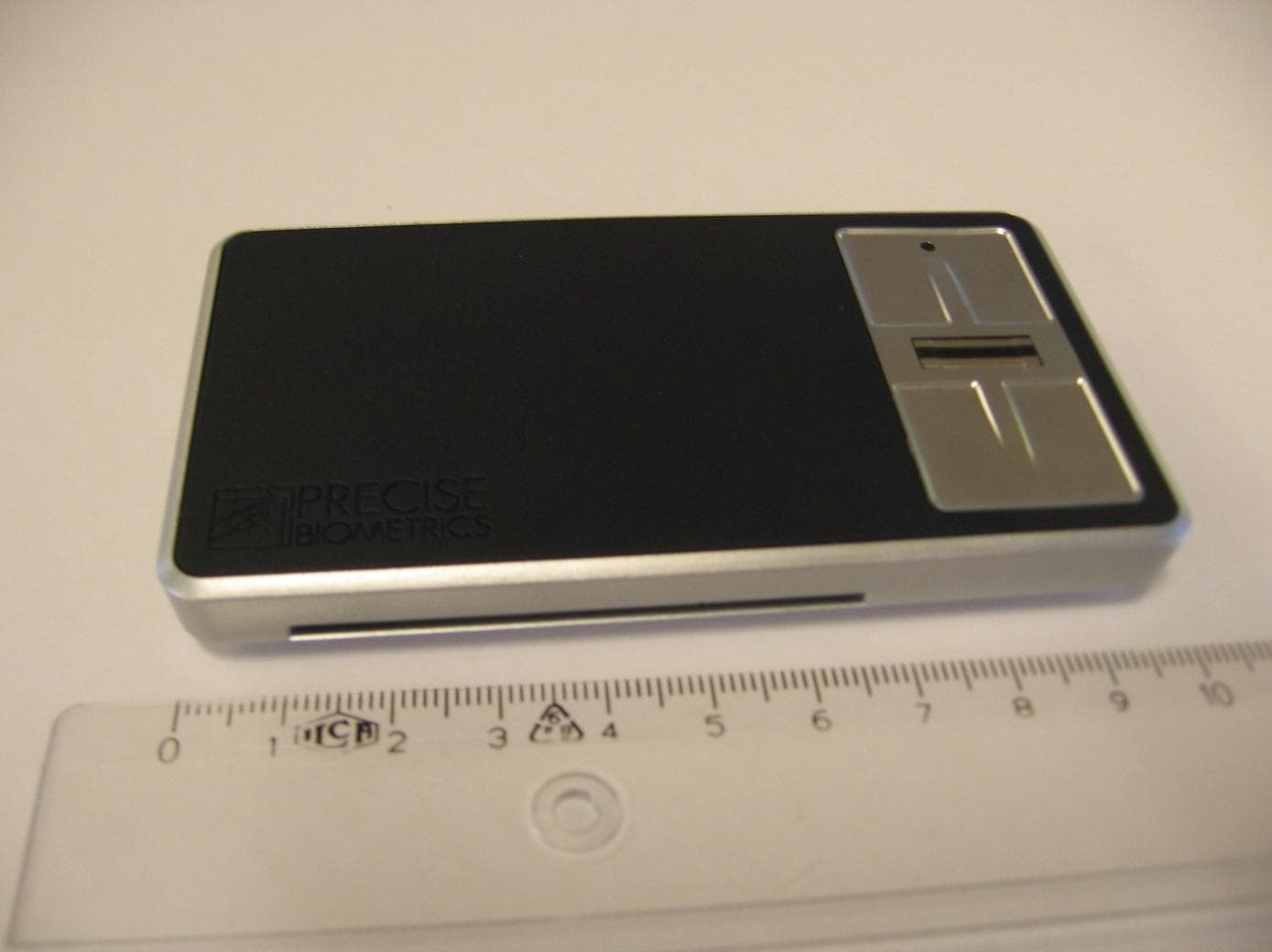
PBKASP1031009
Sep 22, 2011Precise Sense
Equipment Class
JBP - Part 15 Class B Computing Device Peripheral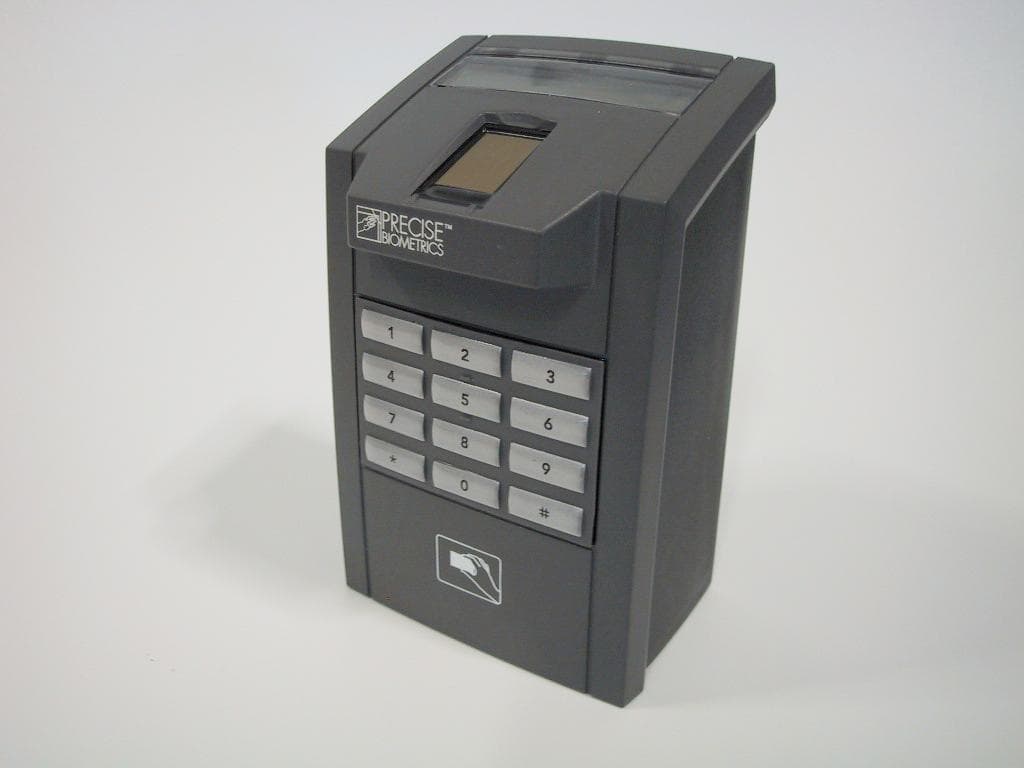
PBKMS010120
Sep 28, 2005Fingerprint Reader
Equipment Class
DXT - Part 15 Low Power Transceiver, Rx Verified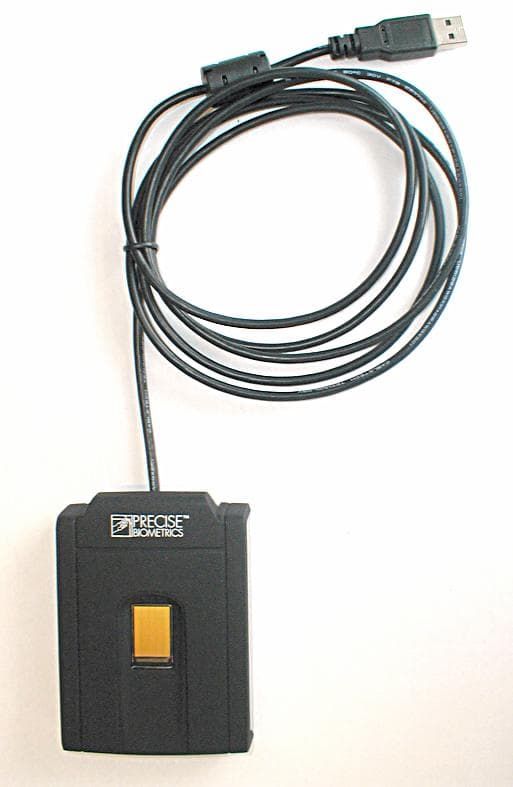
PBKMS010114
Jun 14, 2005Combined Finger Print and Smart Card Reader
Equipment Class
JBP - Part 15 Class B Computing Device Peripheral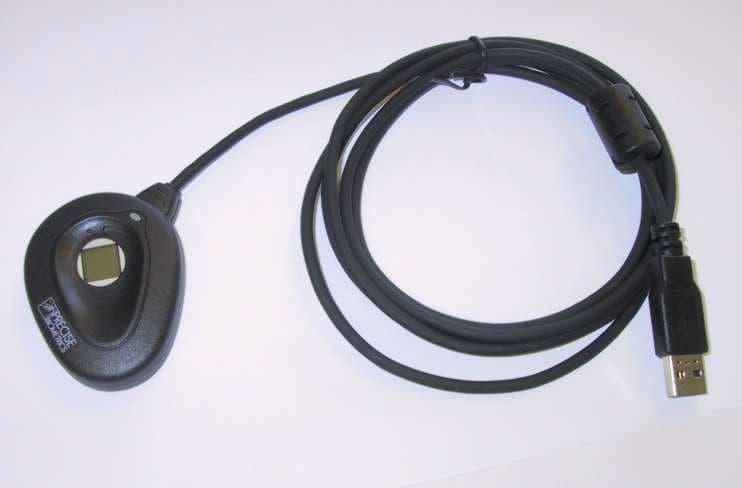
PBKMS010074
Jun 29, 2003Electronic Personnel Identification System
Equipment Class
JBP - Part 15 Class B Computing Device Peripheral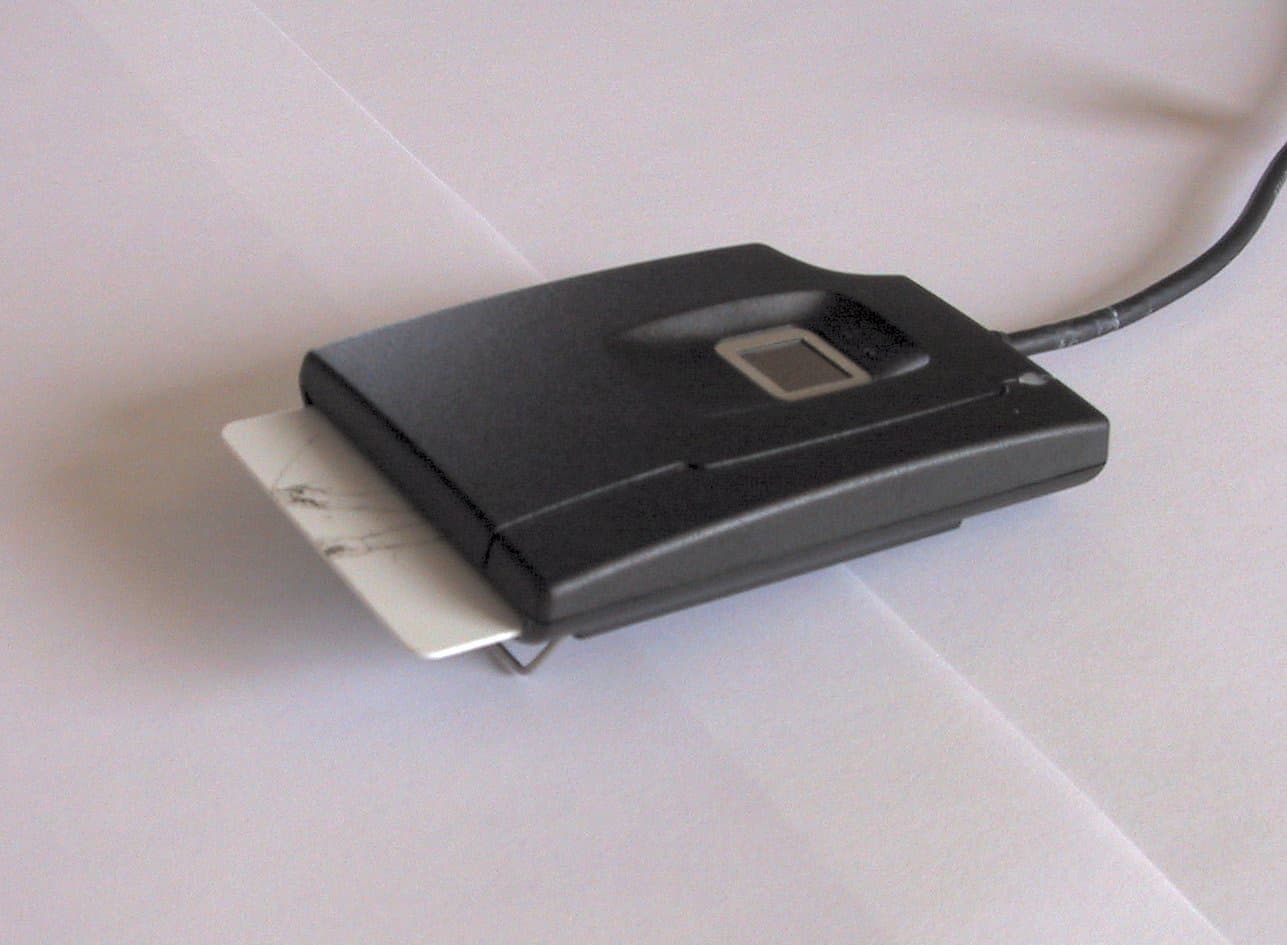
PBKMS010041
May 05, 2002USB Fingerprint Sensor/Smart Card Reader
Equipment Class
JBP - Part 15 Class B Computing Device Peripheral