QFXNHL-8XTri band GSM tranceiver with Bluetooth
Microsoft Corporation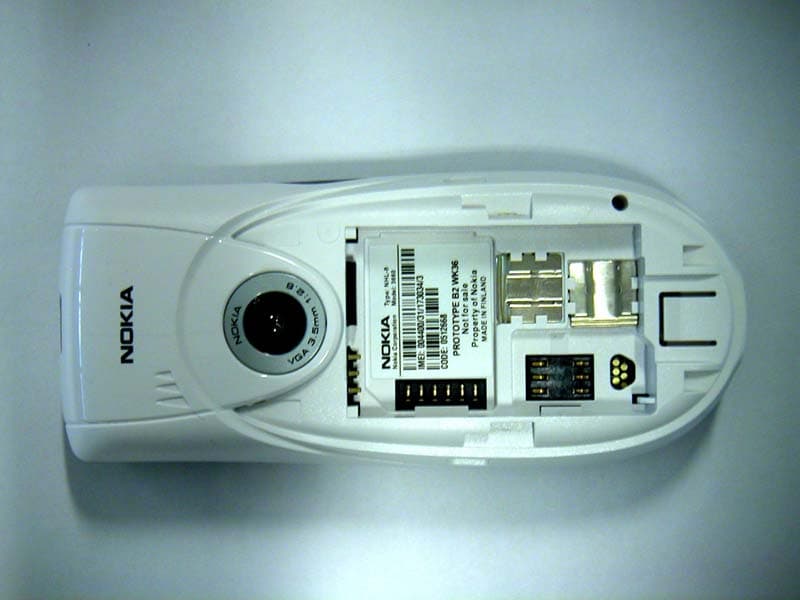
Click to zoom
Application Details
- Equipment Class
- PCE - PCS Licensed Transmitter held to ear
- Date of Grant
- Sep 25, 2003
- Application Purpose
- Original Equipment
- Date of Application
- Sep 25, 2003
- Equipment Note
- Tri band GSM tranceiver with Bluetooth
- Frequency Range
- 1850.20000000 - 1909.80000000
- Company
- Microsoft Corporation
- Country
- United States
Documents & Files
Document Text
Text extracted from the exhibit documents filed with the FCC. Open a document above to read the original.
Users Manual
Nokia 3620 and Nokia 3660 User Guide The wireless phones described in this guide are approved for use in the GSM network. LEGAL INFORMATION Part No. 9310245, Issue No. 1 1 1 Copyright ©2003 Nokia. All rights reserved. Nokia, Nokia Connecting People, Nokia 3620, Nokia 3660, and the Nokia Original Accessories logos are trademarks or registered trademarks of Nokia Corporation. All other product and company names mentioned herein may be trademarks or tradenames of their respective owners. Printed in Canada October 2003 US Patent No 5818437 and other pending patents. T9 text input software Copyright ©1999-2003. Tegic Communications, Inc. All rights reserved. Includes RSA BSAFE cryptographic or security protocol software from RSA Security. Java is a trademark of Sun Microsystems, Inc. Bluetooth is a registered trademark of Bluetooth SIG, Inc. The information in this user guide was written for the Nokia 3620 and Nokia 3660 phones. Nokia operates a policy of ongoing development. Nokia reserves the right to make changes and improvements to any of the products described in this document without prior notice. UNDER NO CIRCUMSTANCES SHALL NOKIA BE RESPONSIBLE FOR ANY LOSS OF DATA OR INCOME OR ANY SPECIAL, INCIDENTAL, AND CONSEQUENTIAL OR INDIRECT DAMAGES HOWSOEVER CAUSED. THE CONTENTS OF THIS DOCUMENT ARE PROVIDED “AS IS.” EXCEPT AS REQUIRED BY APPLICABLE LAW, NO WARRANTIES OF ANY KIND, EITHER EXPRESS OR IMPLIED, INCLUDING, BUT NOT LIMITED TO, THE IMPLIED WARRANTIES OF MERCHANTABILITY AND FITNESS FOR A PARTICULAR PURPOSE, ARE MADE IN RELATION TO THE ACCURACY AND RELIABILITY OR CONTENTS OF THIS DOCUMENT. NOKIA RESERVES THE RIGHT TO REVISE THIS DOCUMENT OR WITHDRAW IT AT ANY TIME WITHOUT PRIOR NOTICE. EXPORT CONTROLS This product contains commodities, technology or software exported from the United States in accordance with the Export Administration regulations. Diversion contrary to U.S. law is prohibited. FCC/INDUSTRY CANADA NOTICE Your phone may cause TV or radio interference (for example, when using a telephone in close proximity to receiving equipment). The FCC or Industry Canada can require you to stop using your telephone if such interference cannot be eliminated. If you require assistance, contact your local service facility. This device complies with part 15 of the FCC rules. This device contains a radio transceiver and digital circuitry that supports its features. Operation of the digital device circuitry is subject to the following two conditions: (1) this device may not cause harmful interference, and (2) this device must accept any interference received, including interference that may cause undesired operation. Modifications to this device not authorized by Nokia may void the authority granted for operation of this device and should not be made. [ iii ] Contents 1 For your safety . . . . . . . . . . . . . . . . . . . . . . . . . . . . . 1 2 General information . . . . . . . . . . . . . . . . . . . . . . . . . 3 Register your phone . . . . . . . . . . . . . . . . . . . . . . . . . . . . . . . . . . . . 3 Follow graphic clues . . . . . . . . . . . . . . . . . . . . . . . . . . . . . . . . . . . . 3 Network services. . . . . . . . . . . . . . . . . . . . . . . . . . . . . . . . . . . . . . . 3 Contact Nokia . . . . . . . . . . . . . . . . . . . . . . . . . . . . . . . . . . . . . . . . . 4 Learn about accessibility solutions . . . . . . . . . . . . . . . . . . . . . . . . 5 Nokia 3620 and Nokia 3660 phones at a glance . . . . . . . . . . . . . 6 Understand your phone . . . . . . . . . . . . . . . . . . . . . . . . . . . . . . . . . 7 Menu . . . . . . . . . . . . . . . . . . . . . . . . . . . . . . . . . . . . . . . . . . . . . . . 16 Options lists . . . . . . . . . . . . . . . . . . . . . . . . . . . . . . . . . . . . . . . . . 17 Navigation bar . . . . . . . . . . . . . . . . . . . . . . . . . . . . . . . . . . . . . . . 18 Actions common to all applications . . . . . . . . . . . . . . . . . . . . . . 18 Volume control . . . . . . . . . . . . . . . . . . . . . . . . . . . . . . . . . . . . . . . 20 Loudspeaker . . . . . . . . . . . . . . . . . . . . . . . . . . . . . . . . . . . . . . . . . 20 Headset . . . . . . . . . . . . . . . . . . . . . . . . . . . . . . . . . . . . . . . . . . . . . 21 Shared memory . . . . . . . . . . . . . . . . . . . . . . . . . . . . . . . . . . . . . . . 21 3 Your phone . . . . . . . . . . . . . . . . . . . . . . . . . . . . . . . 22 Make a call . . . . . . . . . . . . . . . . . . . . . . . . . . . . . . . . . . . . . . . . . . 22 Answer a call. . . . . . . . . . . . . . . . . . . . . . . . . . . . . . . . . . . . . . . . . 25 Log—Call log and general log . . . . . . . . . . . . . . . . . . . . . . . . . . . 27 SIM folder . . . . . . . . . . . . . . . . . . . . . . . . . . . . . . . . . . . . . . . . . . . 33 4 Settings. . . . . . . . . . . . . . . . . . . . . . . . . . . . . . . . . . 34 [ iv ] Change general settings. . . . . . . . . . . . . . . . . . . . . . . . . . . . . . . . 34 Phone settings . . . . . . . . . . . . . . . . . . . . . . . . . . . . . . . . . . . . . . . 34 Call settings . . . . . . . . . . . . . . . . . . . . . . . . . . . . . . . . . . . . . . . . . 36 Connection settings . . . . . . . . . . . . . . . . . . . . . . . . . . . . . . . . . . . 38 Access points . . . . . . . . . . . . . . . . . . . . . . . . . . . . . . . . . . . . . . . . 40 Date and time . . . . . . . . . . . . . . . . . . . . . . . . . . . . . . . . . . . . . . . . 45 Security . . . . . . . . . . . . . . . . . . . . . . . . . . . . . . . . . . . . . . . . . . . . . 46 Call restriction (system service). . . . . . . . . . . . . . . . . . . . . . . . . . 50 System . . . . . . . . . . . . . . . . . . . . . . . . . . . . . . . . . . . . . . . . . . . . . . 51 Accessory settings . . . . . . . . . . . . . . . . . . . . . . . . . . . . . . . . . . . . 51 5 Contacts. . . . . . . . . . . . . . . . . . . . . . . . . . . . . . . . . 52 Create contact cards . . . . . . . . . . . . . . …
Text truncated - open the document above for the full version.
Cover Letter(s)
American Telecommunications Certification Body Inc. 6731 Whittier Ave, McLean, VA 22101 September 17, 2003 RE: FCC ID: QFXNHL-8X Attention: Steve May I have a few comments on this Application. Part 15.247 Bluetooth 1. Please note that the radiated emissions data on pages 16 through 19 and 43 through 47 of the report do not indicate if all factors associated with the measurement have been considered. There does not appear to be any indication that the cable factor, antenna factor or preamp factor (if used) have been considered in the final data. Since the emissions above 1GHz also appear to be at the noise floor, it may be necessary to include a preamplifier to make proper measurements. The report does not been clearly explained if this was done or not. Please note that 2.1033 (b)(6) states, “...The report shall include sample calculations showing how the measurement results were converted for comparison with the technical requirements.” Please provide the required sample calculations and please show evidence that all factors associated with final data have been considered. If these factors are part of the analyzer setting, please show how the analyzer treats each of these factors (e.g. a sample calculation) 2. Please note that the reported plot on page 17 of the report shows a video bandwidth lower than the resolution bandwidth. Please note that the video band width in all but averaging mode is typically to be equal to or greater than the resolution bandwidth. While the setting used may not affect the readings by more than a fraction of a dB if at all, the analyzer video bandwidth should be equal to or greater than the res bandwidth. Please also note that this plot shows failing data but there is no indication if the tabular data on the preceding page of the report is associated with this failing data or not. Please explain why an incorrect video bandwidth was used and please explain why failing data is provided without clear reference to subsequent passing data.. 3. Please note that it appears that you have incorrectly measured channel occupancy. The plot reported shows a span of 83MHz including all channels and a sweep time of 20ms. Please note that this does not match your stated measurement procedure in section 9. The correct measurement is to be done with zero span centered on a single channel and a sweep time of 30 seconds, while the device is in hopping mode. This is to be repeated sufficient number of time to count the maximum occupancy per channel over the specified time limit. Please also note that the dwell (channel occupancy) data reported does not agree with normal and/or typical Bluetooth characteristics. Bluetooth devices typically have three modes of operation including data mode and inquiry mode. Because inquiry mode hops through significantly fewer total channels, inquiry mode may actually be worse case. Please re-measure your channel occupancy following the accepted FCC measurement procedure guideline for channel occupancy found in DA-000705. Please account for the possibility of other than data mode being worse case. 4. Please note that power measurements are better done conducted, however, EIRP is acceptable if performed correctly. Please note that the report section 9 states ERP while the data states EIRP. The accepted FCC method in accordance with DA-000705 is EIRP. Please correct the confusion between the test procedure listed in section 9 of the report and the data on page 25 section 8.7.2. Due to the confusion mentioned above, it is not clear from the data that the correct antenna gain information was included. Please provide the calculations using the antenna gain of the substitution antenna used during testing. (See item 1 about the required sample calculations). 5. Please note that when using a resolution bandwidth narrower than the displayed device 6dB bandwidth for power measurements, a bandwidth correction factor may need to be employed to account for any error introduced in the measurement by this condition. The displayed device bandwidth shown in the plots show an approximate device 6dB bandwidth of about 1.5MHz and a resolution bandwidth of 1MHz. This means that a resolution bandwidth correction factor of 10log(displayed Bw/ res bandwith) or 1.75dB may have to be included. Please include this z Page 2 September 17, 2003 correction factor of alternately verify if this is not needed (e.g measuring the power using a res band width of 2MHz; or by conducted measurements using a power meter or diode detector). Part 24 6 Please note that the test methods listed on page 8 of the PCS report list part 15 test methods but do not list licensed device test methods (e.g TIA603). Please explain. 7 Please note that while the test procedure in section 9 indicates EIRP measurement methods were done, neither the actual data in the report nor the test procedures indicate how the associated antenna substitution factors have been applied. Please clarify and provide the antenna gain for the substitution antenna used and please show how this factor was applied to the actual results (i.e. entered into the analyzer settings and automatically calculated, calculated by test engineer or other calculation methods). SAR report none Dennis Ward mailto:[email protected] The items indicated above must be submitted before processing can continue on the above referenced application. Failure to provide the requested information may result in application termination. Correspondence should be considered part of the permanent submission and may be viewed from the Internet after a Grant of Equipment Authorization is issued. Please do not respond to this correspondence using the email reply button. In order for your response to be processed expeditiously, you must submit your documents through the AmericanTCB.com website. Also, please note that partial responses increase processing time and should not be submitted. Any questions about the content of this correspondence should be directed to…
Text truncated - open the document above for the full version.
Cover Letter(s)
CONFIDENTIAL 26 Sep 2003 RFI Response to ATCB Questions FCC ID: QFX NHL-8X Part 15.247 Bluetooth QUESTION 1. Please note that the radiated emissions data on pages 16 through 19 and 43 through 47 of the report do not indicate if all factors associated with the measurement have been considered. There does not appear to be any indication that the cable factor, antenna factor or preamp factor (if used) have been considered in the final data. Since the emissions above 1GHz also appear to be at the noise floor, it may be necessary to include a preamplifier to make proper measurements. The report does not been clearly explained if this was done or not. Please note that 2.1033 (b)(6) states, “...The report shall include sample calculations showing how the measurement results were converted for comparison with the technical requirements.” Please provide the required sample calculations and please show evidence that all factors associated with final data have been considered. If these factors are part of the analyzer setting, please show how the analyzer treats each of these factors (e.g. a sample calculation) RESPONSE 1. Please note that the plots attached are for indication purposes only. The limit line is calculated based on a worse case scenario, that is, a peak detector has been used with the average limit line. If the sweep was done using an average detector then the indicated race would have dropped by approximately 9.5 dB taking the noise floor 20dB below the limit. FCC states that spurious below 20dB down on the limit do not require reporting. I can confirm that all antenna factors and cable losses are contained within the analyzers transducer table. The test engineer manually enters these at the time of test. The spectrum analyzer adds the cable loss and antenna factor to the raw result and indicates the corrected figure on screen. Lvl = R + Cl + AF Where Lvl is the final Result. R is the raw data. Cl is cable loss. AF is the antenna factor. QUESTION 2. Please note that the reported plot on page 17 of the report shows a video bandwidth lower than the resolution bandwidth. Please note that the video bandwidth in all but averaging mode is typically to be equal to or greater than the resolution bandwidth. While the setting used may not affect the readings by more than a fraction of a dB if at all, the analyzer video bandwidth should be equal to or greater than the res bandwidth. Please also note that this plot shows failing data but there is no indication if the tabular data on the preceding page of the report is associated with this failing data or not. Please explain why an incorrect video bandwidth was used and please explain why failing data is provided without clear reference to subsequent passing data. RESPONSE 2. Please note that these plots are pre-scans only and do not indicate final results. They are used solely for the purpose of identifying emissions that require further attention. The response that is shown to be over the limit has been finally measured using a QP CISPR detector. The result is held within the associated table. Not the plot marker frequency of 66.9MHz the corresponding table entry is 66.4MHz. The slight difference in frequency is brought about by the lack of instrument resolution when making large sweeps. The table shows the exact frequency of the emission. Applicant: Nokia Mobile Phones Copyright © 2003 Nokia CONFIDENTIAL 26 Sep 2003 RFI Response to ATCB Questions FCC ID: QFX NHL-8X I can confirm that the indicated resolution bandwidth (RBW) is the instruments 6dB IF bandwidth and the video bandwidth (VBW) is the instruments 3dB bandwidth. The equivalent 6dB VBW is 120kHz. The reason it was not selected is that it is not an available option. The Rohde & Schwartz spectrum analyzer used is designed to use a 3dB VBW only. All final measurements below 1 GHz, in idle mode were measured using a QP CISPR detector in line with CISPR 16.1. The QP measurement bandwidth is 120kHz. There is no VBW to consider. QUESTION 3. Please note that it appears that you have incorrectly measured channel occupancy. The plot reported shows a span of 83MHz including all channels and a sweep time of 20ms. Please note that this does not match your stated measurement procedure in section 9. The correct measurement is to be done with zero span centered on a single channel and a sweep time of 30 seconds, while the device is in hopping mode. This is to be repeated sufficient number of time to count the maximum occupancy per channel over the specified time limit. Please also note that the dwell (channel occupancy) data reported does not agree with normal and/or typical Bluetooth characteristics. Bluetooth devices typically have three modes of operation including data mode and inquiry mode. Because inquiry mode hops through significantly fewer total channels, inquiry mode may actually be worse case. Please re-measure your channel occupancy following the accepted FCC measurement procedure guideline for channel occupancy found in DA-000705. Please account for the possibility of other than data mode being worse case. RESPONSE 3. I can confirm that the data presented was incorrectly presented within the report. Applicant: Nokia Mobile Phones Copyright © 2003 Nokia CONFIDENTIAL 26 Sep 2003 RFI Response to ATCB Questions FCC ID: QFX NHL-8X Applicant: Nokia Mobile Phones Copyright © 2003 Nokia CONFIDENTIAL 26 Sep 2003 RFI Response to ATCB Questions FCC ID: QFX NHL-8X A 1MA UnitdBm RF Att 20 dB SGL SWT 32 s RBW 1 MHz VBW 1 MHz IN1 34 dB Offset Ref Lvl 10 dBm Ref Lvl 10 dBm Center 2.441 GHz3.2 s/ -80 -70 -60 -50 -40 -30 -20 -10 0 -90 10 Marker 1 [T1] 0.07 dBm 12.312625 s Title: FCC Part 15.247. Nokia. Time of Occupancy Comment A: 45084JD02_FCC_NHL-10_1MHz_DH1 Date: 19.SEP.2003 16:20:39 Recorded Pulse Width = 452 uS Number of transmission on one channel in 31.6 Seconds = 253 Total transmission time in 31.6 Seconds = 452uS x 253 = 114.356mS 1 1 [T1] 0.07 dBm 12.312625 s D1 -3 dBm Applicant: Nokia Mobile Ph…
Text truncated - open the document above for the full version.
External Photos
CONFIDENTIAL 15 Sept 2003 Photographs of the Equipment NHL-8X Photograph No 1 Exhibit 03: External Photographs FCC ID: QFX NHL-8X Applicant: Nokia Mobile Phones Copyright © 2003 Nokia CONFIDENTIAL 15 Sept 2003 Photograph No 2 Exhibit 03: External Photographs FCC ID: QFX NHL-8X Applicant: Nokia Mobile Phones Copyright © 2003 Nokia CONFIDENTIAL 15 Sept 2003 Photograph No 3 Exhibit 03: External Photographs FCC ID: QFX NHL-8X Applicant: Nokia Mobile Phones Copyright © 2003 Nokia
ID Label/Location Info
CONFIDENTIAL 11 Sep 2003 Location of Identification Label for NHL-8X Photograph No 1 Exhibit 01: Label and Location FCC ID: QFX NHL-8X Applicant: Nokia Mobile Phones Copyright © 2003 Nokia CONFIDENTIAL 11 Sep 2003 Exhibit 01: Label and Location FCC ID: QFX NHL-8X Applicant: Nokia Mobile Phones Copyright © 2003 Nokia
Internal Photos
CONFIDENTIAL 15 Sept 2003 Exhibit 09: Internal Photograph FCC ID: QFX NHL-8X Applicant: Nokia Mobile Phones Copyright © 2003 Nokia CONFIDENTIAL 15 Sept 2003 Exhibit 09: Internal Photograph FCC ID: QFX NHL-8X Applicant: Nokia Mobile Phones Copyright © 2003 Nokia CONFIDENTIAL 15 Sept 2003 Exhibit 09: Internal Photograph FCC ID: QFX NHL-8X Applicant: Nokia Mobile Phones Copyright © 2003 Nokia CONFIDENTIAL 15 Sept 2003 Exhibit 09: Internal Photograph FCC ID: QFX NHL-8X Applicant: Nokia Mobile Phones Copyright © 2003 Nokia
RF Exposure Info
Salo SAR Report SAR0334_04 Applicant: Nokia Corporation Type: NHL-8 Copyright 2003 TCC Salo CONTENTS CONTENTSCONTENTS CONTENTS 1. 1.1. 1. SUMMARY OF SAR TEST SUMMARY OF SAR TEST SUMMARY OF SAR TEST SUMMARY OF SAR TEST REPORT REPORTREPORT REPORT................................ ................................................................ ................................................................ ................................................................ ................................................................ ................................................................ ................................................................ ................................................................ ............................................. .......................... ............. 4 44 4 1.1 TEST DETAILS.............................................................................................................................................................................4 1.2 MAXIMUM RESULTS....................................................................................................................................................................4 1.2.1 Head Configuration........................................................................................................................................................ 4 1.2.2 Body Worn Configuration ............................................................................................................................................ 4 1.2.3 Maximum Drift ................................................................................................................................................................ 4 1.2.4 Measurement Uncertainty ........................................................................................................................................... 4 2. 2.2. 2. DESCRIPTION OF THE D DESCRIPTION OF THE DDESCRIPTION OF THE D DESCRIPTION OF THE DEVICE UNDER T EVICE UNDER TEVICE UNDER T EVICE UNDER TEST (DUT) EST (DUT)EST (DUT) EST (DUT) ................................ ................................................................ ................................................................ ................................................................ ................................................................ ................................................................ ............................................... .............................. ............... 5 55 5 2.1 PICTURE OF DEVICE....................................................................................................................................................................5 2.2 DESCRIPTION OF THE ANTENNA..................................................................................................................................................5 2.3 BATTERIES.................................................................................................................................................................................5 2.4 HEADSETS..................................................................................................................................................................................5 3. 3.3. 3. TEST CONDITIONS TEST CONDITIONSTEST CONDITIONS TEST CONDITIONS ................................ ................................................................ ................................................................ ................................................................ ................................................................ ................................................................ ................................................................ ................................................................ ................................................................ ................................................................ ..................................... .......... ..... 6 66 6 3.1 TEMPERATURE AND HUMIDITY....................................................................................................................................................6 3.2 TEST SIGNAL, FREQUENCIES, AND OUTPUT POWER....................................................................................................................6 4. 4.4. 4. DESCRIPTION OF THE T DESCRIPTION OF THE TDESCRIPTION OF THE T DESCRIPTION OF THE TEST EQUIPMENT EST EQUIPMENTEST EQUIPMENT EST EQUIPMENT ................................ ................................................................ ................................................................ ................................................................ ................................................................ ................................................................ ............................................................... .............................................................. ............................... 6 66 6 4.1 MEASUREMENT SYSTEM AND COMPONENTS.................................................................................................................................6 4.1.1 Isotropic E-field probe SN: 1396................................................................................................................................. 7 4.2 PHANTOMS................................................................................................................................................................................8 4.3 SIMULATING LIQUIDS.................................................................................................................................................................8 4.3.1 Liquid recipes................................................................................................................................................................... 8 4.3.2 Verification of the S…
Text truncated - open the document above for the full version.
Test Report
Radio Frequency Investigation Ltd, Ewhurst Park, Ramsdell, Basingstoke, Hampshire, RG26 5RQ, ENGLAND. Tel: +44 (0) 1256 851193 Fax: +44 (0) 1256 851192 Registered in England, No. 211 7901. Registered Office: Ewhurst Park, Ramsdell, Basingstoke, Hampshire RG26 5RQ 0644 TEST REPORT FROM RADIO FREQUENCY INVESTIGATION LTD. Test Of: Nokia Mobile Phones NHL-8/3660 Mobile Handset To: FCC Part 24 Test Report Serial No: RFI/MPTB1/RP44964JD01A This Test Report Is Issued Under The Authority Of Richard Jacklin, Operations Director: Checked By: Tested By: Release Version No: PDF01 Issue Date: 29 August 2003 Test Dates: 11 August 2003 This report is issued in Adobe Acrobat portable document format (PDF). It is only a valid copy of the report if it is being viewed in PDF format with the following security options not allowed: Changing the document, Selecting text and graphics, Adding or changing notes and form fields. Furthermore, the date of creation must match the issue date stated above. This report may be copied in full. The results in this report apply only to the sample(s) tested. RADIO FREQUENCY INVESTIGATION LTD TEST REPORT S.No. RFI/MPTB1/RP44964JD01A Operations Department Page 2 of 64 Issue Date: 29 August 2003 Test Of: Nokia Mobile Phones NHL-8/3660 Mobile Handset To: FCC Part 24 This page has been left intentionally blank. RADIO FREQUENCY INVESTIGATION LTD TEST REPORT S.No. RFI/MPTB1/RP44964JD01A Operations Department Page 3 of 64 Issue Date: 29 August 2003 Test Of: Nokia Mobile Phones NHL-8/3660 Mobile Handset To: FCC Part 24 Table of Contents 1. Client Information..........................................................................................................4 2. Equipment Under Test (EUT) .......................................................................................5 3. Methods And Procedures.............................................................................................8 4. Deviations From The Test Specification .....................................................................9 5. Operation Of The EUT During Testing ......................................................................10 6. Summary Of Test Results...........................................................................................11 7. Measurements, Examinations And Derived Results................................................12 8. Test Results .................................................................................................................13 9. Measurement Methods ...............................................................................................47 10. Measurement Uncertainty ........................................................................................58 Appendix 1. Test Equipment Used ................................................................................59 Appendix 2. Test Configuration Drawings....................................................................61 RADIO FREQUENCY INVESTIGATION LTD TEST REPORT S.No. RFI/MPTB1/RP44964JD01A Operations Department Page 4 of 64 Issue Date: 29 August 2003 Test Of: Nokia Mobile Phones NHL-8/3660 Mobile Handset To: FCC Part 24 1. Client Information Company Name: Nokia Mobile Phones Address: Nokia House Summit Avenue Southwood Farnborough Hants GU14 0NG UK Contact Name: Mr Laszlo Gecseg RADIO FREQUENCY INVESTIGATION LTD TEST REPORT S.No. RFI/MPTB1/RP44964JD01A Operations Department Page 5 of 64 Issue Date: 29 August 2003 Test Of: Nokia Mobile Phones NHL-8/3660 Mobile Handset To: FCC Part 24 2. Equipment Under Test (EUT) The following information (with the exception of the Date of Receipt) has been supplied by the client: 2.1. Identification Of Equipment Under Test (EUT) Brand Name: Nokia Model Name or Number: 3660 FCC ID QFXNHL-8X IMEI Number 004400291712576 * Country of Manufacture: Finland Date of Receipt: 21 July 2003 * This sample was used for all radiated tests Brand Name: Nokia Model Name or Number: 3669 FCC ID QFXNHL-8X IMEI Number 004400291712774 ** Country of Manufacture: Finland Date of Receipt: 21 July 2003 ** This sample was used for all direct connection, i.e. conducted tests RADIO FREQUENCY INVESTIGATION LTD TEST REPORT S.No. RFI/MPTB1/RP44964JD01A Operations Department Page 6 of 64 Issue Date: 29 August 2003 Test Of: Nokia Mobile Phones NHL-8/3660 Mobile Handset To: FCC Part 24 2.2. Description Of EUT The equipment under test is a tri-band (900, 1800 & 1900) camera mobile handset, which supports IR and Bluetooth. 2.3. Modifications Incorporated In EUT None. 2.4. Additional Information Related To Testing Power Supply Requirement: (Internal, non-removable lithium ion battery) Inter…
Text truncated - open the document above for the full version.
Contact Information
Applicant
Hasnain Syed(Director, EMC, SI and RF Compliance)
Technical Contact
Nokia UK LtdSteve May
[email protected]011 44 1252 866315
Summit Avenue · Farnborough, Hampshire · United Kingdom
Technical Specifications
| # | Rule Parts | Frequency Range | Power Output | Emission | Tolerance |
|---|---|---|---|---|---|
| 1 | 24E | 1.85 GHz - 1.91 GHz | 1.698 W | 300KGXW | 0.1000000000 ppm |
Other Applications from Microsoft Corporation
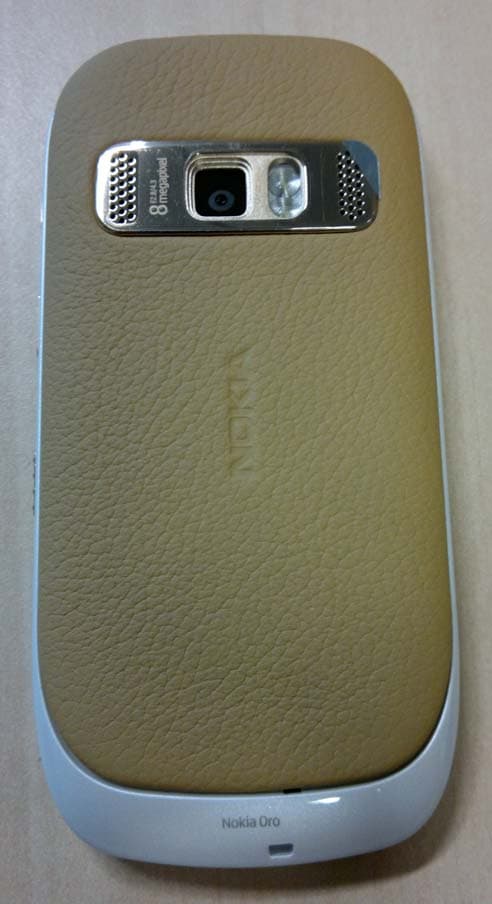
QFXRM-749
May 26, 2011GSM/WCDMA cellular telephone with BT, WLAN, FM Tx and RF ID
Equipment Class
DXX - Part 15 Low Power Communication Device Transmitter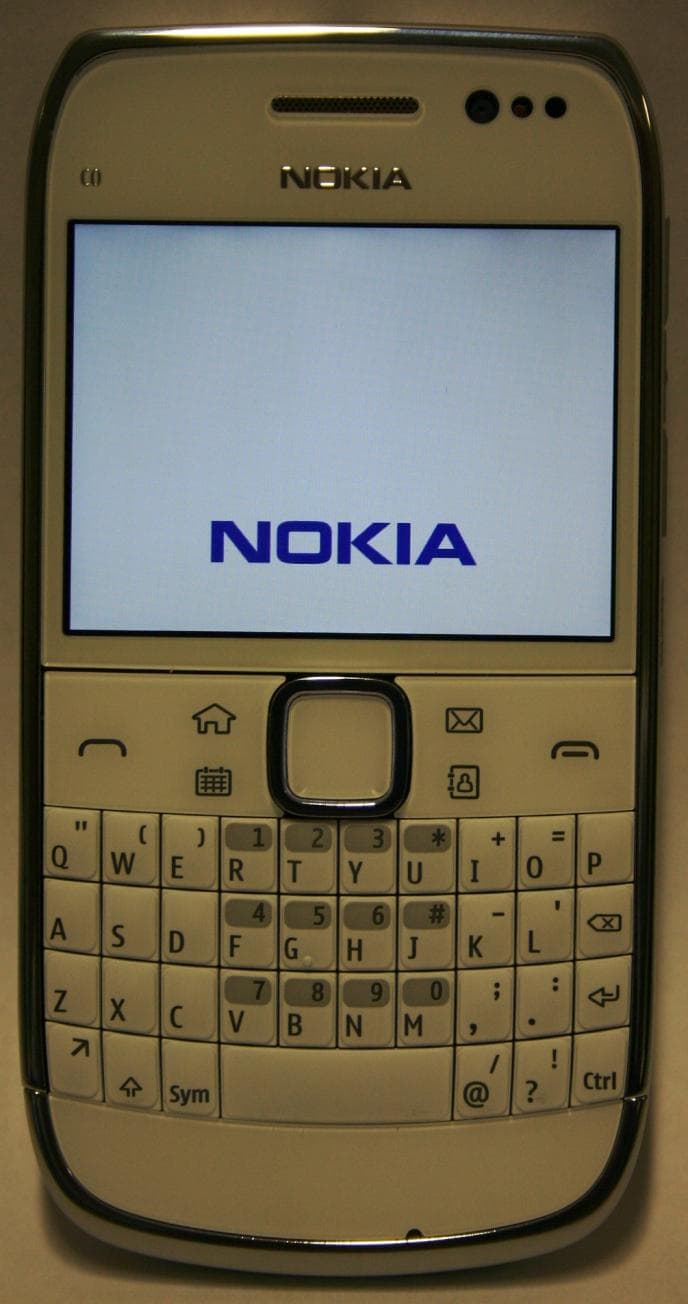
QFXRM-609
Mar 16, 2011GSM/WCDMA cellular telephone with Bluetooth and WLAN
Equipment Class
DSS - Part 15 Spread Spectrum Transmitter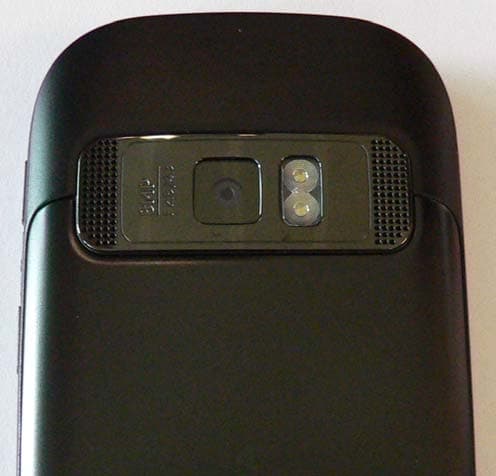
QFXRM-691
Mar 07, 2011GSM/WCDMA cellular telephone with BT, WLAN, FM Tx and RF ID
Equipment Class
DXX - Part 15 Low Power Communication Device Transmitter
QFXRM-744
Mar 07, 2011GSM/WCDMA cellular phone with Bluetooth
Equipment Class
DSS - Part 15 Spread Spectrum Transmitter
QFXRM-745
Mar 03, 2011GSM/WCDMA cellular phone with Bluetooth
Equipment Class
JBP - Part 15 Class B Computing Device Peripheral