QFXRM-236GSM Cellular Phone with BT
Microsoft Corporation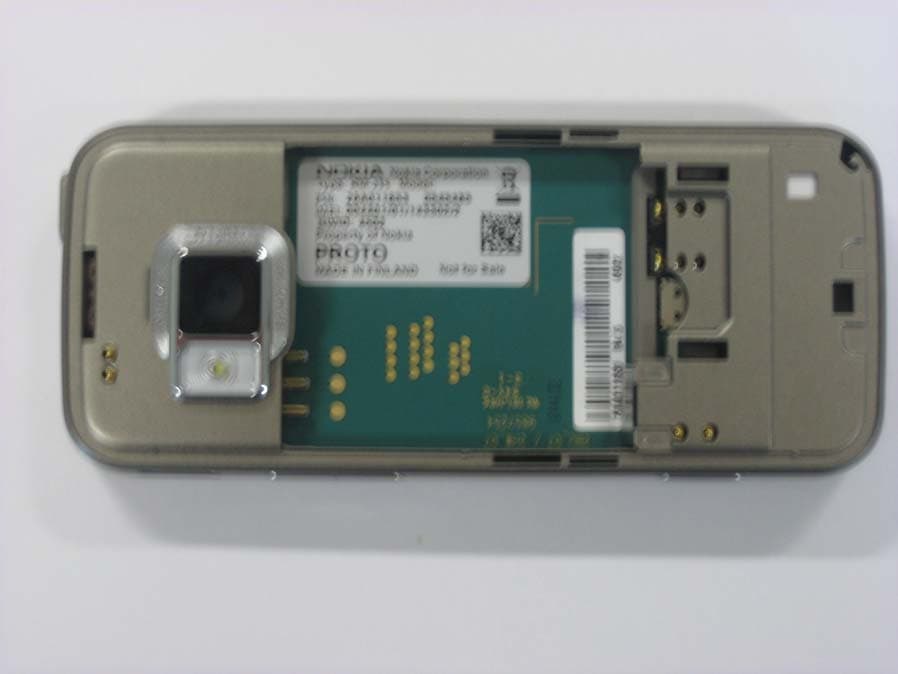
Click to zoom
Application Details
- Equipment Class
- DSS - Part 15 Spread Spectrum Transmitter
- Date of Grant
- Mar 04, 2008
- Application Purpose
- Original Equipment
- Date of Application
- Mar 03, 2008
- Equipment Note
- GSM Cellular Phone with BT
- Frequency Range
- 2402.00000000 - 2480.00000000
- Company
- Microsoft Corporation
- Country
- United States
Documents & Files
Document Text
Text extracted from the exhibit documents filed with the FCC. Open a document above to read the original.
Users Manual
Nokia N78 User Guide Issue 1 DECLARATION OF CONFORMITY Hereby, NOKIA CORPORATION declares that this RM-236 product is in compliance with the essential requirements and other relevant provisions of Directive 1999/5/EC. A copy of the Declaration of Conformity can be found at http://www.nokia.com/phones/declaration_of_conformity/. © 2008 Nokia. All rights reserved.Nokia, Nokia Connecting People, Nokia Original Enhancements logos, Nseries, N78, Navi, N-Gage, Visual Radio, and Nokia Care are trademarks or registered trademarks of Nokia Corporation. Nokia tune is a sound mark of Nokia Corporation. Other product and company names me ntioned herein may be trademarks or tradenames of their respective owners.Reproduction, transfer, distribution, or storage of part or all of the contents in this document in any form without the prior written permission of Nokia is prohibited. This product includes software licensed from Symbian Software Ltd © 1998-2007. Symbian and Symbian OS are trademarks of Symbian Ltd.US Patent No 5818437 and other pending patents. T9 text input software Copyright © 1997-2007. Tegic Communications, Inc. All ri ghts reserved. Java and all Java-based marks are trademarks or registered trademarks of Sun Microsystems, Inc. Portions of the Nokia Maps software are copyright © 1996-2002 The FreeType Project. All rights reserved. This product is licensed under the MPEG-4 Visual Patent Portfo lio License (i) for personal and noncommercial use in connection with information which has been encoded in compliance with the MPEG-4 Visual Standard by a consumer engaged in a person al and noncommercial activity a nd (ii) for use in connection with MPEG-4 video provided by a licensed video provider. No license is granted or shall be implied for any other use . Additional information, including that related to promotional, internal, and commercial uses, may be obtained from MPEG LA, LLC. See http://www.mpegla. com. .Nokia operates a policy of ongoing development. Nokia reserves th e right to make changes and improvements to any of the product s described in this document without prior notice.TO THE MAXIMUM EXTENT PERMITTED BY APPLICABLE LAW, UNDER NO CI RCUMSTANCES SHALL NOKIA OR ANY OF ITS LICENSORS BE RESPONSIBLE FO R ANY LOSS OF DATA OR INCOME OR ANY SPECIAL, INCIDENTAL, CONSEQUENTIAL OR INDIRECT DAMAGES HOWSOEVER CAUSED. THE CONTENTS OF THIS DOCUMENT ARE PROVIDED "AS IS". EXCEPT AS REQUIRED BY APPLICABLE LAW, NO WARRANTIES OF ANY KIND, EITHER EXP RESS OR IMPLIED, INCLUDING, BUT NOT LIMITED TO, THE IMPLIED WARRANTIES OF MERCHANTABILITY AND FITNESS FOR A PARTICULAR PURPOSE, ARE MAD E IN RELATION TO THE ACCURACY, RELIABILITY OR CONTENTS OF THIS DOCUMENT. NOKIA RESERVES THE RIGHT TO REVISE THIS DOCUMENT OR WITHDRAW IT AT A NY TIME WITHOUT PRIOR NOTICE. For the most current product informatio n, please refer to www.nokia.com.cn. The third-party applications provided with your device may have been created and may be owned by persons or entities not affili ated with or related to Nokia. Nokia does not own the copyrights or intellectual property rights to the third-party a pplications. As such, Nokia doe s not take any responsibility for end-user support, functionality of th e applications, or the information in the applica tions or these materials. Nokia does not provide any warranty for the third-party applications.BY USING THE APPLICATIONS YOU ACKNOW LEDGE THAT THE APPLICATIONS ARE PROVIDED AS IS WITHOUT WARRANTY OF ANY KIND, EXPRE SS OR IMP LIED, TO THE MAXIMUM EXTENT PERMITTED BY APPLICAB LE LAW. YOU FURTHER ACKNOWLEDGE THAT NEIT HER NOKIA NOR ITS AFFILIATES MAKE ANY REPR ESEN TATIONS OR WARRANTIES, EXPRESS OR IMPLIED, INCL UDING BUT NOT LIMITED TO WARRANTIES OF TI TLE, MERCHANTABILITY OR FITNESS FOR A PARTIC ULA R PURPOSE, OR THAT THE APPLICATIONS WILL NOT INF RINGE ANY THIRD-PARTY PATENTS, COPYRIGHTS , TRADEMARKS, OR OTHER RIGHTS. The availability of particular products an d applications and services for these pr oducts may vary by region. Please check with your Nokia dealer for details, and availability of language option s. Export controlsThis device may contain commodities, techn ology or software subject to export laws and regulations from the US and other countr ies. Diversion contrary to law is prohibited./Issue 1 FCC/INDUSTRY CANADA NOTICEYour device may cause TV or radio interference (for example, wh en using a telephone in close proximity to receiving equipment). The FCC or Industry Canada can require you to stop using your telephone if such inte rference cannot be eliminated. If you require assistance, conta ct your local service facility. This device complies with part 15 of the FCC rules. Operation is subject to the following two conditions: (1) This de vice may not cause harmful interference, and (2) this device must accept any interference received, including interference that may cause undesired operat ion. Any changes or modifications not expressly approved by Nokia could vo id the user's authority to operate this equipment. ContentsFor your safety ..........................................10About your device.........................................................11Network services...........................................................12Enhancements, batteries, and chargers.....................12Get started.................................................13Keys and parts (front)...................................................13Keys and parts (back)....................................................14Insert (U)SIM card and battery.....................................14Switch the device on.....................................................15Charge the battery........................................................15Wrist strap.....................................................................16Get connected............................................17Find help....................................................18In-device help........................................…
Text truncated - open the document above for the full version.
Users Manual
Write textThe input methods provided in the device may varyaccording to differe nt sales markets. Input method indicatorsThe input method indicator is shown in thenavigating field or on the upper right corner of the inputting frame. Please note that not all inputmethods are available un der all circumstances. Press * to view other available input methods. Default input methodPlease notice that aiming for differentrequirements for various characters' inputpositions, the device has preset the relevant defaultinput methods and usable input methods. For theinput positions where the default input method isPinyin, you could change into other input method as default when necessary.Press , and select Tools > Settings > General > Personalisation > Language > Default input . This selection is only visible when you select a Chinese language in the writinglanguage setting. Switch input methodsPress * to select desired in put method from the selection list (the current ly the active input method is not listed).Press # repeatedly to switch among different character modes.Pinyin input methodPinyin symbols are mapped to number keys. You canpress the correspondi ng number key once regardless of the intended symbol’s position on thekey. The device will make logical combinations and display all feasible matche s to those Pinyin symbols you just pressed. Use Pinyin input method1. Input Pinyin symbols and tones: Press numberkey once for each Pinyin symbol you want toinput (use "v" for "ü"); When you start to input,Chinese input window wi ll be shown on the screen: It shows all the Pinyin lettercombinations matching to the keys you pressed; 99 Write text and the candidate Chinese characterscorresponding to the highlighted Pinyin. ThePinyin letters displayed on the screen arechanging frequently during your inputtingprocess. Ignore these ch anges before you finish inputting the last Pinyin letter.After inputting all Pinyin letters, you can alsopress * to input tones. Press * once to input the first tone, twice to input the second tone, and soon. Press * five times to input the neutral tone. Tip: Press the right selection key to close the Chinese input window. 2. Select desired Pinyin : When several Pinyin letters are listed on the screen, you could scrollin the relevant direction to highlight yourdesired Pinyin. Press the sc roll key to choose the highlighted Pinyin. Thus the selected Pinyin canbe displayed in the Piny in window, and the other Pinyin will disappear, and the candidate listcorresponding to this Pinyin can be activated(numbering will be shown on each candidate,and the first candidate is highlighted). 3. View candidate list to find out desired Chinese character: when th e candidate Chinese characters exceed one line display, there will beup and down arrows showing at the right end ofthe candidate list. If you could not find a desiredcharacter in the current list, you could scroll up or down to view the previous line or the nextline. 4. Input Chinese character: You can press the scrollkey or number key to input a candidate.● Press scroll key to input: Scroll to left or right to highlight the desire d candidate, and then press to input this Chinese character. ● Press number key to inpu t: Directly press the number key matching to the numbering ofthe candidate character. While your input candidate is inserted in the textinput window, the Chinese input window will beclosed and the predictive list will be shown atthe same time. 5. Input predictive character: If the current line ofpredictive character list does not show yourdesired character, you co uld scroll down to view the next line of predictive character list. Findyour desired character, if it locates in the first highlighted position in the list, you coulddirectly press the sc roll key to input it; otherwise, you could first scroll right to activatethe predictive character list (the characters in the list will have numbering, meanwhile, thesecond character in the li st will be highlighted), then you could either press the number keymatching to the predictive character numberingto input it, or scroll in the relevant direction to find and highlight your desired predictive 100 Write text character and then press the scroll key to inputit.When you do not need the predictive list or youcould not find your desired Chinese character inthe predictive list, while the predictive list is notactivated, you could direct ly input the Pinyin for next Chinese character. While the predictive listis already activated, you have to press the rightselection key to close the predictive list first andthen continue to input the Pinyin for the nextChinese character. Pinyin input example: To inputcharacters for "Pinyin"1. Enter into the text edit ing window for writing a text message or any other possible position forinputting Chinese character, and switch toPinyin input mode. 2. Input the Pinyin letter pin for "pin": press 7 , 4 , 6 in sequence, and finally input * once for the 1st tone. 3. Scroll right to highlight pin- and then press thescroll key to activate the candidate list. 4. The character for "pin" will be shown in the candidate list. If this character locates in the firsthighlighted position of the candidate list, youcould directly press the scroll key to input it, otherwise, you should first scroll right to highlight this character and then press the scroll key to input it. 5. After you input the char acter for "pin", the predictive list will be shown, and the characterfor "yin" is shown in the predictive list. You could use the same method described in item 4 toinput this character. Stroke input methodThe strokes are classified according to the followingtable. 101 Write text Use Stroke input method1. Input strokes: The strokes constituting Chinesecharacters have been divided into fivecategories: Horizontal, Vertical, Left-falling, Dotand Turning. Each cate gory corresponds to a number key respectively 1 , 2 , 3 , 4 , 5 . You could press the number keys to inpu…
Text truncated - open the document above for the full version.
External Photos
External Photographs FCC ID: QFXRM-236 Exhibit: 3 IC: 661Z-RM236 Applicant: Nokia Corporation Copyright© Nokia. All rights reserved External Photographs FCC ID: QFXRM-236 Exhibit: 3 IC: 661Z-RM236 Applicant: Nokia Corporation Copyright© Nokia. All rights reserved External Photographs FCC ID: QFXRM-236 Exhibit: 3 IC: 661Z-RM236 Applicant: Nokia Corporation Copyright© Nokia. All rights reserved
ID Label/Location Info
1 (1) Exhibit 1: Label and Location FCC ID: QFXRM-236 Applicant: Nokia Corporation IC: 661Z-RM236 Label: Location:
Internal Photos
Internal Photographs FCC ID: QFXRM-236 Exhibit: 9 IC: 661Z-RM236 Applicant: Nokia Corporation Copyright© Nokia. All rights reserved Internal Photographs FCC ID: QFXRM-236 Exhibit: 9 IC: 661Z-RM236 Applicant: Nokia Corporation Copyright© Nokia. All rights reserved Internal Photographs FCC ID: QFXRM-236 Exhibit: 9 IC: 661Z-RM236 Applicant: Nokia Corporation Copyright© Nokia. All rights reserved USB chip
Test Report
FCC Part 15C Compliance Test Report FCC Part 15C Compliance Test Report / Template Version 9.0 T:\Projects\RM-236\EMC\Results\FCC\Salo_FCC_0803_15.doc Copyright © TCC Nokia 1 (9) TCC Nokia Tampere Laboratory P.O. Box 68 Sinitaival 5 FIN-33720 TAMPERE, FINLAND Tel. +358 (0) 7180 46800 Fax. +358 (0) 7180 46880 Test Report no.: 18-Feb-2008 Salo_FCC_0803_15.doc Date of Report: Number of pages: 9 Alison Kingston Customer’s Contact person: Testing laboratory: TCC Nokia Tampere Laboratory P.O. Box 68 Sinitaival 5 FIN-33720 TAMPERE, FINLAND Tel. +358 (0) 7180 46800 Fax. +358 (0) 7180 46880 FCC listing no.: IC recognition no.: 94436 3608 Nokia Corporation Customer: Nokia House Summit Avenue, Southwood FARNBOROUGH HAMPSHIRE GU14 0NG UK Tel. +44 1252 866000 Fax. +44 1252 866001 Tested devices/ accessories: GSM phone RM-236 / Battery BL-6F, AC charger AC-5E, Audio adapter AD-54, Headset HS-45 FCC ID: 661Z-RM236 QFXRM-236 IC: Supplement reports: - Testing has been carried out in accordance with: CFR 47, FCC rules Part 15 Subpart C, ANSI C63.4 (2003), Public Notice DA 00-705, DTS procedures KDB 558074, IC standards RSS-GEN (Issue 2, June 2007) and RSS-210 (Issue 7, June 2007). Deviations, modifications or clarifications (if any) to above mentioned documents are written in each section under "Test method and limit". The test report must always be reproduced in full; reproduction of an excerpt only is subject to Documentation: written approval of the testing laboratory. The documentation of the testing performed on the tested devices is archived for 15 years at TCC Nokia. The EUT complies with the requirements in respect of all parameters subject to the test. Test Results: The test results relate only to devices specified in this document. Date and signature for the contents: Sami Lehtonen, System Manager FCC Part 15C Compliance Test Report / Template Version 9.0 T:\Projects\RM-236\EMC\Results\FCC\Salo_FCC_0803_15.doc Copyright © TCC Nokia 2 (9) TCC Nokia Tampere Laboratory P.O. Box 68 Sinitaival 5 FIN-33720 TAMPERE, FINLAND Tel. +358 (0) 7180 46800 Fax. +358 (0) 7180 46880 1. Summary for FCC Part 15C Compliance Test Report Date of receipt 27.11.2007 Testing completed 2.1.2007 The customer's contact person Alison Kingston Test Plan referred to T:\Projects\RM-236\TestPlan_RS\RS_Testplan_RM-236.xls Notes - Document name T:\Projects\RM-236\EMC\Results\FCC\Salo_FCC_0803_15.doc 1.1. EUT and Accessory Information The EUT is a 6-band (GSM850/900/1800/1900 and WCDMA Band I/VIII) mobile phone with GPRS, EGPRS, Bluetooth and WLAN. Bluetooth and WLAN are tested with maximum rated TX power. Product Type SN HW MV SW DUT GSM phone RM-235 004401011432032 4500 - 0.67EE 41330 GSM phone RM-235 004401011431695 4500 - 0.130EE 41344 Battery BL-6F - - - - 41333 AC Charger AC-5E - - - - 41334 Audio adapter AD-54 - - - - 41335 Headset HS-45 - - - - 41336 1.2. Summary of Test Results Bluetooth: Section in CFR 47 Section in RSS-GEN or RSS-210 Name of the test Result 15.247(b)(1) A8.4 (2) Conducted peak output power NP 15.247(d) A8.5 Band edge compliance of RF emissions NP 15.247(d) A8.5 Spurious RF conducted emissions NP 15.247(d), 15.209 A8.5 Spurious radiated emissions NP 15.207 7.2.2 AC powerline conducted emissions PASSED 15.247(a)(1) A8.1 (1) 20 dB bandwidth NP 15.247(a)(1) A8.1 (2) Carrier frequency separation NP 15.247(a)(1)(iii) A8.1 (4) Number of hopping frequencies NP 15.247(a)(1)(iii) A8.1 (4) Time of occupancy NP PASSED The EUT complies with the essential requirements in the standard. FAILED The EUT does not comply with the essential requirements in the standard. NP The test was not performed by the TCC Nokia Tampere Laboratory. The test results of QFXRM-235 are re-used for certification of the QFXRM-236. The table above indicates the results, which will be re-used FCC Part 15C Compliance Test Report / Template Version 9.0 T:\Projects\RM-236\EMC\Results\FCC\Salo_FCC_0803_15.doc Copyright © TCC Nokia 3 (9) TCC Nokia Tampere Laboratory P.O. Box 68 Sinitaival 5 FIN-33720 TAMPERE, FINLAND Tel. +358 (0) 7180 46800 Fax. +358 (0) 7180 46880 CONTENTS 1. Summary for FCC Part 15C Compliance Test Report.............................................. 2 1.1. EUT and Accessory Information ............................................................................................2 1.2. Summary of Test Results .......................................................................................................2 2. Test setups.................................................................................................................. 4 2.1. Conducted RF test setup .......................................................................................................4 2.2. AC powerline conducted emissions test setup.......................................................................4 2.3. Spurious radiated emissions test setup .................................................................................4 3. AC powerline conducted emissions (FCC §15.207, RSS-GEN 7.2.2) ..................... 5 3.1. Test method and limit .............................................................................................................5 3.2. Bluetooth Test results ............................................................................................................6 4. Test Equipment........................................................................................................... 8 4.1. Conducted measurements .....................................................................................................8 4.2. Radiated measurements ........................................................................................................8 2. Test setups 2.1. Conducted RF test setup Spectrum analyser Power divider Attenuator EUT Radio simulator 20dB attenuator 2.2. AC powerline conducted emissions test setup Receiver Pulse limiter LISN EUT 2.3. Spurious radiated emissions test setup Tower / table controller Communi…
Text truncated - open the document above for the full version.
Test Report
FCC Part 15C Compliance Test Report FCC Part 15C Compliance Test Report / Template Version 9.0 T:\Projects\RM-236\EMC\Results\FCC\Salo_FCC_0803_11.doc Copyright © TCC Nokia 1 (33) TCC Nokia Salo Laboratory P.O. Box 86 Joensuunkatu 7H / Kiila 1B FIN-24101 SALO, FINLAND Tel. +358 (0) 7180 08000 Fax. +358 (0) 7180 45220 Test Report no.: 19-Feb-2008 Salo_FCC_0803_11.doc Date of Report: Number of pages: 33 Alison Kingston Customer’s Contact person: Testing laboratory: TCC Nokia Salo Laboratory P.O. Box 86 Joensuunkatu 7H / Kiila 1B FIN-24101 SALO, FINLAND Tel. +358 (0) 7180 08000 Fax. +358 (0) 7180 45220 FCC listing no.: IC recognition no.: 533467 661V-1 Nokia Corporation Customer: Nokia House Summit Avenue, Southwood FARNBOROUGH HAMPSHIRE GU14 0NG UK Tel. +44 1252 866000 Fax. +44 1252 866001 Tested devices/ accessories: Phone RM-236 Battery BL-6F, Headset HS-45, Audio Adapter AD-54 and AC-Charger AC-5E FCC ID: 661Z-RM236 QFXRM-236 IC: Supplement reports: - Testing has been carried out in accordance with: CFR 47, FCC rules Part 15 Subpart C, ANSI C63.4 (2003), Public Notice DA 00-705, DTS procedures KDB 558074, IC standards RSS-GEN (Issue 2, June 2007) and RSS-210 (Issue 7, June 2007). Deviations, modifications or clarifications (if any) to above mentioned documents are written in each section under "Test method and limit". The test report must always be reproduced in full; reproduction of an excerpt only is subject to Documentation: written approval of the testing laboratory. The documentation of the testing performed on the tested devices is archived for 15 years at TCC Nokia. The EUT complies with the requirements in respect of all parameters subject to the test. Test Results: The test results relate only to devices specified in this document. Date and signature for the contents: Sami Lehtonen, System Manager FCC Part 15C Compliance Test Report / Template Version 9.0 T:\Projects\RM-236\EMC\Results\FCC\Salo_FCC_0803_11.doc Copyright © TCC Nokia 2 (33) TCC Nokia Salo Laboratory P.O. Box 86 Joensuunkatu 7H / Kiila 1B FIN-24101 SALO, FINLAND Tel. +358 (0) 7180 08000 Fax. +358 (0) 7180 45220 1. Summary for FCC Part 15C Compliance Test Report Date of receipt 26.11.2007 Testing completed 04.01.2008 The customer's contact person Alison Kingston Test Plan referred to T:\Projects\RM-235\TestPlan_RS\RS_test_plan_RM-235.xls Notes - Document name T:\Projects\RM-236\EMC\Results\FCC\Salo_FCC_0803_11.doc 1.1. EUT and Accessory Information The EUT is a 6-band (GSM850/900/1800/1900 and WCDMA Band I/VIII) mobile phone with GPRS, Bluetooth and WLAN. Bluetooth and WLAN are tested with maximum rated TX power. Product Type SN HW MV SW DUT Phone RM-235 004401/01/143218/0 4500 - 0.67EE 12310 Phone RM-235 004401/01/143142/2 4500 - 0.130EE 12316 Phone RM-235 004401/01/143212/3 4500 - 0.130EE 12407 Battery BL-6F 3820667275270100000;0670523 - - - 12255 Battery BL-6F 3820667275270100000;0670523 - - - 12385 Headset HS-45 06942357301K1901062 - - - 12311 Audio adapter AD-54 07508387295J2100165 - - - 12312 Headset HS-45 06942357301K1900958 - - - 12435 Audio adapter AD-54 07508387295J2100116 - - - 12436 AC-charger AC-5E 3943497166060605775;0675540 - - - 12313 AC-Charger AC-5E 3943496233001500838;0675540 - - - 12323 1.2. Summary of Test Results Bluetooth: Section in CFR 47 Section in RSS-GEN or RSS-210 Name of the test Result 15.247(b)(1) A8.4 (2) Conducted peak output power PASSED 15.247(d) A8.5 Band edge compliance of RF emissions PASSED 15.247(d) A8.5 Spurious RF conducted emissions PASSED 15.247(d), 15.209 A8.5 Spurious radiated emissions NP 15.207 7.2.2 AC powerline conducted emissions NP 15.247(a)(1) A8.1 (1) 20 dB bandwidth PASSED 15.247(a)(1) A8.1 (2) Carrier frequency separation PASSED 15.247(a)(1)(iii) A8.1 (4) Number of hopping frequencies PASSED 15.247(a)(1)(iii) A8.1 (4) Time of occupancy PASSED PASSED The EUT complies with the essential requirements in the standard. FAILED The EUT does not comply with the essential requirements in the standard. NP The test was not performed by the TCC Nokia Salo Laboratory. The test results of QFXRM-235 are re-used for certification of the QFXRM-236. The table above indicates the results, which will be re-used FCC Part 15C Compliance Test Report / Template Version 9.0 T:\Projects\RM-236\EMC\Results\FCC\Salo_FCC_0803_11.doc Copyright © TCC Nokia 3 (33) TCC Nokia Salo Laboratory P.O. Box 86 Joensuunkatu 7H / Kiila 1B FIN-24101 SALO, FINLAND Tel. +358 (0) 7180 08000 Fax. +358 (0) 7180 45220 CONTENTS 1. Summary for FCC Part 15C Compliance Test Report.............................................. 2 1.1. EUT and Accessory Information ............................................................................................2 1.2. Summary of Test Results .......................................................................................................2 2. Test setups.................................................................................................................. 4 2.1. Conducted RF test setup .......................................................................................................4 2.2. AC powerline conducted emissions test setup.......................................................................4 2.3. Spurious radiated emissions test setup .................................................................................4 3. Conducted peak output power (FCC §15.247(b)(1), RSS-210 A8.4 (2)) .................. 5 3.1. Test method and limit .............................................................................................................5 3.2. Bluetooth Test results ............................................................................................................6 4. Band edge compliance of RF emissions (FCC §15.247(d), RSS-210 A8.5) ............ 9 4.1. Test method and limit .............................................................................................................9 4.2. Bluetooth Test results .................…
Text truncated - open the document above for the full version.
Test Report
FCC Part 15C Compliance Test Report / Template Version 9.0 T:\Projects\RM-236\EMC\Results\FCC\Tre_FCC_0808_03.doc Copyright © TCC Nokia 1 (13) TCC Nokia Tampere Laboratory P.O. Box 68 Sinitaival 5 FIN-33720 TAMPERE, FINLAND Tel. +358 (0) 7180 46800 Fax. +358 (0) 7180 46880 FCC Part 15C Compliance Test Report Test Report no.: Tre_FCC_0808_03.doc Date of Report: 18.2.2008 Number of pages: 13 Customer’s Contact person: Alison Kingston Testing laboratory: TCC Nokia Tampere Laboratory P.O. Box 68 Sinitaival 5 FIN-33720 TAMPERE, FINLAND Tel. +358 (0) 7180 46800 Fax. +358 (0) 7180 46880 FCC listing no.: IC recognition no.: 94436 3608 Customer: Nokia Corporation Nokia House Summit Avenue, Southwood FARNBOROUGH HAMPSHIRE GU14 0NG UK Tel. +44 1252 866000 Fax. +44 1252 866001 Tested devices/ accessories: GSM phone RM-236 / Battery BL-6F, AC charger AC-5E, Audio adapter AD-54, Headset HS-45 FCC ID: QFXRM-236 IC: 661Z-RM236 Supplement reports: - Testing has been carried out in accordance with: CFR 47, FCC rules Part 15 Subpart C, ANSI C63.4 (2003), Public Notice DA 00-705, DTS procedures KDB 558074, IC standards RSS-GEN (Issue 2, June 2007) and RSS-210 (Issue 7, June 2007). Deviations, modifications or clarifications (if any) to above mentioned documents are written in each section under "Test method and limit". Documentation: The test report must always be reproduced in full; reproduction of an excerpt only is subject to written approval of the testing laboratory. The documentation of the testing performed on the tested devices is archived for 15 years at TCC Nokia. Test Results: The EUT complies with the requirements in respect of all parameters subject to the test. The test results relate only to devices specified in this document. Date and signature for the contents: Jari Jantunen, System Manager FCC Part 15C Compliance Test Report / Template Version 9.0 T:\Projects\RM-236\EMC\Results\FCC\Tre_FCC_0808_03.doc Copyright © TCC Nokia 2 (13) TCC Nokia Tampere Laboratory P.O. Box 68 Sinitaival 5 FIN-33720 TAMPERE, FINLAND Tel. +358 (0) 7180 46800 Fax. +358 (0) 7180 46880 1. Summary for FCC Part 15C Compliance Test Report Date of receipt 27.11.2007 Testing completed 2.1.2007 The customer's contact person Alison Kingston Test Plan referred to T:\Projects\ Notes - Document name T:\Projects\RM-235\EMC\Results\FCC\Tre_FCC_0749_05.doc 1.1. EUT and Accessory Information The EUT is a 4-band (GSM850/900/1800/1900) mobile phone with GPRS, EGPRS and Bluetooth. Bluetooth is tested with maximum rated TX power. Product Type SN HW MV SW DUT GSM phone RM-235 004401011432032 4500 - 0.67EE 41330 GSM phone RM-235 004401011431695 4500 - 0.130EE 41344 Battery BL-6F - - - - 41333 AC Charger AC-5E - - - - 41334 Audio adapter AD-54 - - - - 41335 Headset HS-45 - - - - 41336 1.2. Summary of Test Results Bluetooth: Section in CFR 47 Section in RSS-GEN or RSS-210 Name of the test Result 15.247(b)(1) A8.4 (2) Conducted peak output power NP 15.247(d) A8.5 Band edge compliance of RF emissions NP 15.247(d) A8.5 Spurious RF conducted emissions NP 15.247(d), 15.209 A8.5 Spurious radiated emissions PASSED 15.207 7.2.2 AC powerline conducted emissions PASSED 15.247(a)(1) A8.1 (1) 20 dB bandwidth NP 15.247(a)(1) A8.1 (2) Carrier frequency separation NP 15.247(a)(1)(iii) A8.1 (4) Number of hopping frequencies NP 15.247(a)(1)(iii) A8.1 (4) Time of occupancy NP PASSED The EUT complies with the essential requirements in the standard. FAILED The EUT does not comply with the essential requirements in the standard. NP The test was not performed by the TCC Nokia Tampere Laboratory. The test results of QFXRM-235 are re-used for certification of the QFXRM-236. The table above indicates the results, which will be re-used. FCC Part 15C Compliance Test Report / Template Version 9.0 T:\Projects\RM-236\EMC\Results\FCC\Tre_FCC_0808_03.doc Copyright © TCC Nokia 3 (13) TCC Nokia Tampere Laboratory P.O. Box 68 Sinitaival 5 FIN-33720 TAMPERE, FINLAND Tel. +358 (0) 7180 46800 Fax. +358 (0) 7180 46880 CONTENTS 1. Summary for FCC Part 15C Compliance Test Report.............................................. 2 1.1. EUT and Accessory Information ............................................................................................2 1.2. Summary of Test Results .......................................................................................................2 2. Test setups.................................................................................................................. 4 2.1. Conducted RF test setup .......................................................................................................4 2.2. AC powerline conducted emissions test setup.......................................................................4 2.3. Spurious radiated emissions test setup .................................................................................4 3. Spurious radiated emissions (FCC §15.247(d), §15.209, RSS-210 A8.5)................ 5 3.1. Test method and limit ....................................................................................…
Text truncated - open the document above for the full version.
Contact Information
Applicant
Hasnain Syed(Director, EMC, SI and RF Compliance)
Test Firm
TCC MicrosoftJari Jantunen
Technical Specifications
| # | Rule Parts | Frequency Range | Power Output | Emission |
|---|---|---|---|---|
| 2 | 15C | 2.40 GHz - 2.48 GHz | 851.00 µW | 1M00GXD |
Other Applications from Microsoft Corporation
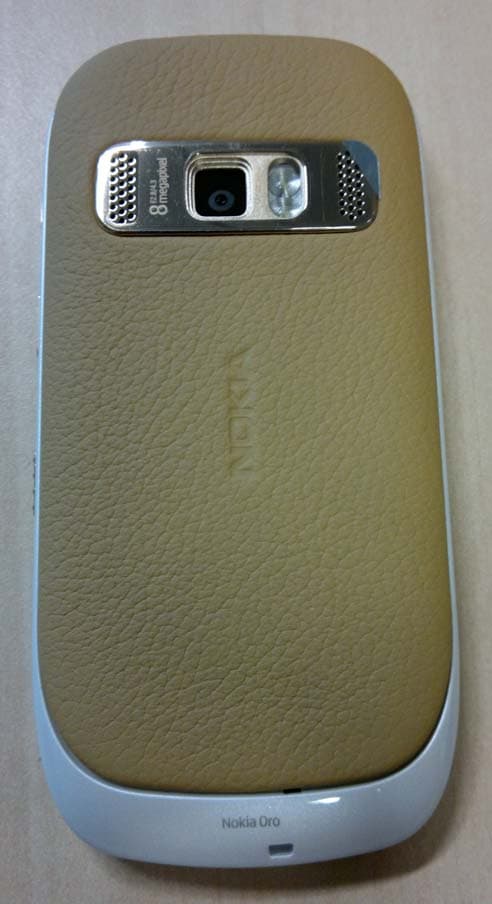
QFXRM-749
May 26, 2011GSM/WCDMA cellular telephone with BT, WLAN, FM Tx and RF ID
Equipment Class
DXX - Part 15 Low Power Communication Device Transmitter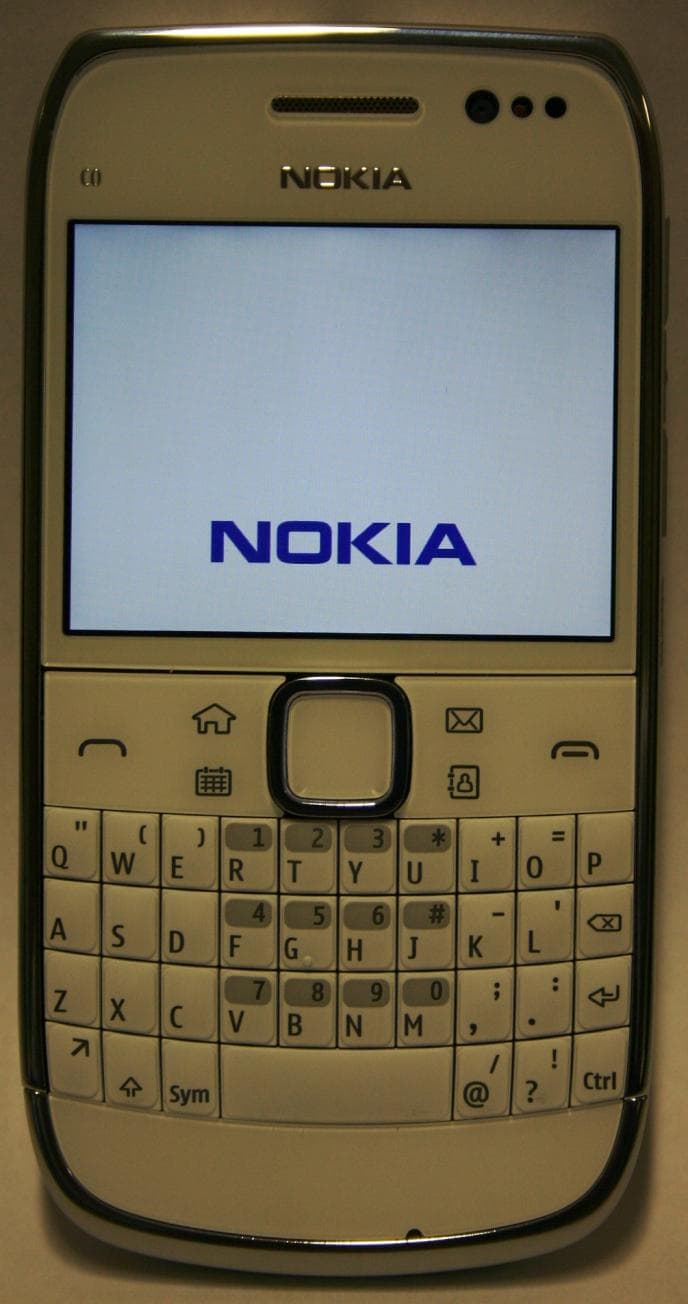
QFXRM-609
Mar 16, 2011GSM/WCDMA cellular telephone with Bluetooth and WLAN
Equipment Class
DSS - Part 15 Spread Spectrum Transmitter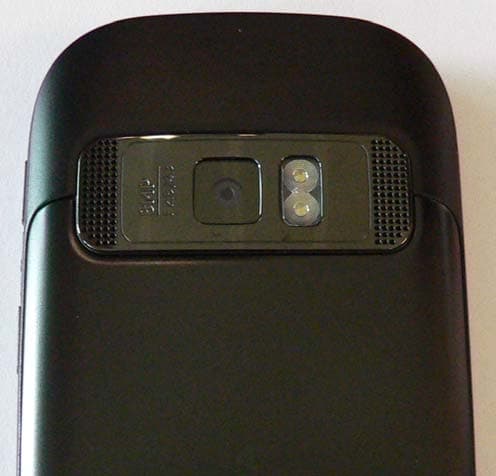
QFXRM-691
Mar 07, 2011GSM/WCDMA cellular telephone with BT, WLAN, FM Tx and RF ID
Equipment Class
DXX - Part 15 Low Power Communication Device Transmitter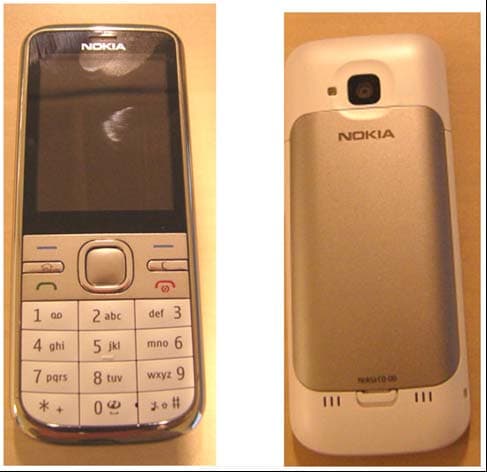
QFXRM-744
Mar 07, 2011GSM/WCDMA cellular phone with Bluetooth
Equipment Class
DSS - Part 15 Spread Spectrum Transmitter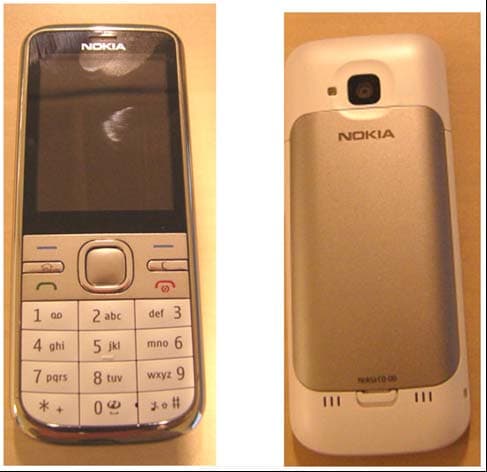
QFXRM-745
Mar 03, 2011GSM/WCDMA cellular phone with Bluetooth
Equipment Class
JBP - Part 15 Class B Computing Device Peripheral