QQ7EGUARDEAS02Swept Frequency Anti-pilferage Device
Shenzhen Ronghua Electronic Co. Ltd.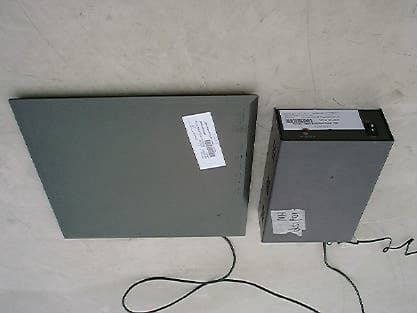
Click to zoom
Application Details
- Equipment Class
- FAP - Part 15 Anti-Pilferage Device
- Date of Grant
- May 19, 2003
- Application Purpose
- Original Equipment
- Date of Application
- May 19, 2003
- Equipment Note
- Swept Frequency Anti-pilferage Device
- Frequency Range
- 8.95000000 - 9.93000000
- Country
- China
Documents & Files
Document Text
Text extracted from the exhibit documents filed with the FCC. Open a document above to read the original.
External Photos
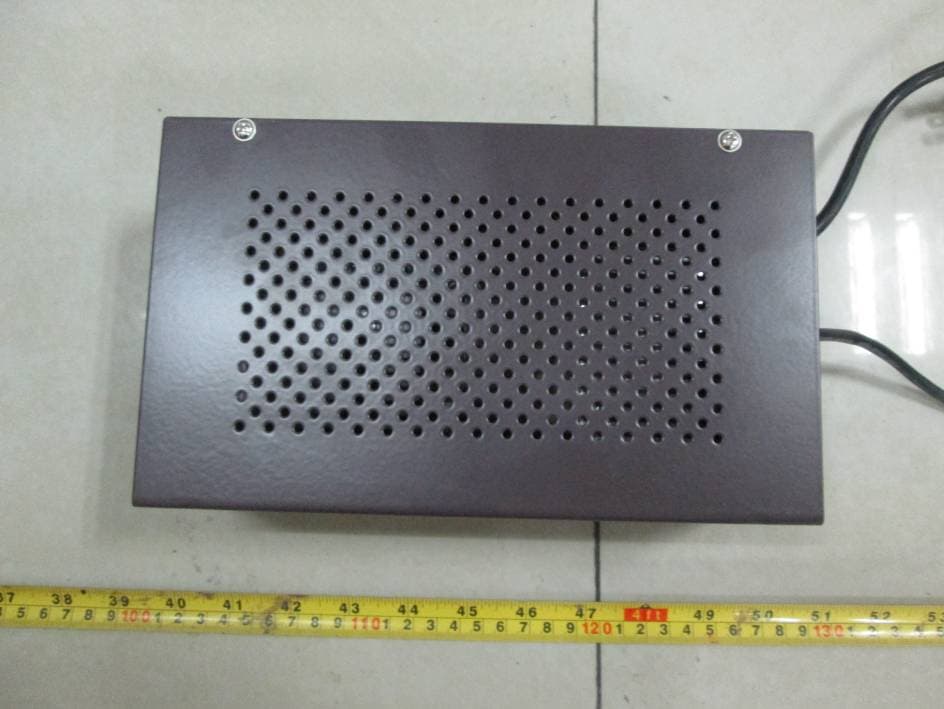
PHOTOGRAPH OF THE PRODUCT FRONT VIEW OF THE PRODUCT REAR VIEW OF THE PRODUCT
ID Label/Location Info
LABEL LOCATION BOTTOM VIEW OF THE DEVICE WITH FCC ID LABEL Label
Internal Photos
PHOTOGRAPH OF THE PRODUCT INNER CIRCUIT TOP VIEW INNER CIRCUIT BOTTOM VIEW
Operational Description
FCC ID: QQ7EGUARDEAS02 Circuit Description The 8.2MHz LCR oscillator drives the base of Q6 the final/buffer amplifier. The modulation provided by IC. The output of Q6 has the matching network consisting of L2 and C48 that limit the harmonic content and effect the proper coupling of the antenna to the output stage. Antenna, Ground and Power Source There is no external antenna. There is no external ground connection. The ground is only that of the printed circuit board. Electric current is supplied by a adapter (117Va.c. – 24Vd.c.)
Test Report
Loop Antenna Factor Loop Antenna Factor
Test Report
1 Marianne Bosley From: Marianne Bosley Sent: Thursday, January 02, 2003 11:35 AM To: '[email protected]' Subject: Request for Technical Info on FCC ID:QQ7EGUARDEAS02 Hi Alice, Same technical questions for this one as for the other one: RT questions: Was the frequency sweep stopped while radiated measurements were made? What is the frequency range of the sweep? Does the EUT employ an analog sweep (continuous, sliding over all frequencies in the band) or a digital sweep (discrete frequencies hopped to very rapidly)? If it is a digital sweep (as most modern systems are), then none of the discrete frequencies on which it lands may be in a restricted band, as defined in Section 15.205. What discrete frequencies are used? Please address. Was a loop antenna used for radiated measurements? If not, please remeasure with a loop antenna- a rod antenna may not be used. If so, was it both rotated on its vertical axis AND placed in the horizontal plane as well, per ANSI C63.4 Section 8.2.1? The “correction factors” listed in the radiated emissions data table seem quite low for the antenna, compared to those used for many loop antennas. Please address. When calculating the duty cycle correction factor, please note the following: a duty cycle correction factor is NOT applied to an analog system For digital systems, the averaging factor described in Section 15.35 may be applied, based upon how much time the signal actually spends on each discrete channel during a 100 ms interval. If the EUT goes through its hopset and returns to the same frequency during the 100 ms interval, then the total occupancy time on that frequency during the 100 ms interval should be used in calculating the duty cycle correction. Note that if the hopping frequency channels are so close that more than one of them falls within the 9 kHz bandwidth required for measurements, then the duty cycle correction must include the total time spent on all of the channels within that 9 kHz band during the 100 ms measurement interval. Please address. Marianne
Test Report
1 Marianne Bosley From: alice_wong [[email protected]] Sent: Thursday, January 09, 2003 10:17 PM To: [email protected] Cc: EED - Choy, Kitty; [email protected] Subject: Request for Technical Info on FCC ID:QQ7EGUARDEAS02 and QQ7EGUARDEAS01 > Answer: > 1.EUT is Digital sweep. It would send different code to receiver. > > 2.For the radiated Emissiom frequency range from1.705MHz to 1000MHz( S15.223 > and S15.209) > > 3.The sample was placed 0.8m above the ground plane on the OATS *. > Measurements in both horizontal and vertical polarities were performed. > During the test, each emission was maximized by: having the EUT continuously > working, investigate all operating modes, rotated about all 3 axis (X, Y & > Z) to obtain worst position, manipulating interconnecting cables, rotating > turntable, varying antenna height from 1m to 4m in both horizontal and > vertical polarizations. For the Loop antenna, Antenna height is 1m and it > would be rotated per 45 degree . The emissions worst-case are shown in Test > Results . > > 4.We would attach Loop Antenna correction factor to you. Model :6502, > S/N:2424 > > 5.EUT center frequency is 8.58MHz upper band edge is 9.0775MHz and lower > band edge is 8.0825MHz (QQ7EGUARDEAS01) > EUT center frequency is 8.2MHz upper band edge is 8.725MHz and Lower band > edge is7.67MHz (QQ7EGUARDEAS02) > > 6. Renew test report for duty cycle. > > ----- Original Message ----- > From: "alice_wong" <[email protected]> > To: "M K Law" <[email protected]> > Cc: "EED - Choy, Kitty" <[email protected]> > Sent: Friday, January 03, 2003 9:01 AM > Subject: Fw: Request for Technical Info on FCC ID:QQ7EGUARDEAS02 > > > > > > ----- Original Message ----- > > From: <[email protected]> > > To: <[email protected]> > > Sent: Friday, January 03, 2003 12:35 AM > > Subject: Request for Technical Info on FCC ID:QQ7EGUARDEAS02 > > > > > > > Hi Alice, > > > > > > Same technical questions for this one as for the other one: > > > > > > RT questions: > > > 2 > > > Was the frequency sweep stopped while radiated measurements were made? > > > What is the frequency range of the sweep? > > > Does the EUT employ an analog sweep (continuous, sliding over all > > > frequencies in the band) or a digital sweep (discrete frequencies hopped > > to > > > very rapidly)? If it is a digital sweep (as most modern systems are), > > then > > > none of the discrete frequencies on which it lands may be in a > restricted > > > band, as defined in Section 15.205. What discrete frequencies are used? > > > Please address. > > > Was a loop antenna used for radiated measurements? If not, please > > remeasure > > > with a loop antenna- a rod antenna may not be used. If so, was it both > > > rotated on its vertical axis AND placed in the horizontal plane as well, > > per > > > ANSI C63.4 Section 8.2.1? > > > The "correction factors" listed in the radiated emissions data table > seem > > > quite low for the antenna, compared to those used for many loop > antennas. > > > Please address. > > > When calculating the duty cycle correction factor, please note the > > > following: a duty cycle correction factor is NOT applied to an analog > > > system For digital systems, the averaging factor described in Section > > 15.35 > > > may be applied, based upon how much time the signal actually spends on > > each > > > discrete channel during a 100 ms interval. If the EUT goes through its > > > hopset and returns to the same frequency during the 100 ms interval, > then > > > the total occupancy time on that frequency during the 100 ms interval > > should > > > be used in calculating the duty cycle correction. Note that if the > > hopping > > > frequency channels are so close that more than one of them falls within > > the > > > 9 kHz bandwidth required for measurements, then the duty cycle > correction > > > must include the total time spent on all of the channels within that 9 > kHz > > > band during the 100 ms measurement interval. Please address. > > > > > > Marianne > > > > > > > > >
Test Report
1 Marianne Bosley From: Marianne Bosley Sent: Tuesday, January 14, 2003 10:58 AM To: '[email protected]' Subject: Further technical requests for QQ7EGUARDEAS01 and QQ7EGUARDEAS02 Hi Alice, Engineer has just finished reviewing your responses for the referenced two apps and has the following questions on both of them: RT Questions: 1. Was the frequency sweep stopped while radiated measurements were made? 2. If it is a digital sweep, then none of the discrete frequencies on which it lands may be in a restricted band, as defined in Section 15.205. What discrete frequencies are used? Please address. 3. Was the loop antenna both rotated on its vertical axis AND placed in the horizontal plane as well, per ANSI C63.4 Section 8.2.1? If not, please retest, doing these things. Marianne Marianne T. Bosley EMC Administrator 410-354-3300 X 412 [email protected] Visit MET Labs for a demonstration of our new CETECOM BITE Test System at the Bluetooth Developers Conference, Booth 622, Dec. 10-12, San Jose, CA. For more information visit www.ibctelecoms.com/bluetoothdevcon . MET’S IN THE NEWS! Get the latest at: http://www.metlabs.com/pages/Sun.html?coll=bal-business-headlines
Test Report
1 Marianne Bosley From: alice_wong [[email protected]] Sent: Thursday, January 23, 2003 3:15 AM To: [email protected] Cc: EED - Choy, Kitty; [email protected] Subject: Further technical requests for QQ7EGUARDEAS02 HM109126(SZ Ronghua).doc Hi Marianne, Please see attached file & below anwer for QQ7EGUARDEAS02. Thanks. Best Regards Alice ----- Original Message ----- From: "M K Law" <[email protected]> To: "alice_wong" <[email protected]> Sent: Thursday, January 23, 2003 9:39 AM Subject: Re: Further technical requests for QQ7EGUARDEAS01 and QQ7EGUARDEAS02 > Alice ,me already renew report and following answer. > Attached FCC renew report HM109126 > > > Answer: > 1.Frequency scan stopped in 1000MHz for radiated emission measurement. > > 2. We already retest the fundamental emissiom according to S15.209.and renew > report. > Due to EUT bandwidth must be in restricted band(S15.205) and very low > duty cycle ,so re-measurement quasi-peak value. > > 3. Yes , we were according ANSI C63.4 S8.2.1 use loop Antenna for > measurement. > ----- Original Message ----- > From: "alice_wong" <[email protected]> > To: "M K Law" <[email protected]> > Sent: Wednesday, January 15, 2003 8:46 AM > Subject: Fw: Further technical requests for QQ7EGUARDEAS01 and > QQ7EGUARDEAS02 > > > > > > ----- Original Message ----- > > From: <[email protected]> > > To: <[email protected]> > > Sent: Tuesday, January 14, 2003 11:58 PM > > Subject: Further technical requests for QQ7EGUARDEAS01 and QQ7EGUARDEAS02 > > > > > > > Hi Alice, 2 > > > > > > Engineer has just finished reviewing your responses for the referenced > two > > > apps and has the following questions on both of them: > > > > > > RT Questions: > > > > > > 1. Was the frequency sweep stopped while radiated measurements were > > > made? > > > 2. If it is a digital sweep, then none of the discrete frequencies on > > > which it lands may be in a restricted band, as defined in Section > 15.205. > > > What discrete frequencies are used? Please address. > > > 3. Was the loop antenna both rotated on its vertical axis AND placed in > > > the horizontal plane as well, per ANSI C63.4 Section 8.2.1? If not, > > please > > > retest, doing these things. > > > > > > > > > Marianne > > > > > > > > > > > > Marianne T. Bosley > > > EMC Administrator > > > 410-354-3300 X 412 > > > [email protected] > > > > > > Visit MET Labs for a demonstration of our new CETECOM BITE Test System > at > > > the Bluetooth Developers Conference, Booth 622, Dec. 10-12, San Jose, > CA. > > > For more information visit www.ibctelecoms.com/bluetoothdevcon. > > > > > > MET'S IN THE NEWS! Get the latest at: > > > http://www.metlabs.com/pages/Sun.html?coll=bal-business-headlines > > > > > > > > > > > > > > > > > > > > > > > >
Test Report
1 Marianne Bosley To: [email protected] Cc: Greg Czumak Subject: Shenzhen Ronghua Electronic Co Ltd. applications - FCC ID: QQ7EGUARDEAS01 and QQ7EGUARDEAS02 Hi Alice, Further Technical request for the referenced applications: RT question: In response number 2 of your email dated 01.24.03, you state that both EUTs use discrete frequencies, to which they tune, during the sweeping operation. Please respond to the second part of that original email and submit the list of discrete channels to which the EUTs tune. Please note that FCC policy does not allow any of these predetermined channels to fall in a Restricted Band, as defined in Section 15.205. This request applies to both applications as referenced in subject line. Regards, Marianne Marianne T. Bosley EMC Administrator 410-354-3300 X 412 [email protected] Visit MET Labs for a demonstration of our new CETECOM BITE Test System at the Bluetooth Developers Conference, Booth 622, Dec. 10-12, San Jose, CA. For more information visit www.ibctelecoms.com/bluetoothdevcon . MET’S IN THE NEWS! Get the latest at: http://www.metlabs.com/pages/Sun.html?coll=bal-business-headlines
Test Report
1 Marianne Bosley From: alice_wong [[email protected]] Sent: Tuesday, January 28, 2003 9:25 PM To: [email protected] Cc: [email protected] Subject: Fw: Shenzhen Ronghua Electronic Co Ltd. applications - FCC ID: QQ7EGUARDEAS01 and QQ7EGUARDEAS02 ----- Original Message ----- From: "M K Law" <[email protected]> To: "alice_wong" <[email protected]> Sent: Wednesday, January 29, 2003 10:23 AM Subject: Re: Shenzhen Ronghua Electronic Co Ltd. applications - FCC ID: QQ7EGUARDEAS01 and QQ7EGUARDEAS02 > > Answer: > > For EUT, the operating frequency is 8.6MHz and 8.2MHz (QQ7EGUARDEAS01 and > QQ7EGUARDEAS02) > however during the test, we found it would sweep through frequency from > 8.0825MHZ to 9.0775MHz and 7.76MHz to 8.725MHz (QQ7EGUARDEAS01 and > QQ7EGUARDEAS02).but it would continue sweep and not stopped. Due to EUT is > continue transmission ,so before we defined it as single emission. > FCC is allowed this operating mode? > if not ,have any suggestion to solve this problem? > > > > ----- Original Message ----- > From: "alice_wong" <[email protected]> > To: "M K Law" <[email protected]> > Cc: <[email protected]>; "EED - Choy, Kitty" <[email protected]> > Sent: Wednesday, January 29, 2003 8:20 AM > Subject: Fw: Shenzhen Ronghua Electronic Co Ltd. applications - FCC ID: > QQ7EGUARDEAS01 and QQ7EGUARDEAS02 > > > > > > ----- Original Message ----- > > From: <[email protected]> > > To: <[email protected]> > > Cc: <[email protected]> > > Sent: Tuesday, January 28, 2003 11:44 PM > > Subject: Shenzhen Ronghua Electronic Co Ltd. applications - FCC ID: > > QQ7EGUARDEAS01 and QQ7EGUARDEAS02 > > > > > > > Hi Alice, > > > > > > Further Technical request for the referenced applications: > > > > > > > > > RT question: > > > > > > In response number 2 of your email dated 01.24.03, you state that both > > EUTs 2 > > > use discrete frequencies, to which they tune, during the sweeping > > operation. > > > Please respond to the second part of that original email and submit the > > list > > > of discrete channels to which the EUTs tune. Please note that FCC > policy > > > does not allow any of these predetermined channels to fall in a > Restricted > > > Band, as defined in Section 15.205. > > > > > > This request applies to both applications as referenced in subject line. > > > > > > Regards, > > > > > > Marianne > > > Marianne T. Bosley > > > EMC Administrator > > > 410-354-3300 X 412 > > > [email protected] > > > > > > Visit MET Labs for a demonstration of our new CETECOM BITE Test System > at > > > the Bluetooth Developers Conference, Booth 622, Dec. 10-12, San Jose, > CA. > > > For more information visit www.ibctelecoms.com/bluetoothdevcon. > > > > > > MET'S IN THE NEWS! Get the latest at: > > > http://www.metlabs.com/pages/Sun.html?coll=bal-business-headlines > > > > > > > > > > > > > > > > > > > > > > > >
Test Report
1 Marianne Bosley From: Marianne Bosley Sent: Thursday, January 30, 2003 9:37 AM To: '[email protected]' Subject: Shenzhen Ronghua Electronic Co Ltd. - FCC IDs: QQ7EGUARDEAS01 and QQ7EGUARDEAS02 Hello again, Below is the response from the engineer. He is asking for more clarification: Even though the EUT transmits continuously along its sweep, it is possible that the sweep actually consists of the fundamental emission being quickly tuned to specific, predetermined frequencies. Our experience shows that most of the newer swept frequency devices operate along this principle. The manufacturer should be able to tell you if this is the case, in which case he should also provide for you the actual frequencies to which the EUT tunes. None of these may be located in a restricted band, as defined in Section 15.205. It is possible that an older, true analog sweep is being used, in which case Section 15.205(d)(1) must be addressed (demonstrating that the sweep spends less than 1% of its time in any restricted band). Marianne
Test Report
1 Marianne Bosley From: Marianne Bosley Sent: Friday, February 07, 2003 9:56 AM To: 'alice_wong ' Subject: RE: Shenzhen Ronghua Electronic Co Ltd. - FCC IDs: QQ7EGUARDEAS01 and QQ7EGUARDEAS02 -----Original Message----- From: alice_wong To: [email protected] Cc: EED - Choy, Kitty Sent: 2/6/2003 2:46 AM Subject: Fw: Shenzhen Ronghua Electronic Co Ltd. - FCC IDs: QQ7EGUARDEAS01 and QQ7EGUARDEAS02 ----- Original Message ----- From: "M K Law" <[email protected]> To: "alice_wong" <[email protected]> Sent: Thursday, February 06, 2003 3:49 PM Subject: Re: Shenzhen Ronghua Electronic Co Ltd. - FCC IDs: QQ7EGUARDEAS01 and QQ7EGUARDEAS02 > Answer > The EUT sweep frequency from 8.0825MHZ to 9.0775MHz for > QQ7EGUAEDEAS01and 7.76MHz to 8.725MHz for QQ7EGUAEDEAS02.Therefore EUT span > is 0.995MHz(9.0775-8.0825MHz)and 0.965MHz(8.725-7.76MHz) and swept through > restricted band is 8.291-8.294,8.362-8.366,8.37625-8.38675 and > 8.41425-8.41475 MHz that span is 0.018MHz, so result is 1.8% > > ----- Original Message ----- > From: "alice_wong" <[email protected]> > To: "M K Law" <[email protected]> > Sent: Wednesday, February 05, 2003 12:37 PM > Subject: Fw: Shenzhen Ronghua Electronic Co Ltd. - FCC IDs: QQ7EGUARDEAS01 > and QQ7EGUARDEAS02 > > > > > > ----- Original Message ----- > > From: <[email protected]> > > To: <[email protected]> > > Sent: Thursday, January 30, 2003 10:37 PM > > Subject: Shenzhen Ronghua Electronic Co Ltd. - FCC IDs: QQ7EGUARDEAS01 and > > QQ7EGUARDEAS02 > > > > > > > > > > > > > > > > Hello again, > > > > > > Below is the response from the engineer. He is asking for more 2 > > > clarification: > > > > > > > > > > > > Even though the EUT transmits continuously along its sweep, it is > possible > > > that the sweep actually consists of the fundamental emission being > quickly > > > tuned to specific, predetermined frequencies. Our experience shows that > > > most of the newer swept frequency devices operate along this principle. > > The > > > manufacturer should be able to tell you if this is the case, in which > case > > > he should also provide for you the actual frequencies to which the EUT > > > tunes. None of these may be located in a restricted band, as defined in > > > Section 15.205. > > > > > > It is possible that an older, true analog sweep is being used, in which > > case > > > Section 15.205(d)(1) must be addressed (demonstrating that the sweep > > spends > > > less than 1% of its time in any restricted band). > > > > > > > > > Marianne > > >
Test Report
1 Marianne Bosley From: Chris Harvey Sent: Thursday, February 20, 2003 3:07 PM To: Alice Wong @ hkstc (E-mail) Cc: Shirley Tsang [[email protected]] (E-mail); Marianne Bosley; Rob Frier; Joyce Holton; Greg Czumak Subject: Shenzhen Ronghua MT#13228 & #13235 re: FCC ID's QQ7EGUARDEAS01 and QQ7EGUARDEAS02 Alice, the response to our Request for Technical information for both applications indicated that you need to comply with the provisions of 15.205(d)(1) for Swept-Frequency Anti-pilferage Device. Your response indicated that the time of occupancy in the restricted bands was 1.8% of the total transmit time, which is above the maximum allowed 1%. It appears as though this device does not meet the requirements for operation in restricted bands since it transmits more than 1% in the restricted bands. I have re-calculated your numbers from the provided information and I also come up with 1.8% occupation in the restricted bands. I have copied the FCC Rule 15.205(d)(1) for your reference: (d) The following devices are exempt from the requirements of this Section: (1) Swept frequency field disturbance sensors operating between 1.705 and 37 MHz provided their emissions only sweep through the bands listed in paragraph (a), the sweep is never stopped with the fundamental emission within the bands listed in paragraph (a), and the fundamental emission is outside of the bands listed in paragraph (a) more than 99% of the time the device is actively transmitting, without compensation for duty cycle. Compliance with this rule is required prior to issuance of the grant. Please let me know how we can assist you Chris Harvey EMC Lab Director MET Laboratories, Inc. 1-800-638-6057 x-310 Further RT Jan 28.PDFResponse to RT Feb 6.PDF Part 15 July 2002.pdf
Test Report
1 Marianne Bosley From: alice_wong [[email protected]] Sent: Tuesday, April 22, 2003 8:35 AM To: [email protected] Cc: [email protected] Subject: Metrak 13228 FCC ID: QQ7EGUARDEAS02 and Metrak 13235 FCC ID:QQ7EGUARDEAS01 (Shenzhen Ronghua Electronic Co Ltd.) QQ7EGUARDEAS01.z ip Very Sorry Marianne, Very late reply to you! Please see attached file for revised test report and circuit diagram etc.. If have any question, please let me know. Thanks Best Regards Alice ----- Original Message ----- From: <[email protected]> To: <[email protected]> Cc: <[email protected]> Sent: Thursday, March 27, 2003 11:54 PM Subject: Metrak 13228 FCC ID: QQ7EGUARDEAS02 and Metrak 13235 FCC ID:QQ7EGUARDEAS01 (Shenzhen Ronghua Electronic Co Ltd.) > Hi Alice, > > Just checking again as to the status of these particular projects. I know > that you said you were waiting on something from your clients as of Mar 7, > 2003, but since these projects have been going since January 2, 2003, I > thought I would check one more time that you definitely are keeping these > projects open, waiting on info from your customers, and do not wish them to > be closed. > > Regards, > > Marianne > > Marianne T. Bosley > EMC Administrator > 410-354-3300 X 412 > [email protected] > > Visit MET Labs for a demonstration of our new CETECOM BITE Test System at > the Bluetooth Developers Conference, Booth 622, Dec. 10-12, San Jose, CA. > For more information visit www.ibctelecoms.com/bluetoothdevcon. > > MET'S IN THE NEWS! Get the latest at: > http://www.metlabs.com/pages/Sun.html?coll=bal-business-headlines > > > 2 > > > >
Test Report
1 Shari Meyers From: Shari Meyers Sent: Wednesday, April 30, 2003 12:24 PM To: '[email protected]' Cc: Joanna Kolasinski Subject: Metrak 13228 FCC ID: QQ7EGUARDEAS02 and Metrak 13235 FCC ID:QQ7EGUARDEAS01 The following questions arose during the Technical Review of the FCC ID:QQ7EGUARDEAS01 . Please send any responses directly to [email protected]. Thank you. 1. The latest test report indicates a tuning range that is different from that which was originally reported. Also, the field strength measurements have different results. A number of the original questions are again unanswered. If the EUT tunes to discrete, predetermined frequencies, what are they? The FCC does not allow any such frequencies to be located in a restricted band, as defined in Section 15.205. If the EUT uses a continuous (analog) sweep, then please demonstrate compliance with Section 15.205(d)(1). 2. Was the loop antenna, used for radiated emission testing, rotated 360 degrees on its vertical axis, and then placed horizontally, pursuant to C63.4 Section 8.2.1? 3. I note that this test report is for FCC ID: QQ7EGUARDEAS01. We still await your responses regarding FCC ID: QQ7EGUARDEAS02. Shari MeyersShari Meyers MET Laboratories, Inc. Documentation Department Manager "We are the last impression!" ( (410) 354-3300 x 341 2 (410) 354-3313 * [email protected] http://www.metlabs.com
Test Report
1 Marianne Bosley From:TCB INFO Sent:Tuesday, May 06, 2003 2:32 PM To:Marianne Bosley Subject:FW: Metrak 13228 FCC ID: QQ7EGUARDEAS02 and Metrak 13235 FCC ID:QQ7EGUARDEAS01 -----Original Message----- From: alice_wong To: [email protected] Cc: EED - Choy, Kitty Sent: 5/1/2003 9:21 PM Subject: Metrak 13228 FCC ID: QQ7EGUARDEAS02 and Metrak 13235 FCC ID:QQ7EGUARDEAS01 Metrak 13228 FCC ID: QQ7EGUARDEAS02 and Metrak 13235 FCC ID:QQ7EGUARDEAS01 > Answer: > 1---Because before application cant meet the requirement of Section > 15.205d1,(more than 1% located in restricted band),so > we suggest costumer changed freq.(9.5MHz) to avoid restricted band.Then > custumer to do some modification. > 2---During the testing, Loop antenna is test both horizontal and Vertical. > besides, it would rotate 360 degree > (per 45 degree move) > > > ----- Original Message ----- > From: "alice_wong" <[email protected]> > To: "M K Law" <[email protected]> > Cc: "EED - Choy, Kitty" <[email protected]> > Sent: Friday, May 02, 2003 8:37 AM > Subject: Fw: Metrak 13228 FCC ID: QQ7EGUARDEAS02 and Metrak 13235 FCC > ID:QQ7EGUARDEAS01 > > > > > > ----- Original Message ----- > > From: <[email protected]> > > To: <[email protected]> > > Cc: <[email protected]> > > Sent: Thursday, May 01, 2003 12:23 AM > > Subject: Metrak 13228 FCC ID: QQ7EGUARDEAS02 and Metrak 13235 FCC > > ID:QQ7EGUARDEAS01 > > > > > > > The following questions arose during the Technical Review of the FCC > > > ID:QQ7EGUARDEAS01 . Please send any responses directly to > > > [email protected]. Thank you. > > > 2 > > > 1. The latest test report indicates a tuning range that is different > from > > > that which was originally reported. Also, the field strength > measurements > > > have different results. A number of the original questions are again > > > unanswered. If the EUT tunes to discrete, predetermined frequencies, > what > > > are they? The FCC does not allow any such frequencies to be located in a > > > restricted band, as defined in Section 15.205. If the EUT uses a > > continuous > > > (analog) sweep, then please demonstrate compliance with Section > > > 15.205(d)(1). 2. Was the loop antenna, used for radiated emission > > > testing, rotated 360 > > > degrees on its vertical axis, and then placed horizontally, pursuant to > > > C63.4 Section 8.2.1? > > > 3. I note that this test report is for FCC ID: QQ7EGUARDEAS01. We still > > > await your responses regarding FCC ID: QQ7EGUARDEAS02. > > > > > > > > > > Shari Meyers > > > > MET Laboratories, Inc. > > > Documentation Department Manager > > > "We are the last impression!" > > > > > > > * (410) 354-3300 x 341 > > > > * (410) 354-3313 > > > > * [email protected] > > > > http://www.metlabs.com > > > > > > >
Test Report
Hi Alice, One more time – see below. After you resend the test report with the new table, we should be able to grant. Please remember FYI below. Regards, Marianne RT questions: 1. The data table on p. 15 of 23 is not readable- please resend. 2. FYI - an incorrect limit is listed for the radiated spurious emission at 28.57 MHz. It should be 3000uV/m @ 3m.
Test Setup Photos
TEST SET UP PHOTOGRAPH OF THE PRODUCT MEASUREMENT OF RADIATED EMISSION TEST SET UP
Contact Information
Applicant
Guixing Chang(Engineer)
Technical Contact
MET Laboratories Inc.Chris Harvey
[email protected]410-354-3300
914 W. Patapsco Avenue · Baltimore, Maryland · United States
Test Firm
Hong Kong Standards & Testing Cen.Wilson Wong
Technical Specifications
| # | Rule Parts | Frequency Range | Power Output |
|---|---|---|---|
| 1 | 15C | 8.95 MHz - 9.93 MHz | - |
Other Applications from Shenzhen Ronghua Electronic Co. Ltd.
QQ7EGUARD7600
Mar 13, 2015Commodity Protector
Equipment Class
DXX - Part 15 Low Power Communication Device Transmitter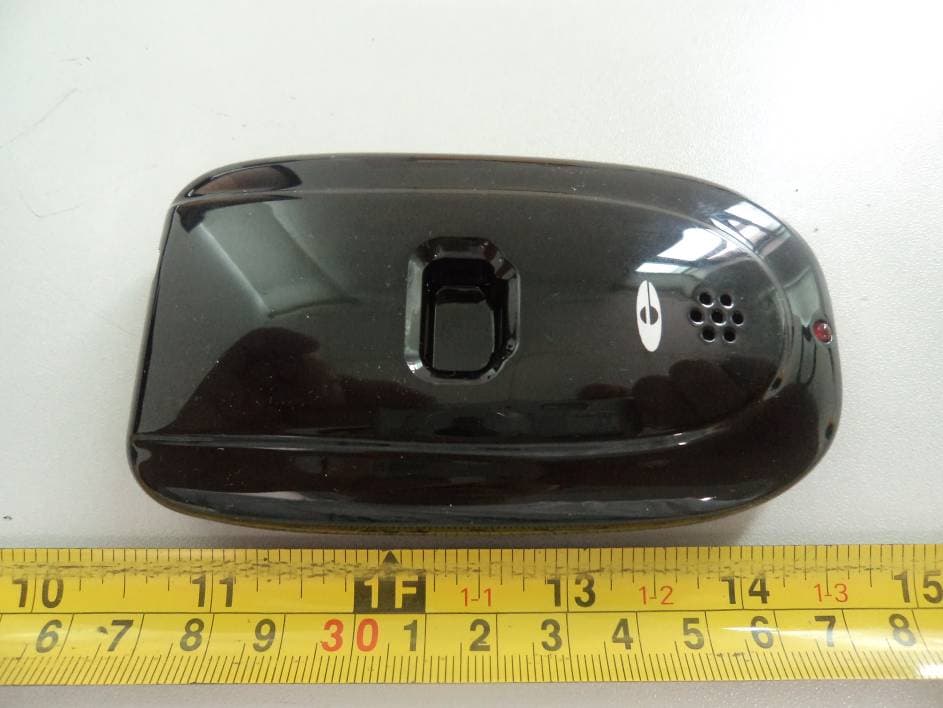
QQ715920
Mar 16, 2012ITAG
Equipment Class
DSR - Part 15 Remote Control/Security Device Transceiver
QQ7EGUARDRC900N
Mar 15, 2011Remote controller
Equipment Class
DXX - Part 15 Low Power Communication Device Transmitter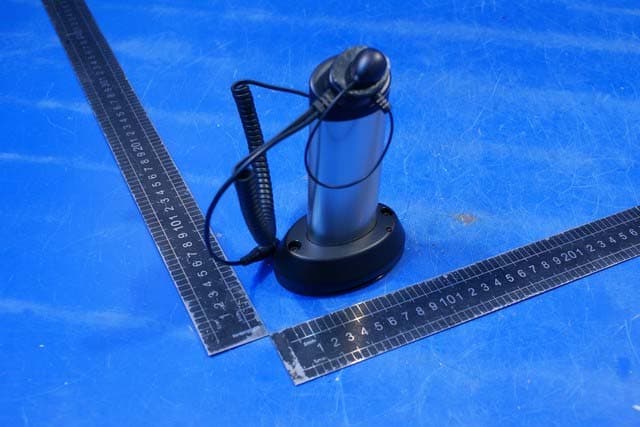
QQ7EGUARD15921N
Nov 29, 2010Removal Alert Tag
Equipment Class
DSR - Part 15 Remote Control/Security Device Transceiver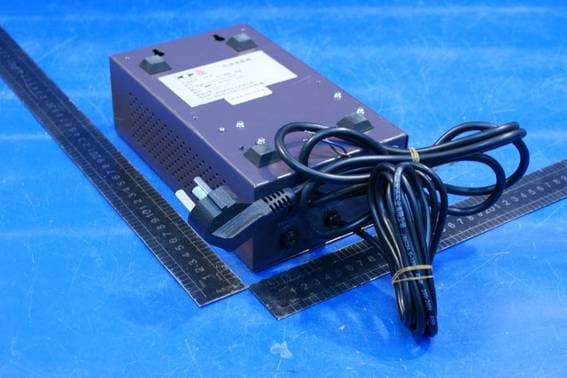
QQ7EGUARDEG3388
Jun 21, 2010Electronic Article Surveillance
Equipment Class
FAP - Part 15 Anti-Pilferage Device