S9PSDC1001wireless sensor
LifeShield, Inc.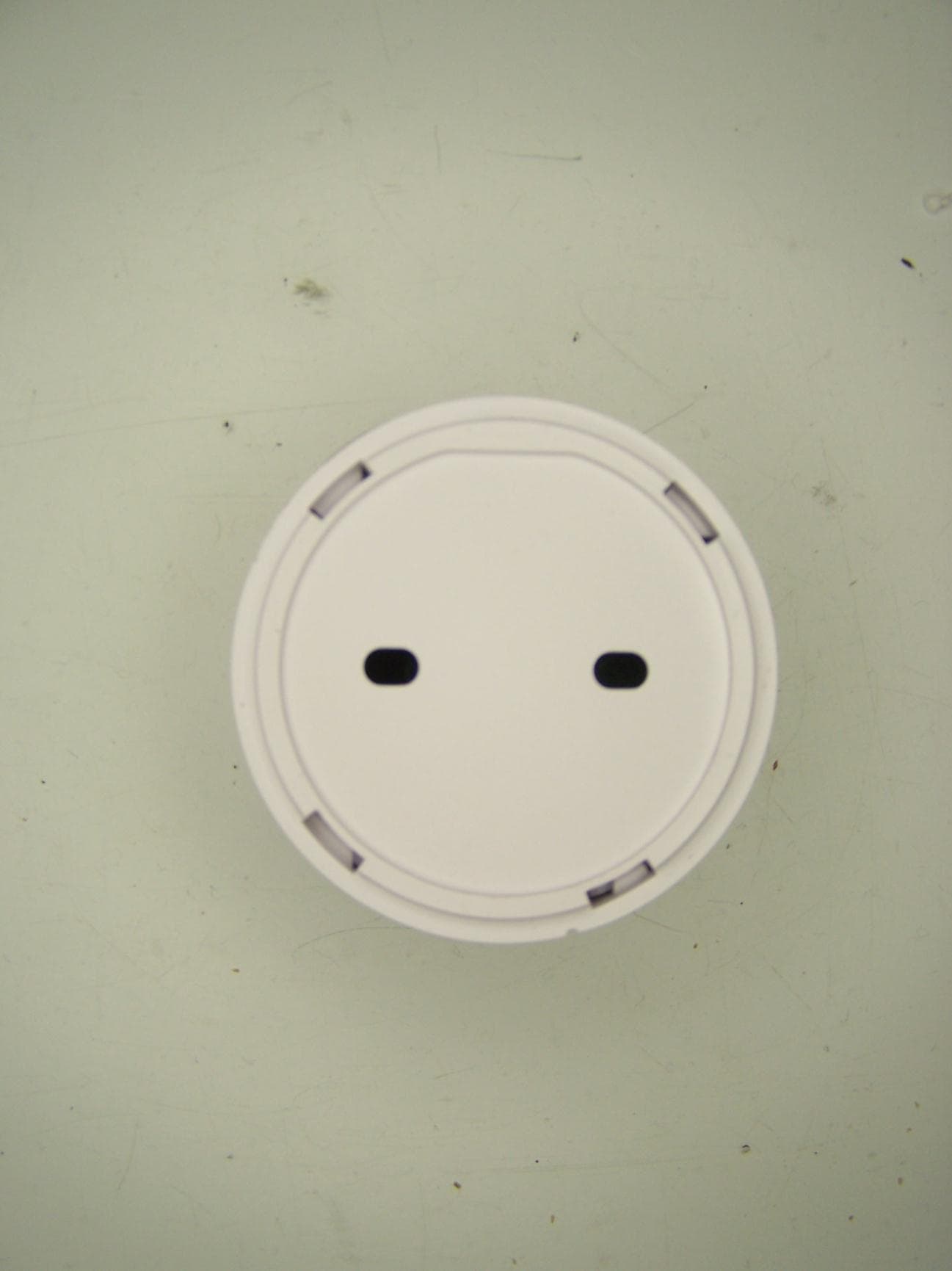
Click to zoom
Application Details
- Equipment Class
- DSC - Part 15 Security/Remote Control Transmitter
- Date of Grant
- Nov 14, 2012
- Application Purpose
- Original Equipment
- Date of Application
- Nov 14, 2012
- Equipment Note
- wireless sensor
- Frequency Range
- 345.00000000 - 345.00000000
- Company
- LifeShield, Inc.
- Country
- United States
Documents & Files
Document Text
Text extracted from the exhibit documents filed with the FCC. Open a document above to read the original.
Users Manual
Siren Detector Model SDC1001 The Siren Detector must be mounted within3 inches from a Ha zard Detector (smo ke or fire or CO detector) using double-faced adhesive or drywall anchors (provided). The Siren Detector attaches only one way to the mounting plate. Orient mounting plate as shown below. Mic rophone holes must point towards the Hazard Detector. Use your Console or LifeShie ld Android app to add the Siren Detector. Navigate to Sensors -> Add Sensor -> Siren Detector. 1) When the prompt “Press button on Siren Detector” appears, insert the battery (with correct pola rity) into the Siren Detector within 30 seconds. If you previously inserted the battery, remove the battery, wait 10 seconds, then re-insert. 2) The system will “find” the Siren Detector. You will ne xt be pro mpted to “Press button on Hazard Detector”. You will have 90 seconds after the system finds the detector to complete the next 2 steps. 3) Attach the Siren Detector to the mounting plate being certain that the microphone holes are oriented towards the Hazard Detector. 4) Press and hold the test button on your Hazard Detector long enough to cause the siren to sound. This is a required test, and the Siren Detector must successfully hear the siren. The system will report “Siren Detector Added” when complete. 5) You may edit the na me. You must select the type of Haza rd Detector associated with the Siren Detector (fire, CO, or both). The “Add” process will not complete if the test is not successful. If the test fails, re move the battery fro m the Siren Detector and repeat the above process. The battery must be installed within 30 seconds of the prompt “Press button on Siren Detector” and the Hazard Detector must be sounded within 90 seconds of the Siren Detector being found by the system. If a fter a second attempt the Siren Detector is still not added to the system other like ly causes are: - Siren sound from the Ha zard Detector is not loud enough because the Siren Detector is more than 3 inches from the Haza rd Detector - Ha za rd Detector battery is low so the sound is not loud enough - Ha za rd Detector is an older technology and is not compatible with the Siren Detector Note battery polarity, + on left Mounting holes point towards Hazard Detector. Note text orientation on base Microphone holes towards Hazard Detector IMPORTANT INFORMATION Siren Detectors operate in tandem with existing “Ha zard Detectors” including smoke, fire or carbon mono xide detectors. Siren Detectors are designed to monitor siren sounds coming fro m a nearby Ha zard Detector. When it detects the siren sound, the Siren Detector reports this event to your Life Shie ld system. If your system is actively monitored and connected to an operating telecommunications circu it, the system will send a message to the monitoring center ("Fire/Smo ke" or "Both" setting - a fire ala rm message will be sent, "Carbon Monoxide" - a carbon mono xide message will be sent). Siren Detectors are designed for use only in residential ho mes, not comme rcia l or industrial applications. The LED lights when the Siren Detector is transmitting or a siren sound is detected. A S IREN DETECTOR DOES NOT DET ECT HAZARDS S UCH AS FIRE, S MOKE, OR CARBON MONOXIDE. INSTEAD, IT MONITORS FOR THE SOUND OF HAZARD DETECTOR S IRENS THAT FEATUR E ALL OF THE FOLLOW ING: 1. ARE LOCATED W ITHIN 3 INCHES OF THE S IREN DETECTOR, 2. ARE MANUFACTURED IN THE LAST 10 YEARS IN ACCORDANCE W ITH UL985 INDUSTRY STANDARDS, 3. CREATE SOUND VOLUME OF AT LEAST 85 DB A AT 10 FEET AT 3000 HZ, AND 4. SOUND FOR AT LEAS T 20 CONTINUOUS S ECONDS. MOST HAZARD DETECTORS LESS THAN 10 YEARS OLD MEET THES E REQUIREMENTS. THE S IREN DET ECTOR MUS T S UCCESS FULLY TEST W ITH THE HAZARD DETECTOR AT LEAS T TW ICE P ER YEAR. IF A S IREN DET ECTOR DOES NOT S UCCESS FULLY RESP OND TO A HAZARD DETECTOR S IREN DURING A TES T, IT MUST NOT B E RELIED UP ON TO DET ECT A SIREN DURING AN ACTUAL HAZARD CONDITION. THE NATIONAL FIRE P ROTECTION ASSOCIATION RECOMMENDS REP LACING HAZARD DETECTORS OVER 10 YEARS OLD S INCE THE EL ECTRONICS MAY NO LONGER RELIAB LY DETECT HAZARDS. YOU MUS T REP LACE HAZARD DETECTOR AND SIREN DET ECTOR BATTERIES AT LEAS T ONCE P ER YEAR. IMMEDIATEL Y REPLACE THE B ATTERY ON ANY SIREN DETECTOR OR HAZARD DETECTOR W HEN THE B ATTERY IS LOW. S IREN AND HAZARD DET ECTORS MAY NOT OP ERATE P ROP ERLY W HEN THE BATTERY IS LOW OR OLD. IF HAZARD DET ECTORS ARE INTERCONNECT ED, ONE HAZARD DET ECTOR MAY SOUND ITS SIREN B AS ED UPON A S IGNAL REC EIVED FROM ANOTHER HAZARD DET ECTOR. IN THIS MANNER, ONE S IREN DETECTOR MAY MONITOR HAZARDS REPORTED B Y MORE THAN ONE HAZARD DETECTOR. TO DET ERMIN E INTERCONNECTION, P RESS AND HOLD THE TES T B UTTON ON ONE HAZARD DET ECTOR FOR AT LEAS T 30 S ECONDS. IF S IRENS ON OTHER HAZARD DETECTORS SOUND DURING THIS TES T, THE HAZARD DETECTORS ARE INTERCONNECTED. IF HAZARD DETECTORS ARE NOT INTERCONNECTED, A S IREN DETECTOR IS REQUIRED FOR EACH HAZARD DETECTOR. TWO (2) INDIVIDUAL SIREN DETECTORS MONITORING TWO S EP ARATE HAZARD DETECTORS IS STRONGLY RECOMMENDED. After in itia l installation, testing the Siren Detector may cause a message to the monitoring center, resulting in an eme rgency dispatch to your pre mises. To avoid this situation: Option A. Te mporarily disable monitoring prior to testing, under LifeView, Account Profile, Profile Settings. Re-enable monitoring after testing is co mplete. Option B. On the Console, put the system into "Sensor Test" mode (Utilities → System Test → Sensor Test) prior to testing. The system will return to normal operation after testing is complete. NOT E: This equip ment has been tested and found to comply with the limits for a Class B digita l device, pursuant to part 15 of the FCC Ru les. These limits are designed to provide reasonable protection against harmfu l interference in a residential installation. Th is equipment generates, uses and can radiate radio frequency energy and, if not in-stalled and used in accordance with the instructi…
Text truncated - open the document above for the full version.
ID Label/Location Info
Label Location Model: SDC1001 FCC ID: S9PSDC1001
ID Label/Location Info
MADE IN CHINA 1.06 0.32 P/N 100001204 MODEL: SDC1001 FCC ID: S9PSDC1001 www.LifeShield.com
Test Report
MET Laboratories, Inc. Safety Certification - EMI - Telecom Environmental Simulation 914 WEST PATAPSCO AVENUE BALTIMORE, MARYLAND 21230-3432 PHONE (410) 354-3300 FAX (410) 354-3313 33439 WESTERN AVENUE UNION CITY, CA 94587 PHONE (510) 489-6300 FAX (510) 489-6372 3162 BELICK ST. SANTA CLARA, CA 95054 PHONE (408) 748-3585 FAX (510) 489-6372 13301 MCCALLEN PASS AUSTIN, TX 78753 PHONE (512) 287-2500 FAX (512) 287-2513 The Nation’s First Licensed Nationally Recognized Testing Laboratory November 14, 2012 LifeShield Inc. 1275 Drummers Lane, Suite 102 Wayne, PA 19087 Dear Louis Stilp, Enclosed is the EMC Wireless test report for compliance testing of the LifeShield Inc., LifeShield Siren Detector as tested to the requirements of Title 47 of the CFR, Ch. 1 (10-1-06 ed.), FCC Part 15 Subpart B for a Class B Digital Device and FCC Part 15 Subpart C for Intentional Radiators. Thank you for using the services of MET Laboratories, Inc. If you have any questions regarding these results or if MET can be of further service to you, please feel free to contact me. Sincerely yours, MET LABORATORIES, INC. Jennifer Warnell Documentation Department Reference: (\LifeShield Inc.\EMC36595-FCC231 Rev. 1) Certificates and reports shall not be reproduced except in full, without the written permission of MET Laboratories, Inc. . MET Laboratories, Inc. Safety Certification - EMI - Telecom Environmental Simulation 914 WEST PATAPSCO AVENUE BALTIMORE, MARYLAND 21230-3432 PHONE (410) 354-3300 FAX (410) 354-3313 33439 WESTERN AVENUE UNION CITY, CA 94587 PHONE (510) 489-6300 FAX (510) 489-6372 3162 BELICK ST. SANTA CLARA, CA 95054 PHONE (408) 748-3585 FAX (510) 489-6372 13301 MCCALLEN PASS AUSTIN, TX 78753 PHONE (512) 287-2500 FAX (512) 287-2513 MET Report: EMC36595-FCC231 Rev. 1 © 2012, MET Laboratories, Inc. Page ii of vii Electromagnetic Compatibility Criteria Test Report for the LifeShield Inc. LifeShield Siren Detector Tested under the FCC Certification Rules contained in Title 47 of the CFR, Parts 15 Subpart B for Class B Digital Devices & 15.231 Subpart C for Intentional Radiators MET Report: EMC36595-FCC231 Rev. 1 November 14, 2012 Prepared For: LifeShield Inc. 1275 Drummers Lane, Suite 102 Wayne, PA 19087 Prepared By: MET Laboratories, Inc. 914 W. Patapsco Ave Baltimore, MD 21230 Electromagnetic Compatibility LifeShield Inc. Cover Letter LifeShield Siren Detector CFR Title 47, Part 15B, 15.231 MET Report: EMC36595-FCC231 Rev. 1 © 2012, MET Laboratories, Inc. Page iii of vii Electromagnetic Compatibility Criteria Test Report for the LifeShield Inc. LifeShield Siren Detector Tested Under the FCC Certification Rules contained in Title 47 of the CFR, Parts 15 Subpart B for Class B Digital Devices & 15.231 Subpart C for Intentional Radiators Jeff Pratt, Project Engineer Jennifer Warnell Electromagnetic Compatibility Lab Documentation Department Engineering Statement: The measurements shown in this report were made in accordance with the procedures indicated, and the emissions from this equipment were found to be within the limits applicable. I assume full responsibility for the accuracy and completeness of these measurements, and for the qualifications of all persons taking them. It is further stated that upon the basis of the measurements made, the equipment tested is capable of operation in accordance with the requirements of FCC Rules Parts 15B and 15.231 under normal use and maintenance. Dusmantha Tennakoon Wireless Manager, Electromagnetic Compatibility Lab Electromagnetic Compatibility LifeShield Inc. Report Status LifeShield Siren Detector CFR Title 47, Part 15B, 15.231 MET Report: EMC36595-FCC231 Rev. 1 © 2012, MET Laboratories, Inc. Page iv of vii Report Status Sheet Revision Report Date Reason for Revision November 8, 2012 Initial Issue. 1 November 14, 2012 Revised to reflect engineer corrections. Electromagnetic Compatibility LifeShield Inc. Table of Contents LifeShield Siren Detector CFR Title 47, Part 15B, 15.231 MET Report: EMC36595-FCC231 Rev. 1 © 2012, MET Laboratories, Inc. Page v of vii Table of Contents I. Executive Summary .................................................................................................................................................1 A. Purpose of Test ...................................................................................................................................................2 B. Executive Summary ............................................................................................................................................2 II. Equipment Configuration .......................................................................................................................................3 A. Overview .............................................................................................................................................................4 B. References ...........................................................................................................................................................5 C. Test Site ..............................................................................................................................................................5 D. Description of Test Sample .................................................................................................................................5 E. Equipment Configuration ....................................................................................................................................7 F. Mode of Operation ..............................................................................................................................................7 G. Monitoring Method .............................................................................................................................................7 H. Modifications .....................................…
Text truncated - open the document above for the full version.
Test Setup Photos
Photograph 1. Radiated Emissions, Test Setup, 30 MHz – 1 GHz Photograph 2. Radiated Spurious Emissions, Test Setup, 30 MHz – 1 GHz Photograph 3. Radiated Spurious Emissions, Test Setup, 1 GHz – 4 GHz
Contact Information
Applicant
Louis Stilp(President)
Technical Contact
Lifeshield, Inc.Louis Stilp
770 Township Line Road · Yardley · United States
Test Firm
EUROFINS ELECTRICAL AND ELECTRONIC TESTING NA, INCGreg Kovolenko
Technical Specifications
| # | Rule Parts | Frequency Range | Power Output |
|---|---|---|---|
| 1 | 15.231 | 345 MHz - 345 MHz | - |
Other Applications from LifeShield, Inc.
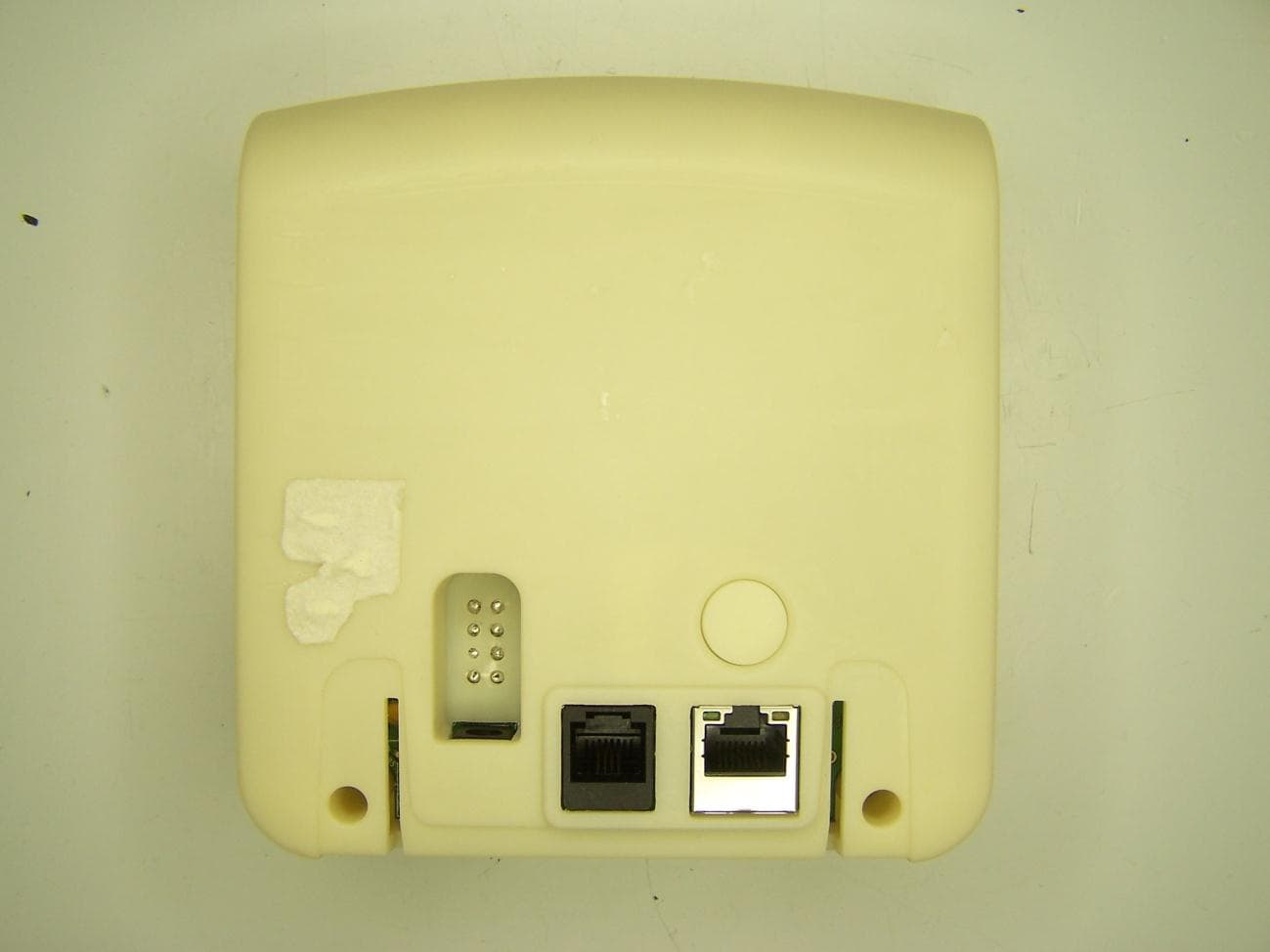
S9PBSC1001
Mar 21, 2011BSC1001 Base Unit
Equipment Class
DSS - Part 15 Spread Spectrum Transmitter
S9PSNC1010
Feb 09, 2011Wireless Security Sensor
Equipment Class
DSC - Part 15 Security/Remote Control Transmitter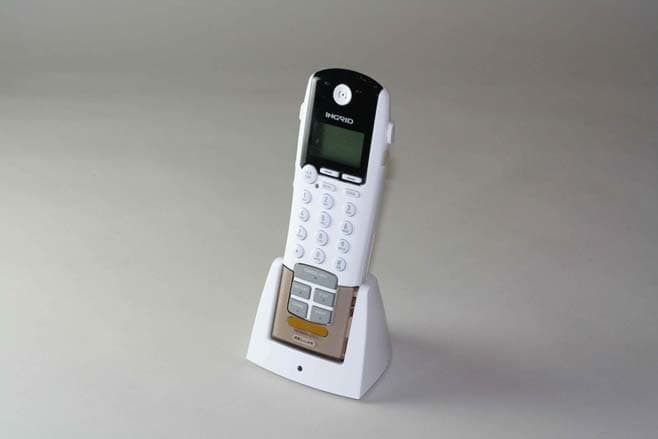
S9PHSC1000
Aug 07, 2007Wireless Grid Controller
Equipment Class
DSS - Part 15 Spread Spectrum Transmitter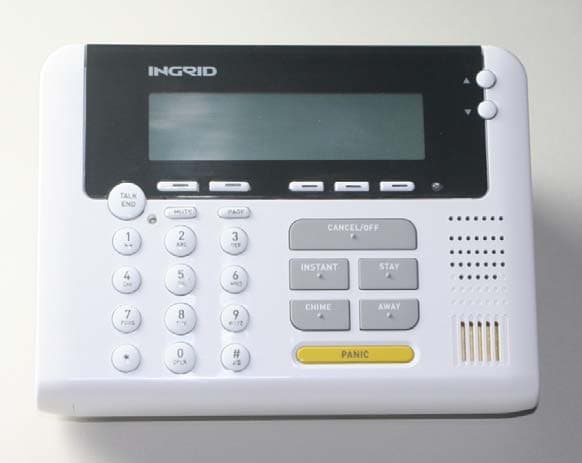
S9PKPC1000
Jun 19, 2007Wireless Security System Keypad
Equipment Class
DSS - Part 15 Spread Spectrum Transmitter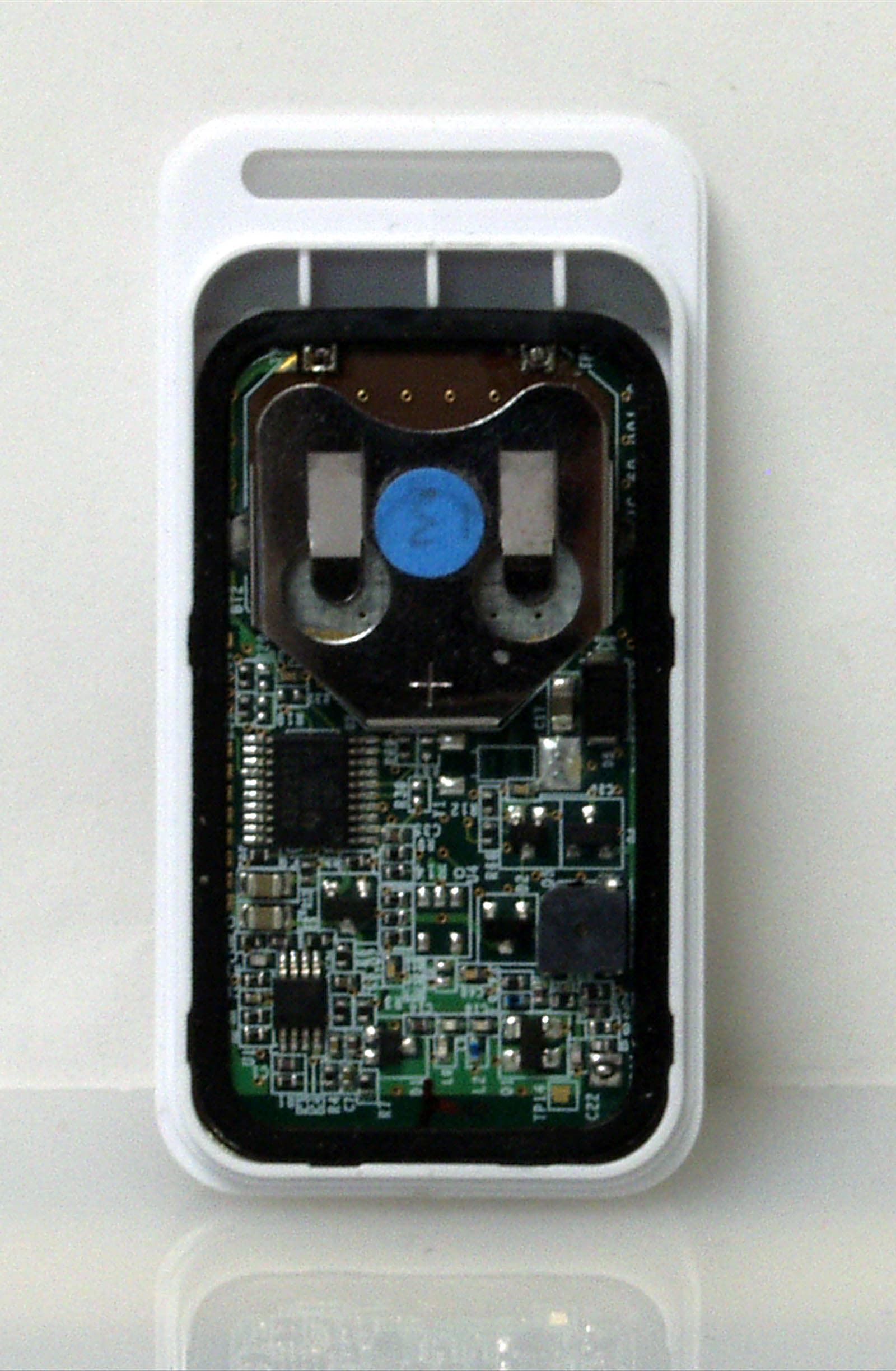
S9PKF460
Dec 12, 2006Key Chain Remote Control
Equipment Class
DSR - Part 15 Remote Control/Security Device Transceiver