SG70713HW-W716Smartphone
Haier Telecom (Qingdao) Co., Ltd.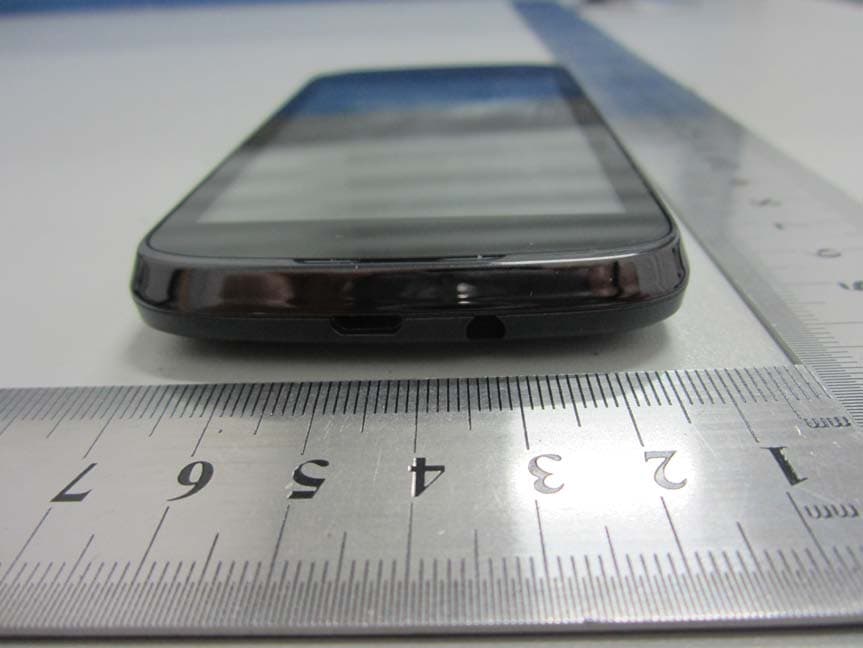
Click to zoom
Application Details
- Equipment Class
- PCE - PCS Licensed Transmitter held to ear
- Date of Grant
- Sep 11, 2013
- Application Purpose
- Original Equipment
- Date of Application
- Sep 11, 2013
- Equipment Note
- Smartphone
- Frequency Range
- 1852.40000000 - 1907.60000000
- Country
- China
Documents & Files
Document Text
Text extracted from the exhibit documents filed with the FCC. Open a document above to read the original.
Users Manual
Haier-W716 User Manual Android 4.2(Jelly Bean) is the Operating System for your Touch Screen Smartphone –Haier-W716. -2- Thanks for choosing the Haier W716, Dual SIM Android smart phone based on 1.2 GHz Quad Core Processor. This smart phone is running on Android OS, v4.2. If you’d like your phone to live a long and fruitful life, please read this guide carefully and keep it for future reference. You never know when you might need it. And don’t worry if the pictures we use to demonstrate your phone’s functions look a little different from what you see on its screen. It’s the functions that matter. * The Manufacturer reserves the right for the changes in the manual without advanced notice . INTRODUCTION -3- Table of Contents 1 Safety ...................................................................... 4 1.1 Safety Precautions ................................................... 4 1.2 Using your phone safely .......................................... 4 2 Understanding your Phone.......................................... 8 2.1 Your Phone............................................................. 8 2.2 Description Icons..................................................... 9 2.3 Inserting & Removing the battery............................ 10 2.4 Charging the battery............................................... 11 2.5 Power ON/OFF........................................................ 11 2.6 Enter Main Menu.................................................... 11 2.7 Enter Sub Menu ...................................................... 10 2.8 Use Notification Panel ............................................. 10 2.9 Expand Main Interface ............................................ 10 2.10 Add icons on the main interface .............................. 11 2.11 Move icons on the main interface ............................ 11 2.12 Delete icons on the main interface ............................. 11 2.13 Change wallpapers .................................................. 11 2.14 Install APK through File Manager ............................. 11 3 Using your Phone ....................................................... 13 3.1 Main Menu & Its Functions ..................................... 13 3.2 Wi-Fi Direct 139 4 Inputting Text............................................................ 22 5 Maintenance............................................................. 23 6 Taking Care of your Device........................................... 24 -4- 1 1 S S a a f f e e t t y y 1 1 . . 1 1 S S a a f f e e t t y y P P r r e e c c a a u u t t i i o o n n s s Please read through the following briefings carefully, and act in accordance with these rules, so as to prevent causing any danger or violating any law. •Use cell phone when the signal strength is good. Keep your calls short or instead use headset or send a text message. This advice applies especially to children, adolescents and pregnant women. • If you are using a Bluetooth headset device, please make sure it has a low power emitter. 1 1 . . 2 2 U U s s i i n n g g y y o o u u r r p p h h o o n n e e s s a a f f e e l l y y On The Road Using a phone while driving is illegal in many countries. Please follow local laws and drive safely at all times. Near Sensitive Electronics Don’t use your phone near sensitive electronic equipment – particularly medical devices such as pacemakers – as it could cause them to malfunction. It can also interfere with the operation of fire detectors and other automatic-control equipment. For more information about how your phone affects pacemakers or other electronic equipment, please contact the manufacturer or your local distributor. Your phone may cause interference when used near TVs, radios or automated office equipment. While Flying Your phone can cause interference with aircraft -5- equipment. So it’s essential you follow airline regulations. And if airline personnel ask you to switch off your phone, or disable its wireless functions, please do as they say. In Hospital Your phone may interfere with the normal operation of medical equipment. Follow all hospital regulations and turn it off when you’re asked to by posted warnings or medical staff. At a Petrol Station Don’t use your phone at petrol stations. In fact, it’s always best to switch off whenever you’re near fuels, chemicals or explosives. Around Water Keep your phone away from water (or any other liquid). It’s not a waterproof model. Making Repairs Never take your phone apart. Please leave that to the professionals. Unauthorized repairs could break the terms of your warranty. Broken Antenna Don’t use your phone if the antenna is damaged, as it could cause injury. Around Children Keep your mobile out of children’s reach. It should never be used as a toy and it might not be good for their health. Original Accessories Only use the original accessories supplied with your phone or those approved by the manufacturer. Using -6- unapproved accessories may affect performance, make the warranty void, break national regulations on the use of mobile phones, or even cause injury. Near Explosives Turn off your phone in or near areas where explosive materials are used. Always obey local laws and turn off your phone when requested. Emergency Calls To make an emergency call your phone must be turned on and in an area where there’s network coverage. Dial the national emergency number and press ‘send’. Explain exactly where you are and don’t hang up until help has arrived. Working Temperature The working temperature for the phone is between 0 Degree and 40 Degree Celsius. Please don’t use the phone outside the range. Using the phone under too high or too low temperature might cause problems. At very high volume, prolonged listening to a mobile phone can damage your hearing. -7- 2 2 U U n n d d e e r r s s t t a a n n d d i i n n g g y y o o u u r r P P h h o o n n e e 2 2 . . 1 1 Y Y o o u u r r P P h h o o n n e e Keys/Touch Points -8- Power Key: To power on/off Haier W7 16…
Text truncated - open the document above for the full version.
Cover Letter(s)
Date :August 29, 2013 To: Federal Communications Commission, Authorization & Evaluation Division, 7435 Oakland Mills Road, Columbia, MD 21046 Re: Haier Telecom (Qingdao) Co., Ltd. FCC ID: SG70713HW-W716 Confidentiality Request Gentlemen: This letter is to comply with 47 CFR 0.457 and 0.459 pertaining to confidentiality material. Haier Telecom (Qingdao) Co., Ltd. requests that the following documents regarding this submission for FCC ID: SG70713HW-W716 be kept confidential: Exhibit Type File Name Block Diagram Block Diagram.pdf Schematics Schematics.pdf Operational Description Operational description.pdf Part list BOM.pdf Tune-Up-Procedure Tune up procedure.pdf Those documents contain detailed system and equipment description and related information about the product which Haier Telecom (Qingdao) Co., Ltd. considers to be confidential proprietary, a custom design and, otherwise, not releasable to the general public. Since this design is a basis form which future technological products will evolve, Haier Telecom (Qingdao) Co., Ltd. considers this information would be of benefit to its competitors, and that the disclosure of the information in these documents would give competitors an unfair advantage in the market. James Shi Type Approval Manager Haier Telecom (Qingdao) Co., Ltd.
Cover Letter(s)
Date: March 6, 2013 To : Federal Communications Commission, Authorization & Evaluation Division, 7435 Oakland Mills Road, Columbia, MD 21046 To Whom It May Concern: The Haier Telecom (Qingdao) Co., Ltd. , the undersigned, hereby authorizes Ms. Ivy Zhu from Shenzhen Morlab Communications Technology Co., Ltd., to act on the behalf of the Haier Telecom (Qingdao) Co., Ltd. solely in matters relating to the application for an FCC equipment authorization for FCC ID # SG70713HW-W716 including the signing of documents in connection with this Application. Necessary acts carried out by Haier Telecom (Qingdao) Co., Ltd. on our behalf of the Haier Telecom (Qingdao) Co., Ltd. in connection with the Application shall have the same effect as acts of the Haier Telecom (Qingdao) Co., Ltd.. The Haier Telecom (Qingdao) Co., Ltd. also hereby certify that no party to this application is subject to a denial of benefits, including FCC benefits, pursuant to Section 5301 of the Anti-Drug Abuse Act of 1988, 21 U.S.C. 853(a). Thank you for your attention to this matter. Sincerely Yours, James Shi Type Approval Manager Haier Telecom (Qingdao) Co., Ltd.
Cover Letter(s)
Ad-HocCountry Code Cover Letter We, Haier Telecom (Qingdao) Co., Ltd., declare that this EUT (FCC ID: SG70713HW-W716) doesn’t have Ad Hoc Mode function on “non-US/Canada frequencies”. In addition, the frequency selection feature is disable by firmware for device marketed to the US/Canada. For DTS part of this device, only channel 1~11 will be used in North America. Country code selection is disabled. Should you have any questions or comments regarding this matter, please have my best attention. Sincerely yours,
Cover Letter(s)
Date: September 2, 2013 Equipment Authorization Division Office of Engineering and Technology Federal Communications Commission 7435 Oakland Mills Road Columbia, MD 21046 Ref: FCC ID: SG70713HW-W716 Dear Sirs: Haier Telecom (Qingdao) Co., Ltd. requests acceptance of the labeling proposal described below for cell phone bearing FCC identifier SG70713HW-W716. The subject Smartphone are compact handheld models as shown in figure 1. Figure 1. Because the majority of the cell phone housing is composed of display, speaker, operating controls and a removable battery pack, there is extremely limited space available to attach the required label carrying the FCC identifier. Attaching the label to the battery pack is not acceptable because the battery pack is a removable item. For this reason, Haier Telecom (Qingdao) Co., Ltd. proposes placing the label carrying the FCC identifier inside the battery compartment as shown in figure 2. Figure 2. The consumer packaging for these models includes the battery pack as a separate item, FCC ID Label NOT installed on the radio. As such, the FCC identifier will be readily visible to the user before the battery pack is installed and whenever the battery pack is removed or replaced. In this location, the label will also be protected from physical abuse and remain readable for the anticipated life of the device. The consumer packaging for these models is a "gift box" which does not allow the transceiver to be seen at time of purchase. In order to meet the requirements of 47CFR Part 2.925 (d), Haier Telecom (Qingdao) Co., Ltd. will add the FCC identifier " SG70713HW-W716 " to the outside of the consumer "gift box" packaging. Thank you for your attention to this matter. Sincerely Yours, James Shi Type Approval Manager Haier Telecom (Qingdao) Co., Ltd.
External Photos
External Photos 1. EUT full view with accessories 2. EUT front view 3. EUT rear view 4. EUT left side view 5. EUT right side view 6. EUT top view 7. EUT bottom view
ID Label/Location Info
FCC label and label location 1. Label 2. Label location Label location
Internal Photos
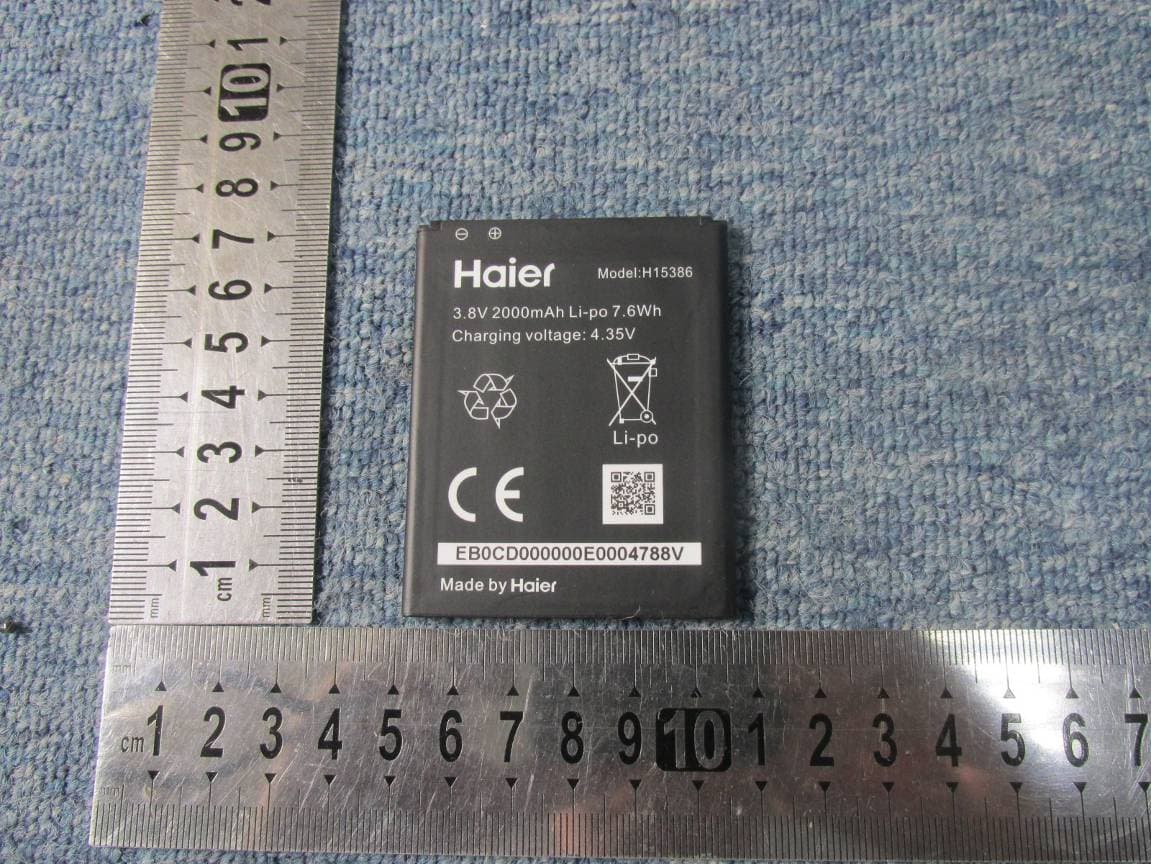
In ternal Photos 1. EUT uncover view 2. Mainboard front view with shielding 3. Mainboard rear view with shielding 4. Mainboard front view without shielding 5. Mainboard rear view without shielding 6. GSM/WCDMA chip view 7. CPU chip view 8. BT/WIFI chip view 9. GSM/WCDMA antenna view 10. BT/WIFI/GPS antenna view 11. LCD view
RF Exposure Info
SZ13080007S01 Page 2 of 149 DIRECTORY 1. TESTING LABORATORY ......................................................................................................... 4 1.1. Identification of the Responsible Testing Location .............................................................. 4 1.2. Accreditation Certificate ........................................................................................................ 4 1.3. List of Test Equipments .......................................................................................................... 4 2. TECHNICAL INFORMATION ............................................................................................... 5 2.1. Identification of Applicant ..................................................................................................... 5 2.2. Identification of Manufacturer .............................................................................................. 5 2.3. Equipment Under Test (EUT) ................................................................................................ 5 2.3.1. Photographs of the EUT .................................................................................................. 5 2.3.2. Identification of all used EUT ......................................................................................... 6 2.4. Applied Reference Documents ............................................................................................... 6 2.5. Device Category and SAR Limits .......................................................................................... 6 2.6. Test Environment/Conditions ................................................................................................ 7 3. SPECIFIC ABSORPTION RATE (SAR) ................................................................................ 8 3.1. Introduction ............................................................................................................................. 8 3.2. SAR Definition......................................................................................................................... 8 4. SAR MEASUREMENT SETUP ............................................................................................... 9 4.1. The Measurement System ...................................................................................................... 9 4.2. Probe ........................................................................................................................................ 9 4.3. Probe Calibration Process .................................................................................................... 11 4.3.1 Dosimetric Assessment Procedure ........................................................................................ 11 4.3.2 Free Space Assessment Procedure ........................................................................................ 11 4.3.2 Temperature Assessment Procedure..................................................................................... 11 4.4. Phantom ................................................................................................................................. 12 4.5. Device Holder ........................................................................................................................ 12 5. TISSUE SIMULATING LIQUIDS ......................................................................................... 13 6. UNCERTAINTY ASSESSMENT ........................................................................................... 14 6.1. UNCERTAINTY EVALUATION FOR EUT SAR TEST ................................................. 14 6.2. UNCERTAINTY FOR SYSTEM PERFORMANCE CHECK ........................................ 15 7. SAR MEASUREMENT EVALUATION ............................................................................... 17 7.1. System Setup .......................................................................................................................... 17 SZ13080007S01 Page 3 of 149 7.2. Validation Results .................................................................................................................. 18 8. OPERATIONAL CONDITIONS DURING TEST ................................................................ 19 8.1. Informations on the testing .................................................................................................. 19 8.2. Body-worn Configurations ................................................................................................... 20 8.3. Measurement procedure ....................................................................................................... 20 8.4. Description of interpolation/extrapolation scheme ............................................................ 21 9. MEASUREMENT OF CONDUCTED PEAK OUTPUT POWER ..................................... 22 10. TEST RESULTS LIST .............................................................................................................. 25 11. HOTSPOT MODE EVALUATION PROCEDURE .............................................................. 28 12. MULTIPLE TRANSMITTERS EVALUATION ................................................................ 30 ANNEX A GRAPH TEST RESULTS ............................................................................................ 33 Change History Issue Date Reason for change 1.0 Aug. 29, 2013 First edition SZ13080007S01 Page 4 of 149 1. Testing Laboratory 1.1. Identification of the Responsible Testing Location Name: Shenzhen Morlab Communications Technology Co., Ltd. Morlab Laboratory Address: FL.3, Building A, FeiYang Science Park, No.8 LongChang Road, Block 67, BaoAn District, ShenZhen, GuangDong Province, P. R. China 518101 1.2. Accreditation Certificate Accredited Testing Laboratory: No. CNAS L3572 1.3. List of Test Equipments No. Instrument Type Cal. Date Cal. Due 1 PC Dell (Pentium IV 2.4GHz, SN:X10-23533) (n.…
Text truncated - open the document above for the full version.
Test Report
Report No.: SZ13080007W01 Page 2 of 89 TABLE OF CONTENTS 1. GENERAL INFORMATION .................................................................................................... 3 1.1 EUT Description ......................................................................................................................... 3 1.2 Test Standards and Results ........................................................................................................ 5 1.3 Facilities and Accreditations ...................................................................................................... 6 2. 47 CFR PART 2, PART 22H & 24E REQUIREMENTS ........................................................ 7 2.1 Conducted RF Output Power .................................................................................................... 7 2.2 Peak to Average Radio .............................................................................................................. 16 2.3 99% Occupied Bandwidth ....................................................................................................... 20 2.4 Frequency Stability ................................................................................................................... 33 2.5 Conducted Out of Band Emissions ......................................................................................... 37 2.6 Band Edge ................................................................................................................................. 56 2.7 Transmitter Radiated Power (EIRP/ERP) ............................................................................. 63 2.8 Radiated Out of Band Emissions ............................................................................................ 70 Change History Issue Date Reason for change 1.0 Aug 28, 2013 First edition Report No.: SZ13080007W01 Page 3 of 89 1. GENERAL INFORMATION 1.1 EUT Description EUT Type ............................. : Smartphone Serial No. .............................. : (n.a, marked #1 by test site) Hardware Version ................. : W72_MB_A Software Version .................. : Applicant .............................. : Manufacturer ........................ : HW-W716-H01-S002-AM Qingdao Haier Telecom Co.,Ltd. No.1,Haier Road,Haier information Property Zone, Qingdao, P.R.China Qingdao Haier Telecom Co.,Ltd. No.1,Haier Road,Haier information Property Zone, Qingdao, P.R.China Frequency Range .................. : GSM 850MHz: Tx: 824.20 - 848.80MHz (at intervals of 200kHz); Rx: 869.20 - 893.80MHz (at intervals of 200kHz) GSM 1900MHz: Tx: 1850.20 - 1909.80MHz (at intervals of 200kHz); Rx: 1930.20 - 1989.80MHz (at intervals of 200kHz) WCDMA 850MHz Tx: 826.4 - 846.6MHz (at intervals of 200kHz); Rx: 871.4 - 891.6MHz (at intervals of 200kHz) WCDMA 1900MHz Tx: 1852.4 - 1907.6MHz (at intervals of 200kHz); Rx: 1932.4 - 1987.6MHz (at intervals of 200kHz) Modulation Type................... : GSM,GPRS Mode with GMSK Modulation HSDPA Mode with QPSK Modulation Multislot Class ...................... : GPRS: Multislot Class12 Antenna Type ........................ : PIFA Antenna Emission Designators ........... : GSM 850:248KGXW,GSM 1900:250KGXW WCDMA 850:4M18F9W ,WCDMA1900:4M18F9W Note 1: The transmitter (Tx) frequency arrangement of the Cellular 850MHz band used by the EUT can be represented with the formula F(n)=824.2+0.2*(n-128), 128<=n<=251; the lowest, middle, highest channel numbers (ARFCHs) used and tested in this report are separately 128 (824.2MHz), 190 (836.6MHz) and 251 (848.8MHz). Note 2: The transmitter (Tx) frequency arrangement of the PCS 1900MHz band used by the EUT can be represented with the formula F(n)=1850.2+0.2*(n-512), 512<=n<=810; the lowest, middle and highest channel numbers (ARFCHs) used and tested in this report are separately 512 (1850.2MHz), 661 (1880.0MHz) and 810 (1909.8MHz). Note 3: The transmitter (Tx) frequency arrangement of the WCDMA 850MHz band used by the EUT Report No.: SZ13080007W01 Page 4 of 89 can be represented with the formula F(n)=826.4+0.2*(n-4132), 4132<=n<=4233; the lowest, middle and highest channel numbers (ARFCHs) used and tested in this report are separately 4132 (826.4MHz), 4175(835MHz) and 4233 (846.6MHz). Note 4: The transmitter (Tx) frequency arrangement of the WCDMA 1900MHz band used by the EUT can be represented with the formula F(n)=1852.4+0.2*(n-9262), 9262<=n<=9538; the lowest, middle and highest channel numbers (ARFCHs) used and tested in this report are separately 9262 (1852.4MHz), 9400 (1880MHz) and 9538 (1907.6MHz). Note 5: For a more detailed description, please refer to Specification or User’s Manual supplied by the applicant and/or manufacturer. Note 6: After pre-scan test,the SIM Card 1 was the worst case,so we did the testing and recorded the results according to SIM card 1. Report No.: SZ13080007W01 Page 5 of 89 1.2 Test Standards and Results The objective of the report is to perform testing according to 47 CFR Part 2, Part 22 and Part 24 for the EUT FCC ID Certification: No. Identity Document Title 1 47 CFR Part 2 (10-1-12 Edition) Frequency Allocations and Radio Treaty Matters; General Rules and Regulations 2 47 CFR Part 22 (10-1-12 Edition) Public Mobile Services 3 47 CFR Part 24 (10-1-12 Edition) Personal Communications Services Test detailed items/section required by FCC rules and results are as below: No. Section Description Result 1 2.1046 Conducted RF Output Power PASS 2. 24.232(d) Peak to average radio PASS 2 2.1049,22.917 24.238, 99% Occupied Bandwidth PASS 3 2.1055,22.355 24.235 Frequency Stability PASS 4 2.1051,2.1057 22.917,24.238, Conducted Out of Band Emissions PASS 5 2.1051,2.1057 22.917,24.238 Band Edge PASS 6 22.913,24.232 Transmitter Radiated Power (EIPR/ERP) PASS 7 2.1053,2.1057 22.917,24.238 Radiated Out of Band Emissions PASS NOTE:Measurement method according to TIA/EIA 603.D-2010 Report No.: SZ13080007W01 Page 6 of 89 1.3 Facilities and Accreditations 1.3.1 Facilities Shenz…
Text truncated - open the document above for the full version.
Test Setup Photos
Test Setup Photos 1. Conducted Spurious Emission 2. Radiated Spurious Emission
Test Setup Photos
1 EUT Right Head Touch Cheek Position 2 EUT Right Head Tilt15 Position SZ13070112S01 Page 2 of 6 3 EUT Left Head Touch Cheek Position 4 EUT Left Head Tilt15 Position SZ13070112S01 Page 3 of 6 5 Side Position with earphone 6 Side Position 10mm 10mm SZ13070112S01 Page 4 of 6 7. Edge A 8. Edge B 10mm 10mm SZ13070112S01 Page 5 of 6 9. Edge C 10. Edge D 10mm 10mm SZ13070112S01 Page 6 of 6 Liquid Level Photo Head Liquid Liquid depth: 15.1cm Liquid Level Photo Body Liquid Liquid depth :15.5cm
Contact Information
Applicant
David Yang(Certification Manager)
Test Firm
Shenzhen Morlab Communications Technology Co., LtdIvy zhu
Technical Specifications
| # | Rule Parts | Frequency Range | Power Output | Emission | Tolerance |
|---|---|---|---|---|---|
| 4 | 24E | 1.85 GHz - 1.91 GHz | 215.00 mW | 4M18F9W | 0.032 ppm |
Other Applications from Haier Telecom (Qingdao) Co., Ltd.
SG7201511L50
Dec 07, 2015Mobile Phone
Equipment Class
DTS - Digital Transmission System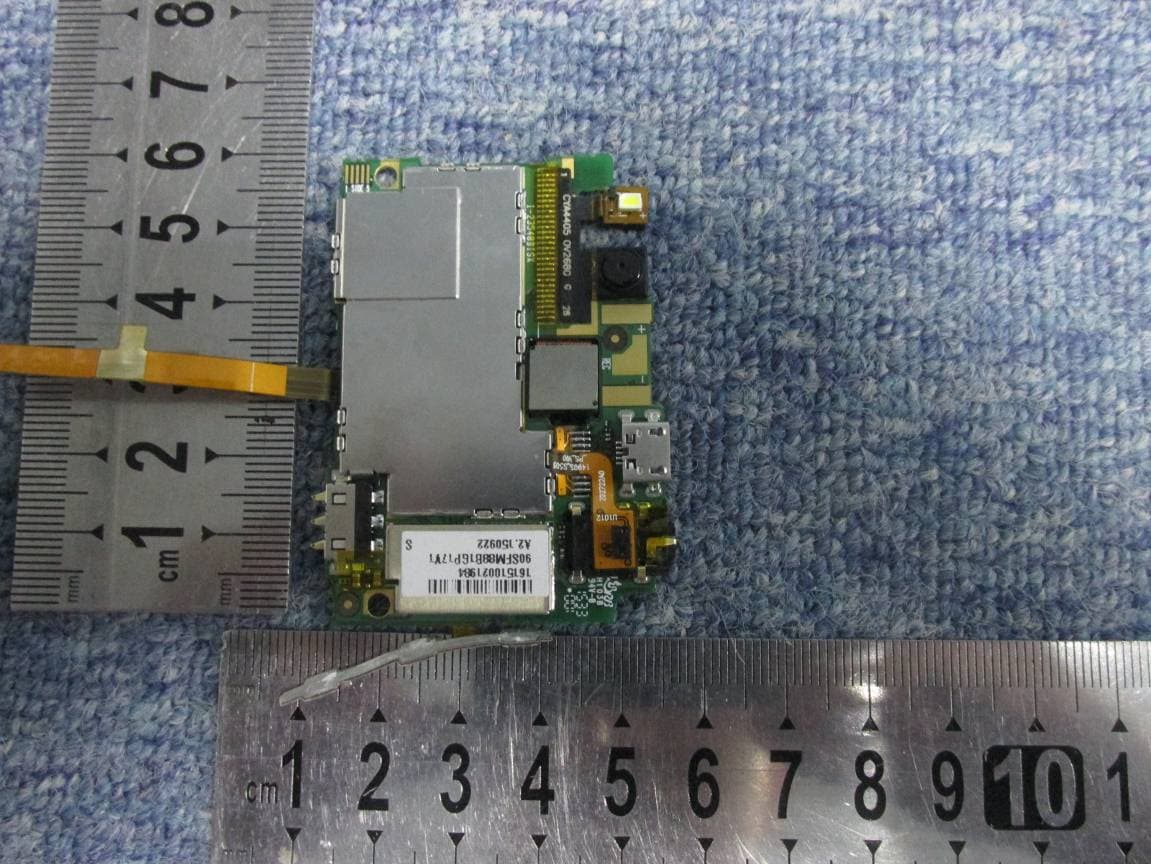
SG7201511L32
Dec 03, 2015Mobile Phone
Equipment Class
PCE - PCS Licensed Transmitter held to ear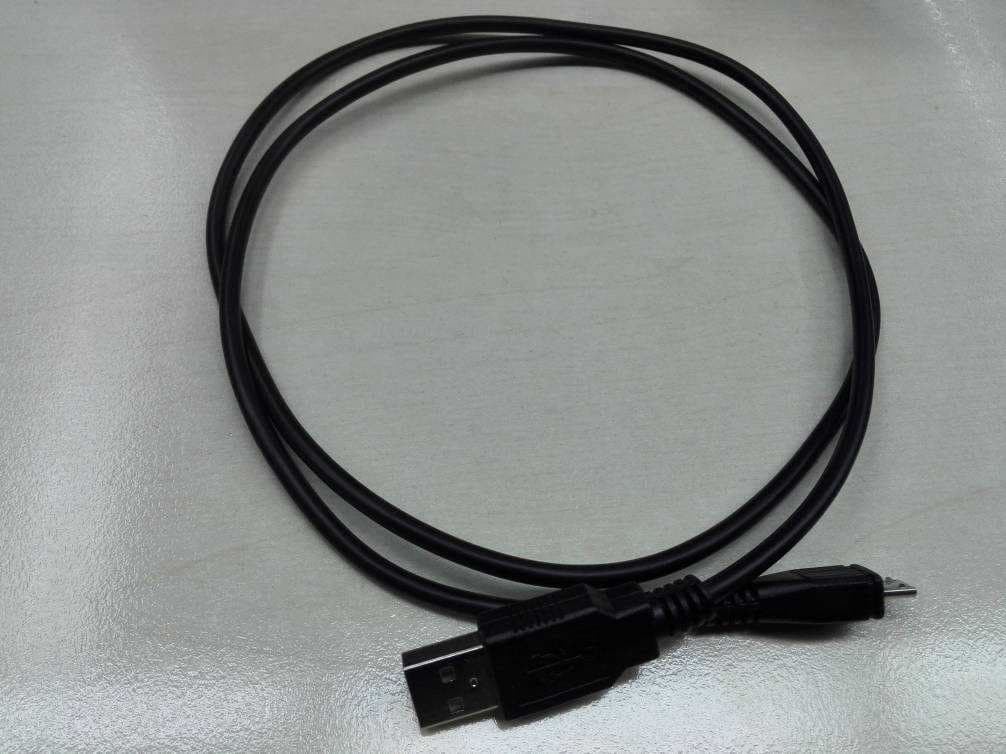
SG71507L51
Dec 03, 2015L51
Equipment Class
DTS - Digital Transmission System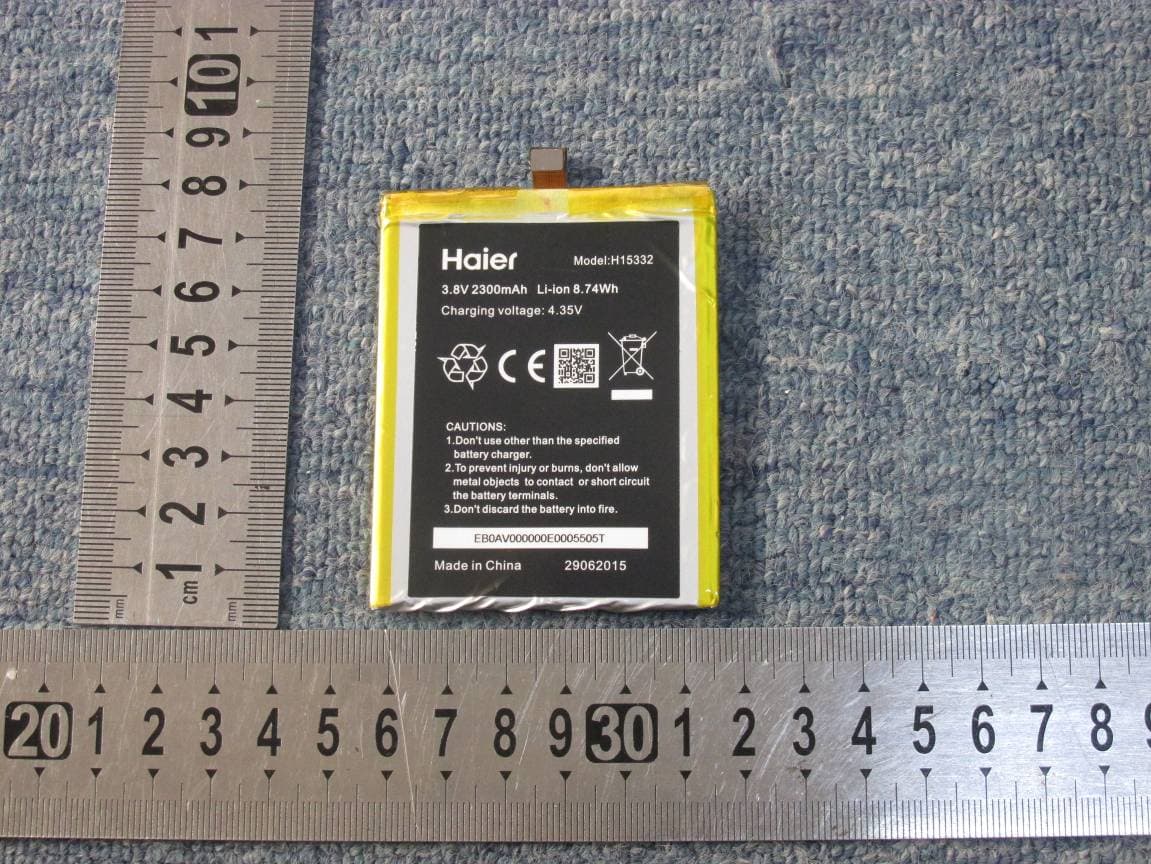
SG720151015I70
Nov 03, 2015Smart phone
Equipment Class
PCE - PCS Licensed Transmitter held to ear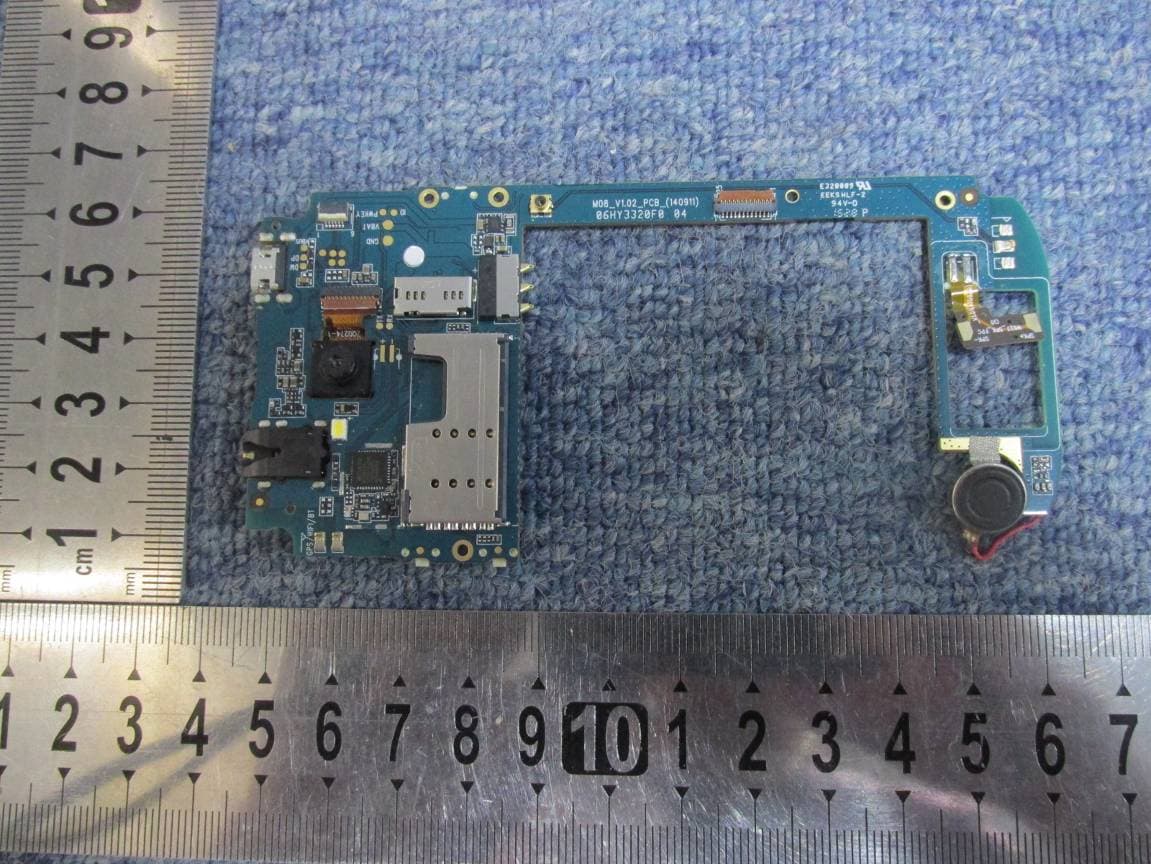
SG720151010G10
Oct 22, 2015Mobile phone
Equipment Class
DSS - Part 15 Spread Spectrum Transmitter