TCOSP3520Sailor SP3520 Hand Held VHF Radiotelephone (GMDSS)
Thrane & Thrane A/S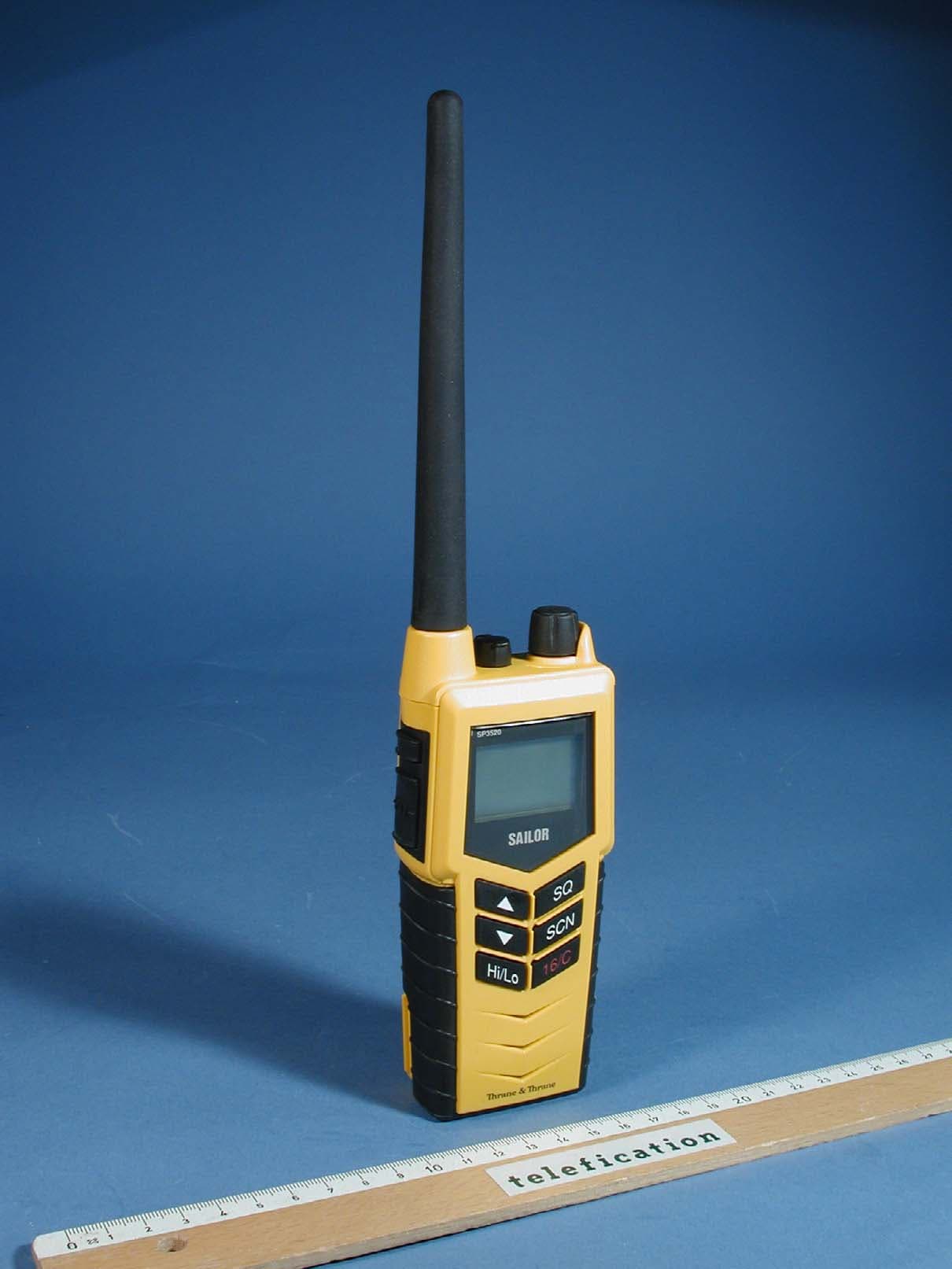
Click to zoom
Application Details
- Equipment Class
- GHH - Part 80 VHF Hand Held Transmitter (GMDSS)
- Date of Grant
- May 22, 2007
- Application Purpose
- Original Equipment
- Date of Application
- May 22, 2007
- Equipment Note
- Sailor SP3520 Hand Held VHF Radiotelephone (GMDSS)
- Frequency Range
- 156.02500000 - 157.42500000
- Company
- Thrane & Thrane A/S
- Country
- Denmark
Documents & Files
Document Text
Text extracted from the exhibit documents filed with the FCC. Open a document above to read the original.
Users Manual
SAILOR SP3520 VHF GMDSS USER MANUAL Emergency procedure • Remove the top-seal of the yellow emergency battery package. • Insert the battery package into the handheld transceiver. • Turn the knob at the top of the radio clockwise. The display lights up showing the last used channel and the battery level. • Select channel 16 (Distress or Safety), press the 16/C key. • Press the PTT and say: — “MAYDAY, MAYDAY, MAYDAY”, — “This is”..... ships name repeated three times — — “MAYDAY” — “This is”..... ships name and call sign, — The ship’s position in latitude and longitude or other reference to a known geographical location, — The nature of distress and assistance wanted, — Any other information which might facilitate the rescue. — “OVER” • Release PTT and listen for answer. 0709 i SP3520 VHF GMDSS Document number: TT 98-124294-B Release date: March, 2007 Copyright: © 2007 Thrane & Thrane A/S. All rights reserved. Trademark Acknowledgements •SAILOR is a registered trademark of Thrane & Thrane A/S. •Other product and company names mentioned in this manual may be trademarks or trade names of their respective owners. Warranty limitation IMPORTANT - The radio is a sealed waterproof unit. To create and maintain its waterproof integrity it was assembled in a controlled environment using special equipment. The radio is not a user maintainable unit, and under no circumstances should the unit be opened except by authorized personnel. Unauthorized opening of the unit will invalidate the warranty. Disclaimer Any responsibility or liability for loss or damage in connection with the use of this product and the accompanying documentation is disclaimed by Thrane & Thrane. The information in this manual is provided for information purposes only, is subject to change without notice, may contain errors or inaccuracies, and represents no commitment whatsoever by Thrane & Thrane. This agreement is governed by the laws of Denmark. Manuals issued by Thrane & Thrane are periodically revised and updated. Anyone relying on this information should satisfy himself/herself as to the most current version. Providers with access to Thrane & Thrane's Extranet may obtain current copies of manuals at: http://extranet.thrane.com. Thrane & Thrane is not responsible for the content or accuracy of any translations or reproductions, in whole or in part, of this manual from any other source. 0709 ii Precautions Avoid water and salt in the I/O connector and keep it clean frequently. Only use original Thrane & Thrane battery packs. Make sure they are clean and dry before attaching the transceiver. Be careful not to damage any gaskets. Only use the original Thrane & Thrane charger for the rechargeable battery. Be very careful when handling the Lithium batteries. With correct use they are safe but any misuse might cause dangerous situations. Never short circuit the battery terminals, never expose the transceiver and the batteries to extreme temperature or fire and never use any kind of violence. Avoid close contact between the antenna and parts of the human body. The top of the antenna must never be closer than 5 cm to the body when transmitting. Do not submerge the transceiver more than 1 m for 30 minutes. Keep the transceiver at least 0.3 m away from the magnetic compass. 0709 iii Training information SAILOR SP3520 VHF GMDSS is designed for "occupational use only". It must be operated by licensed personnel only. The SP3520 complies with the FCC RF exposure limits for "Occupational Use Only". • FCC OET Bulletin 65 Supplement C, evaluating compliance with FCC guidelines for human exposure to radio frequency electromagnetic fields. • American National Standards Institute (C95.1) IEEE standard for safety levels with respect to human exposure to radio frequency electromagnetic fields, 3 kHz to 300 GHz. • American National Standards Institute (C95.3) IEEE recommended practice for the measurement of potentially hazardous electromagnetic fields - RF and microwaves. Correct use For best performance, hold the radio vertically and 10 cm away from the head when talking into the microphone. Warning!Your Thrane & Thrane VHF radio generates electromagnetic RF (radio frequency) energy when transmitting. To ensure that you are not exposed to excessive amounts of energy and thus to avoid health hazards from excessive exposure to RF energy, all persons must be at least 5 cm away from the antenna when the radio is transmitting. 0703 iv 0641 v Contents Chapter Introduction Your VHF GMDSS .................................................................1 Performance ....................................................................... 2 Channels ............................................................................ 2 Chapter Operation Controls .............................................................................. 3 Keys and buttons ................................................................ 3 The display .........................................................................5 Using the VHF .....................................................................6 Basic functions ...................................................................6 Other functions ...................................................................9 Configuring the VHF GMDSS ..............................................10 Entering and using configuration mode ............................10 Configuration settings ....................................................... 11 Chapter Batteries Battery types .....................................................................13 The primary battery ...........................................................13 The secondary battery .......................................................14 Battery level indication ......................................................14 Removing and inserting the battery pack ...........................14 The battery charger ..........................................................…
Text truncated - open the document above for the full version.
External Photos
Photographs module 99788231 External PHOTOGRAPH 1: FRONT VIEW......................................................................................................................... 2 PHOTOGRAPH 2: REAR VIEW........................................................................................................................... 3 PHOTOGRAPH 3: HANDHELD IN STAND........................................................................................................... 4 Page: 2 of 4 Report number: 99788231 Photograph 1: Front view Page: 3 of 4 Report number: 99788231 Photograph 2: Rear view Page: 4 of 4 Report number: 99788231 Photograph 3: Handheld in stand
ID Label/Location Info
This number must be change every new year 2007 - 07, 2008 - 08 etc. Serial number Bar code 128 for serial number Bar code 128 for 623520A Chamfer 1.5x1.5 Produced Year/Week e.g. 2007/25 28 38 3 x R1.5 R0.5 R0.5 0575 - 06 0575 - 06 P/N 623520A Thrane & Thrane A/S Compas safe distance - 0.3m S/N xxxxxxxxxx FCC ID: TCOSP3520 Type SP3520 I I I I I I I I I I l l I I I I I I I l l l l Complies with the FCC requirements for survival craft two-way radioptelephone equipment YYYY/WW P/N 623520A Thrane & Thrane A/S S/N xxxxxxxxxx FCC ID: TCOSP3520 Type SP3520 I I I I I I I I I I l l I I I I I I I l l l l equipment YYYY/WW Compas safe distance - 0.3m Complies with the FCC requirements for survival craft two-way radioptelephone FIRST ANGLE PROJECTION TT48-124341 Type label SP3520, 623520A A4 LTRDESCRIPTIONDATEAPPROVAL REVISIONS ORIGINALA-- Complies with.....etc. addedB Year/Week added Compas safe distance changed from 0.5m > 0.3m26.03.07CMA SIZECODE IDENT NO.DRAWING NO. SHEET 1 OFSCALE MATERIAL LIN. DIM. ANGLES AP. AP. CH. DR. TITLE 28.09.06 1:1 0.15mm incl. adhesive Silver polyester Helge Hoff Connie Madsen 26.01.07 26.01.07 1 Connie Madsen UNLESS OTHERWISE SPECIFIED DIMENSIONS ARE IN MILLIMETRE AND TOLERANCES ARE IN ACCOR- DANCE WITH DS 22768-1-m. Black print on silver polyester, self-adhesive on the back. The material must be UL approved. Telecommunications Engineering CopenhagenDenmark
Internal Photos
Photographs module 99788231 Internal PHOTOGRAPH 1: DISASSEMBLED VIEW (FRONT).............................................................................................. 2 PHOTOGRAPH 2: DISASSEMBLED VIEW (REAR)................................................................................................ 3 Page: 2 of 3 Report number: 99788231 Photograph 1: Disassembled view (front) Page: 3 of 3 Report number: 99788231 Photograph 2: Disassembled view (rear)
Test Report
Test report 99788231 based on: FCC Part 80 (10-1-06 Edition) VHF GMDSS handheld radiotelephone SAILOR SP3520 Report number: 99788231 Contents MAIN MODULE.......................................................................................................................................................3 1 I NTRODUCTION ...............................................................................................................................................3 2 P RODUCT ........................................................................................................................................................4 3 T EST SCHEDULE ..............................................................................................................................................4 4 P RODUCT DOCUMENTATION ............................................................................................................................5 5 O BSERVATIONS AND COMMENTS .....................................................................................................................5 6 S UMMARY .......................................................................................................................................................5 7 C ONCLUSIONS .................................................................................................................................................6 TEST RESULTS MODULE.....................................................................................................................................7 1 S UMMARY .......................................................................................................................................................7 2 T EST RESULTS .................................................................................................................................................8 2.1 Radiated spurious (< 30 MHz), exploratory .........................................................................................8 2.2 Radiated spurious (> 30 MHz), cabinet radiation ................................................................................9 2.3 Conducted spurious at the antenna terminal.......................................................................................12 2.4 Occupied bandwidth ............................................................................................................................13 2.5 Frequency deviation ............................................................................................................................14 2.6 Effective radiated power......................................................................................................................15 2.7 Transmitter power ...............................................................................................................................16 2.8 Frequency stability..............................................................................................................................17 2.9 Receiver sensitivity ..............................................................................................................................18 2.10 Capacity of the battery ........................................................................................................................19 2.11 Human exposure to RF radiation ........................................................................................................20 2.12 Permanently attached antenna ............................................................................................................21 2.13 Labelling..............................................................................................................................................22 USED TEST EQUIPMENT MODULE.................................................................................................................23 This report comprises of three modules. The total number of pages is: 23 Page: 3 of 23 Main module Report number: 99788231 Main module 1 Introduction This report contains the result of tests performed by: Telefication bv Edisonstraat 12a 6902 PK Zevenaar The Netherlands Telefication complies with the accreditation criteria for test laboratories as laid down in ISO/IEC 17025:2005. The accreditation covers the quality system of the laboratory as well as the specific activities as described in the authorized annex bearing the accreditation number L021 and is granted on 30 November 1990 by the Dutch Council For Accreditation (RvA: Raad voor Accreditatie). The copyright of this test report is owned by Telefication bv and may not be reproduced except in full without the written approval of Telefication bv. Ordering party: Company name : Thrane & Thrane A/S Address : Porsvej 2 Zipcode : 9000 City/town : Aalborg Country : Denmark Date of order : 30 November 2006 Page: 4 of 23 Main module Report number: 99788231 2 Product A sample of the following product was submitted for testing: Product name : VHF GMDSS handheld radiotelephone Product category : Portable ship station (GMDSS) Manufacturer : Thrane & Thrane A/S Trade mark : SAILOR Type designation : SP3520 FCC ID : TCOSP3520 Hardware version : -- Software version : V 1.00.02 Serial number : 1234560003 Emission designator : 16K0G3E 3 Test schedule Tests are carried out in accordance with the specification detailed in chapter 6 "Summary" of this report. Tests are carried out at the following locations: • Telefication, Zevenaar • TNO EPS, Niekerk (FCC listed site nr. 90828) Tests are carried out between: • 2 February and 16 March 2007 Page: 5 of 23 Main module Report number: 99788231 4 Product documentation For production of this report the following product documentation is used: Description Date Identification User manual SP3520 VHF 3/2007 TT-98-124292-B Issue:B/0709 The above mentioned documentation will be filed at Telefication B.V. Zevenaar for a period of 10 years …
Text truncated - open the document above for the full version.
Test Setup Photos
Photographs module 99788231 Test setup PHOTOGRAPH 1: TEST SETUP RADIATED EMISSIONS (<30 MHZ) ..................................................................... 2 PHOTOGRAPH 2: TEST SETUP RADIATED EMISSIONS (>30 MHZ) ..................................................................... 3 Page: 2 of 3 Report number: 99788231 Photograph 1: Test setup radiated emissions (<30 MHz) Page: 3 of 3 Report number: 99788231 Photograph 2: Test setup radiated emissions (>30 MHz)
Contact Information
Applicant
Helge Hoff(Senior Engineer)
Test Firm
Kiwa Nederland B.V.Willem Jong
[email protected]+31 889983621
Technical Specifications
| # | Rule Parts | Frequency Range | Power Output | Emission | Tolerance |
|---|---|---|---|---|---|
| 2 | 80.1101(c)(7) | 156.025 MHz - 157.425 MHz | 650.00 mW | 16K0G3E | 3 ppm |
Other Applications from Thrane & Thrane A/S
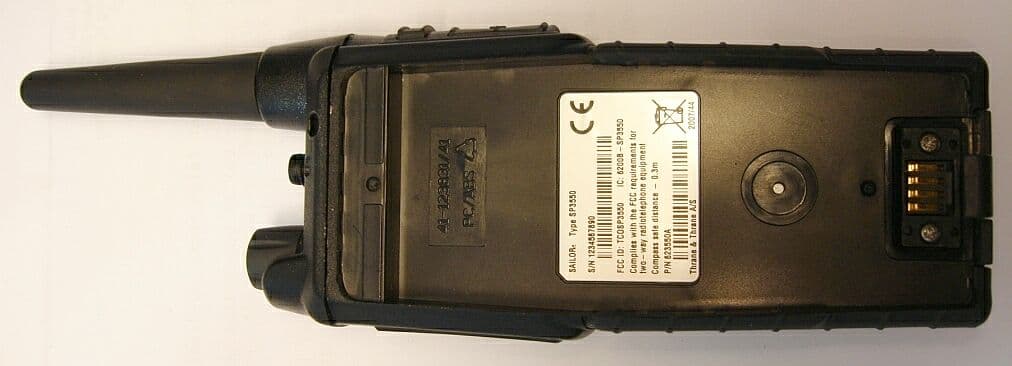
TCOSP3550
Jan 21, 2008UHF Transceiver
Equipment Class
TNF - Licensed Non-Broadcast Transmitter Held to Face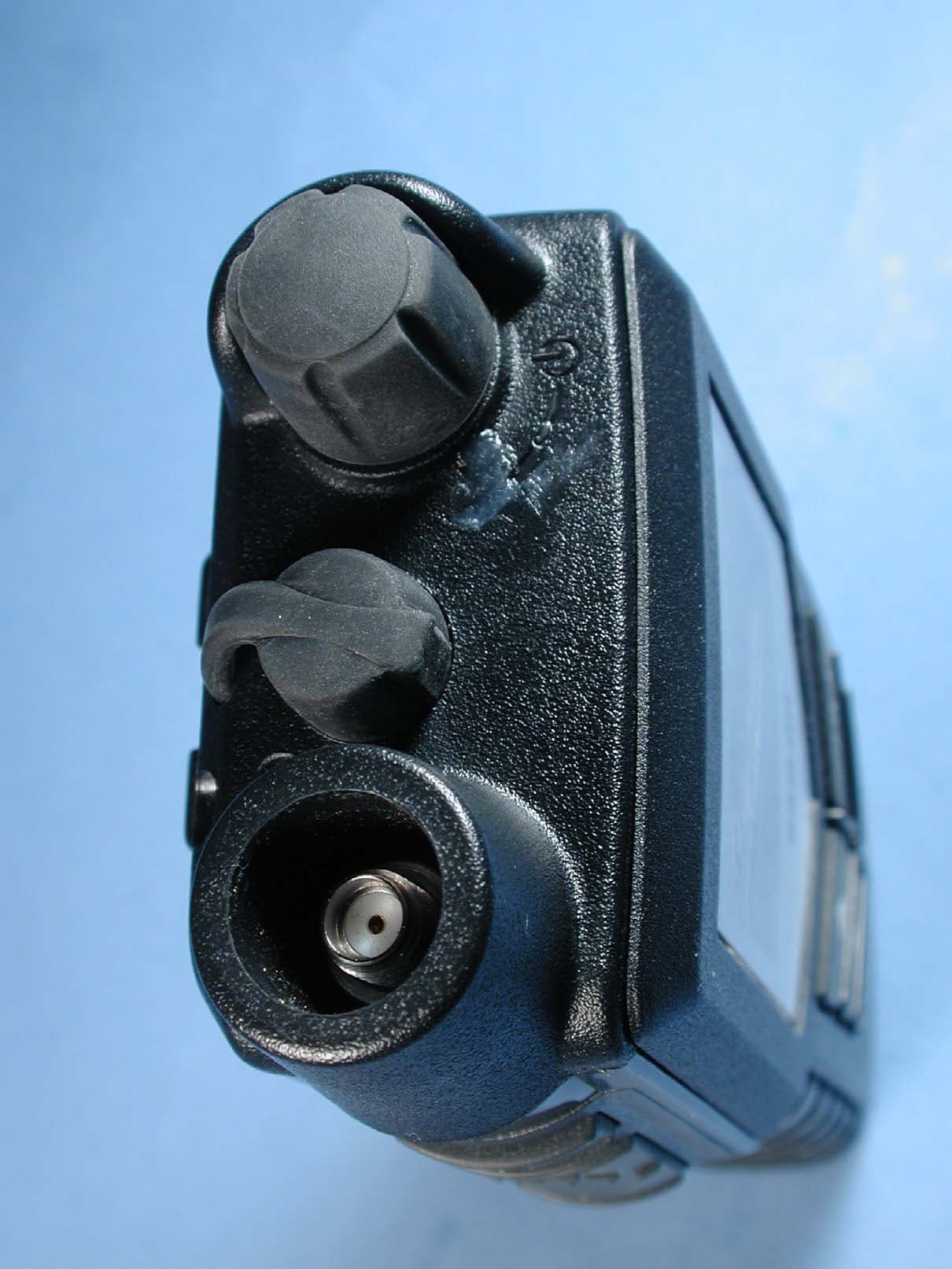
TCOSP3510
Jun 18, 2007Sailor SP3510 Hand Held VHF Radiotelephone
Equipment Class
TNF - Licensed Non-Broadcast Transmitter Held to Face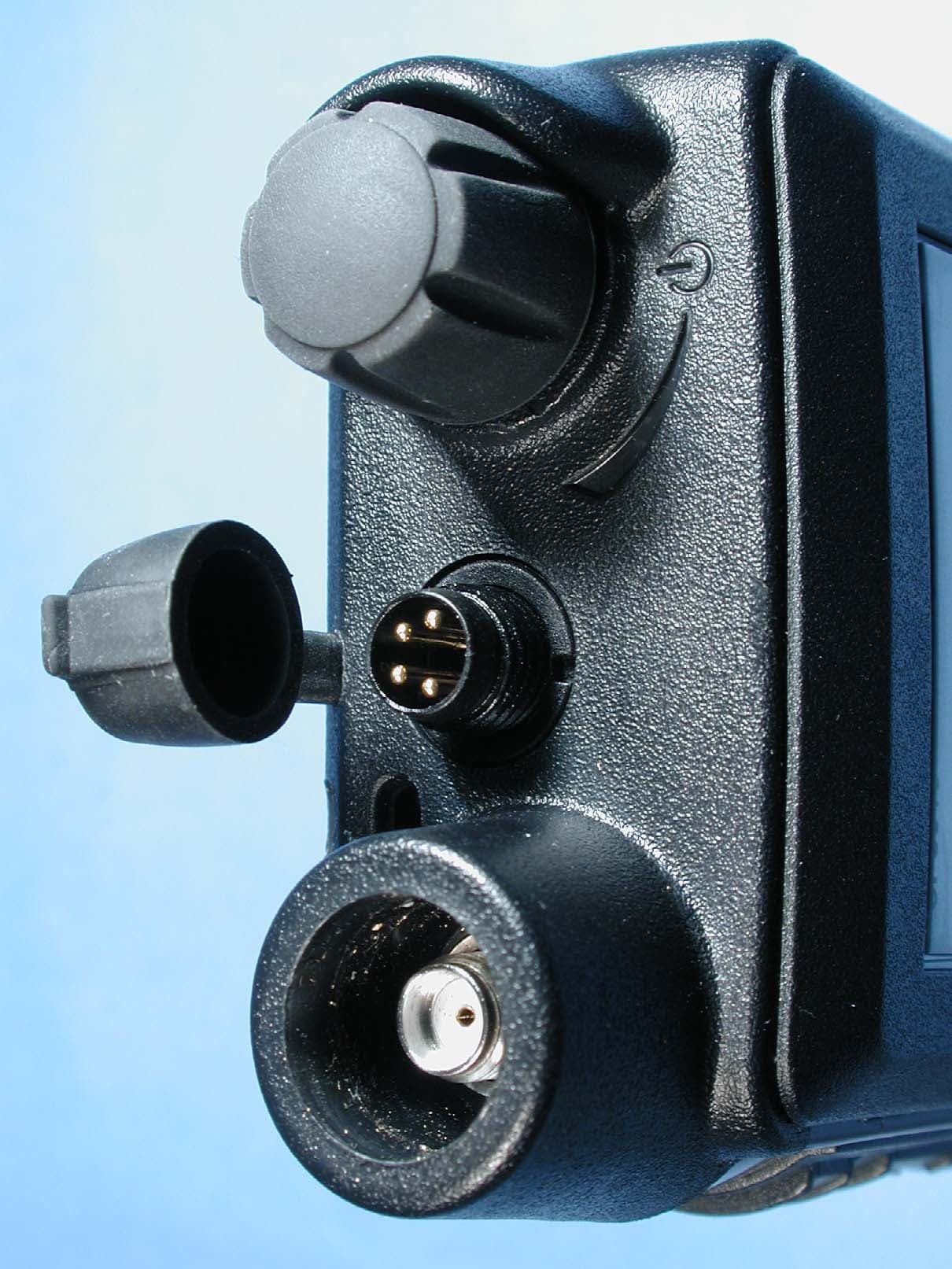
TCOSP3515
Jun 18, 2007Sailor SP3515 Hand Held VHF Radiotelephone
Equipment Class
TNF - Licensed Non-Broadcast Transmitter Held to Face
TCORT5020
Dec 11, 2005VHF Marine Radiotelephone
Equipment Class
GVH - Part 80 VHF Transmitter (GMDSS)
TCORT5022
Jun 28, 2005VHF Marine Radiotelephone
Equipment Class
GVH - Part 80 VHF Transmitter (GMDSS)