U6XF2BTE02Hearing Aid (behind the ear)
Bernafon AG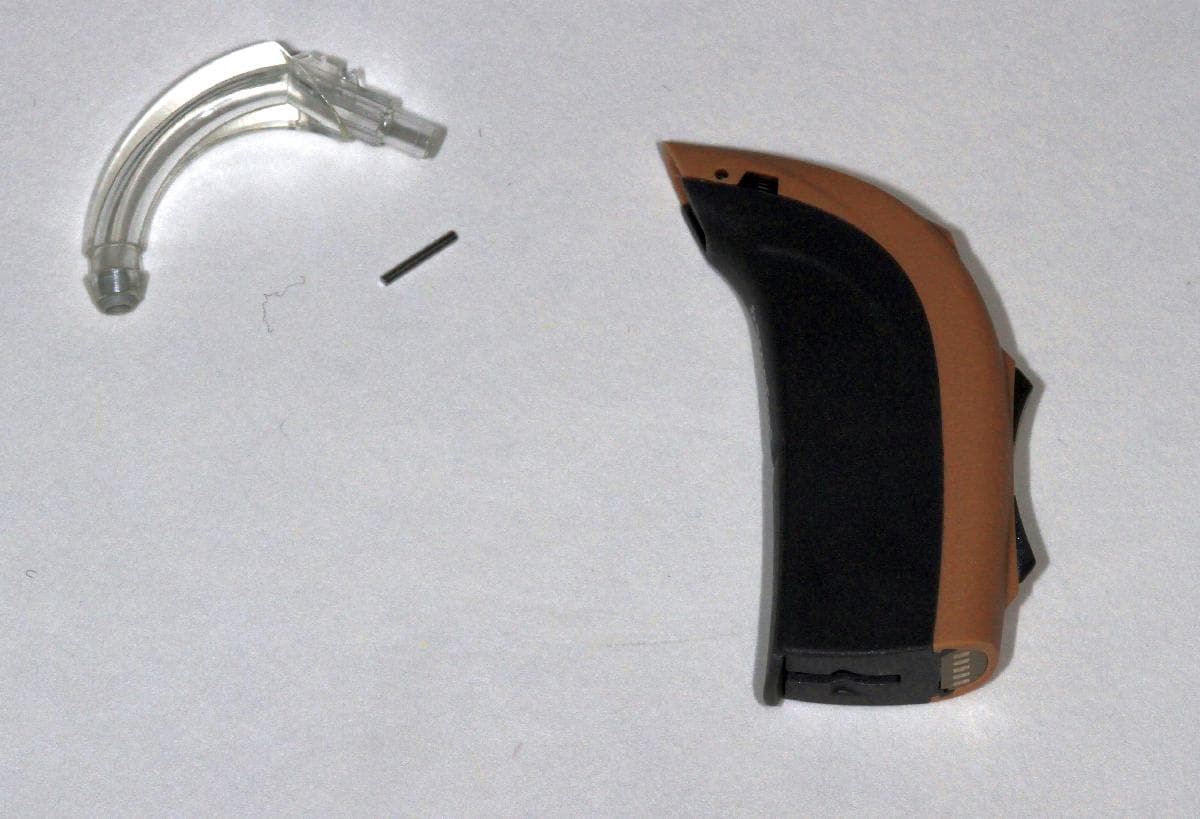
Click to zoom
Application Details
- Equipment Class
- DXX - Part 15 Low Power Communication Device Transmitter
- Date of Grant
- Apr 03, 2013
- Application Purpose
- Original Equipment
- Date of Application
- Apr 03, 2013
- Equipment Note
- Hearing Aid (behind the ear)
- Frequency Range
- 3.83000000 - 3.83000000
- Company
- Bernafon AG
- Country
- Switzerland
Documents & Files
Document Text
Text extracted from the exhibit documents filed with the FCC. Open a document above to read the original.
Users Manual
ACRIVA 9 ACRIVA 7 Compact Power BTEs Behind-the-ear hearing instruments INSTRUCTIONS FOR USE 2 3 TABLE OF CONTENTS General Warnings and Safety Guidelines 7 Introduction 13 Acriva Compact Power BTE with Earhook 14 Acriva Compact Power BTE with Spira Flex Thin Tube System 15 Earpiece Overview 16 Inserting Instruments with an Earmold 17 Removing Earmold and Hearing Instruments 19 Inserting Instruments with a Spira Flex Thin Tube 20 Removing Instruments and Spira Flex Thin Tube 21 Operating Your Instruments (ON/OFF) 22 Changing the Volume Level 23 Changing Programs 25 Muting 26 Telecoil Function 27 Telephone Use 28 Changing the Battery 30 Data Logging and Learning 33 4 5 Direct Audio Input and FM 34 Operating the Hearing Instruments with the Optional RC-P Remote Control 35 Operating the Hearing Instruments with the Optional SoundGate Communication Device 36 Instrument Care 38 Using Your Hearing Instruments 47 Tips for Communicating with Hearing Impaired People 51 Your Hearing Instrument Configuration 53 Accessories 56 Environmental Protection 57 Product Approval, Markings and Compliance 58 Cell Phone and Hearing Instrument Compatibility 60 International Warranty 62 Common Problems and Solutions 64 Information for the Hearing Care Professional 68 Compliance with Requirements for Europe 70 Compliance with Radio Communications Requirements for the USA and Canada 72 Information and Explanation of Symbols 74 Service 78 6 Congratulations on the purchase of your new Bernafon hearing instruments. The amplification of sound provided by your hearing instruments was adjusted by your hearing care professional to the needs of your individual hearing loss. With a little practice, you will soon be on your way to better hearing. Please read the entire contents of this booklet before using your hearing instruments. It contains instructions and important information about the use and handling of your hearing instruments and batteries. 7 General Warnings and Safety Guidelines Hearing instruments and batteries can be dangerous if swallowed or improperly used. Such actions can result in severe injury, permanent hearing loss or even fatality. Familiarize yourself completely with the following general warnings before using your hearing instru- ments. Hazard Warnings Never allow others to wear your hearing instruments, because they are adjusted for your hearing requirements and may permanently damage another person’s hearing. A slap to your ear while wearing the instrument could be harmful. Avoid wear- ing your hearing instrument while playing contact sports (e.g. rugby, football, etc.). 8 Hearing instruments, their parts and batteries should be kept out of reach of infants, children and anyone who might swallow these items or otherwise cause themselves injury. Discard batteries and keep them out of sight of infants, small children, persons of mental incapacity or pets. Clean your hearing instruments and their parts on a regular basis as recommended. Micro-organ isms from unclean instruments may cause skin irritations. Be careful with leaking battery liquid, as it is a hazardous substance. Never try to recharge non-rechargeable batteries. Never change the battery or adjust the controls of the hearing instrument in front of infants, small children and persons of mental incapacity. 9 Be aware of the possibility that your instruments may stop functioning without notice. Keep this in mind while you circulate in traffic or otherwise depend on warning sounds. Traffic or other warning sounds may also be reduced in level by a directional microphone when these sounds are coming from behind you. Remove your instruments before applying aftershave, hairspray, oils, perfume, mosquito repellent, lotions, etc. Allow the product to dry before wearing your instruments. 10 Warning to Hearing Care Professional and User Special care should be taken when fitting and using a hearing instrument with maximum sound pressure capability in excess of a maximum of 132 dB SPL (IEC 60318-4) since there may be a risk of impairing the remaining hearing of the hearing instrument user. Warning to Hearing Care Professional and User The safety of hearing instruments with DAI is determined by the external signal source. When the DAI is connected to an electri- cally powered device, the equipment must comply with EN 60601-1-1, EN 60065 or equivalent safety standards. 11 Safety Information ·Hearing instruments should be used only as directed and adjusted by your trained hearing care professional. Misuse or improper adjust- ments can result in sudden and permanent hearing loss. ·Hearing instruments will not restore normal hearing or prevent hearing loss resulting from organic conditions. ·Never put your hearing instrument or batteries in your mouth, they could easily be swallowed. ·Keep batteries away from medications. Batteries are easily mistaken for pills. ·In case a battery or hearing instrument is swallowed, see a doctor immediately. ·Be aware that use of a hearing instrument may cause excess ear wax to build up in the ear canal which may require removal by a trained medical professional. ·In rare cases, a hearing instrument or earmold may cause a discharge from the ear or allergic reaction. See a physician immediately if these conditions occur. ·An earmold is a custom-made product. If you experience discomfort or irritation of your ear, please see your hearing care professional immediately for modification of the earmold. 12 ·Never insert cleaning tools into the sound outlet or microphone inlet. This could damage the hearing instruments. ·Do not expose hearing instruments to extreme heat by leaving them in the car, near a radiator, etc. ·Do not wear your hearing instrument while swim- ming, snorkeling or diving, as it is not designed for such activities. ·Do not immerse your hearing instrument in water or other liquids. ·It is recommended to remove your hearing instruments before sleeping. ·Protect your instruments by keeping them in the case when y…
Text truncated - open the document above for the full version.
Users Manual
Compact Power BTE PRECISO 9 PRECISO 7 Instructions for use Behind-the-ear hearing instruments 2 3 TABLE OF CONTENTS General Warnings and Safety Guidelines 7 Introduction 13 Preciso Compact Power BTE with Earhook 14 Preciso Compact Power BTE with Spira Flex Thin Tube System 15 Earpiece Overview 16 Inserting Instruments with an Earmold 17 Removing Earmold and Hearing Instruments 19 Inserting Instruments with a Spira Flex Thin Tube 20 Removing Instruments and Spira Flex Thin Tube 21 Operating Your Instruments (ON/OFF) 22 Changing the Volume Level 23 Changing Programs 25 Muting 26 Telecoil Function 27 Telephone Use 28 Changing the Battery 30 Data Logging and Learning 33 4 5 Direct Audio Input and FM 34 Operating the Hearing Instruments with the Optional RC-P Remote Control 35 Operating the Hearing Instruments with the Optional SoundGate Communication Device 36 Instrument Care 38 Using Your Hearing Instruments 47 Tips for Communicating with Hearing Impaired People 51 Your Hearing Instrument Configuration 53 Accessories 56 Environmental Protection 57 Product Approval, Markings and Compliance 58 Cell Phone and Hearing Instrument Compatibility 60 Warranty 62 Common Problems and Solutions 64 Information for the Hearing Care Professional 68 Compliance with Requirements for Europe 70 Compliance with Radio Communications Requirements for the USA and Canada 72 Information and Explanation of Symbols 74 Service 78 6 Congratulations on the purchase of your new Hidden Hearing hearing instruments. The amplifica- tion of sound provided by your hearing instruments was adjusted by your hearing care professional to the needs of your individual hearing loss. With a little practice, you will soon be on your way to bet- ter hearing. Please read the entire contents of this booklet before using your hearing instruments. It contains instructions and important information about the use and handling of your hearing instruments and batteries. 7 General Warnings and Safety Guidelines Hearing instruments and batteries can be dangerous if swallowed or improperly used. Such actions can result in severe injury, permanent hearing loss or even fatality. Familiarize yourself completely with the following general warnings before using your hearing instru- ments. Hazard Warnings Never allow others to wear your hearing instruments, because they are adjusted for your hearing requirements and may permanently damage another person’s hearing. A slap to your ear while wearing the instrument could be harmful. Avoid wear- ing your hearing instrument while playing contact sports (e.g. rugby, football, etc.). 8 Hearing instruments, their parts and batteries should be kept out of reach of infants, children and anyone who might swallow these items or otherwise cause themselves injury. Discard batteries and keep them out of sight of infants, small children, persons of mental incapacity or pets. Clean your hearing instruments and their parts on a regular basis as recommended. Micro-organ isms from unclean instruments may cause skin irritations. Be careful with leaking battery liquid, as it is a hazardous substance. Never try to recharge non-rechargeable batteries. Never change the battery or adjust the controls of the hearing instrument in front of infants, small children and persons of mental incapacity. 9 Be aware of the possibility that your instruments may stop functioning without notice. Keep this in mind while you circulate in traffic or otherwise depend on warning sounds. Traffic or other warning sounds may also be reduced in level by a directional microphone when these sounds are coming from behind you. Remove your instruments before applying aftershave, hairspray, oils, perfume, mosquito repellent, lotions, etc. Allow the product to dry before wearing your instruments. 10 Warning to Hearing Care Professional and User Special care should be taken when fitting and using a hearing instrument with maximum sound pressure capability in excess of a maximum of 132 dB SPL (IEC 60318-4) since there may be a risk of impairing the remaining hearing of the hearing instrument user. Warning to Hearing Care Professional and User The safety of hearing instruments with DAI is determined by the external signal source. When the DAI is connected to an electri- cally powered device, the equipment must comply with EN 60601-1-1, EN 60065 or equivalent safety standards. 11 Safety Information ·Hearing instruments should be used only as directed and adjusted by your trained hearing care professional. Misuse or improper adjust- ments can result in sudden and permanent hearing loss. ·Hearing instruments will not restore normal hearing or prevent hearing loss resulting from organic conditions. ·Never put your hearing instrument or batteries in your mouth, they could easily be swallowed. ·Keep batteries away from medications. Batteries are easily mistaken for pills. ·In case a battery or hearing instrument is swallowed, see a doctor immediately. ·Be aware that use of a hearing instrument may cause excess ear wax to build up in the ear canal which may require removal by a trained medical professional. ·In rare cases, a hearing instrument or earmold may cause a discharge from the ear or allergic reaction. See a physician immediately if these conditions occur. ·An earmold is a custom-made product. If you experience discomfort or irritation of your ear, please see your hearing care professional immediately for modification of the earmold. 12 ·Never insert cleaning tools into the sound outlet or microphone inlet. This could damage the hearing instruments. ·Do not expose hearing instruments to extreme heat by leaving them in the car, near a radiator, etc. ·Do not wear your hearing instrument while swim- ming, snorkeling or diving, as it is not designed for such activities. ·Do not immerse your hearing instrument in water or other liquids. ·It is recommended to remove your hearing instruments before sleeping. ·Protect your instruments by keeping them in the case when yo…
Text truncated - open the document above for the full version.
ID Label/Location Info
A4 RevisionCategory 6 (7.19) 0.90 0.10 1.50 0.20 1.40 0.20 0.300.10 6.600.30 unless otherwise specified. All dimensions in millimetres. it nor copied or otherwise made use of by such person without our author ity This drawing must not be passed on t o any person not authorized by us to receive Scale Sheet description Sheet No. shts.of Drawing No Designation 888 83 013 ABCD 1 2 3 4 5 10:1 InitialsDate Cliché "AR7 CP Bernafon" 1 1 Originated by: MSP 21-06-2012 Revised by: Ver. 3 DOC-00021076K0 Marking of origin Marking according to .dxf file Model name font: Arial or equivalent A4 RevisionCategory 6 (7.19) 1.50 0.20 0.90 0.10 0.300.10 1.40 0.20 6.600.30 Y X unless otherwise specified. All dimensions in millimetres. it nor copied or otherwise made use of by such person without our author ity This drawing must not be passed on t o any person not authorized by us to receive Scale Sheet description Sheet No. shts.of Drawing No Designation 888 83 013 ABCD 1 2 3 4 5 10:1 InitialsDate Cliché "AR7 CPx Bernafon" 1 1 Originated by: MSP 27-08-2012 Revised by: Ver. 1 DOC-00022324K0 Markings to be filled Font and Logo according to electronical .eps file Marking of origin A4 RevisionCategory 6 1.50 0.20 0.90 0.10 0.300.10 1.40 0.20 6.600.30 (7.19) unless otherwise specified. All dimensions in millimetres. it nor copied or otherwise made use of by such person without our author ity This drawing must not be passed on t o any person not authorized by us to receive Scale Sheet description Sheet No. shts.of Drawing No Designation 888 83 013 ABCD 1 2 3 4 5 10:1 InitialsDate Cliché "AR9 CP Bernafon" 1 1 Originated by: MSP 03-05-2012 Revised by: Ver. 6 DOC-00020042K0 Marking according to .dxf file Model name font: Arial or equivalent Marking of origin A4 RevisionCategory 6 (7.19) 1.50 0.20 0.90 0.10 0.300.10 1.40 0.20 6.600.30 Y X unless otherwise specified. All dimensions in millimetres. it nor copied or otherwise made use of by such person without our author ity This drawing must not be passed on t o any person not authorized by us to receive Scale Sheet description Sheet No. shts.of Drawing No Designation 888 83 013 ABCD 1 2 3 4 5 10:1 InitialsDate Cliché "AR9 CPx Bernafon" 1 1 Originated by: MSP 27-08-2012 Revised by: Ver. 1 DOC-00022322K0 Markings to be filled Font and Logo according to electronical .eps file Marking of origin A4 RevisionCategory 6 0.90 0.10 1.20 0.10 6.900.30 1.40 0.20 1.50 0.20 Y X unless otherwise specified. All dimensions in millimetres. it nor copied or otherwise made use of by such person without our author ity This drawing must not be passed on t o any person not authorized by us to receive Scale Sheet description Sheet No. shts.of Drawing No Designation 888 83 013 ABCD 1 2 3 4 5 10:1 InitialsDate Cliché "PC7 CP MAICO" 1 1 Originated by: MSP 28-08-2012 Revised by: Ver. 1 DOC-00022485K0 Markings to be filled Font and Logo according to electronical .eps file Marking of origin A4 RevisionCategory 6 0.90 0.10 1.20 0.10 6.900.30 1.40 0.20 1.50 0.20 Y X unless otherwise specified. All dimensions in millimetres. it nor copied or otherwise made use of by such person without our author ity This drawing must not be passed on t o any person not authorized by us to receive Scale Sheet description Sheet No. shts.of Drawing No Designation 888 83 013 ABCD 1 2 3 4 5 10:1 InitialsDate Cliché "PC7 CPx MAICO" 1 1 Originated by: MSP 28-08-2012 Revised by: Ver. 1 DOC-00022491K0 Markings to be filled Font and Logo according to electronical .eps file Marking of origin A4 RevisionCategory 6 0.90 0.10 6.900.30 1.20 0.10 1.50 0.20 1.40 0.20 Y X unless otherwise specified. All dimensions in millimetres. it nor copied or otherwise made use of by such person without our author ity This drawing must not be passed on t o any person not authorized by us to receive Scale Sheet description Sheet No. shts.of Drawing No Designation 888 83 013 ABCD 1 2 3 4 5 10:1 InitialsDate Cliché "PC9 CP MAICO" 1 1 Originated by: MSP 28-08-2012 Revised by: Ver. 1 DOC-00022484K0 Markings to be filled Font and Logo according to electronical .eps file Marking of origin A4 RevisionCategory 6 0.90 0.10 1.20 0.10 6.900.30 1.50 0.20 1.40 0.20 Y X unless otherwise specified. All dimensions in millimetres. it nor copied or otherwise made use of by such person without our author ity This drawing must not be passed on t o any person not authorized by us to receive Scale Sheet description Sheet No. shts.of Drawing No Designation 888 83 013 ABCD 1 2 3 4 5 10:1 InitialsDate Cliché "PC9 CPx MAICO" 1 1 Originated by: MSP 28-08-2012 Revised by: Ver. 1 DOC-00022490K0 Markings to be filled Font and Logo according to electronical .eps file Marking of origin
Operational Description
DESCRIPTION ACRIVA 7 Bernafon Acriva 7 is a complete family of hearing instruments, suitable for users with mild to severe hearing losses. The full range includes newly designed custom instruments, such as the CIC and CICP featuring a push button. Audio Efficiency™ 2.0 technology features two innovations, the new Frequency Composition™ and the new Adaptive Noise Reduction Plus. All Acriva styles that offer binaural coordination between instruments, feature wireless connectivity to external audio sources. AR7 CPx AR7 CP AR7 N AR7 NR AR7 ITED AR7 ITCPD AR7 ITCD AR7 ITC AR7 CICP AR7 CIC ACRIVA 7 PRODuCT INfORmATION AuDIO EffICIENCY Tm 2.0 IN ACRIVA 7 Speech ·ChannelFree™ ·Adaptive Directionality ·Frequency Composition™ Comfort ·Adaptive Feedback Canceller Plus ·Adaptive Noise Reduction Plus ·Transient Noise Reduction ·Binaural Coordination Individualization ·Wireless Connectivity ·Language Specific Targets ·REMfit™ ADDITIONAL fEATuRES Technical Features ·Digital signal processing up to 10 kHz ·Multi-Environment Program ·Environment Optimizer ·Hydrophobic coating for all BTEs ·Dust and water protection for all BTEs (IP57) Personalization Features ·Data Logging ·VC Learning ·Up to 11 listening program options ·4 freely-assignable program slots ·DAI / FM adapter dB HL Frequency (Hz) dB HL Frequency (Hz) 250 500 1. 000 2.000 4.000 8.000 0 20 40 60 80 100 120 0 20 40 60 80 100 120 250 500 1. 000 2.000 4.000 8.000 2 ACRIVA 7 BTE PRODuCT OVERVIEW CPxCPCPxCP OSPL 90, PeakdB SPL 132*127 138*134* OSPL 90, 1600 HzdB SPL 128122 136*131 HFA-OSPL 90dB SPL 123119 –– Full-On Gain, PeakdB 7161 7667 Full-On Gain, 1600 HzdB 6556 7464 HFA Full-On Gain dB 5953 –– Reference Test GaindB 4841 6656 Program Selector ●●●● Local Volume Control ●●●● Telecoil ●●●● Auto Telephone Detection ●●●● FM Adapter DAI Adapter Battery Size13131313 Earhook ●●●● Spira Flex Thin Tube 0.9 / 1.3 ●●●● Microphone Systemdual omnidirdual omnidir Remote Control (RC-P) SoundGate 2 (Bluetooth ® ) TV Adapter Phone Adapter 2 l standard optional COmPACT POWER PLuS BTECOmPACT POWER BTE AR7 CPAR7 CPx 2CC COuPLEREAR SImuLATOR “2cc” refers to a coupler according to IEC 60318-5. “Ear simulator” refers to a coupler according to IEC 60318-4. Applied versions: IEC 60118-7:2005, IEC 60118-0:1994 and ANSI S3.22:2009. * Special care should be taken when fitting and using a hearing instrument with maximum sound pressure capability in excess of 132 dB SPL (IEC 60318-4) since there may be a risk of impairing the remaining hearing of the hearing instrument user. 0 20 40 60 80 100 120 250 500 1. 000 2.000 4.000 8.000 0 20 40 60 80 100 120 250 500 1. 000 2.000 4.000 8.000 0 20 40 60 80 100 120 250 500 1. 000 2.000 4.000 8.000 3 BERNAfON NNRNNR m-SPEAKERP-SPEAKERm-SPEAKERP-SPEAKER OSPL 90, PeakdB SPL122109124128121133* OSPL 90, 1600 HzdB SPL122106122127115131 HFA-OSPL 90dB SPL115106119––– Full-On Gain, PeakdB495064546174 Full-On Gain, 1600 HzdB494361545271 HFA Full-On Gain dB424558––– Reference Test GaindB352943473755 Program Selector ●**●**●**●** Local Volume Control ******** Telecoil– ● – ● Auto Telephone Detection– ● – ● FM Adapter–––– DAI Adapter–––– Battery Size312312312312 Earhook ● n.a. ● n.a. Spira Flex Thin Tube 0.9 / 1.3 ● n.a. ● n.a. Microphone Systemdirdirdirdir Remote Control (RC-P) SoundGate 2 (Bluetooth ® ) TV Adapter Phone Adapter 2 ● standard optional 2CC COuPLEREAR SImuLATOR “2cc” refers to a coupler according to IEC 60318-5. “Ear simulator” refers to a coupler according to IEC 60318-4. Applied versions: IEC 60118-7:2005, IEC 60118-0:1994 and ANSI S3.22:2009. * Special care should be taken when fitting and using a hearing instrument with maximum sound pressure capability in excess of 132 dB SPL (IEC 60318-4) since there may be a risk of impairing the remaining hearing of the hearing instrument user. ** Push button can be programmed for volume control use AR7 NRAR7 NRAR7 N NANO RITE m-SPEAKERNANO RITE P-SPEAKERNANO BTE dB HL Frequency (Hz) dB HL Frequency (Hz) dB HL Frequency (Hz) dB HL Frequency (Hz) dB HL Frequency (Hz) dB HL Frequency (Hz) dB HL Frequency (Hz) 0 20 40 60 80 100 120 250 500 1. 000 2.000 4.000 8.000 0 20 40 60 80 100 120 250 500 1. 000 2.000 4.000 8.000 0 20 40 60 80 100 120 250 500 1. 000 2.000 4.000 8.000 0 20 40 60 80 100 120 250 500 1. 000 2.000 4.000 8.000 4 ACRIVA 7 ITE PRODuCT OVERVIEW ITEDITCPDITCDITCITEDITCPDITCDITC OSPL 90, PeakdB SPL120119117117130129128128 OSPL 90, 1600 HzdB SPL113112111111122121119120 HFA-OSPL 90dB SPL114113112113–––– Full-On Gain, PeakdB5152505060615959 Full-On Gain, 1600 HzdB4445404053544849 HFA Full-On Gain dB45464343–––– Reference Test GaindB3233353542434142 Program Selector ************ Local Volume Control ************ Telecoil Auto Telephone Detection Battery Size1331231231213312312312 Microphone Systemdirdirdiromnidirdirdiromni Remote Control (RC-P) –– SoundGate 2 (Bluetooth ® )–– TV Adapter –– Phone Adapter 2 –– ● standard optional AR7 ITCPDAR7 ITCDAR7 ITED ITCPDITCDITED “2cc” refers to a coupler according to IEC 60318-5. “Ear simulator” refers to a coupler according to IEC 60318-4. Applied versions: IEC 60118-7:2005, IEC 60118-0:1994 and ANSI S3.22:2009. ** Push button can be programmed for volume control use AR7 ITC ITC 2CC COuPLEREAR SImuLATOR dB HL Frequency (Hz) dB HL Frequency (Hz) 250 500 1. 000 2.000 4.000 8.000 0 20 40 60 80 100 120 0 20 40 60 80 100 120 250 500 1. 000 2.000 4.000 8.000 5 BERNAfON AR7 CICPAR7 CIC CICPCICCICPCIC OSPL 90, PeakdB SPL116109127119 OSPL 90, 1600 HzdB SPL108101117109 HFA-OSPL 90dB SPL110102–– Full-On Gain, PeakdB48425951 Full-On Gain, 1600 HzdB42345142 HFA Full-On Gain dB4335–– Reference Test GaindB33244434 Program Selector Local Volume Control–––– Telecoil–––– Auto Telephone Detection–––– Battery Size10101010 Microphone Systemomniomniomniomni ● standard optional “2cc” refers to a coupler according to IEC 60318-5. “Ear simulator” refers to a coupler according to IEC 60318-4. Applied versions: IEC 60118-7:2005, IEC 60118-0:1994 and ANSI S3.22:2009. CICCICP…
Text truncated - open the document above for the full version.
Test Report
2012-12-12 Page 1 of 22 TEST REPORT Test report no.: 1-4852/12-04-02-B Testing laboratory Applicant CETECOM ICT Services GmbH Untertuerkheimer Strasse 6 – 10 66117 Saarbruecken / Germany Phone: + 49 681 5 98 - 0 Fax: + 49 681 5 98 - 9075 Internet: http://www.cetecom.com e-mail: [email protected] Accredited Testing Laboratory: The testing laboratory (area of testing) is accredited according to DIN EN ISO/IEC 17025 (2005) by the Deutsche Akkreditierungsstelle GmbH (DAkkS) The accreditation is valid for the scope of testing procedures as stated in the accreditation certificate with the registration number: D-PL-12076-01-01 Area of Testing: Radio/Satellite Communications Oticon A/S Kongebakken 9 2765 Smørum / DENMARK Phone: +45 39 17 71 00 Contact: Jørgen Peter Hanuscheck e-mail: [email protected] Phone: +45 39 13 85 38 Manufacturer Oticon A/S Kongebakken 9 2765 Smørum / DENMARK Test standard/s 47 CFR Part 15 Title 47 of the Code of Federal Regulations; Chapter I Part 15 - Radio frequency devices RSS - 210 Issue 8 Spectrum Management and Telecommunications - Radio Standards Specification Low-power Licence-exempt Radiocommunication Devices (All Frequency Bands): Category I Equipment RSS - Gen Issue 3 General Requirements and Information for the Certification of Radiocommunication Equipment For further applied test standards please refer to section 3 of this test report. Test Item Kind of test item: Hearing Aid Model name: BTE/RITE Fusion 2 FCC ID: U28FU2BTERIT IC: 1350B-FU2BTERIT Frequency: 3.84 MHz Technology tested: Magnetic coupling Antenna: Integrated coil antenna Power Supply: 1.4 V DC by Zinc – Air - Battery Temperature Range: 0°C to +35 °C This test report is electronically signed and valid without handwriting signature. For verification of the electronic signatures, the public keys can be requested at the testing laboratory. Test report authorised: Test performed: p.o. Marco Bertolino Tobias Wittenmeier Testing Manager Test report no.: 1-4852/12-04-02-B 2012-12-12 Page 2 of 22 1 Table of contents 1 Table of contents ............................................................................................................................................ 2 2 General information ....................................................................................................................................... 3 2.1 Notes and disclaimer .......................................................................................................................... 3 2.2 Application details ............................................................................................................................... 3 3 Test standard/s ............................................................................................................................................... 3 4 Test environment ............................................................................................................................................ 4 5 Test item .......................................................................................................................................................... 4 6 Test laboratories sub-contracted ................................................................................................................. 4 7 Summary of measurement results ............................................................................................................... 5 8 RF measurement testing................................................................................................................................ 6 8.1 Description of test setup .................................................................................................................... 6 8.1.1 Radiated measurements............................................................................................................. 6 8.1.2 Conducted measurements.......................................................................................................... 7 8.2 Additional comments .......................................................................................................................... 7 8.3 RSP100 test report cover sheet / performance test data ................................................................ 8 9 Measurement results ...................................................................................................................................... 9 9.1 Bandwith of the modulated carrier .................................................................................................... 9 9.2 Field strength of the fundamental ................................................................................................... 11 9.3 Field strength of the harmonics and spurious ............................................................................... 13 9.4 Receiver spurious emissions ........................................................................................................... 16 10 Test equipment and ancillaries used for tests ................................................................................... 19 11 Observations ......................................................................................................................................... 20 Annex A Document history .......................................................................................................................... 21 Annex B Further information ........................................................................................................................ 21 Annex C Accreditation Certificate ............................................................................................................... 22 Test report no.: 1-4852/12-04-02-B 2012-12-12 Page 3 of 22 2 General information 2.1 Notes and disclaimer The test results of this test report relate exclusively to the test item specified in this test report. CETECOM ICT Services GmbH…
Text truncated - open the document above for the full version.
Test Setup Photos
2012-12-12 Page 1 of 13 TEST REPORT An nex A Pho tog raphs o f t h e test se tu p Photo documentation: Photo 1: Photo 2: Test report no.: 1-4852/12-04-02-B 2012-12-12 Page 2 of 13 Photo 3: Photo 4: Test report no.: 1-4852/12-04-02-B 2012-12-12 Page 3 of 13 Photo 5: Photo 6: Test report no.: 1-4852/12-04-02-B 2012-12-12 Page 4 of 13 An nex B External ph ot ogra phs o f the E UT Photo documentation: Photo 1: Photo 2: Test report no.: 1-4852/12-04-02-B 2012-12-12 Page 5 of 13 Photo 3: Photo 4: Test report no.: 1-4852/12-04-02-B 2012-12-12 Page 6 of 13 Photo 5: Photo 6: Test report no.: 1-4852/12-04-02-B 2012-12-12 Page 7 of 13 Photo 7: Photo 8: Test report no.: 1-4852/12-04-02-B 2012-12-12 Page 8 of 13 An nex C Inter nal p ho to gra phs o f the E UT Photo documentation: Photo 1: Photo 2: Test report no.: 1-4852/12-04-02-B 2012-12-12 Page 9 of 13 Photo 3: Photo 4: Test report no.: 1-4852/12-04-02-B 2012-12-12 Page 10 of 13 Photo 5: Photo 6: Test report no.: 1-4852/12-04-02-B 2012-12-12 Page 11 of 13 Photo 7: Test report no.: 1-4852/12-04-02-B 2012-12-12 Page 12 of 13 An nex D Docu men t his to r y Version Applied changes Date of release 1.0 Initial release 2012-11-07 -A Correction of coversheet 2012-11-20 -B Correction of Emission Designator 2012-11-22 An nex E Fur ther in for mati o n Glossary AVG - Ave…
Text truncated - open the document above for the full version.
Contact Information
Applicant
Per Klaus Nielsen(Certification Manager)
Test Firm
cetecom advanced GmbHGerald Schmidt
Technical Specifications
| # | Rule Parts | Frequency Range | Power Output |
|---|---|---|---|
| 1 | 15C | 3.83 MHz - 3.83 MHz | - |
Other Applications from Bernafon AG
U6XFU2SP
Apr 01, 2015Hearing Aid
Equipment Class
DXX - Part 15 Low Power Communication Device Transmitter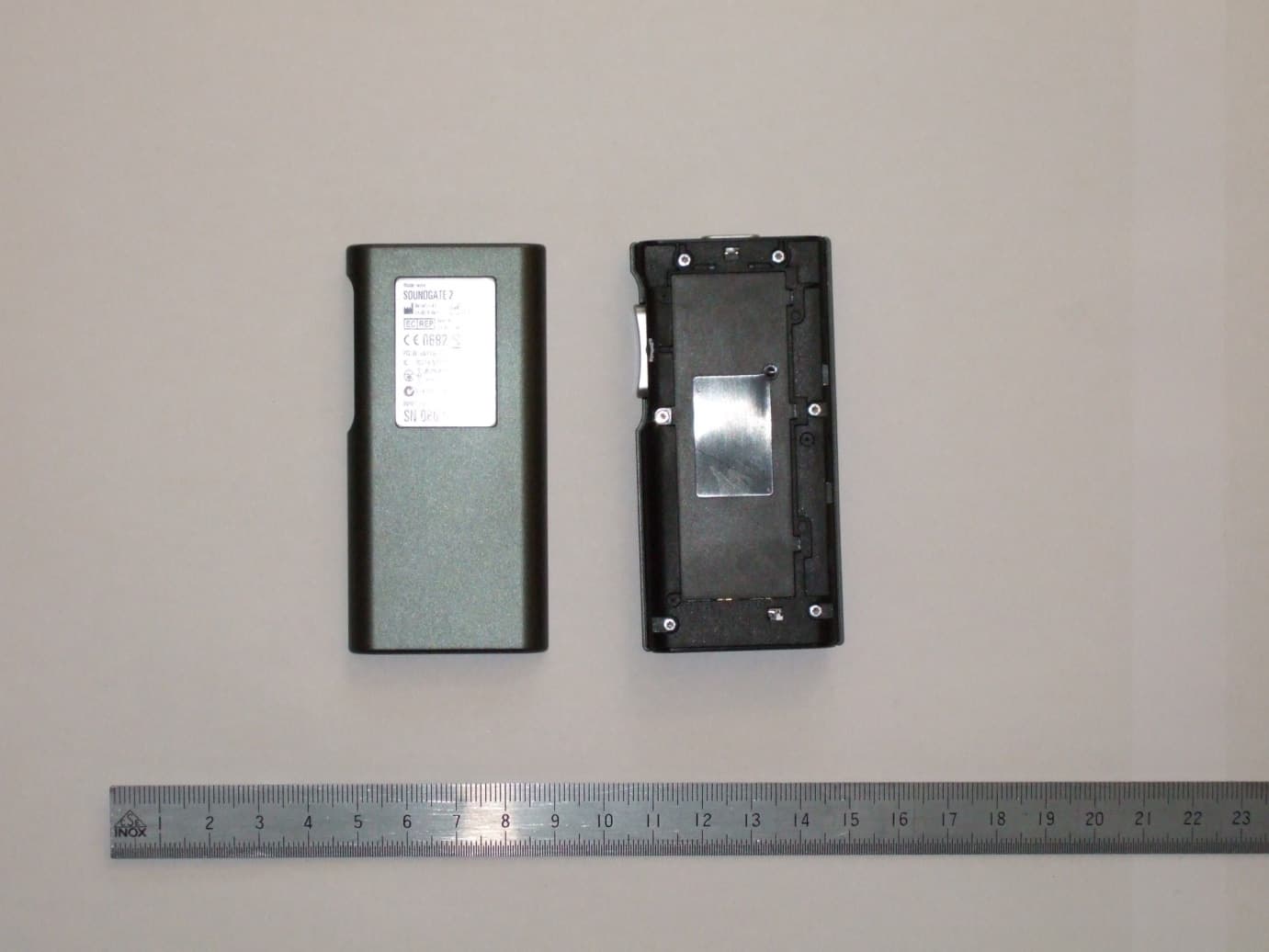
U6XSGATE3
Apr 21, 2013Audio Streaming Device
Equipment Class
DXX - Part 15 Low Power Communication Device Transmitter
U6XF2ITE01
Apr 09, 2013Hearing Aid (in the ear)
Equipment Class
DXX - Part 15 Low Power Communication Device Transmitter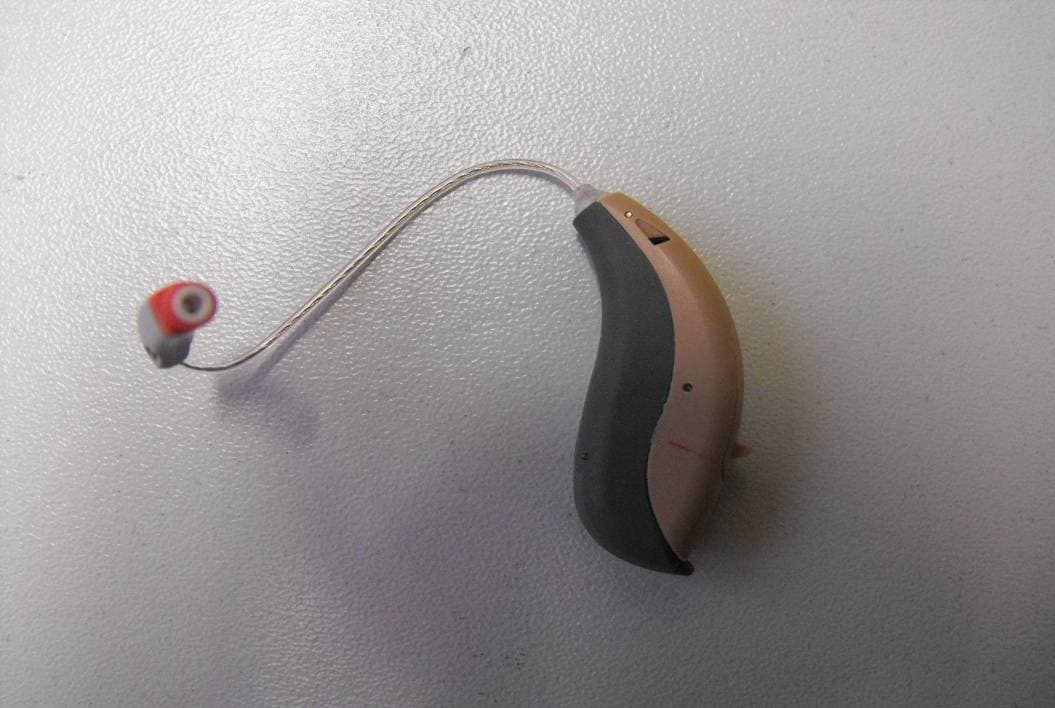
U6XF2RITE2
Dec 19, 2012Wireless Hearing Instrument
Equipment Class
DXX - Part 15 Low Power Communication Device Transmitter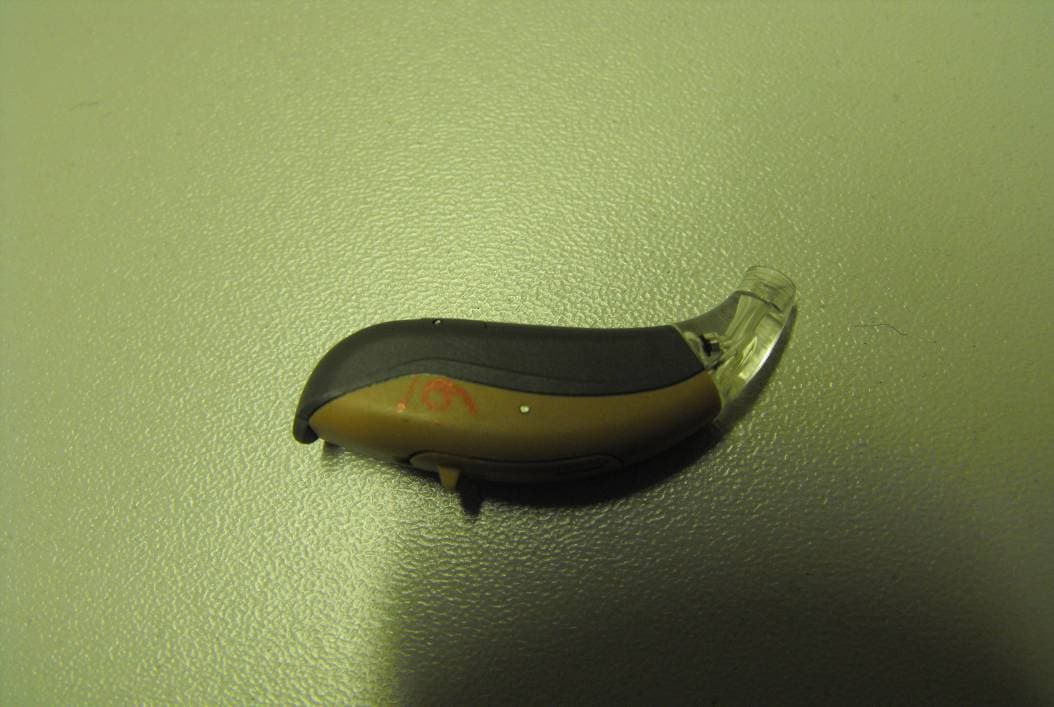
U6XF2BTE01
Dec 19, 2012Wireless Hearing Instrument
Equipment Class
DXX - Part 15 Low Power Communication Device Transmitter