BDZ319BDPersonal Help Button
Lifeline Systems Inc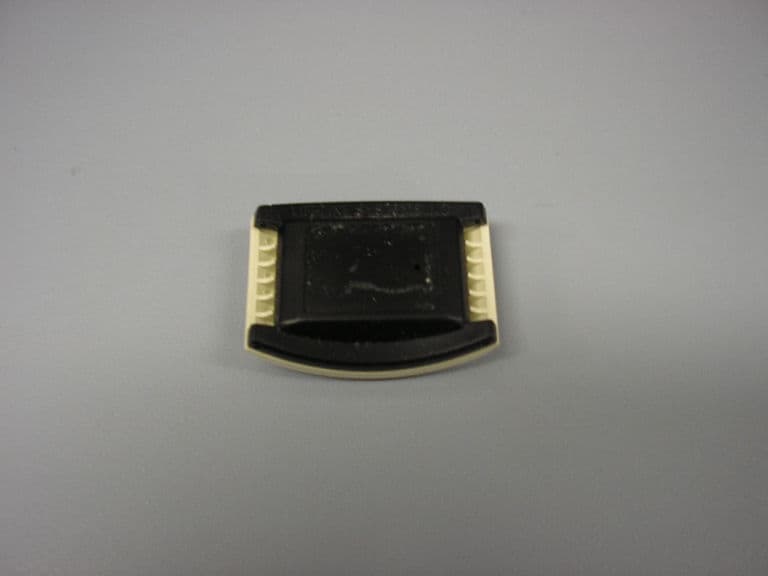
Click to zoom
Application Details
- Equipment Class
- DSR - Part 15 Remote Control/Security Device Transceiver
- Date of Grant
- Aug 07, 2006
- Application Purpose
- Original Equipment
- Date of Application
- Aug 07, 2006
- Equipment Note
- Personal Help Button
- Frequency Range
- 319.50000000 - 319.50000000
- Company
- Lifeline Systems Inc
- Country
- United States
Documents & Files
Document Text
Text extracted from the exhibit documents filed with the FCC. Open a document above to read the original.
Users Manual
To install the wriststrap To adjust the wriststrap With a “tab” between your first finger and thumb of each hand, gently slide both tabs apart in line with your shoulders. To shorten the neck cord To lengthen the neck cord About Your Personal Help Button Your Lifeline Personal Help Button is powered by a long-life lithium battery. It is dust proof and waterproof* so that it can be worn in the shower or bath. Slimline Personal Help Buttons are designed to be worn as a pendant on an adjustable neckcord or can be converted to wristwear using the enclosed wriststrap. *To a maximum depth of 4 feet of water. The Personal Help Button cannot transmit a signal while submerged in water. Lift the fastener to loosen the wriststrap. Adjust wriststrap to desired length and close fastener . The wriststrap will slide easily on and off the wrist with no further adjustment needed. Position the wriststrap over the back of the button and insert the watch pins over the wriststr ap into the pin holes. Remove the watch pins at each end of the button by inserting a small paper clip or similar tool into the hole on both outside edges. Pull “single” strand of neckcord while sliding tab to back. Repeat on other side. 11 22 11 22 33 I I n n s s t t r r u u c c t t i i o o n n s s f f o o r r U U s s i i n n g g T T h h e e L L i i f f e e l l i i n n e e ® ® P P e e r r s s o o n n a a l l H H e e l l p p B B u u t t t t o o n n S S X X 3 3 1 1 9 9 Important Safety Instructions Please read all instructions. Test the operation of your PHB each month and after every cleaning. Do not remove the label. Your Personal Help Button is waterproof provided the label is firmly in place. If the label is removed, peeling off or damaged in any way, the button must be replaced. Your button will not send a signal while submerged in water. Your Personal Help Button is not intended for machine washing or drying. Do not use any attachment or accesory that is not ind- eded for use with your PHB. Y our PHB is factory serviceable only. There are no user replaceable parts inside the PHB. Replacing Your PHB Your Personal Help Button has an internal, non-replaceable battery and will send a low battery signal when it needs to be replaced. Cleaning Your Personal Help Button Your Personal Help Button is designed to be worn in the shower or bath. You can submerge your button in warm water for easy cleaning. Before you start, turn off the power switch on the communicator to ensure that a false “help” call will not accidentally be sent to the response center. Wash the button with a mild, liquid dishwashing deter gent, then rinse and dry with a soft to w el. 55 44 33 22 11 ©2006 Lifeline Systems, Inc.Printed in USAP/N 0940493 Rev. 01 FCC Warning and User Notification Requirement This device complies with part 15 of the FCC rules. Operation is subject to the following two conditions: (1) this device may not cause harmful interference, and (2) this device must accept any interference received, including interference that may cause undesired operation. Any changes or modifications no expressly approved by Lifeline System for compliance could void your authority to operate the equipment. INDUSTRY CANADA This apparatus complies with the class“B” limits for radio inter- ference as specified in the Canadian Department of Communications Radio Interference regulations. F F i i e e l l d d S S t t r r e e n n g g t t h h . . . . . . . . . . . . . . . . . . . . . . . . . . . . . . . . . . . . . . . . L L e e s s s s t t h h a a n n 5 5 9 9 0 0 0 0 M M V V / / m m a a t t 3 3 m m O O p p e e r r a a t t i i n n g g F F r r e e q q u u e e n n c c y y . . . . . . . . . . . . . . . . . . . . 3 3 1 1 9 9 . . 5 5 M M H H z z C C h h a a n n n n e e l l i i n n g g . . . . . . . . . . . . . . . . . . . . . . . . . . . . . . . . . . . . . . . . . . . . . . . . . . . . 1 1 M M o o d d e e o o f f T T r r a a n n s s m m i i s s s s i i o o n n . . . . . . . . . . . . . . . . P P u u l l s s e e M M o o d d u u l l a a t t i i o o n n D D a a t t a a S S o o u u r r c c e e . . . . . . . . . . . . . . . . . . . . . . . . . . . . . . . . . . . . . . . . . . . . . . . . I I n n t t e e r r n n a a l l O O n n l l y y T T y y p p e e o o f f M M o o d d u u l l a a t t i i o o n n . . . . . . . . . . . . . . . . . . . . . . . . P P u u l l s s e e P P o o s s i i t t i i o o n n O O c c c c u u p p i i e e d d B B a a n n d d w w i i d d t t h h . . . . . . . . . . . . . . . . . . . . 3 3 1 1 9 9 M M H H z z - - 3 3 2 2 0 0 M M H H z z E E m m i i s s s s i i o o n n D D e e s s i i g g n n a a t t o o r r . . . . . . . . . . . . . . . . . . . . 6 6 0 0 K K 0 0 L L 1 1 D D P P o o w w e e r r O O u u t t p p u u t t . . . . . . . . . . . . . . . . . . . . . . . . . . . . . . . . . . . . . . . . 1 1 0 0 m m i i c c r r o o w w a a t t t t s s U U s s e e a a n n d d P P u u r r p p o o s s e e . . . . . . . . . . . . . . . . . . . . . . . . . . . . S S e e e e I I n n s s t t r r u u c c t t i i o o n n s s R R a a t t i i n n g g . . . . . . . . . . . . . . . . . . . . . . . . . . . . . . . . . . . . . . . . . . . . . . . . . . . . . . . . . . . . 3 3 V V D D C C , , . . 0 0 0 0 6 6 A A One or more of the following US Patents may apply to this product: D277,465, 4,524,243, 4,656,319, 4,760,593, 4,622,544, 4,908,602, 4,884,059, D313,363, D313,362, 4,064,368, 3,989,900, 5,091,930 One or more of the following Canadian Patents may apply to this product: 1,274,930, 1,256,613 S S a a v v e e T T h h e e s s e e I I n n s s t t r r u u c c t t i i o o n n s s f f o o r r F F u u t t u u r r e e R R e e f f e e r r e e n n c c e e
Block Diagram
Q2: 79.875 MHz Crystal Oscillator/ X2 F Multiplier Q3: X2 F Multiplier Q4: Output Amplifier U2: PIC12F629 Microcontroller U1: Low Voltage Detector 159.75 MHz 319.5 MHz Loop Antenna Oscillator Enable Data Block Diagram of SX319 PHB
Test Report
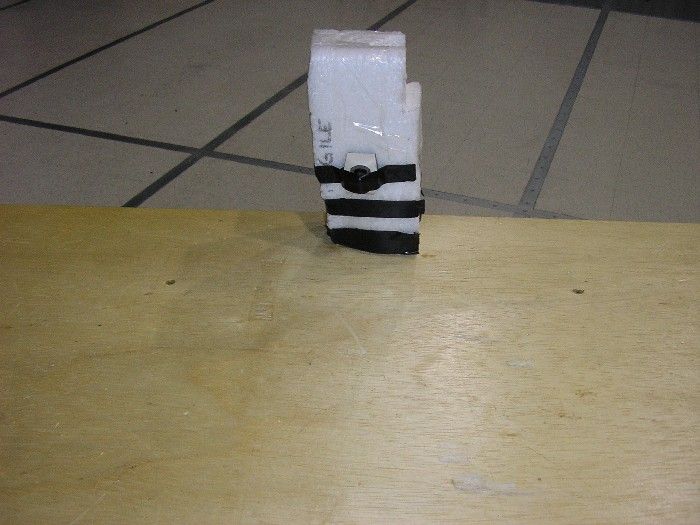
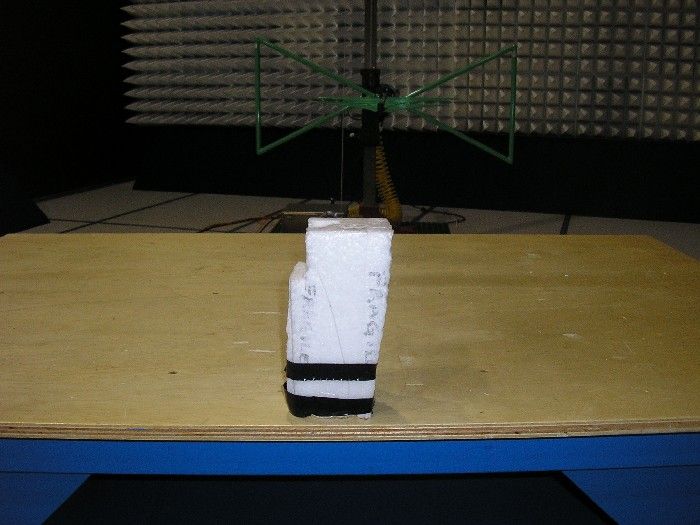
EMC Report for Lifeline Systems on the SX319 FCC Part 15.231 File: 3089413ATL-003 FCC ID: BDZ319BD Page 1 of 19 TEST REPORT Report Number: 3089413ATL-003 Project Number: 3089413 Feburary 28, 2006 Testing performed on the Personal Help Button (PHB) Model Number: SX319 to FCC Part 15.231 For Lifeline Systems Test Performed by: Test Authorized by: Intertek ETL Semko 1950 Evergreen Blvd, Suite 100 Duluth, GA 30096 Lifeline Systems 111 Lawrence Street Framingham, Massachusetts 01702-8156 Prepared by: Date: 02/27/2006 Chris Capelle, Project Engineer Reviewed by: Date: 02/27/2006 David Schramm, EMC Manager/ TCB Reviewer All services undertaken are subject to the following general policy: This report is for the exclusive use of Intertek's Client and is provided pursuant to the agreement between Intertek and its Client. Intertek's responsibility and liability are limited to the terms and conditions of the agreement. Intertek assumes no liability to any party, other than to the Client in accordance with the agreement, for any loss, expense or damage occasioned by the use of this report. Only the Client is authorized to copy or distribute this report and then only in its entirety. Any use of the Intertek name or one of its marks for the sale or advertisement of the tested material, product or service must first be approved in writing by Intertek. The observations and test results in this report are relevant only to the sample tested. This report by itself does not imply that the material, product, or service is or has ever been under an Intertek certification program. This report must not be used to claim product endorsement by A2LA, NIST, or any agency of the US Government. Intertek EMC Report for Lifeline Systemson the SX319 FCC Part 15.231 File: 3089413ATL-003 FCC ID: BDZ319BD Page 2 of 19 TABLE OF CONTENTS 1 Summary of Tests ......................................................................................................................... 3 2 General Description ...................................................................................................................... 4 2.1 Product Description ........................................................................................................... 4 2.2 Related Submittal(s) Grants ............................................................................................... 4 2.3 Test Methodology .............................................................................................................. 4 2.4 Test Facility ....................................................................................................................... 5 3 System Test Configuration........................................................................................................... 5 3.1 Support Equipment ............................................................................................................ 5 3.2 Cabling............................................................................................................................... 5 3.3 Block Diagram of Test Setup............................................................................................. 5 3.4 Justification ........................................................................................................................ 6 3.5 Software Exercise Program................................................................................................ 6 3.6 Mode of Operation during Test ......................................................................................... 6 3.7 Modifications Required for Compliance ........................................................................... 6 3.8 Additions, deviations and exclusions from standards ........................................................ 6 4 Measurement Results.................................................................................................................... 7 4.1 Radiated Emission ............................................................................................................. 7 4.1.1 Procedure .............................................................................................................. 7 4.1.2 Field Strength Calculation .................................................................................... 7 4.1.3 Test Result ............................................................................................................ 8 4.2 AC Line Conducted Emission ........................................................................................... 9 4.2.1 Measurement Procedure........................................................................................ 9 4.2.2 Test Result ............................................................................................................ 9 4.3 Occupied Bandwidth Plot .................................................................................................. 10 4.4 Automatic Transmitter Deactivation With in 5 Seconds ................................................... 11 4.5 Transmitter Duty Cycle Calculation and Measurements ................................................... 12 5 Antenna Requirement .................................................................................................................. 17 6 List of test equipment ................................................................................................................... 18 7 Document History ......................................................................................................................... 19 INDEX OF FIGURES Figure 4-1: Bandwidth plot ......................................................................................................................... 10 Figure 4-2: Deactivation Plot...................................................................................................................... 11 Figure 4-3: Output – Pulse Train Width – 100 ms swee…
Text truncated - open the document above for the full version.
Contact Information
Applicant
Roberto Ballester(Principal Design Quality Engineer)
Technical Contact
Lifeline Systems Inc.Clyde Dottin
[email protected]508-988-1000
111 Lawrence St. · Framingham, Massachusetts · United States
Non-Technical Contact
Lifeline Systems IncClyde Dottin
[email protected]508-988-1000
Test Firm
Intertek Testing Services NA Inc.Charles Parker
Technical Specifications
| # | Rule Parts | Frequency Range | Power Output |
|---|---|---|---|
| 1 | 15.231 | 319.5 MHz - 319.5 MHz | - |
Other Applications from Lifeline Systems Inc
BDZ7200C
Jan 26, 2020Wireless Communicator
Equipment Class
PCB - PCS Licensed Transmitter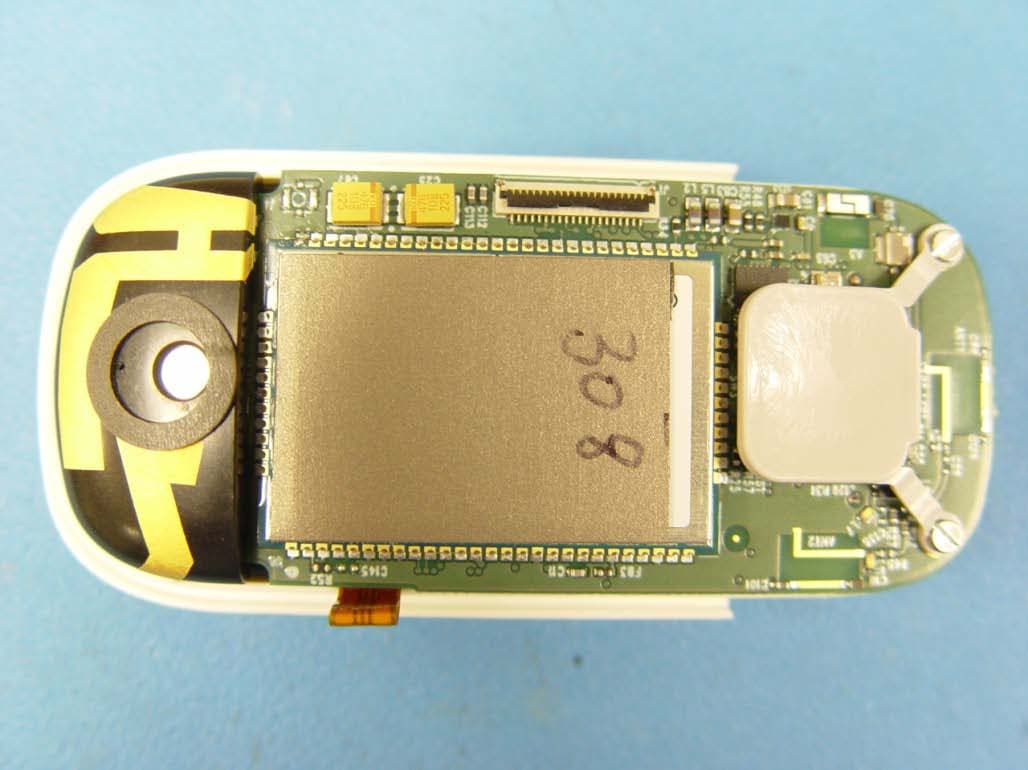
BDZ7000MHB
Sep 19, 2013Mobile Help Button (MHB) for a Personal Emergency System (PERS)
Equipment Class
PCT - PCS Licensed Transmitter worn on body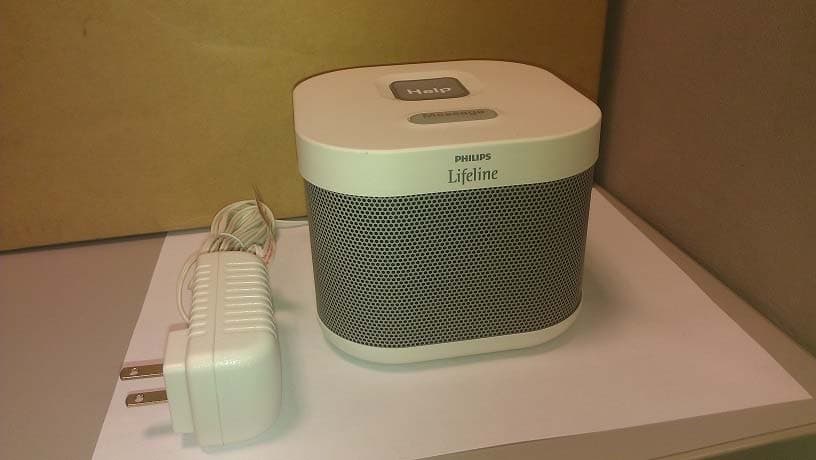
BDZ7000C
Sep 12, 2013Calgary communicator unit with ISM, GSM, WCDMA
Equipment Class
DXX - Part 15 Low Power Communication Device Transmitter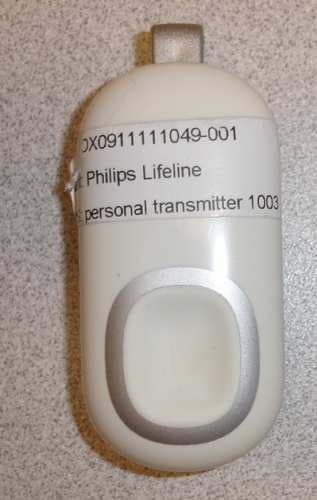
BDZFD100SL
Nov 01, 2012Personal Help Button/Auto-Alert Help Button
Equipment Class
DSR - Part 15 Remote Control/Security Device Transceiver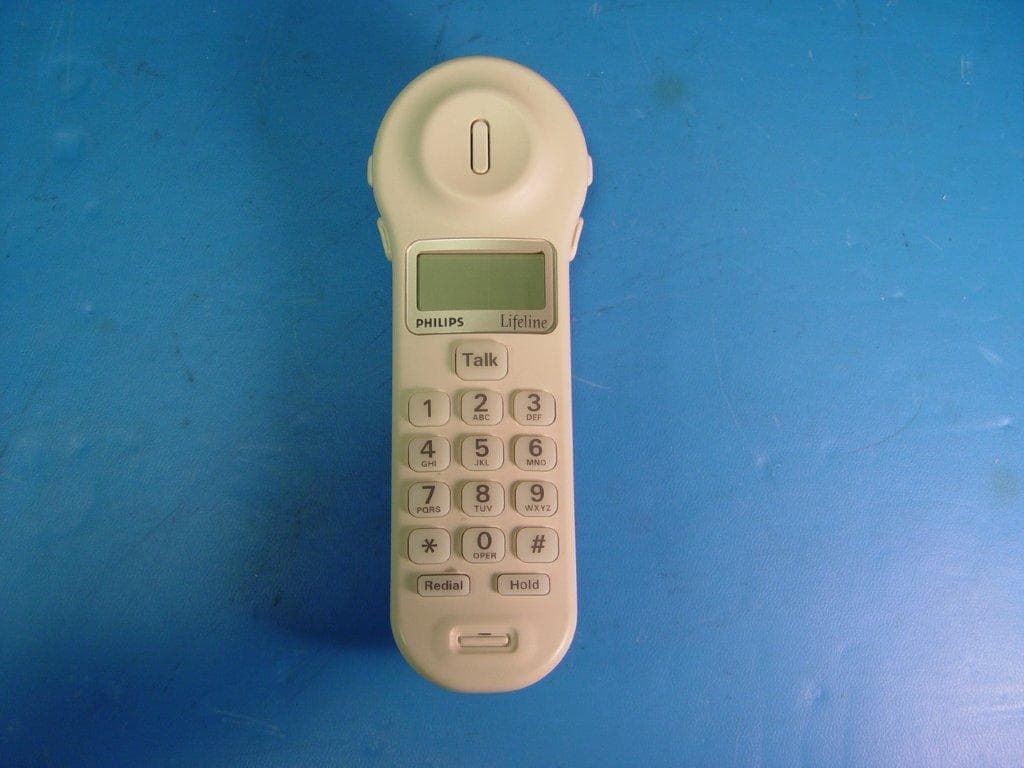
BDZ1000
Sep 27, 2012Philips Lifeline Cordless Phone Communicator
Equipment Class
PUE - Part 15 Unlicensed PCS portable Tx held to ear