BDZFD100AutoAlert Help Button
Lifeline Systems Inc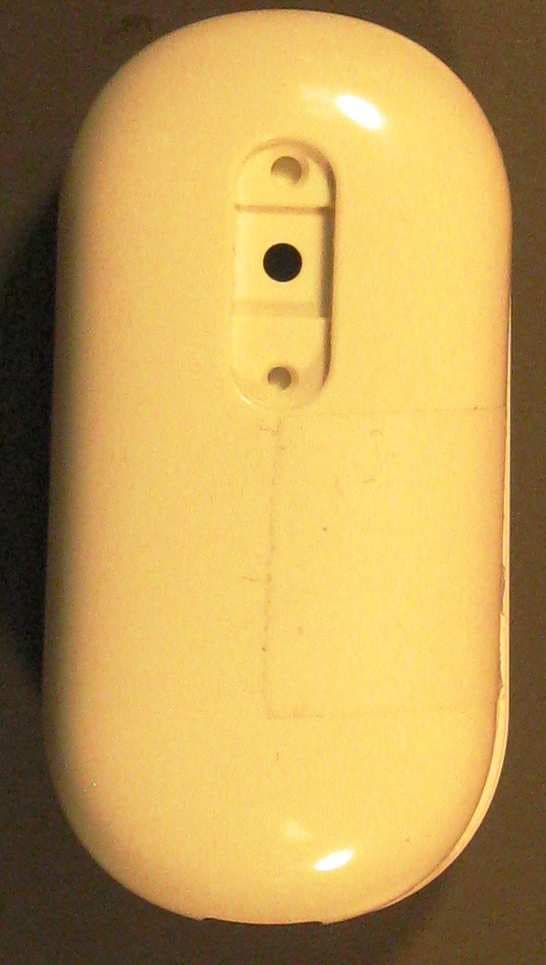
Click to zoom
Application Details
- Equipment Class
- DSC - Part 15 Security/Remote Control Transmitter
- Date of Grant
- May 11, 2010
- Application Purpose
- Original Equipment
- Date of Application
- May 11, 2010
- Equipment Note
- AutoAlert Help Button
- Frequency Range
- 312.00000000 - 312.00000000
- Company
- Lifeline Systems Inc
- Country
- United States
Documents & Files
Document Text
Text extracted from the exhibit documents filed with the FCC. Open a document above to read the original.
Users Manual
Philips Lifeline AutoAlert Help Button User’s Manual 2 For assistance, call 1-800-635-6156 in the U.S. and 1-800-387-1215 in Canada. Important Phone Numbers For any questions about your service, billing or any other concerns, please contact: Philips Lifeline Subscriber Services 1-800-635-6156 (U.S.) 1-800-387-1215 (Canada) List of My Responders and People to Notify: Responders are people whom Lifeline will call in case of an emergency. People to Notify are people who will be notified that you required help but who are not involved in coming to your assistance. Responder/ Do They Name Person to Notify Phone Number(s) Have a Key? 3 For assistance, call 1-800-635-6156 in the U.S. and 1-800-387-1215 in Canada. Contents Welcome ........................................................................................4 Warnings and Cautions ................................................................5 Warnings Cautions AutoAlert Help Button ................................................................6 What to Expect if you Fall Compatible Communicators Important Reminders Recommended Usage ...................................................................8 Getting Started ...........................................................................10 Setting up a new AutoAlert Help Button Signal Range Test Adjusting the Neck Cord Calling for Help ...........................................................................12 Responders and People to Notify Monthly Check-in Call ................................................................14 Check-in Call Check-in Reminder Cleaning ........................................................................................15 Maintenance .................................................................................16 Batteries Equipment Service Troubleshooting...........................................................................17 Frequently Asked Questions Regulatory Compliance ..............................................................19 4 For assistance, call 1-800-635-6156 in the U.S. and 1-800-387-1215 in Canada. Welcome Thank you for choosing Philips Lifeline and our new AutoAlert Help Button (FD100). The AutoAlert Help Button has all of the features of our standard Help Button, allowing you to summon assistance anytime you need help. Your AutoAlert Help Button also provides an added layer of protection – automatically calling for help if you fall and are unable to press the button. We have designed the AutoAlert Help Button to help you live safely and independently in your home. This User’s Manual will provide you with all the information you need to know about the AutoAlert Help Button. Please read the manual carefully and, if at any point you have a question, feel free to call Philips Lifeline. For additional information regarding the Lifeline service and how your Communicator functions, please see the User’s Manual that came with your Communicator. 5 For assistance, call 1-800-635-6156 in the U.S. and 1-800-387-1215 in Canada. Warnings and Cautions Warnings Possible injury, death or other serious adverse reactions may occur with use or misuse of the AutoAlert Help Button. WARNING The AutoAlert Help Button neck cord is not designed to break away. Therefore, it can pose a choking risk, including the possibility of death and serious injuries. This may apply to wearers in wheelchairs, using walkers, using beds with guard rails, or who might encounter other protruding objects upon which the cord can become tangled. Cautions Device malfunction, device failure, damage to the device or damage to other property may occur with use or misuse of the AutoAlert Help Button. CAUTION The AutoAlert Help Button is a radio frequency (RF) device that transmits a signal to a compatible Lifeline Communicator. The Communicator must be properly set up and the coverage range of the AutoAlert Help Button must be tested prior to use. Please see the Quick Start Guide included in the box with the Communicator for instructions on how to set up your system and test the coverage range of your AutoAlert Help Button. Instructions for testing the coverage range are also included in this manual (see the section entitled Signal Range Test.) The signal range may be affected by environmental factors including building materials (e.g., concrete, metal), large masses covering or obstructing the Help Button, or submersion in liquid. Be sure to thoroughly test the coverage range of the Help Button in all areas of your home including the bathroom, basement and garage. The vent located on the back of the AutoAlert Help Button is part of the fall detection sensor system and needs to remain clear of obstructions (e.g., lint or food products). A flow of water (e.g., a shower) hitting the vent directly may also obstruct the vent. Therefore, in certain rare situations, the Help Button may not detect a fall in the shower. It is recommended that you wear your AutoAlert Help Button at all times, especially when bathing or showering. If you fall and need help, always press the Help Button if you are able. The AutoAlert Help Button may interfere with aircraft communications and medical equipment such as magnetic resonance imaging (MRI.) Do not take the AutoAlert Help Button aboard an airplane. You may pack the AutoAlert Help Button in checked luggage. There are no user-serviceable parts inside the AutoAlert Help Button. Do not attempt to open or modify the device. The AutoAlert Help Button contains a lithium battery that must be disposed of properly. Do not discard the Help Button in the trash or expose it to flames or intense heat. 6 For assistance, call 1-800-635-6156 in the U.S. and 1-800-387-1215 in Canada. AutoAlert Help Button The AutoAlert Help Button is your direct connection to Lifeline and allows you to summon assistance 24 hours a day, 7 days per week. The AutoAlert Help Button works in conjunction with a compatible Lifeline Communicator. When you press your AutoAle…
Text truncated - open the document above for the full version.
Cover Letter(s)
Philips Lifeline 111 Lawrence Street Framingham, MA 01702 www.lifelinesys.com October 9, 2009 Philips Healthcare Attention: Application Examiner Re: Request for confidentiality Applicant: Lifeline Systems Inc. FCC ID: BDZFD100 To whom it may concern, Request is hereby submitted by Lifeline Systems Inc. to withhold permanently from public review certain portions of the application for equipment certification for the referenced FCC identifiers. This request for confidentiality is made pursuant to 47 CFR 0.457(d) and 0.459 of the FCC Rules. In particular, the following sections of the application are to be kept permanently confidential: • Schematics • Detailed Block diagrams • Detailed Operational/Functional Description • Parts list Rationale for request for confidentiality: Lifeline Systems Inc. has invested considerable time and materials in research and development to produce the referenced product. Disclosure of the permanently confidential portions of this application to competitors would not only give them significant competitive advantages in developing similar products, but would also disclose successful implementation of unpublished, leading edge technology developed by us The fee for confidentiality has been submitted along with the fee for certification.] If you have questions or need further information, please contact the undersigned. Sincerely, Clyde Dottin Manager, Engineering Services Lifeline Systems Inc. Phone: 508.988 .1313
Cover Letter(s)
Philips Lifeline 111 Lawrence Street Framingham, MA 01702 www.lifelinesys.com Philips Healthcare Letter of Agency I appoint Intertek Testing Services NA Inc. to act on our behalf in front of the Federal Communications Commission with respect to all matters relating to certification of equipment under the FCC rules until further notice. I further certify that no party (as defined in 1.2002 of CFR 47, 1995) to this application, including myself, is subject to denial of federal benefits, that includes FCC benefits, pursuant to Section 5301 of the Anti-Drug Abuse Act of 1988, 21 U.S.C.,862. Equipment: FD100 Dated this 9th day of October 2009 Clyde Dottin Manager, Engineering Services Lifeline Systems Inc. Phone: 508.988.1313
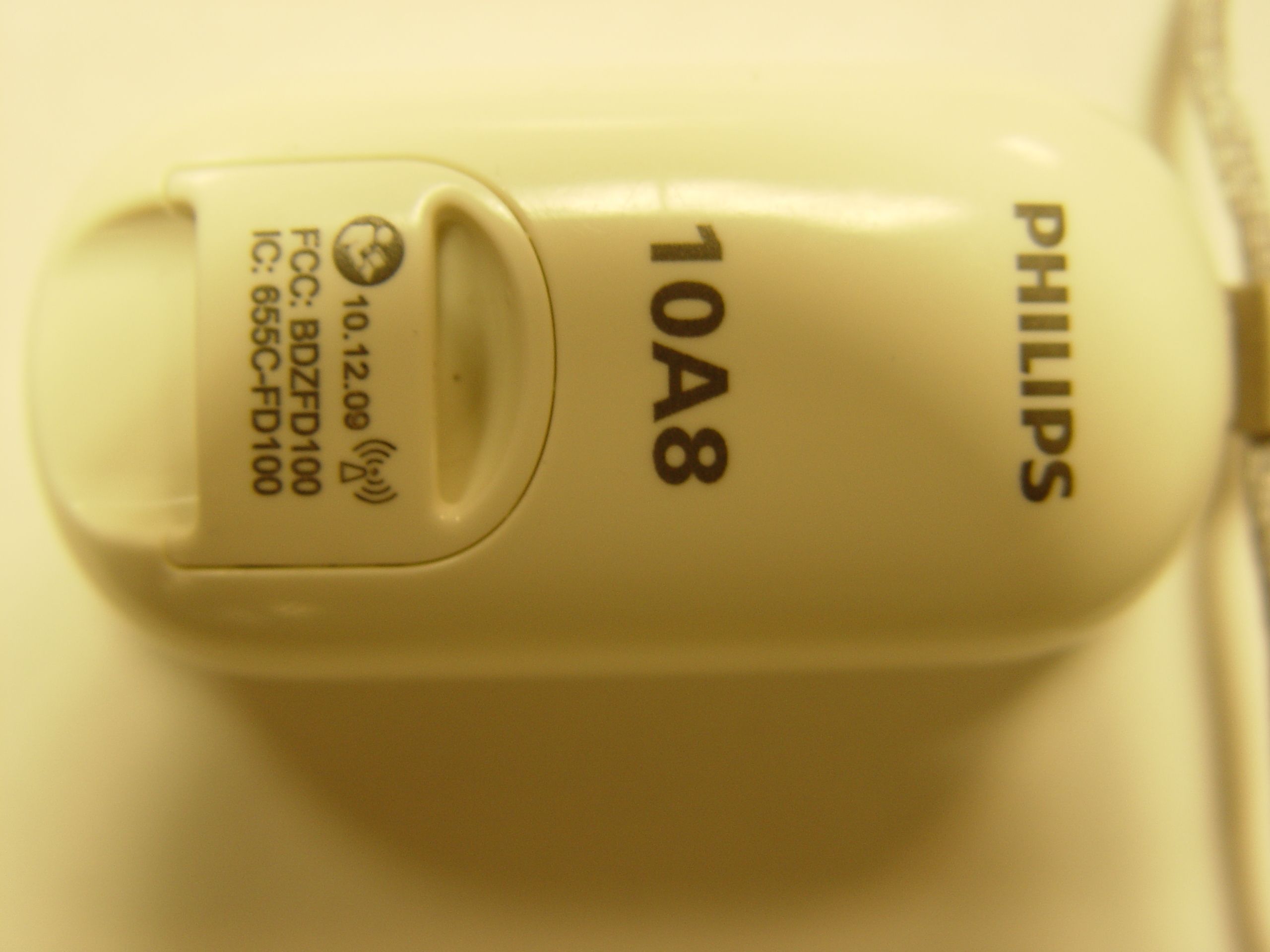
External Photos
Front view Rear view
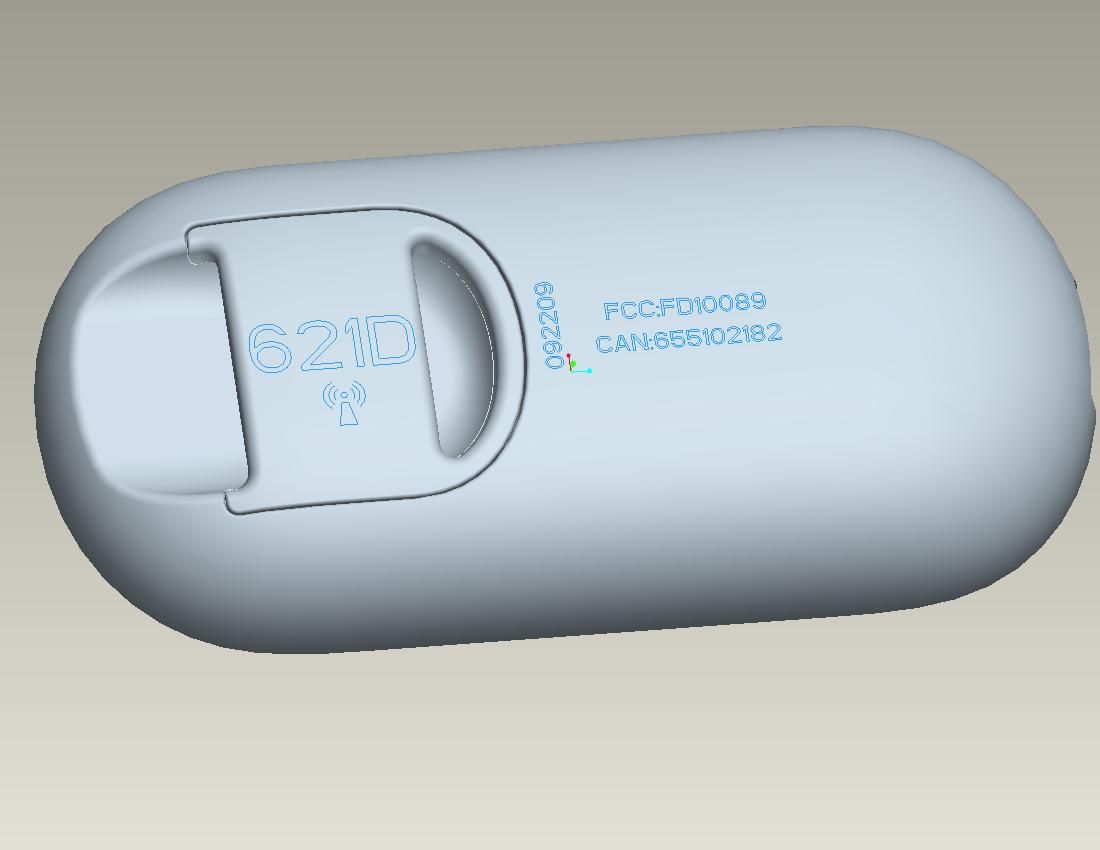
ID Label/Location Info
.44 .06 .03 .40 .54 1.14 5 POINT TEXT 5 POINT TEXT 9 POINT TEXT GRAPHIC CENTERED ON INSERT SCALE 3.000
Test Report
Client: Product Designation: FD100 Report Number: 3190417ATL-004 All services undertaken are subject to the following general policy: This report is for the exclusive use of Intertek's Client and is provided pursuant to the agreement between Intertek and its Client. Intertek's responsibility and liability are limited to the terms and conditions of the agreement. Intertek assumes no liability to any party, other than to the Client in accordance with the agreement, for any loss, expense or damage occasioned by the use of this report. Only the Client is authorized to copy or distribute this report and then only in its entirety. Any use of the Intertek name or one of its marks for the sale or advertisement of the tested material, product or service must first be approved in writing by Intertek. The observations and test results in this report are relevant only to the sample tested. This report by itself does not imply that the material, product, or service is or has ever been under an Intertek certification program. This report must not be used to claim product endorsement by A2LA, NIST, or any agency of the US Government. Tested by: Tests performed by:Report reviewed by: Standard: Chris D. Capelle Senior Project Engineer Jeremy O. Pickens EMC Department Manager Lifeline S ystems, Inc. 111 Lawrence Street Framingham, MA 01702-8156 Contact: Clyde Dottin Phone: 508.988.1313 Fax: 240.536.3263 TEST REPORT March 29, 2010 Intertek Testing Services NA Inc. 1950 Evergreen Blvd., Suite 100 Duluth, GA 30096 47 CFR Part 15, Subpart C (15.231 - Periodic operation in the band 40.66- 40.70 MHz and above 70 MHz) RSS-210, Issue 7, 2007 Page 1 of 22EMC Report for Lifeline Systems, Inc. on the FD100 03/29/2010Report Number: 3190417ATL-004Issued: Intertek 2.0 Test Summary 1.0 Introduction and Conclusion Test DateTest Full NameResultSection System setup including cable interconnection details, support equipment and simplified block diagram. (System Setup)4.0 Overview of EUT (Low Power Transmitters) (FCC 15C - EUT Overview)5.0 Restrictions (FCC 15C - 15.231(a))6.0 11/02/2009Duty Cycle Determination (FCC 15A - 15.35(c))7.0 11/02/2009Radiated Emissions (FCC 15C - 15.231(b))PASS8.0 10/07/2009Bandwidth Requirements (FCC 15C - 15.231(c))PASS9.0 Revision History (Revision History)10.0 Conducted emissions on AC power lines (Conducted Emissions) was waived due to the EUT is battery powered.NA Conducted Emissions for Intentional Radiators (FCC 15C - 15.207) was waived due to the EUT is battery powered.NA The tests indicated in section 2.0 were performed on the product constructed as described in section 3.0. The remaining test sections are the verbatum text from the actual data sheets used during the investigation. These test sections include the test name, the specified test Method, a list of the actual Test Equipment Used, documentation Photos, Results and raw Data. No additions, deviations, or exclusions have been made from the standard(s) unless specifically noted. Based on the results of our investigation, we have concluded the product tested complies with the requirements of the standard(s) indicated. The results obtained in this test report pertain only to the item(s) tested. Page 2 of 22EMC Report for Lifeline Systems, Inc. on the FD100 03/29/2010Report Number: 3190417ATL-004Issued: Intertek 3.0 Description of Equipment Under Test Equipment Under Test Descriptio n Manufacturer Model Number Serial N umb er Personal Help Button Lifeline Systems, Inc. FD100 Not Labeled EUT receive date: 10/7/09 EU T receive condition: Good Description of EUT provided by Intertek: The Troy, FD100 is a 312MHz Personal Help Button (PHB) with built in fall detection. Description of EUT exercising: The device was configured to continuously transmit once the internal 3 Volt battery was connected. Page 3 of 22EMC Report for Lifeline Systems, Inc. on the FD100 03/29/2010Report Number: 3190417ATL-004Issued: Intertek System setup including cable interconnection details, support equipment and simplified block diagram. (System Setup) 4.0 Method: Record the details of EUTcabling, document the support equipment, and show the interconnections in a block diagram. EUT Block Diagram Drawing: Page 4 of 22EMC Report for Lifeline Systems, Inc. on the FD100 03/29/2010Report Number: 3190417ATL-004Issued: Intertek System setup including cable interconnection details, support equipment and simplified block diagram. (System Setup) 4.0 Description EUT Cabling Connection Length Shielding FerritesIDFromTo None None Support Equipment DescriptionManufacturerModel NumberSerial Number Data: Page 5 of 22EMC Report for Lifeline Systems, Inc. on the FD100 03/29/2010Report Number: 3190417ATL-004Issued: Intertek Overview of EUT (Low Power Transmitters) (FCC 15C - EUT Overview)5.0 Method: Complete the overview spreadsheet. Related Submittal(s) Grants: This report is for use with an application for certification of a low power transmitter. One transmitter is included in the application. Lifeline Systems, Inc. 111 Lawrence Street Framin g ham, M A 01702-8156 Trade Name & Model No. Fall Detector, FD100 FCC Id en t ifier BDZFD100 IC Id en tifier 655C-FD100 Frequency Range (MHz) 312 A nten na Typ e (15.203) In teg ral Lifeline Systems, Inc. 111 Lawrence Street Framin g ham, M A 01702-8156 Additions, deviations and exclusions from standards This report is for use with an application for certification of a low power transmitter. One transmitter is included in the application. Applicant Manufacturer name & address Related Submittals and Grants: Data: Page 6 of 22EMC Report for Lifeline Systems, Inc. on the FD100 03/29/2010Report Number: 3190417ATL-004Issued: Intertek Restrictions (FCC 15C - 15.231(a))6.0 Method: 15.231(a) The provisions of this section are restricted to periodic operation within the band 40.66-40.70 MHz and above 70 MHz. Except as shown in paragraph (e) of this section, the intentional radiator is restricted to the transmission of a control signal such as those …
Text truncated - open the document above for the full version.
Contact Information
Applicant
Roberto Ballester(Principal Design Quality Engineer)
Test Firm
Intertek Testing Services NA Inc.Charles Parker
Technical Specifications
| # | Rule Parts | Frequency Range | Power Output |
|---|---|---|---|
| 1 | 15.231 | 312 MHz - 312 MHz | - |
Other Applications from Lifeline Systems Inc
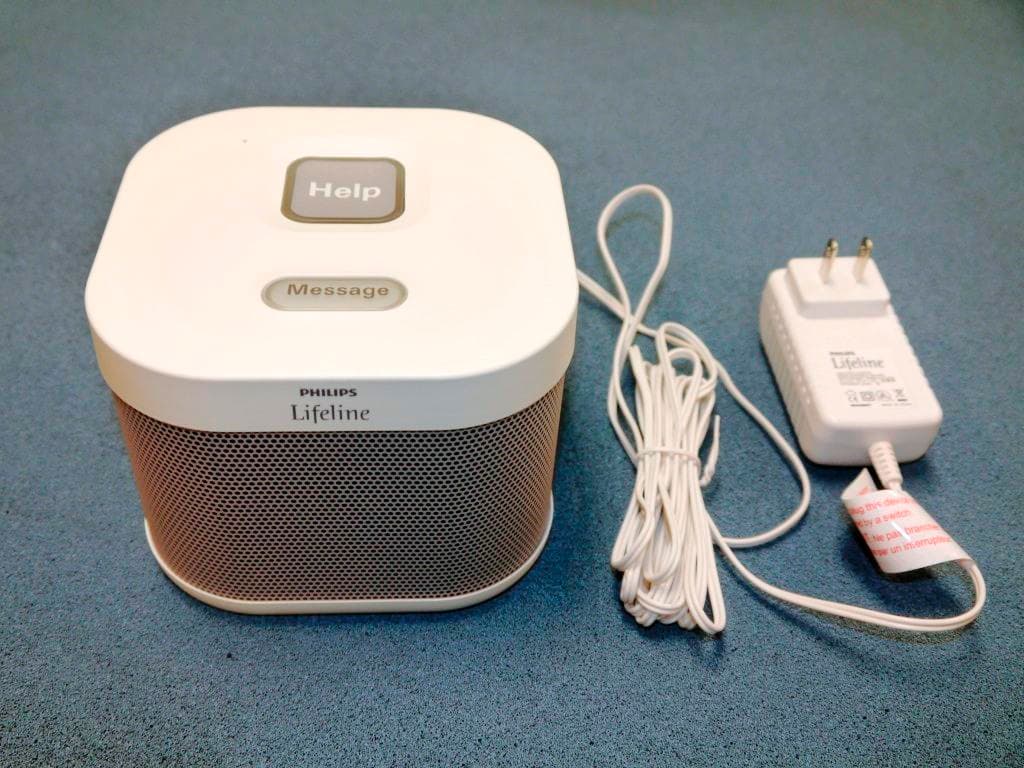
BDZ7200C
Jan 26, 2020Wireless Communicator
Equipment Class
PCB - PCS Licensed Transmitter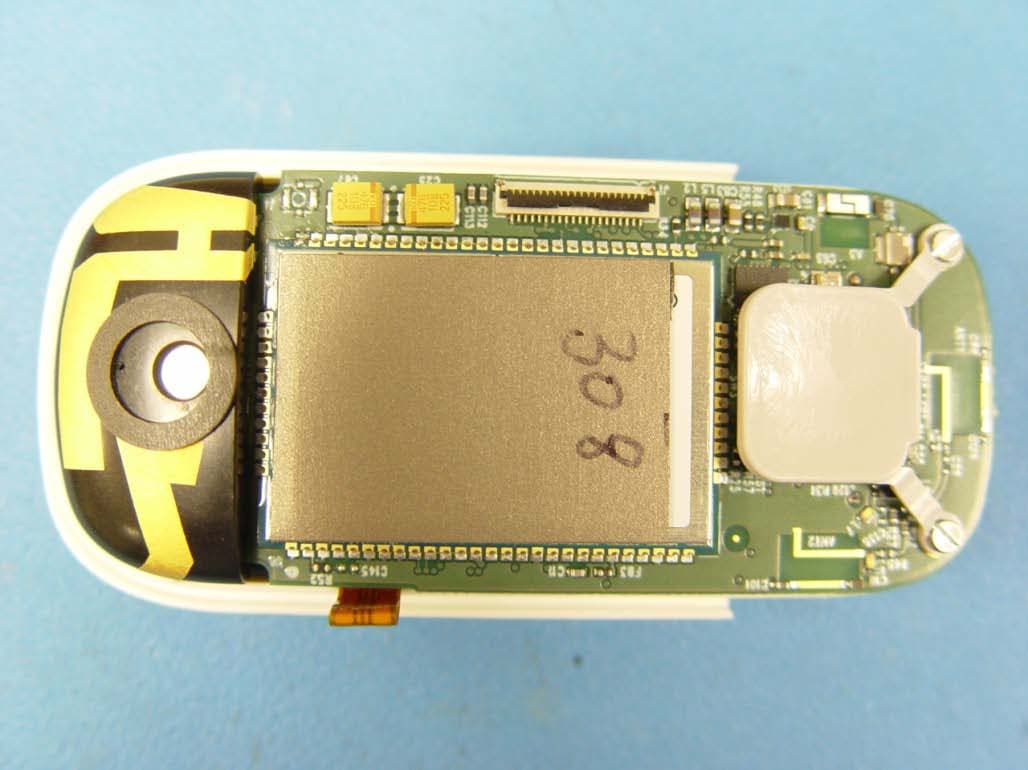
BDZ7000MHB
Sep 19, 2013Mobile Help Button (MHB) for a Personal Emergency System (PERS)
Equipment Class
PCT - PCS Licensed Transmitter worn on body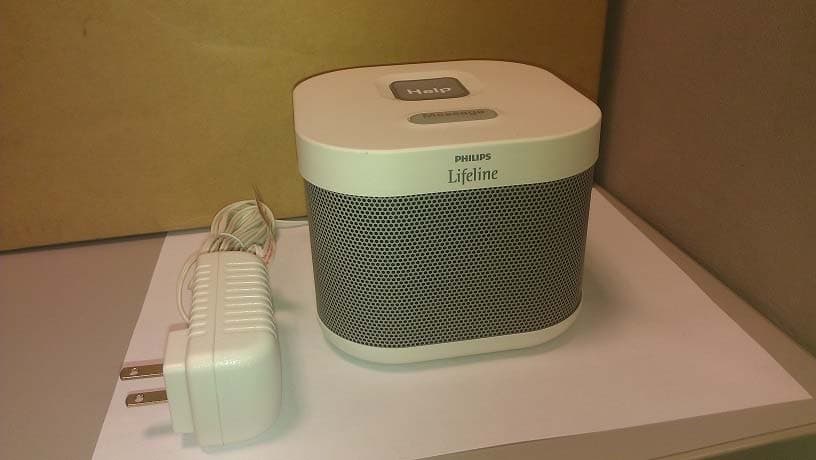
BDZ7000C
Sep 12, 2013Calgary communicator unit with ISM, GSM, WCDMA
Equipment Class
DXX - Part 15 Low Power Communication Device Transmitter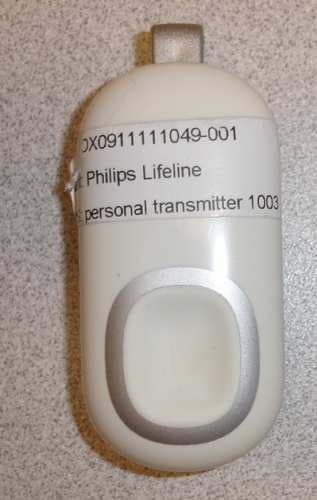
BDZFD100SL
Nov 01, 2012Personal Help Button/Auto-Alert Help Button
Equipment Class
DSR - Part 15 Remote Control/Security Device Transceiver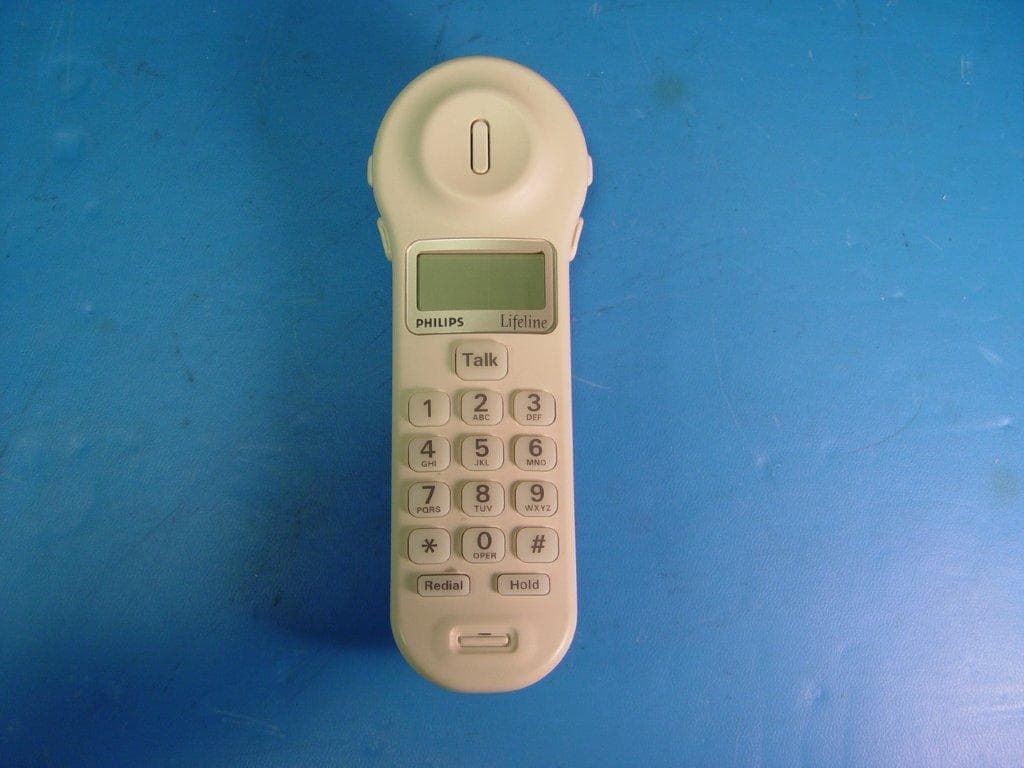
BDZ1000
Sep 27, 2012Philips Lifeline Cordless Phone Communicator
Equipment Class
PUE - Part 15 Unlicensed PCS portable Tx held to ear