DZLYRBF91Bluetooth Keyboard
Logitech Inc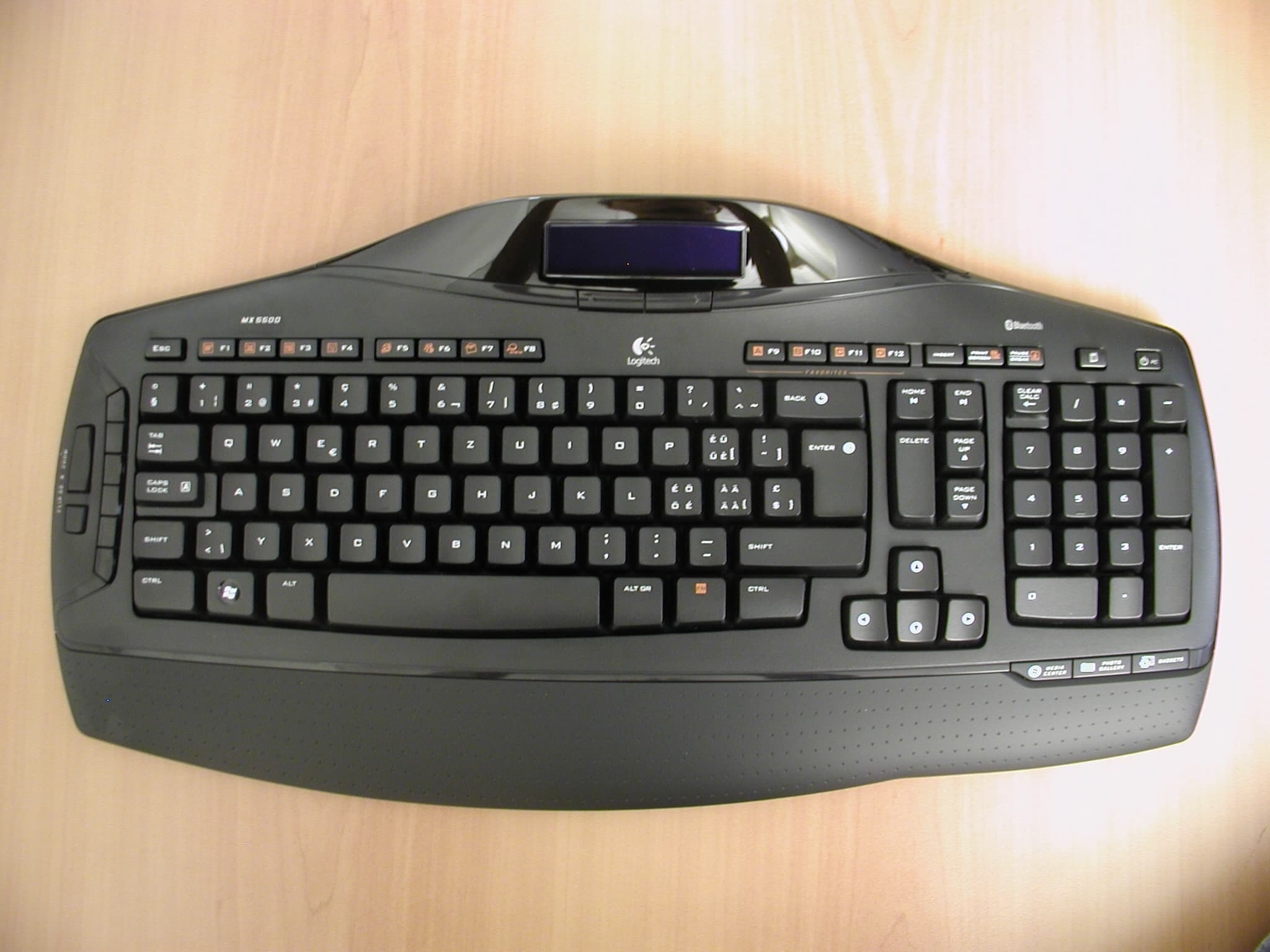
Click to zoom
Application Details
- Equipment Class
- DSS - Part 15 Spread Spectrum Transmitter
- Date of Grant
- Jan 28, 2008
- Application Purpose
- Original Equipment
- Date of Application
- Jan 28, 2008
- Equipment Note
- Bluetooth Keyboard
- Frequency Range
- 2402.00000000 - 2480.00000000
- Company
- Logitech Inc
- Country
- United States
Documents & Files
Document Text
Text extracted from the exhibit documents filed with the FCC. Open a document above to read the original.
Users Manual
FCC_Compliance-Advisory_statement_May 2007.txt © 2006 Logitech. All Rights Reserved. Logitech, the Logitech logo, and other Logitech marks are owned by Logitech and may be registered. All other trademarks are the property of their respective owners. Logitech assumes no responsibility for any errors that may appear in this manual. Information contained herein is subject to change without notice. Document Part Number: The following "FCC Compliance and Advisory Statement" apply in general to all Logitech devices, and specifically to the devices listed there: Logitech 2.4 GHz devices ( power 100mW max) : Model namesFCC IDModel namesFCC ID M-RAB81DZL201662M-RAP81DZL201828A M-RAN100DZL201866M-RBB93JNZ201943 M-RBA97DZL201945M-RAY105DZL201940 M-RBK93bJNZ201998M-RBH113DZL201966 M-RBL117DZL201992M-RBT105AJNZ212125 M-RBP123DZL202163M-RBQ124DZL202311 M-RBR125JNZ222167M-RBU126DZL202251 M-RBP123DZL202797M-RCH105DZLMRCH105 M-RCJ134DZLMRCJ134M-RCL124DZLMRCL124 M-RCQ142JNZMRCQ142 Y-RM42DZL201658Y-RZ42DZL201658A Y-RN43DZL201678Y-RAA43DZL201678A Y-RP20DZL201661Y-RAH72DZL201974 Y-RAN77JNZ222130Y-RAY81DZL202343 Y-RBF91DZLYRBF91Y-RBG93DZLYRBG93 Y-RBC86 JNZYRBC86 C-BM16ADZL201657C-UJ16ADZL201657 C-BQ16ADZL201657AC-UW34DZL201958 C-UX34DZL201963C-UV35DZL201986 C-UBC34DZLCUBC345021URF JNZ5021URF Logitech 27 MHz devices ( power 1 mW max): Model namesFCC IDModel namesFCC ID M-RY81JNZ211596M-RAJ89AJNZ201779 M-RAA88DZL211647M-RAK89BDZL201780 M-RAA89DZL211646M-RAJ88AJNZ201798 M-RAA93DZL201705M-RAJ89CJNZ201779 M-RAF95JNZ201740M-RAU95JNZ201893 M-RR95JNZ201721M-RAG97DZL201758 M-RAM99DZL201843M-RAA93aJNZ201759 M-RAT95AJNZ201892M-RAS88AJNZ201895 M-RAK89DDZL201780M-RAZ105DZL201959 M-RBG112JNZ211953M-RBG114JNZ202023 M-RBF111JNZ201962M-RBN114JNZ212106 M-RBW112JNZ202484M-RBS111JNZ202506 M-RCF112 JNZ210000037M-RBS136JNZ210000117 M-RCE95JNZ201893M-BCK135JNZ210000056 M-UAN141JNZMUAN141 Y-RK56JNZRK56587Y-RQ53DZL131139 Y-RK56AJNZRK56587Y-RR53DZL131836 Y-RQ57JNZ201774Y-RQ52DZL131836 Y-RX43DZL201824Y-RR57DZL131836 Y-RW42DZL201801Y-RR54DZL131836M Y-RK49JNZ201587Y-RAJ56AJNZ201997 Y-RR71JNZYRR71Y-RR63JNZ201968 Y-RAK73DZL202065Y-RAM74DZL134041 Y-RAU7JNZ202198Y-RAR76JNZ212336 Y-RAP78JNZ212175Y-RAS79JNZ212336 Y-RAV80DZL135446Y-RAZ71JNZYRAZ71 Página 1 FCC_Compliance-Advisory_statement_May 2007.txt Y-RCP140JNZYRCP140 Y-RBA78 JNZYRBA78 R-RD8JNZ201987 FCC Compliance and Advisory Statement. This hardware device complies with Part 15 of the FCC Rules. Operation is subject to the following two conditions: 1) this device may not cause harmful interference, and 2) this device must accept any interference received, including interference that may cause undesired operation. This equipment has been tested and found to comply with the limits for a Class B digital device, pursuant to Part 15 of the FCC Rules. These limits are designed to provide reasonable protection against harmful interference in a residential installation. This equipment generates, uses, and can radiate radio frequency energy and, if not installed or used in accordance with the instructions, may cause harmful interference to radio communications. However, there is no guarantee that interference will not occur in a particular installation. If this equipment does cause harmful interference to radio or television reception, which can be determined by turning the equipment off and on, the user is encouraged to try to correct the interference by one or more of the following measures: 1) reorient or relocate the receiving antenna; 2) increase the separation between the equipment and the receiver; 3) connect the equipment to an outlet on a circuit different from that to which the receiver is connected; 4) consult the dealer or an experienced radio/TV technician for help. Any changes or modifications not expressly approved by the party responsible for compliance could void the user's authority to operate the equipment. Where shielded interface cables have been provided with the product or specified additional components or accessories elsewhere defined to be used with the installation of the product, they must be used in order to ensure compliance with FCC regulations. © 2006 Logitech. Tous droits réservés. Logitech, le logo Logitech et les autres marques Logitech sont la propriété exclusive de Logitech et sont susceptibles d’être des marques déposées. Toutes les autres marques sont la propriété exclusive de leurs détenteurs respectifs. Logitech décline toute responsabilité en cas d'erreurs dans ce manuel. Les informations énoncées dans le présent document peuvent faire l’objet de modifications sans avis préalable. La "Déclaration FCC" suivante, s'applique à tous les produits Logitech en général et spécifiquement aux produits listés ci-dessous: Produits Logitech 2.4 GHz: ( puissance émise 100mW max): Model namesFCC IDModel namesFCC ID M-RAB81DZL201662M-RAP81DZL201828A M-RAN100DZL201866M-RBB93JNZ201943 M-RBA97DZL201945M-RAY105DZL201940 M-RBK93bJNZ201998M-RBH113DZL201966 M-RBL117DZL201992M-RBT105AJNZ212125 M-RBP123DZL202163M-RBQ124DZL202311 M-RBR125JNZ222167M-RBU126DZL202251 M-RBP123DZL202797M-RCH105DZLMRCH105 M-RCJ134DZLMRCJ134M-RCL124DZLMRCL124 M-RCQ142JNZMRCQ142 Y-RM42DZL201658Y-RZ42DZL201658A Y-RN43DZL201678Y-RAA43DZL201678A Y-RP20DZL201661Y-RAH72DZL201974 Y-RAN77JNZ222130Y-RAY81DZL202343 Y-RBF91DZLYRBF91Y-RBG93DZLYRBG93 Y-RBC86 JNZYRBC86 C-BM16ADZL201657C-UJ16ADZL201657 Página 2 FCC_Compliance-Advisory_statement_May 2007.txt C-BQ16ADZL201657AC-UW34DZL201958 C-UX34DZL201963C-UV35DZL201986 C-UBC34DZLCUBC345021URF JNZ5021URF Produits Logitech 27 MHz ( puissance émise 1 mW max): Model namesFCC IDModel namesFCC ID Model namesFCC IDModel namesFCC ID M-RY81JNZ211596M-RAJ89AJNZ201779 M-RAA88DZL211647M-RAK89BDZL201780 M-RAA89DZL211646M-RAJ88AJNZ201798 M-RAA93DZL201705M-RAJ89CJNZ201779 M-RAF95JNZ201740M-RAU95JNZ201893 M-RR95JNZ201721M-RAG97DZL201758 M-RAM99DZL201843M-RAA93aJNZ201759 M-RAT95AJNZ201892M-RAS88AJNZ201895 M-RAK89DDZL201780M-RAZ105DZL201959 M-RBG112JNZ211953M-RBG114JNZ202023 M-RBF111JNZ2…
Text truncated - open the document above for the full version.
Cover Letter(s)
Met Laboratories 914 West Patapsco Ave. Baltimore, MD 21230 January 17, 2008 RE: Permanent and Short Term Confidentiality Request To Whom It May Concern: Pursuant to Paragraphs §0.457 and 0.459 of the Commission’s Rules (47 C.F.R.) and Section §552(b)(4) of the Freedom of Information Act, Logitech Inc. requests confidentiality for the following product: FCC ID Number Product Title/Model DZLYRBF91 Bluetooth keyboard / Y-RBF91 For the product stated above, we request that the following information be held permanent confidential: 1) Circuit diagrams 2) Block Diagrams 3) Bill of materials 4) Operational Description For the product stated above, we request that the following information be held limited confidential for a period of 45 days after grant is issued: 5) External and internal photographs 6) User’s manual 7) Test set-up photos No other items submitted as part of the equipment authorization filing process are deemed confidential. The above exhibits contain Logitech Inc. trade secrets and proprietary information that could be of benefit to our competitors regarding the design of our devices. This material is not customarily available to the general public and we request that it be withheld from public inspection. If you have any questions, please feel free to contact me at the address shown below. Sincerely, P.A. Mr. Bharat Shah Senior compliance engineer Logitech Inc. 6505 Kaiser Drive, Fremont, CA 94555, USA Phone: +1 510 795 85 00 E-mail: [email protected]
Cover Letter(s)
POWER OF ATTORNEY By this Power of Attorney, LOGITECH Inc, a company registered under the laws of California, located at: 6505 Kaiser Drive, Fremont, CA 94555, USA (the "Company") hereby authorizes: CENTRO DE TECNOLOGIA DE LAS COMUNICACIONES S.A., a company registered under the laws of Spain, located at: C/Severo Ochoa 2, Campanillas, Malaga, 29590, Spain ("A T4 wireless") To act on behalf of the Company in all matters relating to all processes required for all FCC approval activities in the United States of America. Any and all acts carried out by AT4 wireless on behalf of the Company shall have the same effects as acts of the Company. This authorization is applicable to the following products: . Logitech Keyboard Y-RBF91 . Logitech Keyboard Y-RB693 . Logitech Mouse M-RCL124 . Logitech Dongle C-UBD58 This authorization may not be transferred in full or partially to a third party. It shall remain in effect until December 31st, 2008, unless revoked in a writing signed by authorized representatives of Logitech Inc. Effective Date: January 16th, 2007 Date: 1- \1-og ri/~ .. / (~(~~¿ZI((/'l¿/:Æilk/p¿./ Name:
RF Exposure Info
Met Laboratories 914 West Patapsco Ave. Baltimore, MD 21230 January 17, 2008 RE: RF exposure information FCC ID: DZLYRBF91 FCC ID Number Product Title / Model DZLYRBF91 Bluetooth keyboard / Y-RBF91 TO WHOM IT MAY CONCERN The product stated above complies with the FCC limits for Human exposure to RF emissions. This device is categorically excluded from routine environmental, because it operates at very low power level. The equipment is deemed to comply with the SAR or MPE limits without testing due to its very low power level (EIRP < 2.5 mW). Sincerely, P.A. Mr. Bharat Shah Senior compliance engineer Logitech Inc. 6505 Kaiser Drive, Fremont, CA 94555, USA Phone: +1 510 795 85 00 E-mail: [email protected]
Test Report
Report No.: 26334RET.101 Date: 2007-09-24 Page: 2 of 7 AGY-700-001286.001 FDT08_04 INDEX 1. COMPETENCE AND GUARANTEES...........................................................................................3 2. GENERAL CONDITIONS...............................................................................................................3 3. CHARACTERISTICS OF THE TEST..............................................................................................3 3.1 TEST REQUESTED..................................................................................................................3 3.2 REQUIREMENTS AND METHOD..........................................................................................3 4. IDENTIFICATION DATA SUPPLIED BY THE APPLICANT......................................................4 4.1 APPLICANT..............................................................................................................................4 4.2 REPRESENTATIVE..................................................................................................................4 4.3 TEST SAMPLES SUPPLIER....................................................................................................5 4.4 IDENTIFICATION OF ITEM/ITEMS TESTED.......................................................................5 5. USAGE OF SAMPLES, PERIOD OF TESTING AND ENVIRONMENTAL CONDITIONS.......5 5.1 USAGE OF SAMPLES..............................................................................................................5 5.2 PERIOD OF TESTING..............................................................................................................6 5.3 ENVIROMENTAL CONDITIONS...........................................................................................6 6. TEST RESULTS...............................................................................................................................7 7. REMARKS AND COMMENTS.......................................................................................................7 8. SUMMARY.......................................................................................................................................7 ANNEXES ANNEX A. TEST RESULTS ANNEX B. PHOTOGRAPHS Report No.: 26334RET.101 Date: 2007-09-24 Page: 3 of 7 AGY-700-001286.001 FDT08_04 1. COMPETENCE AND GUARANTEES Centro de Tecnología de las Comunicaciones (AT4 WIRELESS), S.A. is a laboratory with a measurement facility in compliance with the requirements of Section 2.948 of the FCC rules and has been added to the list of facilities whose measurements data will be accepted in conjuction with applications for Certification under Parts 15 or 18 of the Commission's Rules. Registration Number: 905266. Centro de Tecnología de las Comunicaciones (AT4 WIRELESS), S.A. is a laboratory with a measurement site in compliance with the requirements of RSS 212, Issue 1 (Provisional) and has been added to the list of filed sites of the Canadian Certification and Engineering Bureau. Reference File Number: IC 4621. In order to assure the traceability to other national and international laboratories, AT4 WIRELESS has a calibration and maintenance programme for its measuring equipment. AT4 WIRELESS guarantees the reliability of the data presented in this report, which is the result of measurements and tests performed to the item under test on the date and under the conditions stated on the report and is based on the knowledge and technical facilities available at AT4 WIRELESS at the time of execution of the test. AT4 WIRELESS is liable to the client for the maintenance by its personnel of the confidentiality of all information related to the item under test and the results of the test. 2. GENERAL CONDITIONS 1. This report only refers to the item that has undergone the test. 2. This report does not constitute or imply by its own an approval of the product by the Certification Bodies or competent Authorities. 3. This document is only valid if complete; no partial reproduction can be made without written approval of AT4 WIRELESS. 4. This test report cannot be used partially or in full for publicity and/or promotional purposes without previous written approval of AT4 WIRELESS and the Accreditation Bodies. 3. CHARACTERISTICS OF THE TEST 3.1 TEST REQUESTED 1. Measurements for frequency hopping spread spectrum equipment (Bluetooth) operating in the 2400 MHz -2483.5 MHz band and using, according to FCC Part 15.247. 3.2 REQUIREMENTS AND METHOD 1. FCC parts 15.33, 15.35, 15.247, 15.205, 15.209, 15.109 and the document DA 00- 705:"Filing and Measurement Guidelines for Frequency Hopping Spread Spectrum Systems". The testing was performed according to the procedure in ANSI C63.4: 2003. Radiated testing was performed in AT4 WIRELESS's semi-anechoic chamber. This site has been fully described in a report submitted to the FCC and was accepted in a letter dated July 25, 2002. Report No.: 26334RET.101 Date: 2007-09-24 Page: 4 of 7 AGY-700-001286.001 FDT08_04 The instrumentation used to perform the testing is listed below: 1. Semianechoic Absorber Lined Chamber IR 11. BS. 2. Control Chamber IR 12.BC. 3. Antenna mast EM 1072 NMT. 4. Rotating table EM 1084-4. ON. 5. Multi device controller ETS 2090. 6. Bluetooth test set Anritsu MT8852A. 7. Bilog antenna CHASE CBL6111. 8. Antenna tripod EMCO 11968C. 9. Double-ridge Guide Horn antenna 1-18 GHz HP 11966E. 10. Double-ridge Guide Horn antenna 18-40 GHz Agilent 119665J. 11. RF pre-amplifier Miteq JS4-12002600-30-5A. 12. Semianechoic Absorber Lined Chamber IR 11. BS. 13. RF pre-amplifier Miteq AFS5-04001300-15-10P-6. 14. Spectrum analyzer R&S ESIB 26. 15. Spectrum analyzer Agilent E4440A. 16. RF pre-amplifier Schaffner CPA 9231. 17. DC power supply R&S NGPE 40/40. 4. IDENTIFICATION DATA SUPPLIED BY THE APPLICANT Identification data in this section has been supplied by the client. 4.1 APPLICANT Name / Company: Logitech Inc. V.A.T.: Not provided Address: 650…
Text truncated - open the document above for the full version.
Test Report
15.247 (a) (1) Statement AT4 wireless – ITA team Page 1 of 16 Bluetooth devices 15.247 (a) (1) Statement Bluetooth devices Date: 10/01/2007 15.247 (a) (1) Statement AT4 wireless – ITA team Page 2 of 16 Bluetooth devices 1. Pseudorandom hop selection The generation of the hopping sequence in connection mode depends essentially on two input values: 1. LAP/UAP of the master of the connection 2. Internal master clock The LAP (lower address part) are the 24 LSB’s of the 48 BD_ADDRESS. The BD_ADDRESS is an unambiguous number of every Bluetooth unit. The UAP (upper address part) are the 24 MSB’s of the 48 BD_ADDRESS. The internal clock of a Bluetooth unit is derived from a free running clock which is never adjusted and is never turned off. For synchronisation with other units only offset are used. It has no relation to the time of the day. Its resolution is at least half the RX/TX slot length of 312.5 μs. The clock has a cycle of about one day (23h 30’). In most case it is implemented as 28 bit counter. For the deriving of the hopping sequence the entire LAP (24 bits), 4 LSB’s (4 bits) (Input 1) and the 27 MSB’s of the clock (Input 2) are used. With this input values different mathematical procedures (permutations, additions, XOR-operations) are performed to generate the sequence. This will be done at the beginning of every new transmission. The output constitutes a pseudorandom sequence covering 79 hop channels. The exact procedures for the generation of the pseudorandom hopping sequence can be found in “Bluetooth specification Version 1.1 – Part B – Baseband Specification – Chapter 11: Hop selection”. The following is a sample of a pseudorandom hopping sequence of 20 sec. 32000 hops): 34 72 31 69 28 66 25 63 22 60 19 57 16 54 13 51 10 48 07 45 04 42 01 39 77 36 74 33 71 30 68 27 65 24 62 21 59 18 12 20 09 17 61 20 58 17 00 08 76 05 49 08 46 05 67 75 64 72 37 75 34 72 55 63 52 60 25 63 22 60 43 51 40 48 13 51 10 48 31 39 28 36 01 39 77 36 19 27 16 24 68 27 65 24 70 29 55 14 64 23 49 08 58 17 43 02 52 11 37 75 34 72 43 02 28 66 37 75 20 09 17 06 14 03 11 00 22 60 07 45 16 54 01 39 76 65 73 62 70 59 67 56 78 37 63 22 72 31 57 16 66 25 51 10 60 19 45 04 42 01 51 10 36 74 45 04 28 17 25 14 22 11 19 08 30 68 15 53 24 62 09 47 18 56 03 41 12 50 76 35 73 32 03 41 67 26 76 35 59 48 56 45 53 42 50 39 61 20 46 05 55 14 40 78 49 08 34 72 43 02 28 66 25 63 34 72 19 57 28 66 52 62 49 59 46 56 43 53 40 50 37 47 34 44 31 41 28 38 25 35 22 32 19 29 12 50 09 47 61 48 58 45 77 08 09 19 47 06 58 17 67 26 64 23 37 24 34 21 53 63 64 74 23 61 34 72 31 69 14 52 49 59 32 42 19 57 02 40 37 47 20 30 72 31 04 42 11 21 22 32 62 49 59 46 01 39 77 36 58 45 41 28 52 39 35 22 59 69 56 66 29 67 26 64 47 57 44 54 17 55 14 52 35 45 32 42 05 43 02 40 23 33 20 30 72 31 69 28 11 21 08 18 60 19 57 16 78 09 75 06 48 07 45 04 66 76 63 73 36 74 33 71 38 76 21 59 32 70 15 53 26 64 09 47 20 58 03 41 00 38 11 49 73 32 05 43 69 56 66 53 63 50 60 47 69 28 52 11 63 22 46 05 78 37 75 34 44 33 41 30 72 01 77 06 38 76 43 02 60 68 65 73 26 64 31 69 56 64 45 53 22 60 11 49 30 68 27 65 75 64 72 61 24 32 29 37 69 28 74 33 12 20 17 25 57 16 62 21 63 22 60 19 57 16 54 13 37 26 42 31 31 20 36 25 39 77 36 74 33 71 30 68 13 02 18 07 07 75 12 01 15 53 12 50 09 47 06 44 14 52 11 49 59 48 56 45 08 16 13 21 53 12 58 17 75 04 01 09 41 00 46 05 71 00 60 68 37 75 26 64 45 04 42 01 11 00 08 76 39 47 44 52 05 43 10 48 27 35 32 40 72 31 77 36 78 37 75 34 72 31 69 28 52 41 57 46 46 35 51 40 54 13 51 10 48 07 45 04 28 17 33 22 22 11 27 16 30 68 27 65 24 62 21 59 35 73 32 70 29 67 26 64 27 37 32 42 21 31 26 36 15 25 20 30 09 19 14 24 13 51 02 40 56 43 45 32 01 39 69 28 44 31 33 20 60 19 65 24 24 11 29 16 60 70 57 67 24 62 21 59 18 56 15 53 42 52 39 49 73 60 78 65 18 56 23 61 73 32 70 29 18 28 15 25 49 36 54 41 73 32 78 37 51 38 48 35 45 32 42 29 14 52 11 49 38 48 35 45 02 40 78 37 26 36 23 33 69 28 66 25 14 24 11 21 59 46 56 43 53 40 50 37 59 18 48 07 53 12 42 01 35 22 32 19 29 16 26 13 35 73 24 62 29 67 18 56 09 47 06 44 33 43 30 40 76 35 73 32 21 31 18 28 64 23 61 20 09 19 06 16 52 11 49 08 76 07 73 04 42 29 39 26 36 23 33 20 77 06 66 74 43 02 32 70 57 65 62 70 23 61 28 66 39 77 36 74 05 73 02 70 41 49 30 38 07 45 75 34 29 37 15.247 (a) (1) Statement AT4 wireless – ITA team Page 3 of 16 Bluetooth devices 18 26 74 33 63 22 09 17 14 22 54 13 59 18 70 29 67 26 36 25 33 22 72 01 61 69 38 76 27 65 60 68 49 57 26 64 15 53 40 48 45 53 06 44 11 49 22 60 19 57 67 56 64 53 24 32 13 21 69 28 58 17 50 39 47 36 72 31 69 28 52 11 41 00 74 03 63 71 40 78 29 67 62 70 51 59 18 07 23 12 12 01 17 06 06 74 11 00 00 68 05 73 02 70 70 59 75 64 64 53 75 34 72 31 69 28 66 25 51 10 56 15 73 02 78 07 33 22 30 19 55 14 52 11 35 73 24 62 57 65 46 54 23 61 12 50 45 53 34 42 01 69 06 74 74 63 00 68 32 42 19 27 71 30 68 27 10 18 07 15 59 18 56 15 77 06 74 03 47 06 44 03 65 73 62 70 35 73 32 70 53 61 50 58 23 61 20 58 59 18 56 15 53 12 50 09 47 06 44 03 41 00 38 76 35 73 32 70 29 67 26 64 23 61 20 58 17 55 14 52 11 49 08 46 05 43 02 40 78 37 75 34 72 31 69 28 66 25 63 22 60 19 57 16 54 13 51 10 48 07 45 04 42 01 39 77 36 74 33 71 30 68 27 65 24 62 21 59 18 56 15 53 12 50 09 47 06 44 03 41 00 38 76 35 47 34 30 17 41 28 24 11 33 71 30 68 27 65 24 62 23 10 06 72 17 04 00 66 09 47 06 44 03 41 00 38 78 65 61 48 72 59 55 42 64 23 61 20 58 17 55 14 54 41 37 24 48 35 31 18 56 66 67 77 26 64 37 75 46 05 43 02 16 03 13 00 46 56 29 39 16 54 78 37 34 44 17 27 04 42 66 25 08 18 19 29 57 16 68 27 20 58 17 55 38 48 35 45 08 46 05 43 26 36 23 33 75 34 72 31 14 24 11 21 59 46 56 43 53 40 50 37 45 04 56 15 39 77 50 09 35 22 32 19 29 16 26 13 21 59 32 70 15 53 26 64 15 53 12 50 33 43 30 40 03 41 00 38 21 31 18 28 70 29 67 26 09 19 06 16 58 17 55 14 76 07 73 04 42 29 39 26 36 23 33 20 20 28 25 33 65 24 70 29 16 24 05 13 61 20 50 09 69 28 66 25 35 24 32 21 63 71 68 76 29 67 34 72 51 59 56 64 17 55 22 60 47 55 36 44 13 51 02 40 21 59 18 56 66 55 63 52 15 23 20 28 60 19 65 24 03 11 08 16 48 07 53 12 78 07 67 75 44 03…
Text truncated - open the document above for the full version.
Test Report
15.247 (g) Statement AT4 wireless – ITA team Page 1 of 1 Bluetooth devices 15.247 (g) Statement – Bluetooth devices Date: 10/01/2007 According to Bluetooth specifications the channel hopping sequence which has a very long period length (23h 30’) does not show repetitive patterns over a short time interval, but distributes the hop frequencies equally over the 79 hopping channels during a short time interval. The generation of the hopping sequence in connection mode depends essentially on two input values: 1. LAP/UAP of the master of the connection 2. Internal master clock The LAP (lower address part) are the 24 LSB’s of the 48 BD_ADDRESS. The BD_ADDRESS is an unambiguous number of every Bluetooth unit. The UAP (upper address part) are the 24 MSB’s of the 48 BD_ADDRESS. The internal clock of a Bluetooth unit is derived from a free running clock which is never adjusted and is never turned off. For synchronisation with other units only offset are used. It has no relation to the time of the day. Its resolution is at least half the RX/TX slot length of 312.5 μs. The clock has a cycle of about one day (23h 30’). In most case it is implemented as 28 bit counter. For the deriving of the hopping sequence the entire LAP (24 bits), 4 LSB’s (4 bits) (Input 1) and the 27 MSB’s of the clock (Input 2) are used. With this input values different mathematical procedures (permutations, additions, XOR-operations) are performed to generate the sequence. This will be done at the beginning of every new transmission. The output constitutes a pseudorandom sequence covering 79 hop channels. For short transmissions the Bluetooth systems have the following behaviour: When the first connection between two devices is established, a hopping sequence is generated. If for transmitting the wanted data the complete hopping sequence is not used, the connection is ended. When a second connection is established. A new hopping sequence is generated. Due to the fact that the Bluetooth clock has a different value, because the period between the two transmission is longer (it cannot be shorter) than the minimum resolution of the clock (312,5 μs). The hopping sequence will always differ from the first one.
Test Report
15.247 (h) Statement AT4 wireless – ITA team Page 1 of 1 Bluetooth devices 15.247 (h) Statement – Bluetooth devices Date: 10/01/2007 Bluetooth units which want to communicate with other units must be organised in an structure called piconet. This piconet consist of max. 8 Bluetooth units. One unit it the master of the other seven are the slaves. The master co- ordinates frequency occupation in this piconet for all units, the master determines the hopping sequence and the slave follows this sequence. Both devices shift between RX and TX time slot according to the clock of the master. As the master hop sequence is derived from its BD address which is unique for each Bluetooth device, additional masters intending to establish new piconets will allways use different hop sequence.
Contact Information
Applicant
Paul Zahra(Regulatory Compliance Manager)
Technical Contact
Logitech Inc.Bharat Shah
[email protected]510 795 8500
6505 Kaiser Drive · Fremont, California · United States
Test Firm
DEKRA Testing and Certification, S.A.U.Rafael Lopez Martin
Technical Specifications
| # | Rule Parts | Frequency Range | Power Output |
|---|---|---|---|
| 1 | 15C | 2.40 GHz - 2.48 GHz | 1.00 mW |
Other Applications from Logitech Inc
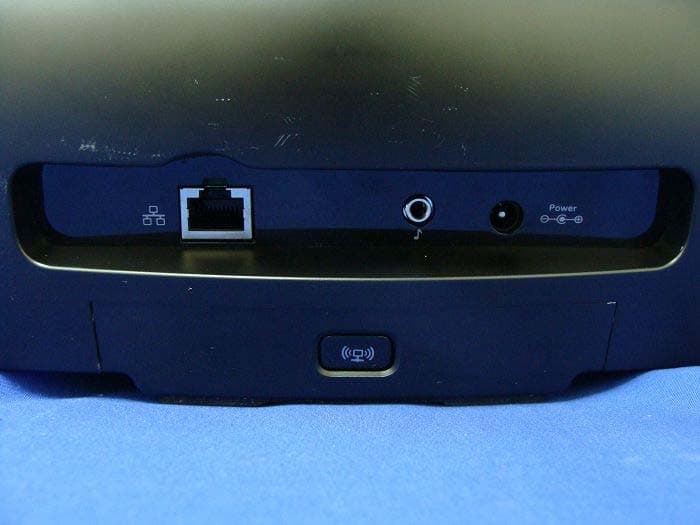
DZLS00118
Oct 06, 2011AIR SPEAKER
Equipment Class
DTS - Digital Transmission System
DZLA00032
Aug 07, 2011Nano Receiver
Equipment Class
DSS - Part 15 Spread Spectrum Transmitter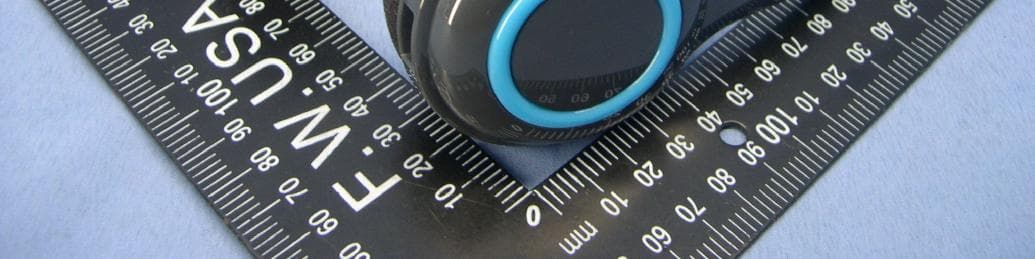
DZLA00031
Jul 24, 2011Wireless Headset H600
Equipment Class
DSS - Part 15 Spread Spectrum Transmitter
DZLS00114
Jul 20, 2011Wireless module
Equipment Class
DSS - Part 15 Spread Spectrum Transmitter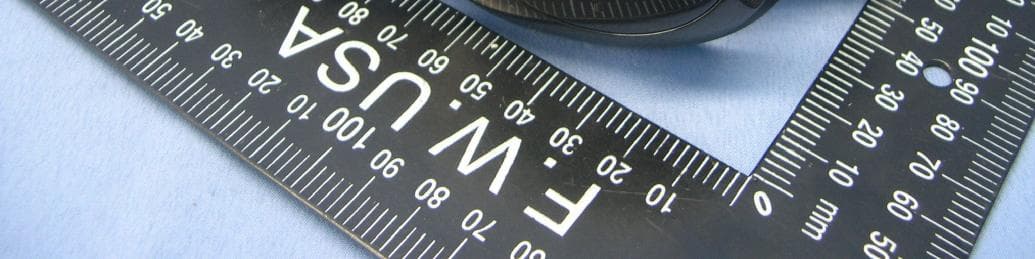
DZLA00033
Jul 18, 2011Wireless Headset H800
Equipment Class
DSS - Part 15 Spread Spectrum Transmitter