F5322PGP9922Glass Break Detector
Tyco Safety Products Canada Ltd.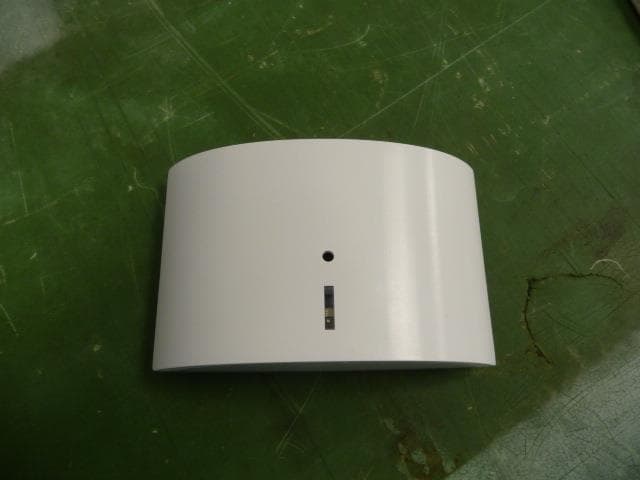
Click to zoom
Application Details
- Equipment Class
- DSS - Part 15 Spread Spectrum Transmitter
- Date of Grant
- Jun 07, 2022
- Application Purpose
- Original Equipment
- Date of Application
- Jun 06, 2022
- Equipment Note
- Glass Break Detector
- Frequency Range
- 912.75000000 - 919.10600000
- Country
- Canada
Documents & Files
Document Text
Text extracted from the exhibit documents filed with the FCC. Open a document above to read the original.
Users Manual
PGP922 Glass Break Detector Installation Guide Installation guidelines The reference to PGP922 throughout this manual includes the model PGP9922. CAUTION: Only qualified personnel may install this equipment. Place this device in non- hazardous indoor locations only. Important: Check the device and the entire alarm system weekly to ensure optimal performance. Note: To comply with FCC and ISED Canada RF exposure compliance requirements, locate the device at a distance of at least 20 cm from all persons during normal operation. Do not co-locate the antennas used for this product, or operate them in conjunction with any other antenna or transmitter. Install the PGP9922 in accordance with the Standard for Installation and Classification of Residential Burglar Alarm Systems, UL 1641 and ULC-S302. Figure 1: PGP922 CalloutDescription ALED BMicrophone CSnap DBattery pull-tab For more information refer to section About PGP922. D-308652 *D-308652* D-308652 PGP922 Rev.0 Optimizing detection and avoiding false alarms PGP922 detects shattering glass. Like all glass-break sensors, the detector might not consistently detect cracks in glass, or bullets that break through or break out the glass. Glass-break sensors should always be backed up by interior protection. For best detection, avoid installing in: • Rooms with lined, insulating, or sound-deadening drapes. • Rooms with closed wooden window shutters inside. For best false alarm immunity: • False alarms are most likely to occur when installed on a 24-hour loop, in glass airlocks, and glass vestibule areas. Similarly, when mounted above sinks, residential garages, and in other small acoustic living rooms, false alarms can be generated. In rooms where multiple sounds can reflect and eventually duplicate the glass break frequency pattern, use PowerG shock detectors. • Avoid 24-hour loop applications. The PGP922 is recommended for perimeter loops and is designed to function in an occupied area. In 24-hour loop applications, where the device is armed all day and all night, the false alarm prevention technology will be pushed to its limit. Some sounds can duplicate the glass break pattern the acoustic sensor detects. Install the PGP922 on a perimeter loop which is armed whenever the door and window contacts are armed. • Do not use where white noise, such as air compressor noise, is present. A blast of compressed air may cause a false alarm. • Avoid rooms smaller than 3 x 3 m (10 x 10 ft) and rooms with multiple noise sources such as small kitchens, glass booths noisy areas, garages, and small bathrooms. • Do not install in humid rooms. The PGP922 is not hermetically sealed. Excess moisture on the electronic board can shorten the circuit and cause false alarms. • Install in rooms with moderate noise. The false alarm immunity is best in rooms with only moderate noise. For 24-hour occupied area protection, use PowerG shock detectors. • The device should be located at least 1.2 m (4 ft) away from noise sources (televisions, speakers, sinks, doors, and similar). The device must always be in direct line of sight of all protected windows. It cannot consistently detect glass breaking around corners or in other rooms. Front or back, up or down, orientation is not necessary. Areas to avoid: • Glass airlocks and glass vestibule areas • Noisy kitchens • Residential car garages • Small utility rooms • Stairwells • Small bathrooms • Humid rooms For glass break protection in such applications, use shock sensors on the windows or window frames. Note: PGP9922 shall be installed in accordance with the Standard for Installation and Classification of Burglar and Holdup Alarm Systems, UL 681 PGP922 Glass Break Detector Installation Guide2 D-308652 PGP922 Rev.0 Sound travel considerations The acoustic sensor of the PGP922 is omni-directional, providing full coverage. Coverage is measured from the sensor to the point on the glass farthest from the sensor. The sensor can be mounted as close as 1.5 m (5 ft) from the glass. Because the sound of breaking glass travels directionally out from the broken window, the best location for mounting the sensor is on the opposite wall if the glass being protected is within the sensor's range and line of sight. When mounted on the opposite wall, the detector should be mounted at least 1.8 m (6 ft) off the floor, but not less than 30 cm (12 in.) from the ceiling. The ceiling also has good sensor locations. A ceiling mounted sensor will have better detection if positioned 2 to 4 m (6 to 12 ft) away from the protected glass into the room. Corner and adjoining (side) wall mounting is permitted but range versus angle limitations should be taken into consideration. Avoid obstructions between the detector and the protected glass. Curtains, blinds, and sound- absorbing materials in the protected room may reduce the effective range. Mounting on the same wall as the protected glass is less effective and not recommended. Optimum detection is partially dependent on sound reflection off the opposite wall. Enrolling the device 1. Refer to the compatible control panel or receiver combination installation manual for the complete set of enrollment instructions and testing procedures. 2. From the Installation menu, enter the Device enrollment menu and select the option to add a new device. 3. Remove the battery pull-tab to power on the device and begin the auto-enrollment process. If the battery pull-tab is not available or if the device does not automatically enroll, remove and re-insert the batteries. Alternatively, press the enroll button until the yellow LED light turns on. 4. If requested, enter the PIN code printed on the device label. 5. To manually enroll the device: a.Scan the QR Code on the device box, using the IQ4 camera if available, or see step b. b.Manually enter the device ID, printed on the product label, in the format 162-XXXX. The PGP922 is enrolled with device ID 162-XXXX. In fall back mode it enrolls as PGx922 with device ID 161-XXXX. Note: …
Text truncated - open the document above for the full version.
Cover Letter(s)
Tyco Safety Products Canada Ltd. 3301 Langstaff Road Concord, Ontario, Canada L4K 4L2 Tele: 1-647-480-0200 https://www.tycosafetyproducts.com Declaration of Authorization We Name: Tyco Safety Products Canada Ltd. Address: 3301 Langstaff Road City: Concord L4K 4L2 Country: Ontario, Canada Declare that: Name Representative of agent: ............. (1) Agent Company name: Hermon Laboratories Ltd. Address: Harakevet Industrial Zone City: Binyamina 30500 Country Israel is authorized to apply for Certification of the following product(s): Product description: Glass Break Detector Type designation: PGP9922 P9M3 Trademark: Johnson Controls Validity/expiry date: May 25, 2023 on our behalf. Date: May 25, 2022 Name: Dan Nita (2) Function: Approvals Manager Signature: Notes: (1): Required for FCC application (2): For FCC it must be the Grantee Code “owner” or the authorized agent
Cover Letter(s)
FCC, Request for non-disclosure Date: 21-Nov-2018 RF_501, Issue 8 Page 1 of 1 Company Name: Tyco Safety Products Canada Ltd. Address: 3301 Langstaff Road City: Concord L4K 4L2 Country: Ontario, Conada To: Telefication B.V., Dept. FCC TCB Wilmersdorf 50 7327 AC Apeldoorn The Netherlands Subject: Request for confidentiality FCC ID: F5322PGP9922 Reference number: 46092 Dear FCC TCB, 1. Long-Term Confidentiality Pursuant to 47 CFR Section 0.459(a) & (b), we hereby requests non-disclosure and confidential treatment of the following materials submitted in support of FCC certification application: Bill(s) of Material Block Diagrams Operational Description Schematic Diagrams Tune-up Procedure Above materials contain secrets, proprietary and technical information, which would customarily be guarded from competitors under 47 CFR, section 0.457(d)(2). Disclosure or publication or any portion of this company confidential material to other parties could cause substantial competitive harm and provide unjustified benefits for competitors. 2. Short-Term Confidentiality (STC) Pursuant to Public Notice DA 04-1705 of the Commission’s policy, in order to comply with the marketing regulations in 47 CFR §2.803 and the importation rules in 47 CFR §2.1204, applicant hereby requests Short-Term Confidential treatment of the following materials (See notes below): Internal Photos User’s Manual Test Set-up Photos External Photos Justification: in order to avoid exposed of the technology to the competitors Date: May 29, 2022 Name and signature of applicant: Mr. Dan Nita Notes: 1) A document or type of document can only have ONE type of confidentiality! 2) Short-Term confidentiality is in principle for 45 days from date of grant; it can be extended max 3 times (total time 180 days max.)! The planned date should stated in the RF731 application form. 3) FCC must be informed when marketing begins earlier. 4) Release takes place automatically thus extension must be requested in time. Telefication does not remind you of this! 5) Request for extension or for release must be received by Telefication at least 7 days before date of actual marketing or before expiration of the STC period
External Photos
Tyco Safety Products Canada Ltd. FCC ID: F5322PGP9922 IC: 160A-PGP9922 Page 1 of 3 EXTERNAL PHOTOGRAPHS This document contains 2 photographs Tyco Safety Products Canada Ltd. FCC ID: F5322PGP9922 IC: 160A-PGP9922 Page 2 of 3 Photograph No.1 Glass Break Detector PGP9922 P9M3 Front view Tyco Safety Products Canada Ltd. FCC ID: F5322PGP9922 IC: 160A-PGP9922 Page 3 of 3 Photograph No.2 Glass Break Detector PGP9922 P9M3 Rear side view
ID Label/Location Info
ECM Title: JCI LABEL DRAWING TBD Product Name: Label PG+ PG9922 (GB-502) Product Date Name Document No: 4017599 27.02.2022 ALBERT F. Created Document Rev: Draft02 22.03.2022 ALBERT F. Updated Sheet 1 of 1 22.03.2022 SHAY A. Approved MATERIAL: Polyester S-308732 SIZE: 26.5 x 16.5mm - Two in one row. A B A A B B
Internal Photos
Tyco Safety Products Canada Ltd. FCC ID: F5322PGP9922 IC: 160A-PGP9922 Page 1 of 7 INTERNAL PHOTOGRAPHS This document contains 6 photographs Tyco Safety Products Canada Ltd. FCC ID: F5322PGP9922 IC: 160A-PGP9922 Page 2 of 7 Photograph No.1 Glass Break Detector PGP9922 P9M3 Internal view Tyco Safety Products Canada Ltd. FCC ID: F5322PGP9922 IC: 160A-PGP9922 Page 3 of 7 Photograph No.2 Glass Break Detector PGP9922 P9M3 Internal view with battery removed Tyco Safety Products Canada Ltd. FCC ID: F5322PGP9922 IC: 160A-PGP9922 Page 4 of 7 Photograph No.3 Glass Break Detector PGP9922 P9M3 Component side of the main PCB Tyco Safety Products Canada Ltd. FCC ID: F5322PGP9922 IC: 160A-PGP9922 Page 5 of 7 Photograph No.4 Glass Break Detector PGP9922 P9M3 Print side of the main PCB Tyco Safety Products Canada Ltd. FCC ID: F5322PGP9922 IC: 160A-PGP9922 Page 6 of 7 Photograph No.5 Glass Break Detector PGP9922 P9M3 Component side of the RFD board Tyco Safety Products Canada Ltd. FCC ID: F5322PGP9922 IC: 160A-PGP9922 Page 7 of 7 Photograph No.6 Glass Break Detector PGP9922 P9M3 Print side of the RFD board
RF Exposure Info
FCC ID: F5322PGP9922 Exposure limit according to §15.247(i) The magnet contact is classified as a mobile device. The FCC limit for power density for general population/uncontrolled exposure is f/1500 mW/cm 2 for 300 – 1500 MHz frequency range: P = 912.75/1500 = 0.61 mW/cm 2 The power density P (mW/cm 2 ) = P T / 4 r 2 P T is the transmitted power, which is equal to the peak transmitter output power 11.9 dBm plus maximum antenna gain 0 dBi, the maximum equivalent isotropically radiated power EIRP is P T = 11.9 dBm + 0 dBi = 11.9 dBm = 15.49 mW. 11.9 dBm is the EUT maximum output power with the tune up tolerance, 0 dBi – antenna gain. The power density at 20 cm (minimum safe distance, required for mobile devices), calculated as follows: Compliance with FCC limit: 15.49 mW / 4 (20 cm) 2 = 0.003 mW/cm 2 << 0.61 mW/cm 2 General public cannot be exposed to dangerous RF level.
Test Report
Hermon Laboratories Ltd. P.O. Box 23, Binyamina 3055001, Israel Tel. +972 4628 8001 Fax. +972 4628 8277 E-mail: [email protected] Page 1 of 52 Report ID: TYCRAD_FCC.46092.docx Date of Issue: 24-May-22 ELECTRICAL TESTING 0839.01 TEST REPORT ACCORDING TO: FCC 47CFR part 15 subpart C §15.247 (FHSS) and subpart B, RSS-247 Issue 2:2017, RSS-Gen Issue 5, ICES-003 Issue 7:2020 FOR: Tyco Safety Products Canada Ltd. Glass Break Detector Model: PGP9922 P9M3 FCC ID: F5322PGP9922 IC: 160A-PGP9922 This report is in conformity with ISO/ IEC 17025. The "A2LA Accredited" symbol endorsement applies only to the tests and calibrations that are listed in the scope of Hermon Laboratories accreditation. The test results relate only to the items tested. This test report shall not be reproduced in any form except in full with the written approval of Hermon Laboratories Ltd. Report ID: TYCRAD_FCC.46092.docx Date of Issue: 24-May-22 Page 2 of 52 Table of contents 1 Applicant information ..................................................................................................................................................... 3 2 Equipment under test attributes .................................................................................................................................... 3 3 Manufacturer information .............................................................................................................................................. 3 4 Test details .................................................................................................................................................................... 3 5 Tests summary .............................................................................................................................................................. 4 6 EUT description ............................................................................................................................................................. 5 6.1 General information ....................................................................................................................................................... 5 6.2 Test configuration .......................................................................................................................................................... 5 6.3 Changes made in EUT .................................................................................................................................................. 5 6.4 Transmitter characteristics ............................................................................................................................................ 6 7 Transmitter tests according to 47CFR part 15 subpart C and RSS-247 requirements .................................................. 7 7.1 20 dB bandwidth ........................................................................................................................................................... 7 7.2 Carrier frequency separation ....................................................................................................................................... 10 7.3 Number of hopping frequencies .................................................................................................................................. 12 7.4 Average time of occupancy ......................................................................................................................................... 14 7.5 Peak output power ...................................................................................................................................................... 17 7.6 Field strength of spurious emissions ........................................................................................................................... 22 7.7 Band edge radiated emissions .................................................................................................................................... 38 7.8 Antenna requirements ................................................................................................................................................. 42 8 Unintentional emissions .............................................................................................................................................. 43 8.1 Radiated emission measurements .............................................................................................................................. 43 9 APPENDIX A Test equipment and ancillaries used for tests ....................................................................................... 46 10 APPENDIX B Test equipment correction factors ......................................................................................................... 47 11 APPENDIX C Measurement uncertainties .................................................................................................................. 50 1 APPENDIX D Test laboratory description ................................................................................................................... 51 2 APPENDIX E Specification references........................................................................................................................ 51 3 APPENDIX F Abbreviations and acronyms ................................................................................................................. 52 Report ID: TYCRAD_FCC.46092.docx Date of Issue: 24-May-22 Page 3 of 52 1 Applicant information Client name: Tyco Safety Products Canada Ltd. Address: 3301 Langstaff Road, Concord, Ontario L4K 4L2, Canada Telephone: 1-647-480-0430 Fax: 1-647-480-0531 E-mail: [email protected] Contact name: Mr. Dan Nita 2 Equipment under test attributes Product name: Glass Break Detector Product type: Transceiver Model(s): PGP9922 P9M3 Serial number: NA Hardware version: 90-210032 Software release: JS-703941 …
Text truncated - open the document above for the full version.
Test Setup Photos
Tyco Safety Products Canada Ltd. FCC ID: F5322PGP9922 Page 1 of 6 SETUP PHOTOGRAPHS This document contains 5 photographs Tyco Safety Products Canada Ltd. FCC ID: F5322PGP9922 Page 2 of 6 Photograph No.1 Setup for spurious field strength measurements in anechoic chamber from 9 kHz to 30 MHz Tyco Safety Products Canada Ltd. FCC ID: F5322PGP9922 Page 3 of 6 Photograph No.2 Setup for carrier and spurious emissions measurements in anechoic chamber from 30 MHz to 1 GHz Tyco Safety Products Canada Ltd. FCC ID: F5322PGP9922 Page 4 of 6 Photograph No.3 Setup for field strength measurements in anechoic chamber above 1 GHz Tyco Safety Products Canada Ltd. FCC ID: F5322PGP9922 Page 5 of 6 Photograph No.4 Setup for carrier field strength measurements, EUT cabling Tyco Safety Products Canada Ltd. FCC ID: F5322PGP9922 Page 6 of 6 Photograph No.5 Setup for 20 dB bandwidth measurements
Contact Information
Applicant
Dan Nita(Approvals Manager)
Technical Contact
Hermon Laboratories Ltd.Michael Nikishin
[email protected]972 4626 8440
Harakevet Industrial zone, P.O.Box 23 · Israel
Non-Technical Contact
Tyco Safety Products Canada Ltd.Dan Nita
[email protected]1-647-480-0430
Test Firm
Hermon Laboratories Ltd.George Shleimovich
Technical Specifications
| # | Rule Parts | Frequency Range | Power Output |
|---|---|---|---|
| 1 | 15C | 912.75 MHz - 919.106 MHz | 15.00 mW |
Other Applications from Tyco Safety Products Canada Ltd.
F53252RFLOCK
Jun 05, 2026IQ Lock-PGP, IQ Lock Touch-PGP
Equipment Class
DTS - Digital Transmission System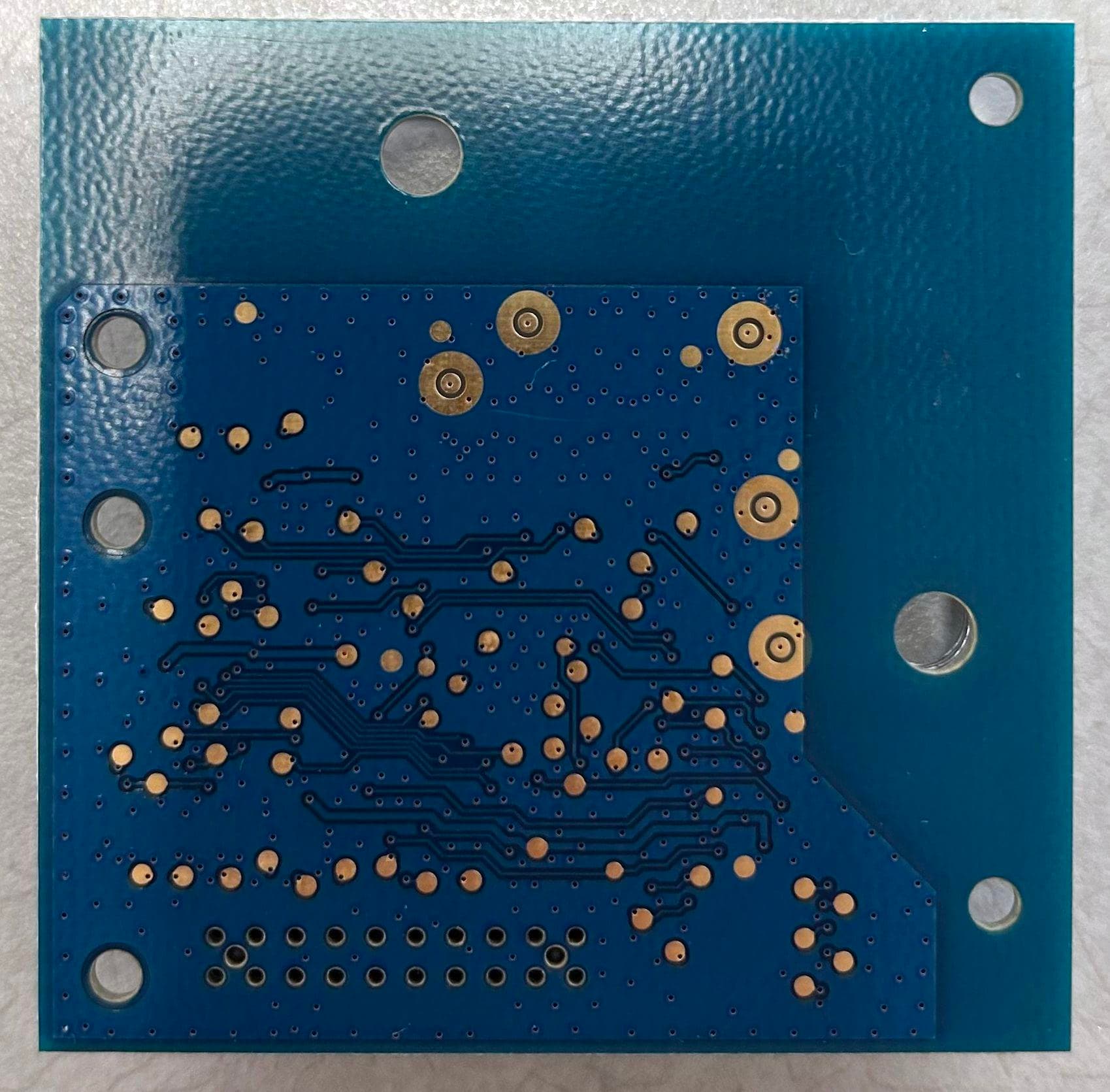
F5325PGPDC9
Apr 27, 2026PowerG wireless transceiver module
Equipment Class
DSS - Part 15 Spread Spectrum Transmitter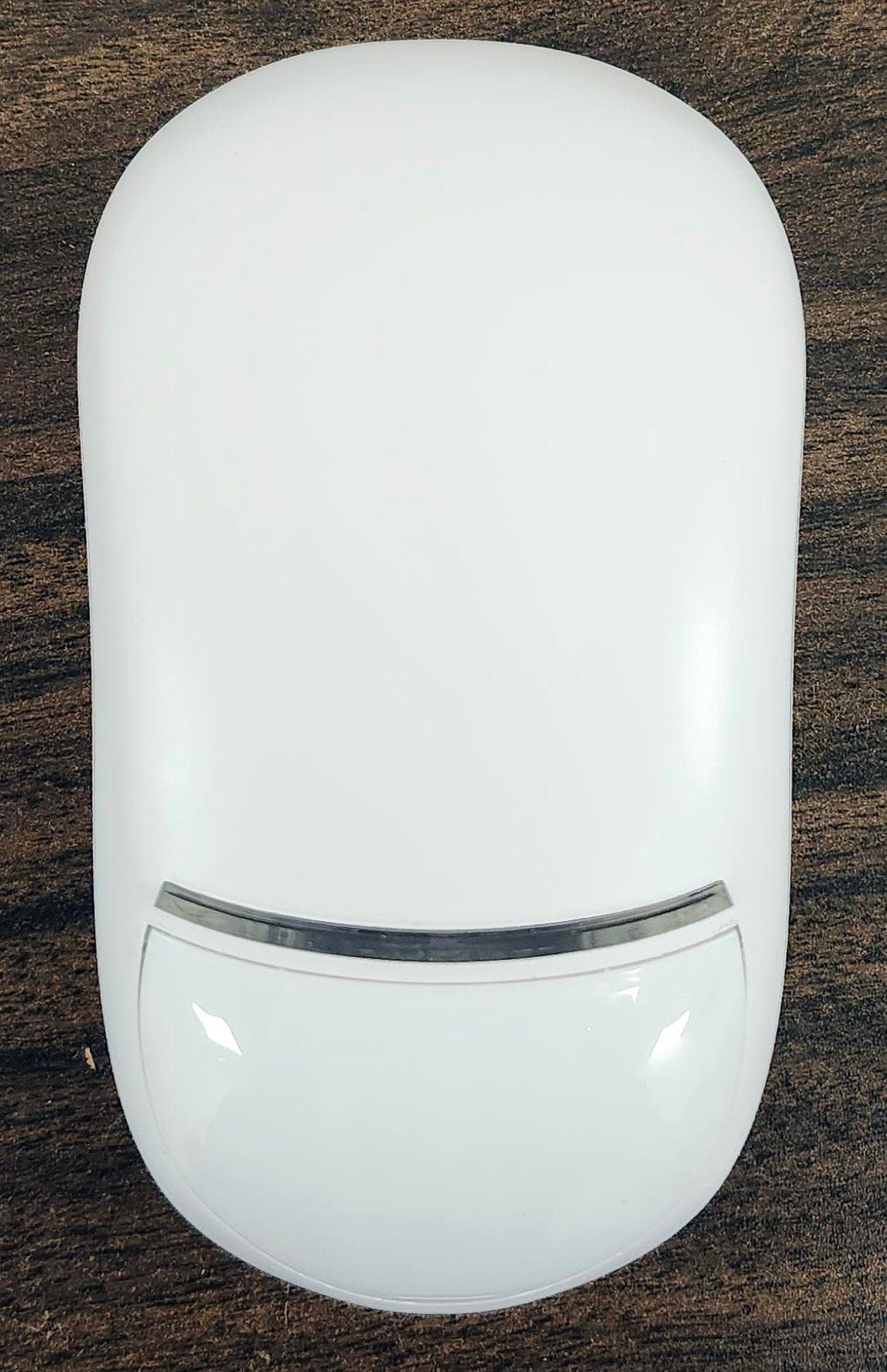
F5325LC203424
Dec 17, 2025Dual Technology Motion Sensor
Equipment Class
FDS - Part 15 Field Disturbance SensorF5324PGPIO9
Dec 04, 2024Wireless Input / Output (I/O) w/wo contact
Equipment Class
DSS - Part 15 Spread Spectrum Transmitter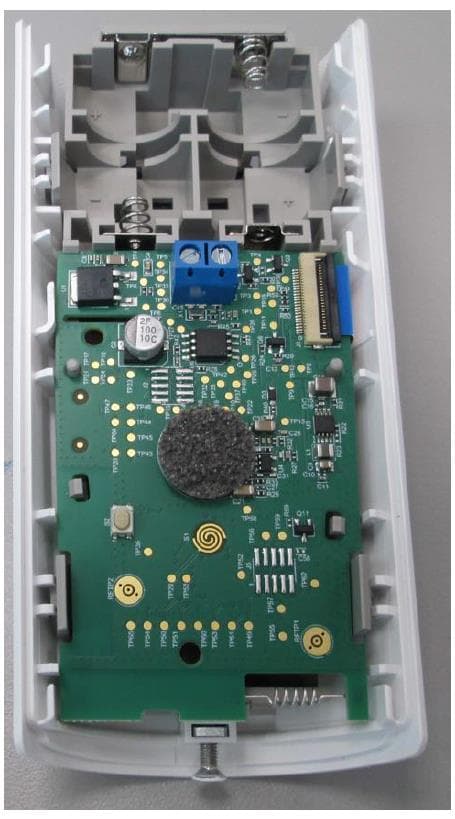
F5323PGP9934P
Jan 16, 2024Wireless Motion detector with integrated camera
Equipment Class
DSS - Part 15 Spread Spectrum Transmitter