QISC228SCDMA 1X Digital Mobile Phone
Huawei Technologies Co.,Ltd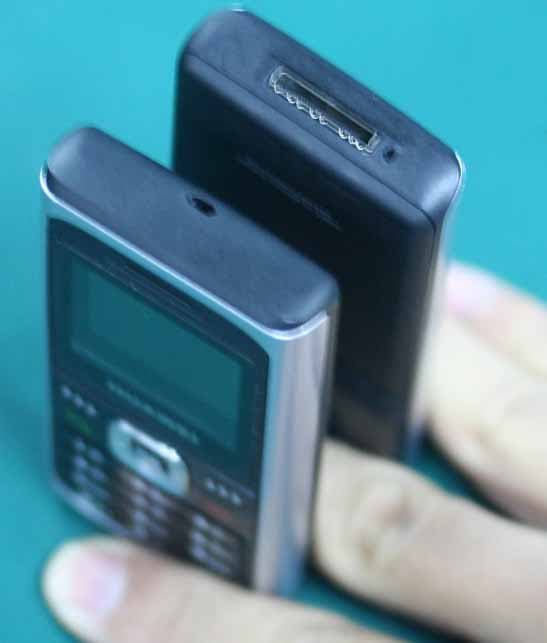
Click to zoom
Application Details
- Equipment Class
- PCE - PCS Licensed Transmitter held to ear
- Date of Grant
- Jul 17, 2007
- Application Purpose
- Original Equipment
- Date of Application
- Jul 17, 2007
- Equipment Note
- CDMA 1X Digital Mobile Phone
- Frequency Range
- 1851.25000000 - 1908.75000000
- Company
- Huawei Technologies Co.,Ltd
- Country
- China
Documents & Files
Document Text
Text extracted from the exhibit documents filed with the FCC. Open a document above to read the original.
Users Manual
Copyright © 2007 Huawei Technologies Co., Ltd. All Rights Reserved. No part of this document may be reproduced or transmitted in any form or by any means without prior written consent of Huawei Technologies Co., Ltd. Trademarks and Permissions and other Huawei trademarks are trademarks of Huawei Technologies Co., Ltd. All other trademarks and trade names mentioned in this document are the property of their respective holders. Notice The information in this document is subject to change without notice. Every effort has been made in the preparation of this document to ensure accuracy of the contents, but all statements, information, and recommendations in this document do not constitute the warranty of any kind, express or implied. i Table of Contents 1 Getting to Know Your Phone ...................................................1 2 Getting Started ............................................................................4 3 Call ..................................................................................................6 4 Text Entry ......................................................................................7 5 Message .........................................................................................9 6 Phonebook ..................................................................................12 7 Call Records ...............................................................................15 8 Extras ...........................................................................................16 9 Sound ...........................................................................................19 10 Settings .....................................................................................21 11 Warnings and Precautions ...................................................24 1 1 Getting to Know Your Phone About Your Phone Front View Screen Earpiece End key Soft keys Send key Navigation keys Numeric keys # key * key Charger/ Headset jack OK key 2 Note z There are two C228s models. One has a removable user identity module (R-UIM) and the other does not. z This manual describes the C228s with the R-UIM. If a function is marked with " ' ", it indicates that this function is only available in the C228s with the R-UIM. But the remaining functions are supported by both the C228s models. Key Description Key Description Press it to make or answer a call. In the standby mode, press it to access the Call Records screen. Press it to power your phone on or off, end a call or reject a call. In the non-standby mode, press it to return to the standby mode. Press it to select a corresponding option. In the standby mode, press to access the FM screen. Press it to select a corresponding option. | Press them to enter numbers, letters, and symbols. For items with a number prefix, press and hold a key to select an item. 3 Key Description In the standby mode, press to write message; to display the Calendar; to view the phonebook; to view the inbox. During a call, press to adjust the earpiece volume. In the standby mode, press and hold it to switch to the vibration mode; At the first digit place, press it to enter * and + ; otherwise, press it to enter * , P and T . When editing, press it to display the symbol list. In the English input mode press and hold to switch to the predictive input mode. In the standby mode when the phone lock is enabled, press and hold it to lock the phone; press it to enter # . When editing, press it to switch between input modes. When editing English letters, press and hold it to switch between the upper case, lower case, and sentence caps mode. Icon Description Icon Description Icon Description Network signal strength Silence mode on 4 Icon Description Icon Description Phone lock enabled Vibration on New voice mail Alarm clock on Outside the network service area Call privacy enabled Message received Roaming Urgent message received Battery level High urgent message received Calling 2 Getting Started Powering Your Phone On or Off 1. When your phone is powered off, press and hold to power it on. 2. When your phone is powered on, press and hold to power it off. Installing the Battery Do as follows to install the battery. 1 2 3 Removing the Battery Do as follows to remove the battery. 5 1 2 " ' "Installing/Removing the UIM Card After removing the battery, do as follows to install or remove the UIM card. Charging 1. Install the battery. 2. Connect the charger plug to the charger connector of your phone. 3. Connect the power plug of the charger to the power socket. 4. During the charging, the icon on the upper right corner of the display scrolls. When the icon becomes static, it indicates that the battery is fully charged. 5. Disconnect the charger from the power socket and your phone. 6 Note z Charge the battery for at least eight hours at the first time. z If a battery is unused for a long time, it will discharge automatically. Charge the battery before using. z Charge duration varies with temperature and the aging condition of a battery. z The battery is rechargeable and will be aging. If you fully charge a battery but the standby time of your phone is noticeably shorter, replace the battery. 3 Call Making a Call In the standby mode, press numeric keys to enter a phone number. z Press to dial. z Press to end a call or cancel the calling. Answering a Call When there is an incoming call, your phone alerts in the preset mode. z Press or to answer the call. z Press or to reject the call. 7 If the headset is connected to your phone, you can press the button on the headset to answer or end a call. Available Operations During a Call Adjusting the Volume During a call, you can press to adjust the earpiece volume. Others During a call, you can do the following: z Mute : Mute your voice so that the other party cannot hear you. z Voice privacy : Encrypt the call. z Messages : Access the Messages screen. z Phonebook : Search for or create a contact. 4 Text Entry Inpu…
Text truncated - open the document above for the full version.
Cover Letter(s)
Huawei Technologies Co., Ltd. AddressHuawei Industrial Base,Bantian Longgang,Shenzhen 518129, P.R China Post ZIP518129 Page 1/1 To: CETECOM Fax : NULL From:Zhang Xinghai Fax:0086-755-89652518 Tel:0086-755-89651014 Email address: [email protected] Http: www.huawei.com SubjectLetter of Confidentiality Federal Communications Commission 7435 Oakland Mills Road Columbia, MD 21046 Gentlemen: This letter is to comply with the Code of Federal Regulations Title 47 Section 0.457 and 0.459 pertaining to confidential material. Huawei Technologies Co., Ltd. would like the following documents regarding this submission for FCC ID: QISC228S to be kept confidential: 1. Schematic diagram & PCB layout. 2. Block Diagram. 3. Parts list (BOM) Information. 4. Operational description. 5. Turn-up procedure The above material contains trade secrets or technical data, which would customarily be guarded from competitors. We do not want these documents to be accessible to the general public. Sincerely, For and Behalf of: Huawei Technologies Co., Ltd. Zhang Xinghai EMC Laboratory Manager
External Photos
HUAWEI C228s CDMA Mobile Phone Page1,Total 4 External Photos of HUAWEI C228s HUAWEI C228s CDMA Mobile Phone Page2,Total 4 HUAWEI C228s CDMA Mobile Phone Page3,Total 4 HUAWEI C228s CDMA Mobile Phone Page4,Total 4
ID Label/Location Info
HUAWEI C228s CDMA Mobile Station Page1, Total 1 ID Label Location_C228s
Internal Photos
HUAWEI C228s CDMA Mobile Phone Page1,Total 6 Internal Photos of HUAWEI C228s HUAWEI C228s CDMA Mobile Phone Page2,Total 6 HUAWEI C228s CDMA Mobile Phone Page3,Total 6 HUAWEI C228s CDMA Mobile Phone Page4,Total 6 HUAWEI C228s CDMA Mobile Phone Page5,Total 6 HUAWEI C228s CDMA Mobile Phone Page6,Total 6
RF Exposure Info
No. 2007EEE01749 Page 2 of 73 Notes 1. . The test report shall be invalid if there is no “specified stamp for the test report” or the stamp of the test organization on it. 2. Copies of the test report shall be invalid if there is no “specified stamp for the test report” or the stamp of the test organization on it. 3. The test report shall be invalid if there are no signatures of the testing person, reviewing person and approving person on it. 4. The test report shall be invalid if it is altered. 5. Any demurral about the test shall be put forward to the testing organization within 15 days after the receiving of the test report. 6. This test report standalone dose not constitute or imply by its own an approval of the product by any Certification Authorities or Competent Bodies. 7. This report is only valid if complete, and test report shall not be reproduced except in full, without written approval of the laboratory. 8. This report cannot be used partially or in full for publicity and/or promotional purposes without previous written approval of Telecommunication Metrology Center of MII and the Accreditation Bodies, if it applies. Address: No. 52, Huayuan Bei Road, Haidian District, Beijing, P. R. China (Telecommunication Metrology Center of MII) Post code: 100083 Telephone: +86 10 62302041 Fax: +86 10 62304793 Web site: http://www.emcite.com E-mail: [email protected] No. 2007EEE01749 Page 3 of 73 TABLE OF CONTENT 1 COMPETENCE AND WARRANTIES....................................................................................................... 5 2 GENERAL CONDITIONS ......................................................................................................................... 5 3 DESCRIPTION OF EUT............................................................................................................................. 5 3.1 ADDRESSING INFORMATION RELATED TO EUT ..................................................................................... 5 3.2 CONSTITUENTS OF EUT ........................................................................................................................ 6 3.3 GENERAL DESCRIPTION......................................................................................................................... 6 4 OPERATIONAL CONDITIONS DURING TEST...................................................................................... 7 4.1 SCHEMATIC TEST CONFIGURATION....................................................................................................... 7 4.2 SAR MEASUREMENT SET-UP................................................................................................................. 8 4.3 DASY4 E-FIELD PROBE SYSTEM............................................................................................................ 8 4.4 E-FIELD PROBE CALIBRATION............................................................................................................... 9 4.5 OTHER TEST EQUIPMENT.................................................................................................................... 10 4.5.2 PHANTOM......................................................................................................................................... 10 4.6 EQUIVALENT TISSUES...........................................................................................................................11 4.7 SYSTEM SPECIFICATIONS......................................................................................................................11 5 CHARACTERISTICS OF THE TEST.......................................................................................................11 5.1 APPLICABLE LIMIT REGULATIONS........................................................................................................11 5.2 APPLICABLE MEASUREMENT STANDARDS.......................................................................................... 12 6 LABORATORY ENVIRONMENT........................................................................................................... 12 7 CONDUCTED OUTPUT POWER MEASUREMENT ............................................................................ 12 7.1 SUMMARY........................................................................................................................................... 12 7.2 CONDUCTED POWER............................................................................................................................ 12 8 TEST RESULTS ........................................................................................................................................ 13 8.1 DIELECTRIC PERFORMANCE................................................................................................................ 13 8.2 SYSTEM VALIDATION........................................................................................................................... 13 8.3 SUMMARY OF MEASUREMENT RESULTS.............................................................................................. 14 8.4 CONCLUSION....................................................................................................................................... 15 9 MEASUREMENT UNCERTAINTY ........................................................................................................ 15 10 MAIN TEST INSTRUMENTS ............................................................................................................... 16 11 TEST PERIOD......................................................................................................................................... 16 12 TEST LOCATION ................................................................................................................................... 16 ANNEX A MEASUREMENT PROCESS ................................................................................................... 17 ANNEX B TEST LAYOUT .............…
Text truncated - open the document above for the full version.
RF Exposure Info
No. 2007EEE01749 Page 31 of 73 Fig. 10 Z-Scan at power reference point (CDMA 1900MHz, CH600) No. 2007EEE01749 Page 32 of 73 CDMA 1900 MHz Left Tilt Low Electronics: DAE3 Sn536 Medium: Head 1900 MHz Medium parameters used (interpolated): f = 1851.25 MHz; σ = 1.33 mho/m; ε r = 39.8; ρ = 1000 kg/m 3 Ambient Temperature:23.3 o C Liqiud Temperature: 22.5 o C Communication System: CDMA 1900 Frequency: 1851.25 MHz Duty Cycle: 1:1 Probe: ET3DV6 - SN1736 ConvF(5.4, 5.4, 5.4) Tilt Low/Area Scan (51x81x1): Measurement grid: dx=10mm, dy=10mm Maximum value of SAR (interpolated) = 0.483 mW/g Tilt Low/Zoom Scan (7x7x7)/Cube 0: Measurement grid: dx=5mm, dy=5mm, dz=5mm Reference Value = 18.8 V/m; Power Drift = -0.087 dB Peak SAR (extrapolated) = 0.695 W/kg SAR(1 g) = 0.425 mW/g; SAR(10 g) = 0.229 mW/g Maximum value of SAR (measured) = 0.452 mW/g 0 dB = 0.452mW/g Fig. 11 Left Hand Tilt 15° CDMA 1900MHz CH25 No. 2007EEE01749 Page 33 of 73 Fig. 12 Z-Scan at power reference point (CDMA 1900MHz, CH25) No. 2007EEE01749 Page 34 of 73 CDMA 1900 MHz Right Cheek High Electronics: DAE3 Sn536 Medium: Head 1900 MHz Medium parameters used (interpolated): f = 1908.75 MHz; σ = 1.37 mho/m; ε r = 39.6; ρ = 1000 kg/m 3 Ambient Temperature:23.3 o C Liqiud Temperature: 22.5 o C Communication System: CDMA 1900 Frequency: 1908.75 MHz Duty Cycle: 1:1 Probe: ET3DV6 - SN1736 ConvF(5.4, 5.4, 5.4) Cheek High/Area Scan (51x81x1): Measurement grid: dx=10mm, dy=10mm Maximum value of SAR (interpolated) = 0.761 mW/g Cheek High/Zoom Scan (7x7x7)/Cube 0: Measurement grid: dx=5mm, dy=5mm, dz=5mm Reference Value = 22.3 V/m; Power Drift = -0.169 dB Peak SAR (extrapolated) = 1.01 W/kg SAR(1 g) = 0.675 mW/g; SAR(10 g) = 0.394 mW/g Maximum value of SAR (measured) = 0.718 mW/g 0 dB = 0.718mW/g Fig. 13 Right Hand Touch Cheek CDMA 1900MHz CH1175 No. 2007EEE01749 Page 35 of 73 Fig. 14 Z-Scan at power reference point (CDMA 1900MHz, CH1175) No. 2007EEE01749 Page 36 of 73 CDMA 1900 MHz Right Cheek Middle Electronics: DAE3 Sn536 Medium: Head 1900 MHz Medium parameters used: f = 1880 MHz; σ = 1.35 mho/m; ε r = 39.7; ρ = 1000 kg/m 3 Ambient Temperature:23.3 o C Liqiud Temperature: 22.5 o C Communication System: CDMA 1900 Frequency: 1880 MHz Duty Cycle: 1:1 Probe: ET3DV6 - SN1736 ConvF(5.4, 5.4, 5.4) Cheek Middle/Area Scan (51x81x1): Measurement grid: dx=10mm, dy=10mm Maximum value of SAR (interpolated) = 0.773 mW/g Cheek Middle/Zoom Scan (7x7x7)/Cube 0: Measurement grid: dx=5mm, dy=5mm, dz=5mm Reference Value = 23.1 V/m; Power Drift = -0.061 dB Peak SAR (extrapolated) = 1.04 W/kg SAR(1 g) = 0.673 mW/g; SAR(10 g) = 0.391 mW/g Maximum value of SAR (measured) = 0.723 mW/g 0 dB = 0.723mW/g Fig. 15 Right Hand Touch Cheek CDMA 1900MHz CH600 No. 2007EEE01749 Page 37 of 73 Fig. 16 Z-Scan at power reference point (CDMA 1900MHz, CH600) No. 2007EEE01749 Page 38 of 73 CDMA 1900 MHz Right Cheek Low Electronics: DAE3 Sn536 Medium: Head 1900 MHz Medium parameters used (interpolated): f = 1851.25 MHz; σ = 1.33 mho/m; ε r = 39.8; ρ = 1000 kg/m 3 Ambient Temperature:23.3 o C Liqiud Temperature: 22.5 o C Communication System: CDMA 1900 Frequency: 1851.25 MHz Duty Cycle: 1:1 Probe: ET3DV6 - SN1736 ConvF(5.4, 5.4, 5.4) Cheek Low/Area Scan (51x81x1): Measurement grid: dx=10mm, dy=10mm Maximum value of SAR (interpolated) = 0.392 mW/g Cheek Low/Zoom Scan (7x7x7)/Cube 0: Measurement grid: dx=5mm, dy=5mm, dz=5mm Reference Value = 16.9 V/m; Power Drift = -0.200 dB Peak SAR (extrapolated) = 0.525 W/kg SAR(1 g) = 0.340 mW/g; SAR(10 g) = 0.199 mW/g Maximum value of SAR (measured) = 0.369 mW/g 0 dB = 0.369mW/g Fig. 17 Right Hand Touch Cheek CDMA 1900MHz CH25 No. 2007EEE01749 Page 39 of 73 Fig. 18 Z-Scan at power reference point (CDMA 1900MHz, CH25) No. 2007EEE01749 Page 40 of 73 CDMA 1900 MHz Right Tilt High Electronics: DAE3 Sn536 Medium: Head 1900 MHz Medium parameters used (interpolated): f = 1908.75 MHz; σ = 1.37 mho/m; ε r = 39.6; ρ = 1000 kg/m 3 Ambient Temperature:23.3 o C Liqiud Temperature: 22.5 o C Communication System: CDMA 1900 Frequency: 1908.75 MHz Duty Cycle: 1:1 Probe: ET3DV6 - SN1736 ConvF(5.4, 5.4, 5.4) Tilt High/Area Scan (51x81x1): Measurement grid: dx=10mm, dy=10mm Maximum value of SAR (interpolated) = 0.921 mW/g Tilt High/Zoom Scan (7x7x7)/Cube 0: Measurement grid: dx=5mm, dy=5mm, dz=5mm Reference Value = 24.3 V/m; Power Drift = -0.126 dB Peak SAR (extrapolated) = 1.28 W/kg SAR(1 g) = 0.786 mW/g; SAR(10 g) = 0.425 mW/g Maximum value of SAR (measured) = 0.845 mW/g 0 dB = 0.845mW/g Fig. 19 Right Hand Tilt 15° CDMA 1900MHz CH1175 No. 2007EEE01749 Page 41 of 73 Fig. 20 Z-Scan at power reference point (CDMA 1900MHz, CH1175) No. 2007EEE01749 Page 42 of 73 CDMA 1900 MHz Right Tilt Middle Electronics: DAE3 Sn536 Medium: Head 1900 MHz Medium parameters used: f = 1880 MHz; σ = 1.35 mho/m; ε r = 39.7; ρ = 1000 kg/m 3 Ambient Temperature:23.3 o C Liqiud Temperature: 22.5 o C Communication System: CDMA 1900 Frequency: 1880 MHz Duty Cycle: 1:1 Probe: ET3DV6 - SN1736 ConvF(5.4, 5.4, 5.4) Tilt Middle/Area Scan (51x81x1): Measurement grid: dx=10mm, dy=10mm Maximum value of SAR (interpolated) = 0.895 mW/g Tilt Middle/Zoom Scan (7x7x7)/Cube 0: Measurement grid: dx=8mm, dy=8mm, dz=5mm Reference Value = 24.6 V/m; Power Drift = -0.105 dB Peak SAR (extrapolated) = 1.25 W/kg SAR(1 g) = 0.768 mW/g; SAR(10 g) = 0.418 mW/g Maximum value of SAR (measured) = 0.837 mW/g 0 dB = 0.837mW/g Fig. 21 Right Hand Tilt 15° CDMA 1900MHz CH600 No. 2007EEE01749 Page 43 of 73 Fig. 22 Z-Scan at power reference point (CDMA 1900MHz, CH600) No. 2007EEE01749 Page 44 of 73 CDMA 1900 MHz Right Tilt Low Electronics: DAE3 Sn536 Medium: Head 1900 MHz Medium parameters used (interpolated): f = 1851.25 MHz; σ = 1.33 mho/m; ε r = 39.8; ρ = 1000 kg/m 3 Ambient Temperature:23.3 o C Liqiud Temperature: 22.5 o C Communication System: CDMA 1900 Frequency: 1851.25 MHz Duty Cycle: 1:1 Probe: ET3DV6 - SN1736 ConvF(5.4, 5.4, 5.4) Tilt Low/Area Scan (51x81x1): Measurement grid: dx=10mm, dy=10mm Maximum value of SAR (interpolate…
Text truncated - open the document above for the full version.
RF Exposure Info
No. 2007EEE01749 Page 51 of 73 Fig. 30 Z-Scan at power reference point (CDMA 1900MHz, Body, Towards Ground, CH25) No. 2007EEE01749 Page 52 of 73 CDMA 1900 MHz Body Toward Phantom High Electronics: DAE3 Sn536 Medium: Body 1900 MHz Medium parameters used (interpolated): f = 1908.75 MHz; σ = 1.54 mho/m; ε r = 52; ρ = 1000 kg/m 3 Ambient Temperature:23.3 o C Liqiud Temperature: 22.5 o C Communication System: CDMA 1900 Frequency: 1908.75 MHz Duty Cycle: 1:1 Probe: ET3DV6 - SN1736 ConvF(5.4, 5.4, 5.4) Toward Phantom High/Area Scan (51x81x1): Measurement grid: dx=10mm, dy=10mm Maximum value of SAR (interpolated) = 0.288 mW/g Toward Phantom High/Zoom Scan (7x7x7)/Cube 0: Measurement grid: dx=5mm, dy=5mm, dz=5mm Reference Value = 12.7 V/m; Power Drift = -0.145 dB Peak SAR (extrapolated) = 0.405 W/kg SAR(1 g) = 0.248 mW/g; SAR(10 g) = 0.155 mW/g Maximum value of SAR (measured) = 0.272 mW/g 0 dB = 0.272mW/g Fig. 31 CDMA 1900MHz, Body, Towards Phantom, CH1175 No. 2007EEE01749 Page 53 of 73 Fig. 32 Z-Scan at power reference point (CDMA 1900MHz, Body, Towards Phantom, CH1175) No. 2007EEE01749 Page 54 of 73 CDMA 1900 MHz Body Toward Phantom Middle Electronics: DAE3 Sn536 Medium: Body 1900 MHz Medium parameters used: f = 1880 MHz; σ = 1.51 mho/m; ε r = 52.1; ρ = 1000 kg/m 3 Ambient Temperature:23.3 o C Liqiud Temperature: 22.5 o C Communication System: CDMA 1900 Frequency: 1880 MHz Duty Cycle: 1:1 Probe: ET3DV6 - SN1736 ConvF(4.88, 4.88, 4.88) Toward Phantom Middle/Area Scan (51x81x1): Measurement grid: dx=10mm, dy=10mm Maximum value of SAR (interpolated) = 0.309 mW/g Toward Phantom Middle/Zoom Scan (7x7x7)/Cube 0: Measurement grid: dx=5mm, dy=5mm, dz=5mm Reference Value = 13.9 V/m; Power Drift = -0.168 dB Peak SAR (extrapolated) = 0.423 W/kg SAR(1 g) = 0.276 mW/g; SAR(10 g) = 0.164 mW/g Maximum value of SAR (measured) = 0.301 mW/g 0 dB = 0.301mW/g Fig. 33 CDMA 1900MHz, Body, Towards Phantom, CH600 No. 2007EEE01749 Page 55 of 73 Fig. 34 Z-Scan at power reference point (CDMA 1900MHz, Body, Towards Phantom, CH600) No. 2007EEE01749 Page 56 of 73 CDMA 1900 MHz Body Toward Phantom Low Electronics: DAE3 Sn536 Medium: Body 1900 MHz Medium parameters used (interpolated): f = 1851.25 MHz; σ = 1.48 mho/m; ε r = 52.2; ρ = 1000 kg/m 3 Ambient Temperature:23.3 o C Liqiud Temperature: 22.5 o C Communication System: CDMA 1900 Frequency: 1851.25 MHz Duty Cycle: 1:1 Probe: ET3DV6 - SN1736 ConvF(4.88, 4.88, 4.88) Toward Phantom Low/Area Scan (51x81x1): Measurement grid: dx=10mm, dy=10mm Maximum value of SAR (interpolated) = 0.148 mW/g Toward Phantom Low/Zoom Scan (7x7x7)/Cube 0: Measurement grid: dx=5mm, dy=5mm, dz=5mm Reference Value = 10.1 V/m; Power Drift = -0.167 dB Peak SAR (extrapolated) = 0.201 W/kg SAR(1 g) = 0.133 mW/g; SAR(10 g) = 0.085 mW/g Maximum value of SAR (measured) = 0.141 mW/g 0 dB = 0.141mW/g Fig. 35 CDMA 1900MHz, Body, Towards Phantom, CH25 No. 2007EEE01749 Page 57 of 73 Fig. 36 Z-Scan at power reference point (CDMA 1900MHz, Body, Towards Phantom, CH25) No. 2007EEE01749 Page 58 of 73 ANNEX D SYSTEM VALIDATION RESULTS 1900MHzDAE536Probe1736 Electronics: DAE3 Sn536 Medium: Head 1900 MHz Medium parameters used: f = 1900 MHz; σ = 1.37 mho/m; ε r = 39.6; ρ = 1000 kg/m 3 Ambient Temperature:23.3 o C Liqiud Temperature: 22.5 o C Communication System: CW Frequency: 1900 MHz Duty Cycle: 1:1 Probe: ET3DV6 - SN1736 ConvF(5.4, 5.4, 5.4) System Validation/Area Scan (101x101x1): Measurement grid: dx=10mm, dy=10mm Maximum value of SAR (interpolated) = 11.2 mW/g System Validation/Zoom Scan (7x7x7)/Cube 0: Measurement grid: dx=5mm, dy=5mm, dz=5mm Reference Value = 92.1 V/m; Power Drift = 0.1 dB Peak SAR (extrapolated) = 16.9 W/kg SAR(1 g) = 9.91 mW/g; SAR(10 g) = 5.27 mW/g Maximum value of SAR (measured) = 11.3 mW/g 0 dB = 11.3mW/g Fig.37 validation 1900MHz 250mW No. 2007EEE01749 Page 59 of 73 ANNEX E PROBE CALIBRATION CERTIFICATE No. 2007EEE01749 Page 60 of 73 No. 2007EEE01749 Page 61 of 73 No. 2007EEE01749 Page 62 of 73 No. 2007EEE01749 Page 63 of 73 No. 2007EEE01749 Page 64 of 73 No. 2007EEE01749 Page 65 of 73 No. 2007EEE01749 Page 66 of 73 No. 2007EEE01749 Page 67 of 73 No. 2007EEE01749 Page 68 of 73 ANNEX F DIPOLE CALIBRATION CERTIFICATE No. 2007EEE01749 Page 69 of 73 No. 2007EEE01749 Page 70 of 73 No. 2007EEE01749 Page 71 of 73 No. 2007EEE01749 Page 72 of 73 No. 2007EEE01749 Page 73 of 73
Test Report
Report No: SYBH(E) 30062007 FCC ID: QISC228S FCC TEST REPORT OF HUAWEI 1900MHz CDMA 1X Digital Mobile Phone M/N: HUAWEI C228s June. 28, 2007 Reliability Laboratory of Huawei Technologies Co., Ltd. All Right Reserved Report No: SYBH(E)30062007 Confidential Information of HUAWEI. No Distribution without Permission Page2, Total38 Notice 1. The laboratory has obtained the accreditation of China National Accreditation Committee for Laboratories (CNAL), and accreditation number: L0310. 2. The laboratory has obtained the accreditation of THE AMERICAN ASSOCIATION FOR LABORATORY ACCREDITATION (A2LA), and Accreditation Council Certificate Number: 2174.01. 3. The laboratory has been listed on the US Federal Communications Commission list of test facilities recognized to perform electromagnetic emissions measurements. The site recognition number is 97456. 4. The laboratory also has been listed by the VCCI to perform EMC measurements. The accreditation number is C1758, R1672, and T153. 5. The test report is invalid if not marked with "exclusive stamp for the test report". 6. Any copy of the test report is invalid if not re-marked with the "exclusive stamp for the test report". 7. The test report is invalid if not marked with the stamps or the signatures of the persons responsible for performing, revising and approving the test report. 8. The test report is invalid if there is any evidence of erasure and/or falsification. 9. If there is any dissidence for the test report, please file objection to the test centre within 15 days from the date of receiving the test report. 10. Normally, the test report is only responsible for the samples that have undergone the test. 11. Context of the test report cannot be used partially or in full for publicity and/or promotional purposes without previous written approval of the laboratory. Report No: SYBH(E)30062007 Confidential Information of HUAWEI. No Distribution without Permission Page3, Total38 Huawei Technologies Co Ltd Huawei Industrial Base, Bantian Longgang Shenzhen 518128, P.R China Tel: +86 755 89651014 Fax: +86 755 89652518 REPORT ON FCC Test of HUAWEI CDMA Mobile Phone M/N: HUAWEI C228s Report No: SYBH (E) 30062007 REGULATION FCC CFR47 Part 2: Subpart J; FCC CFR47 Part 24: Subpart E; FCC CFR47 Part 15: Subpart B; CONCLUSION There are 9 items need to be tested, 9 items have been tested. The sample of the model completely meets the requirements Final Judgement: Pass General Manager 2007.06.28 Guo Xiaoqi Date Name signature Technical Responsibility For Area of Testing 2007.06.28 Zhang Xinghai Date Name signature Test Lab Engineer 2007.06.28 HuJun Date Name signature Report No: SYBH(E)30062007 Confidential Information of HUAWEI. No Distribution without Permission Page4, Total38 Contents 1 Summary.................................................................................................................................................... 5 2 Product Description.................................................................................................................................. 6 2.1 PRODUCTION INFORMATION................................................................................................................... 6 2.2 MODIFICATION INFORMATION.................................................................................................................. 6 3 Test Site Description................................................................................................................................. 7 3.1 TESTING PERIOD................................................................................................................................... 7 3.2 GENERAL SET UP DESCRIPTION............................................................................................................. 7 4 Product Description.................................................................................................................................. 8 4.1 TECHNICAL CHARACTERISTICS............................................................................................................... 8 4.2 EUT IDENTIFICATION LIST.................................................................................................................... 10 5 Main Test Instruments............................................................................................................................. 11 6 Transmitter Measurements..................................................................................................................... 12 6.1 EFFECTIVE ISOTROPICALLY RADIATED POWER OF TRANSMITTER (EIRP)................................................ 12 6.2 CONDUCTED POWER OF TRANSMITTER................................................................................................. 14 6.3 MODULATION CHARACTERISTICS.......................................................................................................... 17 6.4 OCCUPIED BANDWIDTH........................................................................................................................ 19 6.5 BAND EDGES COMPLIANCE.................................................................................................................. 21 6.6 SPURIOUS EMISSION AT ANTENNA TERMINAL........................................................................................ 23 6.7 RADIATED SPURIOUS EMISSION........................................................................................................... 25 6.8 FREQUENCY STABILITY........................................................................................................................ 29 7 EMC Test.................................................................................................................................................. 33 7.1 CONDUCTED EMISSION AT POWER PORT.............................................................................................. 33 7.2 RADIATED EMISSION OF ENCLOSURE IN I…
Text truncated - open the document above for the full version.
Contact Information
Applicant
Zhang Xinghai
Test Firm
Huawei Technologies Co., LTDZhou Fengyum
Technical Specifications
| # | Rule Parts | Frequency Range | Power Output | Emission | Tolerance |
|---|---|---|---|---|---|
| 1 | 24E | 1.85 GHz - 1.91 GHz | 131.00 mW | 1M25F9W | 16.0000000000 Hz |
Other Applications from Huawei Technologies Co.,Ltd
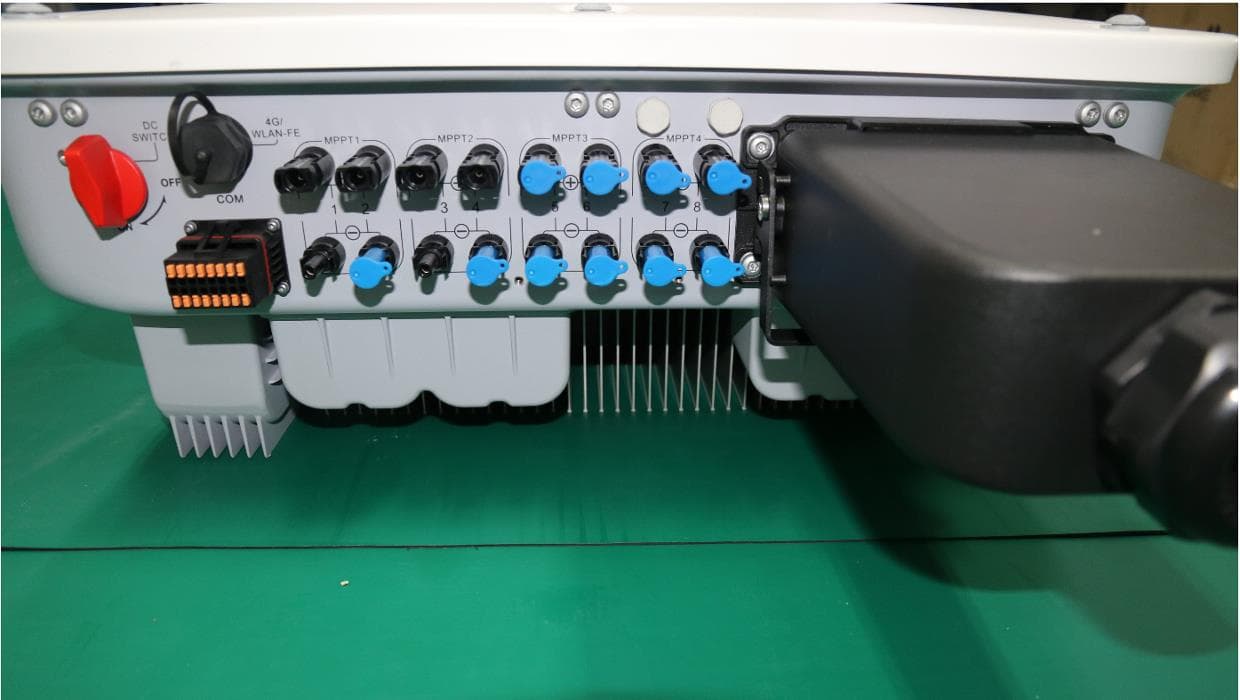
QISSUN2000
Jun 27, 2021Solar Inverter
Equipment Class
DTS - Digital Transmission System
QISCP81-1
Oct 22, 2020Watch Wireless Charger
Equipment Class
DCD - Part 15 Low Power Transmitter Below 1705 kHz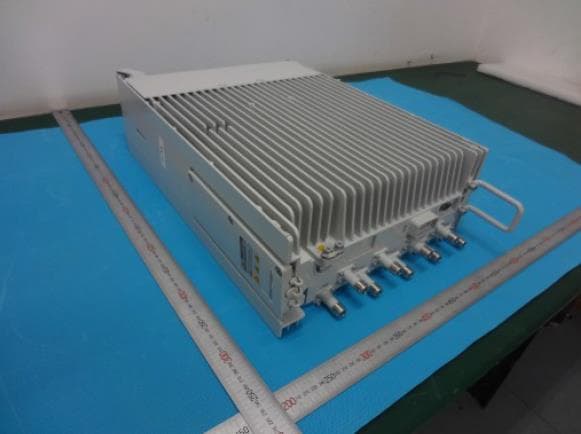
QISRRU3278
Sep 02, 2020Remote Radio Unit
Equipment Class
CBD - Citizens Band Category A and B Devices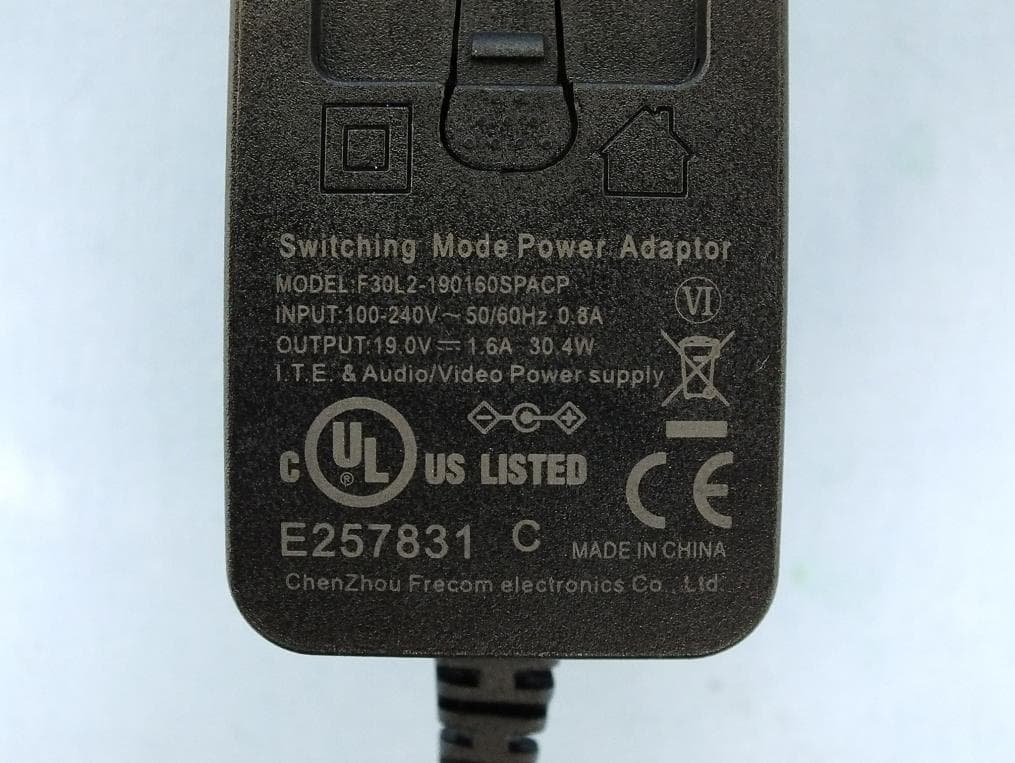
QISR2561
Jul 11, 2020Indoor Router
Equipment Class
DTS - Digital Transmission System
QISSMARTLOGGER310
Mar 23, 2020Solar Smart Monitor & Data Logger
Equipment Class
DTS - Digital Transmission System