QISCHC-U03Smart Phone
Huawei Technologies Co.,Ltd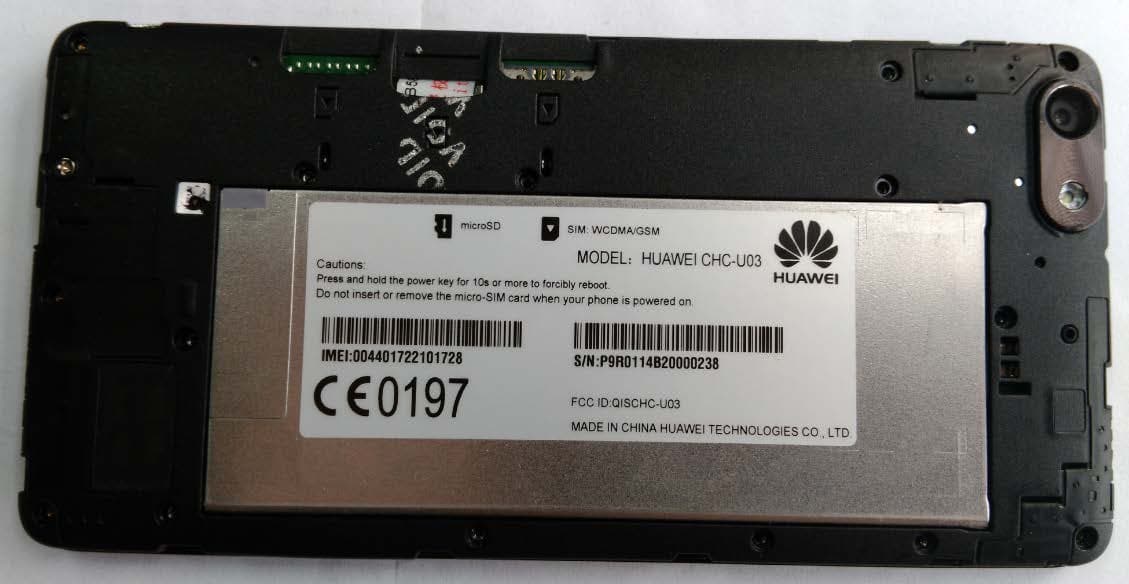
Click to zoom
Application Details
- Equipment Class
- DTS - Digital Transmission System
- Date of Grant
- Feb 04, 2015
- Application Purpose
- Original Equipment
- Date of Application
- Feb 02, 2015
- Equipment Note
- Smart Phone
- Frequency Range
- 2412.00000000 - 2462.00000000
- Company
- Huawei Technologies Co.,Ltd
- Country
- China
Documents & Files
Document Text
Text extracted from the exhibit documents filed with the FCC. Open a document above to read the original.
Users Manual
Quick Start Guide XXX Your phone at a glance Thank you for choosing the Huawei smartphone. Before you start, let's take a look at your new phone. Press and hold the power button to power on your phone. To power off your phone, press and hold the power button, and touch . Micro USB port Menu Return Home Status indicator Power button Volume button Front camera Earpiece Headset jack Getting started Caution Your phone's built-in battery is not user-removable. To replace the battery, contact an authorized Huawei service center. Do not attempt to remove it yourself. Follow the instructions in the following figures to install your micro-SIM card, microSD card. Before you insert or remove the micro-SIM card, power off your phone. 1 Open the battery cover. 2 Insert the SIM card and microSD card. 3 Install the battery cover. 4 Charge the phone. Locking and unlocking the screen Press the power button to lock the screen. After your phone is idle for a specified period of time, its screen automatically locks. If the screen is off, press the power button to turn it on. Slide your finger in any direction to unlock the screen. Flick up from the bottom of the screen to quickly launch commonly used applications without unlocking the screen. Calling and messaging Touch to place a call using the dialer. You can also touch a phone number in a message, email, web page, or other screen to place a call. Touch to send a text or multimedia message. You can save photos, audio clips, or videos from received multimedia messages. Camera Touch . Flick left or right to switch between photo and video capture modes. Frame the scene you want to capture. Let your camera focus automatically or touch the screen to focus on a specific object. Then touch to take a photo. In all focus mode, you can change the focus point on a photo after it's been taken. Internet connection You can access the Internet through Wi-Fi or a mobile network. Flick down from the status bar to open the notification panel. Touch to turn on the mobile network. Touch and hold to go to the Wi-Fi settings screen. Turn on Wi-Fi and follow the onscreen instructions to connect your phone to a Wi-Fi network. Backing up data You can use the Backup app to back up your phone's data and restore it later. Touch Tools > . Select the data you want to back up, such as your contacts, messages, and photos. Then follow the onscreen instructions. For more information Want to obtain the full user guide? Download the XXX User Guide from http:// consumer.huawei.com/en. Want to learn more about Huawei EMUI? Go to http://zh.ui.vmall.com for the latest information. All pictures and illustrations in this guide, including but not limited to the phone color, size, and display content, are for your reference only. The actual product may vary. Nothing in this guide constitutes a warranty of any kind, express or implied. Personal Information and Data Security The use of some functions or third-party applications on your device could result in your personal information and data being lost or becoming accessible to others. Several measures are recommended to help you protect personal and confidential information. • Place your device in a safe area to prevent it from unauthorized use. • Set your device screen to lock and create a password or unlock pattern to open it. • Periodically back up personal information kept on your USIM/SIM card, memory card, or stored in your device memory. If you change to a different device, be sure to move or delete any personal information on your old device. • If you are worried about viruses when you receive messages or emails from a stranger, you can delete them without opening them. • If you use your device to browse the Internet, avoid websites that might pose a security risk to avoid theft of your personal information. • If you use services such as Wi-Fi tether or Bluetooth, set passwords for these services to prevent unauthorized access. When these services are not in use, turn them off. • Install or upgrade device security software and regularly scan for viruses. • Be sure to obtain third-party applications from a legitimate source. Downloaded third-party applications should be scanned for viruses. • Install security software or patches released by Huawei or third-party application providers. • Some applications require and transmit location information. As a result, a third-party may be able to share your location information. • Your device may provide detection and diagnostic information to third-party application providers. Third party vendors use this information to improve their products and services. • If you have concerns about the security of your personal information and data, please contact [email protected]. Safety information This section contains important information about the operation of your device. It also contains information about how to use the device safely. Read this information carefully before using your device. Electronic device Do not use your device if using the device is prohibited. Do not use the device if doing so causes danger or interference with other electronic devices. Interference with medical equipment • Follow rules and regulations set forth by hospitals and health care facilities. Do not use your device where prohibited. • Some wireless devices may affect the performance of hearing aids or pacemakers. Consult your service provider for more information. • Pacemaker manufacturers recommend that a minimum distance of 15 cm be maintained between a device and a pacemaker to prevent potential interference with the pacemaker. If using a pacemaker, hold the device on the side opposite the pacemaker and do not carry the device in your front pocket. Protecting your hearing when using a headset • To prevent possible hearing damage, do not listen at high volume levels for long periods. • Using a headset at high volumes may damage your hearing. To reduce this risk, lower the headset volume to a safe and comfortable level. …
Text truncated - open the document above for the full version.
Cover Letter(s)
Huawei Technologies Co.,Ltd. Federal Communications Commission 2015/1/26 7435 Oakland Mills Road Columbia MD 21046 Subject: Request for Confidentiality FCC ID: QISCHC-U03 To Whom It May Concern: Pursuant to the provisions of Sections 0.457 and 0.459 of the Commission’s rules (47 CFR §§ 0.457, 0.459), we are requesting the Commission to withhold the following attachments as confidential document from public disclosure indefinitely. Schematic Diagram Block Diagram Operational Description Bom List Tune-Up Procedure Above mentioned document contains detailed system and equipment description are considered as proprietary information in operation of the equipment. The public disclosure of above documents might be harmful to our company and would give competitor an unfair advantage in the market. ***************************************************************************** In additional to above mentioned documents, pursuant to Public Notice DA 04-1705 of the Commission’s policy, in order to comply with the marketing regulations in 47 CFR §2.803 and the importation rules in 47 CFR §2.1204, while ensuring that business sensitive information remains confidential until the actual marketing of newly authorized devices. We are requesting the Commission withholds the following documents from public viewing until 2015-3- 31: External Photos Internal Photos Test Setup Photos User Manual ****************************************************************************** It is our understanding that all measurement test reports, FCC ID label format and correspondent during certification review process cannot be granted as confidential documents and those information will be available for public review once the grant of equipment authorization is issued. Best Regards Zhang Xinghai EMC Laboratory Manager Huawei Technologies Co., Ltd. Address: Administration Building, Headquarters of Huawei Technologies Co., Ltd., Bantian, Longgang District, Shenzhen, 518129, P.R.C E-mail: [email protected] Tel: 0086-0755-28970299 Fax: 0086-0755-89650226
External Photos
HUAWEI CHC-U03 Smart Phone SECRET 2/3/2015 Page1,Total 4 External Photos of HUAWEI CHC-U03 HUAWEI CHC-U03 Smart Phone SECRET 2/3/2015 Page2,Total 4 HUAWEI CHC-U03 Smart Phone SECRET 2/3/2015 Page3,Total 4 HUAWEI CHC-U03 Smart Phone SECRET 2/3/2015 Page4,Total 4
ID Label/Location Info
HUAWEI CHC-U03 Smart Phone SECRET 2015-2-3 Page1, Total1 Label & Label Location:
Internal Photos
HUAWEI CHC-U03 Smart Phone SECRET 2015-02-03 Page1, Total9 Internal Photos of HUAWEI CHC-U03 HUAWEI CHC-U03 Smart Phone SECRET 2015-02-03 Page2, Total9 HUAWEI CHC-U03 Smart Phone SECRET 2015-02-03 Page3, Total9 HUAWEI CHC-U03 Smart Phone SECRET 2015-02-03 Page4, Total9 HUAWEI CHC-U03 Smart Phone SECRET 2015-02-03 Page5, Total9 HUAWEI CHC-U03 Smart Phone SECRET 2015-02-03 Page6, Total9 HUAWEI CHC-U03 Smart Phone SECRET 2015-02-03 Page7, Total9 HUAWEI CHC-U03 Smart Phone SECRET 2015-02-03 Page8, Total9 HUAWEI CHC-U03 Smart Phone SECRET 2015-02-03 Page9, Total9
RF Exposure Info
Administration Building, Headquarters of Huawei Technologies Co., Ltd., Bantian, Longgang District, Shenzhen, 518129, P.R.C Tel: +86 755 28780808 Fax: +86 755 89652518 FCC SAR Compliance Test Report Product Name: Smart Phone Model: HUAWEI CHC-U03 Report No.: SYBH(Z-SAR)018122014-2 FCC ID: QISCHC-U03 APPROVED (Lab Manager) PREPARED (Test Engineer) BY DATE 2015-01-20 2015-01-20 The test results of this test report relate exclusively to the item(s) tested . The HUAWEI does not assume responsibility for any conclusions and generalisations drawn from the test results with regard to other specimens or samples of the type of the equipment represented by the test item. The test report may only be reproduced or published in full. Reproduction or publication of extracts from the report requires the prior written approval of HUAWEI. Reliability Laboratory of Huawei Technologies Co., Ltd. Report No.: SYBH(Z-SAR)018122014-2 FCC ID:QISCHC-U03 2015-01-20 Page 2 of 62 Table of Contents 1 General Information ............................................................................................................................................... 4 1.1 Statement of Compliance .............................................................................................................................. 4 1.2 RF exposure limits ......................................................................................................................................... 5 1.3 EUT Description ............................................................................................................................................ 6 1.3.1 General Description ............................................................................................................................... 7 1.4 Test specification(s) ...................................................................................................................................... 8 1.5 Testing laboratory .......................................................................................................................................... 8 1.6 Applicant and Manufacturer .......................................................................................................................... 8 1.7 Application details .......................................................................................................................................... 8 1.8 Ambient Condition ........................................................................................................................................ 8 2 SAR Measurement System ................................................................................................................................... 9 2.1 SAR Measurement Set-up ............................................................................................................................ 9 2.2 Test environment ......................................................................................................................................... 10 2.3 Data Acquisition Electronics description .................................................................................................... 10 2.4 Probe description ......................................................................................................................................... 11 2.5 Phantom description .................................................................................................................................... 12 2.6 Device holder description ............................................................................................................................ 13 2.7 Test Equipment List ..................................................................................................................................... 14 3 SAR Measurement Procedure ............................................................................................................................ 15 3.1 Scanning procedure .................................................................................................................................... 15 3.2 Spatial Peak SAR Evaluation ...................................................................................................................... 16 3.3 Data Storage and Evaluation ...................................................................................................................... 17 4 System Verification Procedure ............................................................................................................................ 19 4.1 Tissue Verification ....................................................................................................................................... 19 4.2 System Check ............................................................................................................................................. 22 4.3 System check Procedure............................................................................................................................. 23 5 SAR measurement variability and uncertainty .................................................................................................... 24 5.1 SAR measurement variability ...................................................................................................................... 24 5.2 SAR measurement uncertainty ................................................................................................................... 24 6 SAR Test Configuration ....................................................................................................................................... 25 6.1 GSM Test Configuration .............................................................................................................................. 25 6.2 UMTS Test Configuration ..................................................................…
Text truncated - open the document above for the full version.
RF Exposure Info
Date: 2014-12-24 Test Laboratory: HUAWEI SAR/HAC Lab CHC-U03 UMTS Band V 4182CH Back Side 10mm DUT: HUAWEI CHC-U03; Type: Smart Phone; Serial: SAR7 Communication System: UID 0, HW-UMTS-FDD(WCDMA) (0); Frequency: 836.4 MHz;Duty Cycle: 1:1 Medium parameters used (interpolated): f = 836.4 MHz; σ = 0.948 S/m; ε r = 55.362; ρ = 1000 kg/m 3 Phantom section: Flat Section DASY Configuration: lProbe: EX3DV4 - SN3744; ConvF(9.06, 9.06, 9.06); Calibrated: 2014-7- 24; lSensor-Surface: 3mm (Mechanical Surface Detection), z = 1.0, 31.0 lElectronics: DAE4 Sn851; Calibrated: 2014-7-24 lPhantom: SAM2; Type: SAM; Serial: TP:1474 lDASY52 52.8.8(1222); SEMCAD X 14.6.10(7331) Configuration/Body/Area Scan (9x13x1): Measurement grid: dx=15mm, dy=15mm Info: Interpolated medium parameters used for SAR evaluation. Maximum value of SAR (measured) = 0.311 W/kg Configuration/Body/Zoom Scan (5x5x7)/Cube 0: Measurement grid: dx=8mm, dy=8mm, dz=5mm Reference Value = 17.92 V/m; Power Drift = -0.13 dB Peak SAR (extrapolated) = 0.353 W/kg SAR(1 g) = 0.283 W/kg; SAR(10 g) = 0.219 W/kg Info: Interpolated medium parameters used for SAR evaluation. Maximum value of SAR (measured) = 0.308 W/kg Configuration/Body/Zoom Scan (5x5x7)/Cube 1: Measurement grid: dx=8mm, dy=8mm, dz=5mm Reference Value = 17.92 V/m; Power Drift = -0.13 dB Peak SAR (extrapolated) = 0.455 W/kg SAR(1 g) = 0.254 W/kg; SAR(10 g) = 0.147 W/kg Info: Interpolated medium parameters used for SAR evaluation. Maximum value of SAR (measured) = 0.292 W/kg 0 dB = 0.311 W/kg = -5.07 dBW/kg Date: 2014-12-24 Test Laboratory: HUAWEI SAR/HAC Lab CHC-U03 UMTS Band V 4182CH Back Side 10mm with battery 2# DUT: HUAWEI CHC-U03; Type: Smart Phone; Serial: SAR5 Communication System: UID 0, HW-UMTS-FDD(WCDMA) (0); Frequency: 836.4 MHz;Duty Cycle: 1:1 Medium parameters used (interpolated): f = 836.4 MHz; σ = 0.948 S/m; ε r = 55.362; ρ = 1000 kg/m 3 Phantom section: Flat Section DASY Configuration: lProbe: EX3DV4 - SN3744; ConvF(9.06, 9.06, 9.06); Calibrated: 2014-7- 24; lSensor-Surface: 3mm (Mechanical Surface Detection), z = 1.0, 31.0 lElectronics: DAE4 Sn851; Calibrated: 2014-7-24 lPhantom: SAM2; Type: SAM; Serial: TP:1474 lDASY52 52.8.8(1222); SEMCAD X 14.6.10(7331) Configuration/Body/Area Scan (9x13x1): Measurement grid: dx=15mm, dy=15mm Info: Interpolated medium parameters used for SAR evaluation. Maximum value of SAR (measured) = 0.323 W/kg Configuration/Body/Zoom Scan (5x5x7)/Cube 0: Measurement grid: dx=8mm, dy=8mm, dz=5mm Reference Value = 18.20 V/m; Power Drift = -0.03 dB Peak SAR (extrapolated) = 0.369 W/kg SAR(1 g) = 0.298 W/kg; SAR(10 g) = 0.231 W/kg Info: Interpolated medium parameters used for SAR evaluation. Maximum value of SAR (measured) = 0.325 W/kg Configuration/Body/Zoom Scan (5x5x7)/Cube 1: Measurement grid: dx=8mm, dy=8mm, dz=5mm Reference Value = 18.20 V/m; Power Drift = -0.03 dB Peak SAR (extrapolated) = 0.449 W/kg SAR(1 g) = 0.253 W/kg; SAR(10 g) = 0.148 W/kg Info: Interpolated medium parameters used for SAR evaluation. Maximum value of SAR (measured) = 0.309 W/kg 0 dB = 0.323 W/kg = -4.91 dBW/kg Date: 2014-12-26 Test Laboratory: HUAWEI SAR/HAC Lab CHC-U03 UMTS Band IV 1413CH Left hand touch cheek DUT: HUAWEI CHC-U03; Type: Smart Phone; Serial: SAR7 Communication System: UID 0, HW-UMTS-FDD(WCDMA) (0); Frequency: 1732.6 MHz;Duty Cycle: 1:1 Medium parameters used: f = 1733 MHz; σ = 1.297 S/m; ε r = 39.63; ρ = 1000 kg/m 3 Phantom section: Left Section DASY Configuration: lProbe: EX3DV4 - SN3744; ConvF(8.03, 8.03, 8.03); Calibrated: 2014-7- 24; lSensor-Surface: 3mm (Mechanical Surface Detection), z = 1.0, 31.0 lElectronics: DAE4 Sn851; Calibrated: 2014-7-24 lPhantom: SAM1; Type: SAM; Serial: TP-1475 lDASY52 52.8.8(1222); SEMCAD X 14.6.10(7331) Configuration/Head/Area Scan (7x12x1): Measurement grid: dx=15mm, dy=15mm Maximum value of SAR (measured) = 0.171 W/kg Configuration/Head/Zoom Scan (5x5x7)/Cube 0: Measurement grid: dx=8mm, dy=8mm, dz=5mm Reference Value = 2.819 V/m; Power Drift = -0.07 dB Peak SAR (extrapolated) = 0.236 W/kg SAR(1 g) = 0.154 W/kg; SAR(10 g) = 0.096 W/kg Maximum value of SAR (measured) = 0.181 W/kg 0 dB = 0.171 W/kg = -7.67 dBW/kg Date: 2014-12-26 Test Laboratory: HUAWEI SAR/HAC Lab CHC-U03 UMTS Band IV 1413CH Left hand touch cheek with battery 2# DUT: HUAWEI CHC-U03; Type: Smart Phone; Serial: SAR5 Communication System: UID 0, HW-UMTS-FDD(WCDMA) (0); Frequency: 1732.6 MHz;Duty Cycle: 1:1 Medium parameters used: f = 1733 MHz; σ = 1.297 S/m; ε r = 39.63; ρ = 1000 kg/m 3 Phantom section: Left Section DASY Configuration: lProbe: EX3DV4 - SN3744; ConvF(8.03, 8.03, 8.03); Calibrated: 2014-7- 24; lSensor-Surface: 3mm (Mechanical Surface Detection), z = 1.0, 31.0 lElectronics: DAE4 Sn851; Calibrated: 2014-7-24 lPhantom: SAM1; Type: SAM; Serial: TP-1475 lDASY52 52.8.8(1222); SEMCAD X 14.6.10(7331) Configuration/Head/Area Scan (7x12x1): Measurement grid: dx=15mm, dy=15mm Maximum value of SAR (measured) = 0.165 W/kg Configuration/Head/Zoom Scan (5x5x7)/Cube 0: Measurement grid: dx=8mm, dy=8mm, dz=5mm Reference Value = 2.565 V/m; Power Drift = -0.12 dB Peak SAR (extrapolated) = 0.232 W/kg SAR(1 g) = 0.152 W/kg; SAR(10 g) = 0.094 W/kg Maximum value of SAR (measured) = 0.179 W/kg 0 dB = 0.165 W/kg = -7.83 dBW/kg Date: 2014-12-27 Test Laboratory: HUAWEI SAR/HAC Lab CHC-U03 UMTS Band IV 1413CH Back Side 15mm DUT: HUAWEI CHC-U03; Type: Smart Phone; Serial: SAR7 Communication System: UID 0, HW-UMTS-FDD(WCDMA) (0); Frequency: 1732.6 MHz;Duty Cycle: 1:1 Medium parameters used: f = 1733 MHz; σ = 1.474 S/m; ε r = 51.576; ρ = 1000 kg/m 3 Phantom section: Flat Section DASY Configuration: lProbe: EX3DV4 - SN3744; ConvF(7.28, 7.28, 7.28); Calibrated: 2014-7- 24; lSensor-Surface: 3mm (Mechanical Surface Detection), z = 1.0, 31.0 lElectronics: DAE4 Sn851; Calibrated: 2014-7-24 lPhantom: SAM1; Type: SAM; Serial: TP-1475 lDASY52 52.8.8(1222); SEMCAD X 14.6.10(7331) Configuration/Body/Area Scan (8x13x1): Measurement grid: dx=15mm, dy=15mm Maximum value of SAR (measur…
Text truncated - open the document above for the full version.
RF Exposure Info
Justification of the extended calibration of Dipole D 835V2 SN:4d059 Per KDB 865664, we have Measured the Impedance and Return Loss as below, and the r etur n los s is <-20dB, with 20% of prior calibration; t he real or imaginary parts of t he impedance is with 5 ohm of prior calibr ation . Therefore the verification result should support extended calibration. Dipole835Head TST Target Value Measured Value Difference Impedance transformed to feed point 51.7Ω-2.7jΩ 50.43Ω-2.79jΩ R=-1.27Ω, X=-0.09Ω Return Loss -30.2dB -30.16dB 0.13% Dipole835 Body TST Target Value Measured Value Difference Impedance transformed to feed point 47.1Ω-4.7jΩ 46.74Ω-4.96jΩ R=-0.36Ω, X=-0.26Ω Return Loss -24.9dB -24.63dB 1.08% Measured Date 2013-05-02 2014-05-01 ----- Impedance Test-Head Return Loss Test-Head
RF Exposure Info
Report No.: SYBH(Z-SAR)020122014-2 FCC ID:QISCHC-U23 2015-01-20 Page 11 of 58 2.4 Probe description These probes are specially designed and calibrated for use in liquids with high permittivities. They should not be used in air, since the spherical isotropy in air is poor (±2 dB). The dosimetric probes have special calibrations in various liquids at different frequencies. Isotropic E-Field Probe ES3DV3 for Dosimetric Measurements Construction Symmetrical design with triangular core Interleaved sensors Built-in shielding against static charges PEEK enclosure material (resistant to organic solvents, e.g., DGBE) Calibration ISO/IEC 17025 calibration service available. Frequency 10 MHz to 4 GHz; Linearity: ± 0.2 dB (30 MHz to 4 GHz) Directivity ± 0.2 dB in HSL (rotation around probe axis) ± 0.3 dB in tissue material (rotation normal to probe axis) Dynamic range 5 μW/g to > 100 mW/g; Linearity: ± 0.2 dB Dimensions Overall length: 337 mm (Tip: 20 mm) Tip diameter: 3.9 mm (Body: 12 mm) Distance from probe tip to dipole centers: 2.0 mm Application General dosimetry up to 4 GHz Dosimetry in strong gradient fields Compliance tests of mobile phones Isotropic E-Field Probe EX3DV4 for Dosimetric Measurements Construction Symmetrical design with triangular core Built-in shielding against static charges PEEK enclosure material (resistant to organic solvents, e.g., DGBE) Calibration ISO/IEC 17025 calibration service available. Frequency 10 MHz to >6 GHz; Linearity: ± 0.2 dB (30 MHz to 6 GHz) Directivity ± 0.3 dB in HSL (rotation around probe axis) ± 0.5 dB in tissue material (rotation normal to probe axis) Dynamic range 10 μW/g to > 100 mW/g; Linearity: ± 0.2 dB(noise:typically<1μW/g) Dimensions Overall length: 337 mm (Tip:20 mm) Tip diameter:2.5 mm (Body:12 mm) Typical distance from probe tip to dipole centers: 1mm Application High precision dosimetric measurements in any exposure scenario(e.g.,very strong gradient fields). Only probe which enables compliance testing for frequencies up to 6 GHz with precision of better 30% Report No.: SYBH(Z-SAR)020122014-2 FCC ID:QISCHC-U23 2015-01-20 Page 12 of 58 2.5 Phantom description SAM Twin Phantom Shell Thickness 2mm±0.2mm;The ear region:6.0±0.2mm Filling Volume Approximately 25 liters Dimensions Length:1000mm; Width:500mm; Height: adjustable feet Measurement Areas Left hand Right hand Flat phantom The bottom plate contains three pairs of bolts for locking the device holder. The device holder positions are adjusted to the standard measurement positions in the three sections. A white cover is provided to cover the phantom during off-periods to prevent water evaporation and changes in the liquid parameters. Free space scans of devices on top of this phantom cover are possible. Three reference marks are provided on the phantom counter. These reference marks are used to teach the absolute phantom position relative to the robot. The following figure shows the definition of reference point: ELI4 Phantom Shell Thickness 2mm±0.2mm Filling Volume Approximately 30 liters Dimensions Major axis:600mm; Minor axis:400mm; Measurement Areas Flat phantom The ELI4 phantom is intended for compliance testing of handheld and body-mounted wireless devices in the frequency range of 30MHz to 6GHz. ELI4 is fully compatible with the latest draft of the standard IEC 62209-2 and all known tissue simulating liquids. The phantom shell material is resistant to all ingredients used in the tissue-equivalent liquid recipes. The shell of the phantom including ear spacers is constructed from low permittivity and low loss material, with a relative permittivity 2≤εr≤5 at ≤3 GHz,3≤ εr≤4 at >3 GHz and and a loss tangent ≤0.05. Report No.: SYBH(Z-SAR)020122014-2 FCC ID:QISCHC-U23 2015-01-20 Page 13 of 58 2.6 Device holder description The DASY5 device holder has two scales for device rotation (with respect to the body axis) and the device inclination (with respect to the line between the ear openings). The plane between the ear openings and the mouth tip has a rotation angle of 65°. The bottom plate contains three pair of bolts for locking the device holder. The device holder positions are adjusted to the standard measurement positions in the three sections. This device holder is used for standard mobile phones or PDA‟s only. If necessary an additional support of polystyrene material is used. The DASY device holder is constructed of low-loss POM material having the following dielectric parameters: relative permittivity ε=3 and loss tangent σ =0.02. The amount of dielectric material has been reduced in the closest vicinity of the device, since measurements have suggested that the influence of the clamp on the test results could thus be lowered. The device holder permits the device to be positioned with a tolerance of ±1° in the tilt angle. Larger DUT‟s (e.g. notebooks) cannot be tested using this device holder. Instead a support of bigger polystyrene cubes and thin polystyrene plates is used to position the DUT in all relevant positions to find and measure spots with maximum SAR values. Therefore those devices are normally only tested at the flat part of the SAM. Report No.: SYBH(Z-SAR)020122014-2 FCC ID:QISCHC-U23 2015-01-20 Page 14 of 58 2.7 Test Equipment List This table gives a complete overview of the SAR measurement equipment. Devices used during the test described are marked Manufacturer Device Type Serial number Date of last calibration Valid period SPEAG Dosimetric E-Field Probe EX3DV4 3744 2014-07-24 One year SPEAG 750 MHz Dipole D750V3 1044 2014-09-19 Three years SPEAG 835 MHz Dipole D835V2 4d059 2013-05-02 Three years SPEAG 1750 MHz Dipole D1750V2 1123 2014-07-08 Three years SPEAG 1900 MHz Dipole D1900V2 5d143 2014-09-23 Three years SPEAG 2450 MHz Dipole D2450V2 860 2014-01-23 Three years SPEAG 2600 MHz Dipole D2600V2 1021 2014-07-16 Three years SPEAG 5GHz Dipole D5GHzV2 1155 2014-04-24 Three years SPEAG Data acquisition electronics DAE4 852 2014-04-30 One year SPEAG Data acquisition electro…
Text truncated - open the document above for the full version.
RF Exposure Info
Date: 2014-12-25 Test Laboratory: HUAWEI SAR/HAC Lab CHC-U23 UMTS Band II 9400CH Right hand touch cheek with battery 2# DUT: HUAWEI CHC-U23; Type: Smart Phone; Serial: SAR4 Communication System: UID 0, HW-UMTS-FDD(WCDMA) (0); Frequency: 1880 MHz;Duty Cycle: 1:1 Medium parameters used: f = 1880 MHz; σ = 1.383 S/m; ε r = 39.068; ρ = 1000 kg/m 3 Phantom section: Right Section DASY Configuration: lProbe: EX3DV4 - SN3744; ConvF(7.6, 7.6, 7.6); Calibrated: 2014-7- 24; lSensor-Surface: 3mm (Mechanical Surface Detection), z = 1.0, 31.0 lElectronics: DAE4 Sn851; Calibrated: 2014-7-24 lPhantom: SAM1; Type: SAM; Serial: TP-1475 lDASY52 52.8.8(1222); SEMCAD X 14.6.10(7331) Configuration/Head/Area Scan (8x13x1): Measurement grid: dx=15mm, dy=15mm Maximum value of SAR (measured) = 0.161 W/kg Configuration/Head/Zoom Scan (5x5x7)/Cube 0: Measurement grid: dx=8mm, dy=8mm, dz=5mm Reference Value = 2.752 V/m; Power Drift = 0.17 dB Peak SAR (extrapolated) = 0.219 W/kg SAR(1 g) = 0.141 W/kg; SAR(10 g) = 0.086 W/kg Maximum value of SAR (measured) = 0.166 W/kg 0 dB = 0.161 W/kg = -7.93 dBW/kg Date: 2014-12-26 Test Laboratory: HUAWEI SAR/HAC Lab CHC-U23 UMTS Band II 9400CH Back Side 15mm-SIM 2 DUT: HUAWEI CHC-U23; Type: Smart Phone; Serial: SAR3 Communication System: UID 0, HW-UMTS-FDD(WCDMA) (0); Frequency: 1880 MHz;Duty Cycle: 1:1 Medium parameters used: f = 1880 MHz; σ = 1.556 S/m; ε r = 52.517; ρ = 1000 kg/m 3 Phantom section: Flat Section DASY Configuration: lProbe: EX3DV4 - SN3744; ConvF(7.17, 7.17, 7.17); Calibrated: 2014-7- 24; lSensor-Surface: 3mm (Mechanical Surface Detection), z = 1.0, 31.0 lElectronics: DAE4 Sn851; Calibrated: 2014-7-24 lPhantom: SAM2; Type: SAM; Serial: TP:1474 lDASY52 52.8.8(1222); SEMCAD X 14.6.10(7331) Configuration/Body/Area Scan (7x13x1): Measurement grid: dx=15mm, dy=15mm Maximum value of SAR (measured) = 0.441 W/kg Configuration/Body/Zoom Scan (5x5x7)/Cube 0: Measurement grid: dx=8mm, dy=8mm, dz=5mm Reference Value = 4.058 V/m; Power Drift = 0.04 dB Peak SAR (extrapolated) = 0.611 W/kg SAR(1 g) = 0.375 W/kg; SAR(10 g) = 0.217 W/kg Maximum value of SAR (measured) = 0.456 W/kg 0 dB = 0.441 W/kg = -3.56 dBW/kg Date: 2014-12-26 Test Laboratory: HUAWEI SAR/HAC Lab CHC-U23 UMTS Band II 9538CH Back Side…
Text truncated - open the document above for the full version.
Contact Information
Applicant
Zhang Xinghai
Test Firm
Huawei Technologies Co., LTDZhou Fengyum
Technical Specifications
| # | Rule Parts | Frequency Range | Power Output |
|---|---|---|---|
| 2 | 15C | 2.41 GHz - 2.46 GHz | 88.70 mW |
Other Applications from Huawei Technologies Co.,Ltd
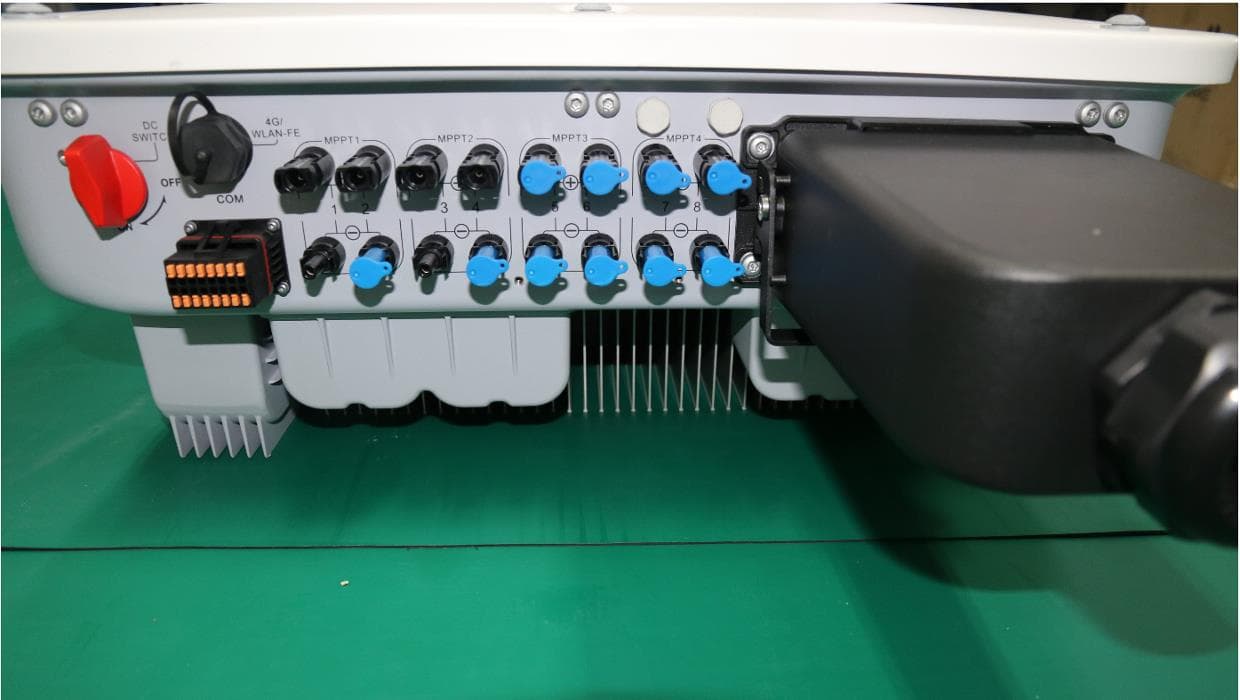
QISSUN2000
Jun 27, 2021Solar Inverter
Equipment Class
DTS - Digital Transmission System
QISCP81-1
Oct 22, 2020Watch Wireless Charger
Equipment Class
DCD - Part 15 Low Power Transmitter Below 1705 kHz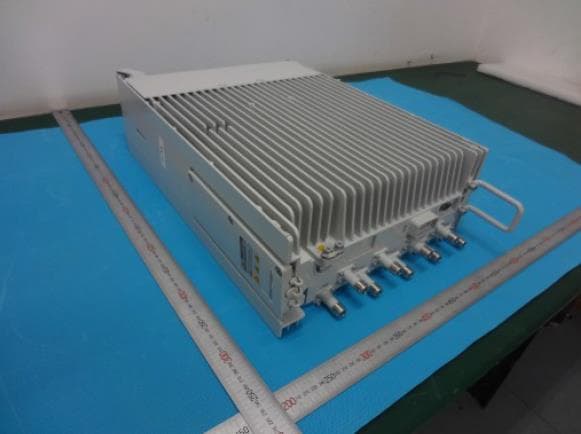
QISRRU3278
Sep 02, 2020Remote Radio Unit
Equipment Class
CBD - Citizens Band Category A and B Devices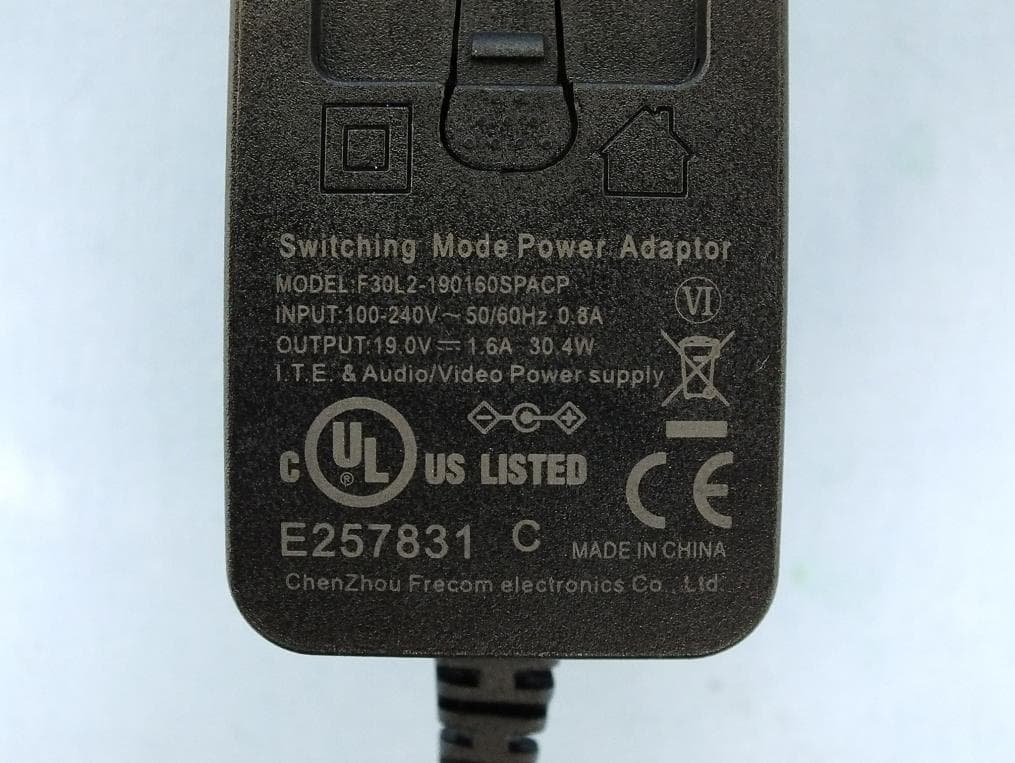
QISR2561
Jul 11, 2020Indoor Router
Equipment Class
DTS - Digital Transmission System
QISSMARTLOGGER310
Mar 23, 2020Solar Smart Monitor & Data Logger
Equipment Class
DTS - Digital Transmission System