QISE172HSPA USB Stick
Huawei Technologies Co.,Ltd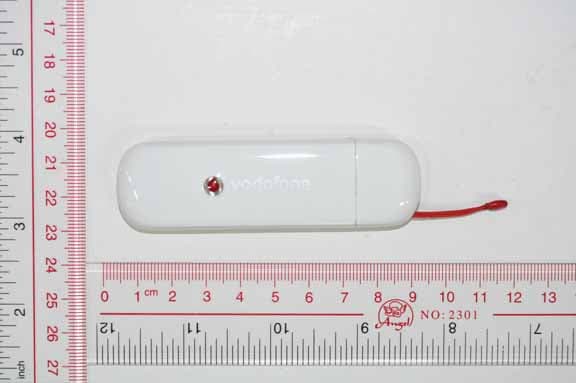
Click to zoom
Application Details
- Equipment Class
- PCB - PCS Licensed Transmitter
- Date of Grant
- Nov 14, 2007
- Application Purpose
- Original Equipment
- Date of Application
- Nov 14, 2007
- Equipment Note
- HSPA USB Stick
- Frequency Range
- 1850.20000000 - 1909.80000000
- Company
- Huawei Technologies Co.,Ltd
- Country
- China
Documents & Files
Document Text
Text extracted from the exhibit documents filed with the FCC. Open a document above to read the original.
Users Manual
1 Safety Information Please read the safety information carefully to ensure the correct and safe use of your wireless device. General Recommendations for Use Always handle your wireless device with care and keep it in a clean and dust-free place. Do not expose your wireless device to open flames or lit tobacco products. y Always keep your wireless device dry. y Do not drop, throw or try to bend your wireless device. y Do not paint or scratch your wireless device. y Do not attempt to disassemble your wireless device. Doing so will void warranty. Only authorized personnel are allowed to do so. y Use approved accessories only. Do not connect your wireless device to any incompatible products. Laws and Regulations y Do not operate your wireless device where it may be unsafe to do so or where you are required not to do so. y To deactivate your wireless device, stop all applications using the wireless device first and then remove the wireless device from your PC. y Obey all local laws, regulations, rules, orders, signs and notices while using the wireless device. Signs about the use of mobile phones should also be obeyed as referring to other wireless equipment including wireless devices provided by Huawei. Electronic Device y Deactivate your wireless device near high-precision electronic devices. The wireless device may affect the performance of these devices. y Pacemaker manufacturers recommend that a minimum separation of 15 cm be maintained between a wireless device and a pacemaker to avoid potential interference with the pacemaker. Deactivate your wireless device, if it may have disturbance to the pacemaker. Deactivate in Explosive Areas Deactivate your wireless device where the air is potentially explosive. It is rare, but your PC could generate sparks. Deactivate in Blasting Areas Deactivate your wireless device where blasting is in progress. Remote-controlled radio frequency (RF) devices are often used at construction sites to set off blasting. 2 Deactivate in Aircrafts Deactivate your wireless device before boarding or in any aircraft. Wireless devices can cause interference in aircrafts. Deactivate at Hospitals Obey regulations or rules at hospitals. Deactivate your wireless device near medical equipment. Wireless devices can cause interference to cardiac pacemakers, implanted defibrillators or other medical equipment. Deactivate near Hearing Devices Deactivate your wireless device near hearing devices. People with hearing aids may experience interfering noise near wireless devices. Recommendations for Children Do not allow children to play with your wireless device. They could hurt themselves or others, or could accidentally damage the wireless device. Your wireless device contains small parts with sharp edges that may cause an injury or a choking hazard. Deactivate While Driving Do not use the wireless device while driving. Immunity to Interference Your wireless device is immune to interferences caused by audible signals. Cleaning and Maintenance y Before you clean or maintain the wireless device, stop all applications using the wireless device and remove your wireless device from your PC. y Clean your wireless device with a piece of soft antistatic cloth. y If the wireless device or any of its accessories does not work, turn to an authorized service center for help. Environmental Protection Observe the local regulations regarding the disposal of your packaging materials, old wireless device and its accessories. Please promote their recycling. SIM/USIM Cards While inserting or removing the SIM card, protect yourself against electrostatic discharge (ESD). Do not touch the connector of the SIM card. As a precaution, always make sure that the wireless device is already in your hand before you insert or remove the SIM card. Restart on ESDs Software will attempt to re-initialize a 3 connection once a substantial electrostatic discharge causes the device to reset. If the software is not operational after an ESD, restart the software application. Agency/Regulatory Information The wireless device is approved for use in many regions of the world. In these regions, the device meets all radio frequency exposure requirements. The following approvals and notices apply in specific regions as noted. CE Approval (European Union) y The wireless device is approved to be used in the member states of the EU. Huawei declares that the wireless device is in compliance with the essential requirements and other relevant provisions of the Radio and Telecommunications Terminal Equipment Directive 1999/5/EC (R&TTE Directive). y Please observe the national local regulations in the location where product is to be used. This product may be restricted for use in some or all countries of European Union Radio Frequency Exposure To ensure compliance at all times with the R&TTE Directive* 1999/5/EC, the equipment should be installed and operated with minimum distance of 20 cm between the radiator and your body when use it via USB cable. * The general public RF exposure limits referenced in the R&TTE Directive are consistent with the published Guidelines of the International Commission on Non-Ionizing Radiation Protection (ICNIRP) 1998. ICNIRP is a formally recognized non-governmental organization in Non-Ionising Radiation Protection for the World Health Organisation (WHO), the International Labour Organisation (ILO) and the European Union (EU). For more information, visit the ICNIRP website at www.icnirp.de. Certification Information (SAR) THIS DEVICE MEETS THE GOVERNMENT'S REQUIREMENTS FOR EXPOSURE TO RADIO FREQUENCY ELECTROMAGNETIC FIELD. Your wireless device is a low-power radio transmitter and receiver. When it is running, it emits low levels of radio frequency energy (also known as radio waves or radio frequency fields). Governments around the world have adopted comprehensive international safety guidelines, developed by scientific organizations, e.g. ICNIRP (International Commission on 4 Non-Ionizing Radiation P…
Text truncated - open the document above for the full version.
Cover Letter(s)
Huawei Technologies Co., Ltd. Address:Huawei Industrial Base,Bantian Longgang,Shenzhen 518129, P.R China Post ZIP:518129 Page :1/1 To: CETECOM Fax : NULL From:Zhang Xinghai Fax:0086-755-89652518 Tel:0086-755-89651014 Email address: [email protected] Http: www.huawei.com Subject:Letter of Confidentiality Federal Communications Commission 7435 Oakland Mills Road Columbia, MD 21046 Gentlemen: This letter is to comply with the Code of Federal Regulations Title 47 Section 0.457 and 0.459 pertaining to confidential material. Huawei Technologies Co., Ltd. would like the following documents regarding this submission for FCC ID: QISE172 to be kept confidential: 1. Schematic diagram. 2. Block Diagram. 3. Parts list (BOM) Information. 4. Operational description. 5. Tune-up procedure The above material contains trade secrets or technical data, which would customarily be guarded from competitors. We do not want these documents to be accessible to the general public. Sincerely, For and Behalf of: Huawei Technologies Co., Ltd. Zhang Xinghai EMC Laboratory Manager
Cover Letter(s)
Huawei Technologies Co., Ltd. Administration Building, Huawei Base, Bantian, Longgang District, Shenzhen 518129 P.R.C. +86 755 28780808 www.huawei.com Huawei internal reference RCT-US-01-01 USA FCC Short Term Confidentiality Request template Effective date: 2007-01-06 Version 1.1 Short Term Confidentiality Request 2007-11-24 Federal Communications Commission Office of Engineering and Technology Equipment Authorization Division 7345 Oakland Mills Road Columbia, Maryland 21046 Subject: SHORT-TERM Confidentiality Request for FCC ID: QISE172 Product Name: HSPA USB STICK Product Model: E172 To whom maybe concern: Pursuant to sections 0.457 and 0.459 of CFR 47 and to avoid premature release of sensitive information prior to marketing or release of the product to the public, Huawei Technologies Co., Ltd requests the following documents contained in this certification application be temporarily withheld from public disclosure for an initial period of 90 days: 1. External Photos 2. Internal Photos 3. Test Setup Photos 4. Users Manual The applicant also acknowledges that they will also provide appropriate notice to CETECOM should either of the following occur: A) If the applicant requires additional 45 day extension periods they will notify CETECOM with a new request letter at least 7 days prior to the short-term confidentiality expiration date-[Note: up to maximum of 3 extensions only are allowed], or b) Immediately notify CETECOM in the event the information regarding the product of the product is made available to the public. CETECOM will then release the documents listed above for public disclosure pursuant to FCC Public Notice DA 04-1705. Sincerely,
External Photos
E172 SECRET Page1,Total 5 External Photos of HUAWEI E172 E172 SECRET Page2,Total 5 E172 SECRET Page3,Total 5 E172 SECRET Page4,Total 5 E172 SECRET Page5,Total 5
ID Label/Location Info
E172 SECRET Page1,Total 1 Lable & Location Info
Internal Photos
E172 SECRET Page1,Total 8 Internal Photos of HUAWEI E172 E172 SECRET Page2,Total 8 E172 SECRET Page3,Total 8 E172 SECRET Page4,Total 8 E172 SECRET Page5,Total 8 E172 SECRET Page6,Total 8 E172 SECRET Page7,Total 8 E172 SECRET Page8,Total 8
RF Exposure Info
NO.: RZA2007-1080 FCC TEST REPORT Test name Electromagnetic Field (Specific Absorption Rate) Product HSPA USB STICK Model E172 FCC ID QISE172 Client HUAWEI Technologies Co., Ltd. TA Technology (Shanghai) Co., Ltd. TA Technology (Shanghai) Co., Ltd. Test Report No. RZA2007-1080FCC Page 2of 119 GENERAL TERMS 1. The test report is invalid if not marked with “exclusive stamp for the data report” or the stamp of the TA. 2. Any copy of the test report is invalid if not re-marked with the “exclusive stamp for the test report” or the stamp of TA. 3. The test report is invalid if not marked with the stamps or the signatures of the persons responsible for performing, revising and approving the test report. 4. The test report is invalid if there is any evidence of erasure and/or falsification. 5. If there is any dissidence for the test report, please file objection to the test center with in 15 days from the date of receiving the test report. 6. Normally, entrust test is only responsible for the samples that have undergone the test. 7. This test report cannot be used partially or in full for publicity and/or promotional purposes with out previous written permissions of TA. Address: Room4,No.399,Cailun Rd,Zhangjiang Hi-Tech Park, Pudong Shanghai,China Post code: 201203 Telephone: +86-021-50791141/2/3 Fax:+86-021-50791147 Website: http://www.ta-shanghai.com E-mail: [email protected] TA Technology (Shanghai) Co., Ltd. Test Report No. RZA2007-1080FCC Page 3of 119 GENERAL SUMMARY Product HSPA USB STICK Model E172 Client HUAWEI Technologies Co., Ltd. Type of test Entrusted Manufacturer HUAWEI Technologies Co., Ltd. Arrival Date of sample Nov. 2 nd , 2007 Place of sampling (Blank) Carrier of the samples Ting Zhang Quantity of the samples One Date of product (Blank) Base of the samples (Blank) Items of test SAR Series number EV7NAA17A2711025 Standard(s) EN 50360–2001: Product standard for the measurement of Specific Absorption Rate related to human exposure to electromagnetic fields from mobile phones. EN 50361–2001: Basic standard for the measurement of Specific Absorption Rate related to human exposure to electromagnetic fields from mobile phones. ANSI C95.1–1999: IEEE Standard for Safety Levels with Respect to Human Exposure to Radio Frequency Electromagnetic Fields, 3 kHz to 300 GHz IEEE 1528–2003: Recommended Practice for Determining the Peak Spatial-Average Specific Absorption Rate (SAR) in the Human Body Due to Wireless Communications Devices: Experimental Techniques. OET Bulletin 65 (Edition 97-01) and Supplement C (Edition 01-01): Additional Information for Evaluating Compliance of Mobile and Portable Devices with FCC Limits. IEC 62209-2 (Draft): Human exposure to radio frequency fields from hand-held and body-mounted wireless communication devices – Human models, instrumentation, and procedures –Part 2: Procedure to determine the Specific Absorption Rate (SAR)in the head and body for 30MHz to 6GHz Handheld and Body-Mounted Devices used in close proximity to the body. Vodafone SAR_Data_cards_V1.1: Global Test Specification for Terminals for Performance Measurements –Performance TST- Specific Absorption Rate (SAR) for Data Cards and External Antennas. Conclusion Localized Specific Absorption Rate (SAR) of this portable wireless equipment has been measured in all cases requested by the relevant standards cited in Clause 5.2 of this test report. Maximum localized SAR is below exposure limits specified in the relevant standards cited in Clause 5.1 of this test report. General Judgment: Pass (Stamp) Date of issue: Nov. 8 th , 2007 Comment TX Freq. Band: GSM850 GSM1900 Max. Power: 2Watt 1Watt The test result only responds to the measured sample. Approved by Revised by Performed by Chengguang Zheng Wei zhong Yang Minbao Lin TA Technology (Shanghai) Co., Ltd. Test Report No. RZA2007-1080FCC Page 4of 119 TABLE OF CONTENT 1 COMPETENCE AND WARRANTIES.......................................................................................................................... 5 2 GENERAL CONDITIONS............................................................................................................................................ 5 3 DESCRIPTION OF EUT ............................................................................................................................................. 5 3.1 ADDRESSING INFORMATION RELATED TO EUT.....................................................................................................5 3.2 CONSTITUENTS OF EUT .......................................................................................................................................6 3.3 GENERAL DESCRIPTION........................................................................................................................................6 4 OPERATIONAL CONDITIONS DURING TEST .......................................................................................................... 7 4.1 SCHEMATIC TEST CONFIGURATION.......................................................................................................................7 4.2 SAR MEASUREMENT SET-UP.............................................................................................................................. 11 4.3 DASY4 E-FIELD PROBE SYSTEM.........................................................................................................................12 4.4 E-FIELD PROBE CALIBRATION............................................................................................................................13 4.5 OTHER TEST EQUIPMENT....................................................................................................................................13 4.6 EQUIVALENT TISSUES.........................................................................................................................................14 4.7 SYSTEM SPECIFICATIONS...............................................................…
Text truncated - open the document above for the full version.
RF Exposure Info
TA Technology (Shanghai) Co., Ltd. Test Report No. RZA2007-1080FCC Page 51of 119 Test Position 2 GSM 850 GPRS with BenQ Joybook S72 Middle (2 timeslots in uplink) Communication System: GSM850 + GPRS (2Up); Frequency: 836.6 MHz; Duty Cycle: 1:4 Medium: Body 835MHz Medium parameters used: f = 837 MHz; σ = 0.991 mho/m; ε r = 54.8; ρ = 1000 kg/m 3 - Probe: ET3DV6 - SN1737; ConvF(6.52, 6.52, 6.52); - Electronics: DAE3 Sn452; Test Position 2 Middle/Area Scan (51x91x1): Measurement grid: dx=15mm, dy=15mm Maximum value of SAR (interpolated) = 0.541 mW/g Test Position 2 Middle/Zoom Scan (7x7x7)/Cube 0: Measurement grid: dx=5mm, dy=5mm, dz=5mm Reference Value = 20.0 V/m; Power Drift = 0.064 dB Peak SAR (extrapolated) = 0.676 W/kg SAR(1 g) = 0.504 mW/g; SAR(10 g) = 0.346 mW/g Maximum value of SAR (measured) = 0.540 mW/g Figure 29 GSM 850 GPRS with BenQ Joybook S72 Test Position 2 CH190 (2 timeslots in uplink) TA Technology (Shanghai) Co., Ltd. Test Report No. RZA2007-1080FCC Page 52of 119 Figure 30 Z-Scan at power reference point [GSM 850 GPRS with BenQ Joybook S72 Test Position 2 CH190 (2 timeslots in uplink)] TA Technology (Shanghai) Co., Ltd. Test Report No. RZA2007-1080FCC Page 53of 119 Test Position 3 GSM 850 GPRS with BenQ Joybook S72 Middle (2 timeslots in uplink) Communication System: GSM850 + GPRS (2Up); Frequency: 836.6 MHz; Duty Cycle: 1:4 Medium: Body 835MHz Medium parameters used: f = 837 MHz; σ = 0.991 mho/m; ε r = 54.8; ρ = 1000 kg/m 3 - Probe: ET3DV6 - SN1737; ConvF(6.52, 6.52, 6.52); - Electronics: DAE3 Sn452; Test Position 3 Middle/Area Scan (61x61x1): Measurement grid: dx=15mm, dy=15mm Maximum value of SAR (interpolated) = 0.205 mW/g Test Position 3 Middle/Zoom Scan (7x7x7)/Cube 0: Measurement grid: dx=5mm, dy=5mm, dz=5mm Reference Value = 15.4 V/m; Power Drift = 0.015 dB Peak SAR (extrapolated) = 0.862 W/kg SAR(1 g) = 0.189 mW/g; SAR(10 g) = 0.065 mW/g Maximum value of SAR (measured) = 0.204 mW/g Figure 31 GSM 850 GPRS with BenQ Joybook S72 Test Position 3 CH190 (2 timeslots in uplink) TA Technology (Shanghai) Co., Ltd. Test Report No. RZA2007-1080FCC Page 54of 119 Figure 32 Z-Scan at power reference point [GSM 850 GPRS with BenQ Joybook S72 Test Position 3 CH190 (2 timeslots in uplink)] TA Technology (Shanghai) Co., Ltd. Test Report No. RZA2007-1080FCC Page 55of 119 Test Position 4 GSM 850 GPRS with BenQ Joybook R55V Middle (2 timeslots in uplink) Communication System: GSM850 + GPRS (2Up); Frequency: 836.6 MHz; Duty Cycle: 1:4 Medium: Body 835MHz Medium parameters used: f = 837 MHz; σ = 0.991 mho/m; ε r = 54.8; ρ = 1000 kg/m 3 - Probe: ET3DV6 - SN1737; ConvF(6.52, 6.52, 6.52); - Electronics: DAE3 Sn452; Test Position 4 Middle/Area Scan (51x91x1): Measurement grid: dx=15mm, dy=15mm Maximum value of SAR (interpolated) = 0.417 mW/g Test Position 4 Middle/Zoom Scan (7x7x7)/Cube 0: Measurement grid: dx=5mm, dy=5mm, dz=5mm Reference Value = 15.3 V/m; Power Drift = 0.051 dB Peak SAR (extrapolated) = 0.655 W/kg SAR(1 g) = 0.394 mW/g; SAR(10 g) = 0.265 mW/g Maximum value of SAR (measured) = 0.429 mW/g Figure 33 GSM 850 GPRS with BenQ Joybook R55V Test Position 4 CH190 (2 timeslots in uplink) TA Technology (Shanghai) Co., Ltd. Test Report No. RZA2007-1080FCC Page 56of 119 Figure 34 Z-Scan at power reference point [GSM 850 GPRS with BenQ Joybook R55V Test Position 4 CH190 (2 timeslots in uplink)] TA Technology (Shanghai) Co., Ltd. Test Report No. RZA2007-1080FCC Page 57of 119 Test Position 5 GSM 850 GPRS with BenQ Joybook R55V Middle (2 timeslots in uplink) Communication System: GSM850 + GPRS (2Up); Frequency: 836.6 MHz; Duty Cycle: 1:4 Medium: Body 835MHz Medium parameters used: f = 837 MHz; σ = 0.991 mho/m; ε r = 54.8; ρ = 1000 kg/m 3 - Probe: ET3DV6 - SN1737; ConvF(6.52, 6.52, 6.52); - Electronics: DAE3 Sn452; Test Position 5 Middle/Area Scan (51x81x1): Measurement grid: dx=15mm, dy=15mm Maximum value of SAR (interpolated) = 0.302 mW/g Test Position 5 Middle/Zoom Scan (7x7x7)/Cube 0: Measurement grid: dx=5mm, dy=5mm, dz=5mm Reference Value = 12.4 V/m; Power Drift = -0.011 dB Peak SAR (extrapolated) = 0.466 W/kg SAR(1 g) = 0.279 mW/g; SAR(10 g) = 0.198 mW/g Maximum value of SAR (measured) = 0.301 mW/g Figure35 GSM 850 GPRS with BenQ Joybook R55V Test Position 5 CH190 (2 timeslots in uplink) TA Technology (Shanghai) Co., Ltd. Test Report No. RZA2007-1080FCC Page 58of 119 Figure 36 Z-Scan at power reference point [GSM 850 GPRS with BenQ Joybook R55V Test Position 5 CH190 (2 timeslots in uplink)] TA Technology (Shanghai) Co., Ltd. Test Report No. RZA2007-1080FCC Page 59of 119 Test Position 6 GSM 850 GPRS with BenQ Joybook R55V Middle (2 timeslots in uplink) Communication System: GSM850 + GPRS (2Up); Frequency: 836.6 MHz; Duty Cycle: 1:4 Medium: Body 835MHz Medium parameters used: f = 837 MHz; σ = 0.991 mho/m; ε r = 54.8; ρ = 1000 kg/m 3 - Probe: ET3DV6 - SN1737; ConvF(6.52, 6.52, 6.52); - Electronics: DAE3 Sn452; Test Position 6 Middle/Area Scan (51x81x1): Measurement grid: dx=15mm, dy=15mm Maximum value of SAR (interpolated) = 0.618 mW/g Test Position 6 Middle/Zoom Scan (7x7x7)/Cube 0: Measurement grid: dx=5mm, dy=5mm, dz=5mm Reference Value = 17.7 V/m; Power Drift = -0.030 dB Peak SAR (extrapolated) = 0.742 W/kg SAR(1 g) = 0.523 mW/g; SAR(10 g) = 0.339 mW/g Maximum value of SAR (measured) = 0.577 mW/g Figure 37 GSM 850 GPRS with BenQ Joybook R55V Test Position 6 CH190 (2 timeslots in uplink) TA Technology (Shanghai) Co., Ltd. Test Report No. RZA2007-1080FCC Page 60of 119 Figure 38 Z-Scan at power reference point [GSM 850 GPRS with BenQ Joybook R55V Test Position 6 CH190 (2 timeslots in uplink)] TA Technology (Shanghai) Co., Ltd. Test Report No. RZA2007-1080FCC Page 61of 119 Test Position 7 GSM 850 GPRS with BenQ Joybook R55V Middle (2 timeslots in uplink) Communication System: GSM850 + GPRS (2Up); Frequency: 836.6 MHz; Duty Cycle: 1:4 Medium: Body 835MHz Medium parameters used: f = 837 MHz; σ = 0.991 mho/m; ε r = 54.8; ρ = 1000 kg/m 3 - Probe: ET3DV6 - SN1737; ConvF(6.52, 6.52, 6.52); - …
Text truncated - open the document above for the full version.
RF Exposure Info
TA Technology (Shanghai) Co., Ltd. Test Report No. RZA2007-1080FCC Page 91of 119 Test Position 6 GSM 1900 GPRS with BenQ Joybook R55V Middle (2 timeslots in uplink) Communication System: GSM 1900+GPRS (2Up); Frequency: 1880 MHz; Duty Cycle: 1:4 Medium: Body 1900MHz Medium parameters used: f = 1880 MHz; σ = 1.51 mho/m; ε r = 52.6; ρ = 1000 kg/m 3 - Probe: ET3DV6 - SN1737; ConvF(4.64, 4.64, 4.64); - Electronics: DAE3 Sn452; Test Position 6 Middle/Area Scan (51x81x1): Measurement grid: dx=15mm, dy=15mm Maximum value of SAR (interpolated) = 0.951 mW/g Test Position 6 Middle/Zoom Scan (7x7x7)/Cube 0: Measurement grid: dx=5mm, dy=5mm, dz=5mm Reference Value = 24.2 V/m; Power Drift = 0.053 dB Peak SAR (extrapolated) = 1.37 W/kg SAR(1 g) = 0.830 mW/g; SAR(10 g) = 0.468 mW/g Maximum value of SAR (measured) = 0.913 mW/g Figure 69 GSM 1900 GPRS with BenQ Joybook R55V Test Position 6 CH661 (2 timeslots in uplink) TA Technology (Shanghai) Co., Ltd. Test Report No. RZA2007-1080FCC Page 92of 119 Figure 70 Z-Scan at power reference point [GSM 1900 GPRS with BenQ Joybook R55V Test Position 6 CH661 (2 timeslots in uplink)] TA Technology (Shanghai) Co., Ltd. Test Report No. RZA2007-1080FCC Page 93of 119 Test Position 7 GSM 1900 GPRS with BenQ Joybook R55V Middle (2 timeslots in uplink) Communication System: GSM 1900+GPRS (2Up); Frequency: 1880 MHz; Duty Cycle: 1:4 Medium: Body 1900MHz Medium parameters used: f = 1880 MHz; σ = 1.51 mho/m; ε r = 52.6; ρ = 1000 kg/m 3 - Probe: ET3DV6 - SN1737; ConvF(4.64, 4.64, 4.64); - Electronics: DAE3 Sn452; Test Position 7 Middle/Area Scan (61x61x1): Measurement grid: dx=15mm, dy=15mm Maximum value of SAR (interpolated) = 0.440 mW/g Test Position 7 Middle/Zoom Scan (7x7x7)/Cube 0: Measurement grid: dx=5mm, dy=5mm, dz=5mm Reference Value = 18.1 V/m; Power Drift = 0.141 dB Peak SAR (extrapolated) = 0.911 W/kg SAR(1 g) = 0.365 mW/g; SAR(10 g) = 0.194 mW/g Maximum value of SAR (measured) = 0.413 mW/g Figure 71 GSM 1900 GPRS with BenQ Joybook R55V Test Position 7 CH661 (2 timeslots in uplink) TA Technology (Shanghai) Co., Ltd. Test Report No. RZA2007-1080FCC Page 94of 119 Figure 72 Z-Scan at power reference point [GSM 1900 GPRS with BenQ Joybook R55V Test Position 7 CH661 (2 timeslots in uplink)] TA Technology (Shanghai) Co., Ltd. Test Report No. RZA2007-1080FCC Page 95of 119 Test Position 1 GSM 1900 EGPRS with BenQ Joybook S72 Middle (2 timeslots in uplink) Communication System: GSM 1900+EGPRS (2Up); Frequency: 1880 MHz; Duty Cycle: 1:4 Medium: Body 1900MHz Medium parameters used: f = 1880 MHz; σ = 1.51 mho/m; ε r = 52.6; ρ = 1000 kg/m 3 - Probe: ET3DV6 - SN1737; ConvF(4.64, 4.64, 4.64); - Electronics: DAE3 Sn452; Test Position 1 Middle/Area Scan (51x91x1): Measurement grid: dx=15mm, dy=15mm Maximum value of SAR (interpolated) = 0.503 mW/g Test Position 1 Middle/Zoom Scan (7x7x7)/Cube 0: Measurement grid: dx=5mm, dy=5mm, dz=5mm Reference Value = 13.3 V/m; Power Drift = -0.088 dB Peak SAR (extrapolated) = 0.681 W/kg SAR(1 g) = 0.443 mW/g; SAR(10 g) = 0.260 mW/g Maximum value of SAR (measured) = 0.486 mW/g Figure 73 GSM 1900 EGPRS with BenQ Joybook S72 Test Position 1 CH661 (2 timeslots in uplink) TA Technology (Shanghai) Co., Ltd. Test Report No. RZA2007-1080FCC Page 96of 119 Figure 74 Z-Scan at power reference point [GSM 1900 EGPRS with BenQ Joybook S72 Test Position 1 CH661 (2 timeslots in uplink)] TA Technology (Shanghai) Co., Ltd. Test Report No. RZA2007-1080FCC Page 97of 119 ANNEX D: SYSTEM VALIDATION RESULTS System Performance Check at 835 MHz Communication System: CW; Frequency: 835 MHz; Duty Cycle: 1:1 Medium: Head 835MHz Medium parameters used: f = 835 MHz; σ = 0.899 mho/m; ε r = 42.8; ρ = 1000 kg/m 3 - Probe: ET3DV6 - SN1737; ConvF(6.52, 6.52, 6.52); - Electronics: DAE3 Sn452; d=15mm, Pin=250mW/Area Scan (61x81x1): Measurement grid: dx=15mm, dy=15mm Maximum value of SAR (interpolated) = 2.54 mW/g d=15mm, Pin=250mW/Zoom Scan (7x7x7) /Cube 0: Measurement grid: dx=5mm, dy=5mm, dz=5mm Reference Value = 55.0 V/m; Power Drift = -0.061 dB Peak SAR (extrapolated) = 3.44 W/kg SAR(1 g) = 2.34 mW/g; SAR(10 g) = 1.53 mW/g Maximum value of SAR (measured) = 2.52 mW/g 0 dB = 2.52mW/g Figure 75 System Performance Check 835MHz 250mW TA Technology (Shanghai) Co., Ltd. Test Report No. RZA2007-1080FCC Page 98of 119 System Performance Check at 1900 MHz DUT: Dipole 1900 MHz; Type: D1900V2; Serial: D1900V2 - SN: 541 Communication System: CW; Frequency: 1900 MHz; Duty Cycle: 1:1 Medium: Head 1900 MHz Medium parameters used: f = 1900 MHz; σ = 1.42 mho/m; ε r = 39.4; ρ = 1000 kg/m 3 - Probe: ET3DV6 - SN1737; ConvF(4.64, 4.64, 4.64); - Electronics: DAE3 Sn452; d=10mm, Pin=250mW/Area Scan (61x81x1): Measurement grid: dx=15mm, dy=15mm Maximum value of SAR (interpolated) = 11.7 mW/g d=10mm, Pin=250mW/Zoom Scan (7x7x7) /Cube 0: Measurement grid: dx=5mm, dy=5mm, dz=5mm Reference Value = 92.4 V/m; Power Drift = -0.045 dB Peak SAR (extrapolated) = 16.8 W/kg SAR(1 g) = 9.69 mW/g; SAR(10 g) = 5.12 mW/g Maximum value of SAR (measured) = 10.9 mW/gg 0 dB = 10.9mW/g Figure 76 System Performance Check 1900MHz 250mW TA Technology (Shanghai) Co., Ltd. Test Report No. RZA2007-1080FCC Page 99of 119 ANNEX E: PROBE CALIBRATION CERTIFICATE TA Technology (Shanghai) Co., Ltd. Test Report No. RZA2007-1080FCC Page 100of 119 TA Technology (Shanghai) Co., Ltd. Test Report No. RZA2007-1080FCC Page 101of 119 TA Technology (Shanghai) Co., Ltd. Test Report No. RZA2007-1080FCC Page 102of 119 TA Technology (Shanghai) Co., Ltd. Test Report No. RZA2007-1080FCC Page 103of 119 TA Technology (Shanghai) Co., Ltd. Test Report No. RZA2007-1080FCC Page 104of 119 TA Technology (Shanghai) Co., Ltd. Test Report No. RZA2007-1080FCC Page 105of 119 TA Technology (Shanghai) Co., Ltd. Test Report No. RZA2007-1080FCC Page 106of 119 TA Technology (Shanghai) Co., Ltd. Test Report No. RZA2007-1080FCC Page 107of 119 TA Technology (Shanghai) Co., Ltd. Test Report No. RZA2007-1080FCC Page 108of 119 ANNEX F: D835V2 DIPOLE CALIBRATION CERTIFICATE TA T…
Text truncated - open the document above for the full version.
Test Report
FCC ID: QISE172 Report No: SYBH(R) 147102007EB-2 Confidential Information of Huawei. No Distribution without Permission Page1, Total3 Appendix A Modulation Characteristics According to FCC Part 2.1047 & Part22 Subpart H FCC ID: QISE172 Report No: SYBH(R) 147102007EB-2 Confidential Information of Huawei. No Distribution without Permission Page2, Total3 Channel 192TM1:GPRS/GSM FCC ID: QISE172 Report No: SYBH(R) 147102007EB-2 Confidential Information of Huawei. No Distribution without Permission Page3, Total3 Channel 192TM2:EDGE
Test Report
FCC ID: QISE172 Report No: SYBH(R) 147102007EB-2 Confidential Information of HUAWEI. No Distribution without Permission Page1, Total7 Appendix B Occupied Bandwidth According to FCC Part 2.1049 & Part 22 Subpart H FCC ID: QISE172 Report No: SYBH(R) 147102007EB-2 Confidential Information of HUAWEI. No Distribution without Permission Page2, Total7 Channel 128TM1:GPRS/GSM Ref 35 dBmAtt 15 dB RBW 3 kHz VBW 10 kHz SWT 115 ms * * * Offset 45 dB Center 824.2 MHzSpan 1 MHz100 kHz/ A LVL 1 PK MAXH -60 -50 -40 -30 -20 -10 0 10 20 30 1 Marker 1 [T1 ] 25.37 dBm 824.198397436 MHz OBW243.589743590 kHz T1 Temp 1 [T1 OBW] 8.66 dBm 824.078205128 MHz T2 Temp 2 [T1 OBW] 9.80 dBm 824.321794872 MHz Date: 6.OCT.2007 10:36:17 FCC ID: QISE172 Report No: SYBH(R) 147102007EB-2 Confidential Information of HUAWEI. No Distribution without Permission Page3, Total7 Channel 128TM2:EDGE Ref 35 dBm Offset 45 dB A LVL Att 5 dB 100 kHz/Center 824.2 MHzSpan 1 MHz * * RBW 3 kHz VBW 10 kHz SWT 115 ms * 1 PK MAXH -60 -50 -40 -30 -20 -10 0 10 20 30 1 Marker 1 [T1 ] 19.54 dBm 824.201602564 MHz OBW248.397435897 kHz T1 Temp 1 [T1 OBW] 4.47 dBm 824.075000000 MHz T2 Temp 2 [T1 OBW] 4.68 dBm 824.323397436 MHz Date: 6.OCT.2007 10:41:27 FCC ID: QISE172 Report No: SYBH(R) 147102007EB-2 Confidential Information of HUAWEI. No Distribution without Permission Page4, Total7 Channel 192TM1:GPRS/GSM Ref 35 dBm Offset 45 dB A LVL 100 kHz/Center 837 MHzSpan 1 MHz Att 5 dB * * RBW 3 kHz VBW 10 kHz SWT 115 ms * 1 PK MAXH -60 -50 -40 -30 -20 -10 0 10 20 30 1 Marker 1 [T1 ] 26.15 dBm 836.979166667 MHz OBW243.589743590 kHz T1 Temp 1 [T1 OBW] 10.40 dBm 836.878205128 MHz T2 Temp 2 [T1 OBW] 11.01 dBm 837.121794872 MHz Date: 6.OCT.2007 10:37:51 FCC ID: QISE172 Report No: SYBH(R) 147102007EB-2 Confidential Information of HUAWEI. No Distribution without Permission Page5, Total7 Channel 192TM2:EDGE Ref 35 dBm Offset 45 dB A LVL Att 5 dB 100 kHz/Center 837 MHzSpan 1 MHz * * RBW 3 kHz VBW 10 kHz SWT 115 ms * 1 PK MAXH -60 -50 -40 -30 -20 -10 0 10 20 30 1 Marker 1 [T1 ] 20.44 dBm 836.993589744 MHz OBW241.987179487 kHz T1 Temp 1 [T1 OBW] 4.24 dBm 836.879807692 MHz T2 Temp 2 [T1 OBW] 5.28 dBm 837.121794872 MHz Date: 6.OCT.2007 10:42:23 FCC ID: QISE172 Report No: SYBH(R) 147102007EB-2 Confidential Information of HUAWEI. N…
Text truncated - open the document above for the full version.
Contact Information
Applicant
Zhang Xinghai
Test Firm
Huawei Technologies Co., LTDZhou Fengyum
Technical Specifications
| # | Rule Parts | Frequency Range | Power Output | Emission | Tolerance |
|---|---|---|---|---|---|
| 4 | 24E | 1.85 GHz - 1.91 GHz | 447.00 mW | 300KG7W | 0.02 ppm |
Other Applications from Huawei Technologies Co.,Ltd
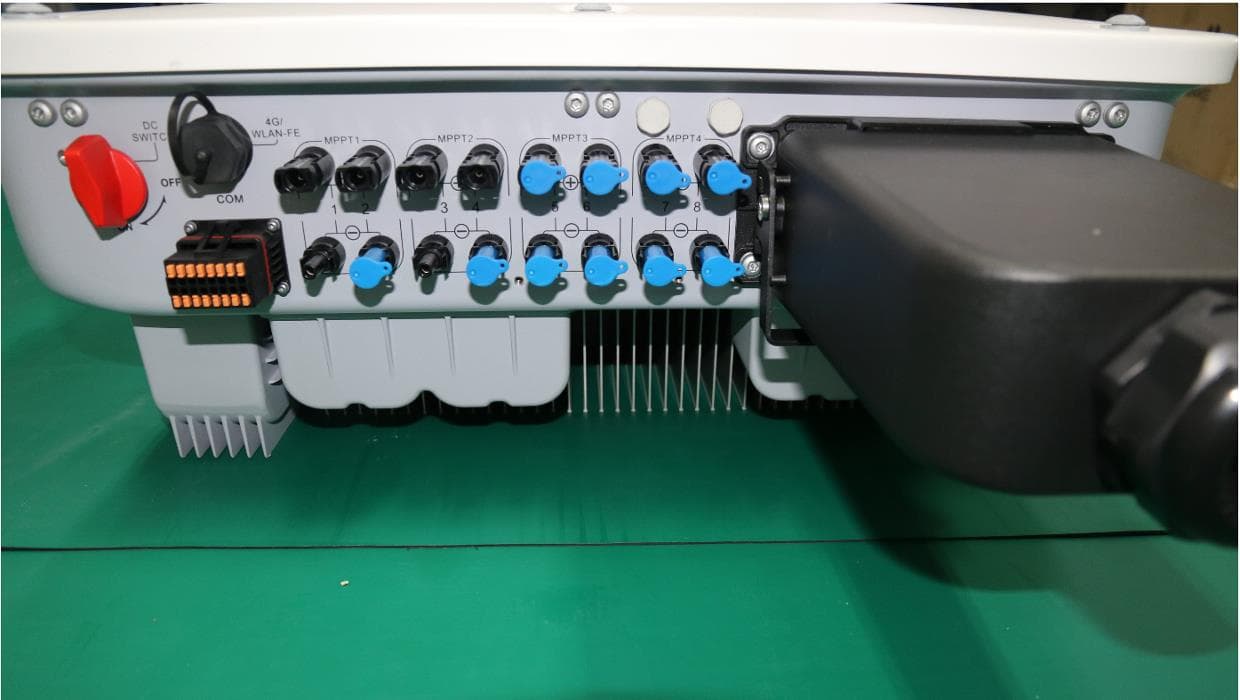
QISSUN2000
Jun 27, 2021Solar Inverter
Equipment Class
DTS - Digital Transmission System
QISCP81-1
Oct 22, 2020Watch Wireless Charger
Equipment Class
DCD - Part 15 Low Power Transmitter Below 1705 kHz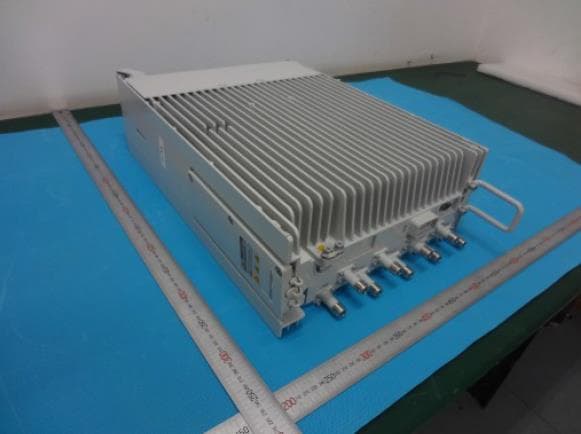
QISRRU3278
Sep 02, 2020Remote Radio Unit
Equipment Class
CBD - Citizens Band Category A and B Devices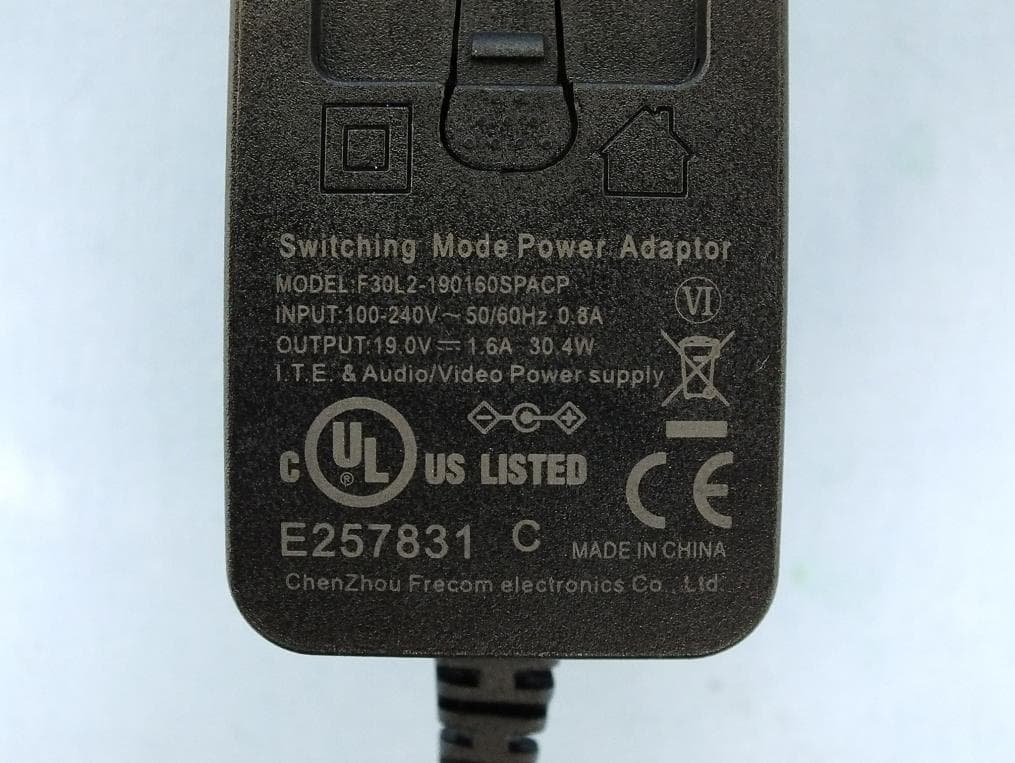
QISR2561
Jul 11, 2020Indoor Router
Equipment Class
DTS - Digital Transmission System
QISSMARTLOGGER310
Mar 23, 2020Solar Smart Monitor & Data Logger
Equipment Class
DTS - Digital Transmission System