QISE3131AS-6HSPA USB Stick
Huawei Technologies Co.,Ltd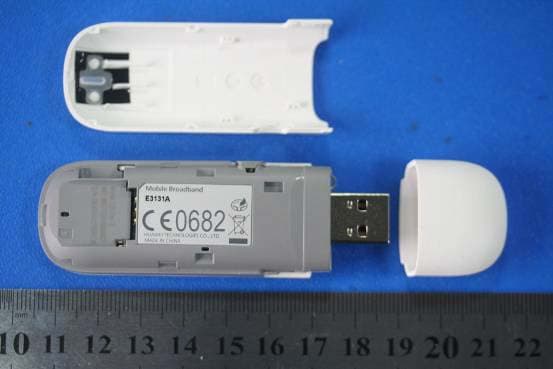
Click to zoom
Application Details
- Equipment Class
- PCB - PCS Licensed Transmitter
- Date of Grant
- Apr 24, 2012
- Application Purpose
- Original Equipment
- Date of Application
- Apr 24, 2012
- Equipment Note
- HSPA USB Stick
- Frequency Range
- 1852.40000000 - 1907.60000000
- Company
- Huawei Technologies Co.,Ltd
- Country
- China
Documents & Files
Document Text
Text extracted from the exhibit documents filed with the FCC. Open a document above to read the original.
Users Manual
Thank you for choosing the Mobile Broadband USB Stick. With your USB Stick, you can access a wireless network at high speed. Note: This manual describes the appearance of the USB Stick, as well as the procedures for preparation, installation, and removal. For operation details about the management program, see the online help included in the management program. Getting to Know Your USB Stick The following figure shows the appearance of the USB Stick. It is provided only for your reference. The actual product may be different. 1 4 5 6 3 2 2 USB Connector It connects the USB Stick to a PC. Strap Hole You can tie the cap and the USB Stick together by threading a strap through the strap holes, so that the cap will not be easily lost. RF Output Power Port It connects an RF cable to the USB Stick for RF tests. Indicator It indicates the status of the USB Stick. Green, blinking twice every 3s: The USB Stick is powered on. Green, blinking once every 3s: The USB Stick is registering with a 2G network. Blue, blinking once every 3s: The USB Stick is registering with a 3G/3G+ network. Green, solid: The USB Stick is connected to a 2G network. Blue, solid: The USB Stick is connected to a 3G network. Cyan, solid: The USB Stick is connected to a 3G+ network. Off: The USB Stick is removed. SIM/USIM Card Slot It holds a Subscriber Identity Module (SIM)/Universal Subscriber Identity Module (USIM) card. microSD Card Slot It holds a microSD card. Getting Your USB Stick Ready 1. Open the front cover to remove it from the USB Stick. 2. Insert the SIM/USIM card and the microSD card into the corresponding card slots, as shown in the following figure. 3. Replace the front cover and click it into place. Note: The microSD card is an optional accessory. If it is not provided in the package, you can buy one yourself. Ensure that the beveled edge of the SIM/USIM card is properly aligned with that of the SIM/USIM card slot and the microSD card is inserted according to the direction as labeled on the microSD card slot. Do not remove the microSD or SIM/USIM card when the card is in use. Otherwise, the card as well as your USB Stick may get damaged and the data stored on the card may be corrupted. Installation/Removal Guide The procedure for installing the management program depends on the operating system (OS) installed on your PC. The following sections take Windows XP as an example. Connecting the USB Stick to a PC Plug the USB Stick into the USB port of your PC. Installing the USB Stick Management Program 1. Connect the USB Stick with the PC. 2. The OS automatically detects and recognizes the new hardware and starts the installation wizard. Note: If the auto-run program does not respond, find the AutoRun.exe file in the driver path. Then double-click AutoRun.exe to run the program. 3. Follow the on-screen instructions of the installation wizard. 4. After the program is installed, a shortcut icon for the management program appears on the desktop. Starting the Management Program After being installed, the management program starts automatically. Then every time the USB Stick is connected to the PC, the management program starts automatically. You can also double-click the shortcut icon on the desktop to start the management program. Removing the USB Stick 1. Double-click in the notification area. Then the Unplug or Eject Hardware di alog box appears. 2. Select the corresponding hardware and then click Stop. 3. When the message "It is safe to remove the device" appears, remove the USB Stick. Uninstalling the Management Program 1. Choose Start > Control Panel > Add or Remove Programs. 2. Find the management program and click Remove to uninstall the management program. Note: Exit the management program before uninstalling it. Version: V100R001_01 Part Number: 31010HRJ
Users Manual
Copyright © Huawei Technologies Co., Ltd. 2011. All rights reserved. No part of this document may be reproduced or transmitted in any form or by any means without prior written consent of Huawei Technologies Co., Ltd. The product described in this manual may include copyrighted software of Huawei Technologies Co., Ltd. and possible licensors. Customers shall not in any manner reproduce, distribute, modify, decompile, disassemble, decrypt, extract, reverse engineer, lease, assign, or sublicense the said software, unless such restrictions are prohibited by applicable laws or such actions are approved by respective copyright holders under licenses. Trademarks and Permissions , , and are trademarks or registered trademarks of Huawei Technologies Co., Ltd. Other trademarks, product, service and company names mentioned are the property of their respective owners. Notice Some features of the product and its accessories described herein rely on the software installed, capacities and settings of local network, and may not be activated or may be limited by local network operators or network service providers, thus the descriptions herein may not exactly match the product or its accessories you purchase. Huawei Technologies Co., Ltd. reserves the right to change or modify any information or specifications contained in this manual without prior notice or obligation. NO WARRANTY THE CONTENTS OF THIS MANUAL ARE PROVIDED “AS IS”. EXCEPT AS REQUIRED BY APPLICABLE LAW S, NO WARRANTIES OF ANY KIND, EITHER EXPRESS OR IMPLIED, INCLUDING BUT NOT LIMITED TO, THE IMPLIED WARRANTIES OF MERCHANTABILITY AND FITNESS FOR A PARTICULAR PURPOSE, ARE MADE IN RELATION TO THE ACCURACY, RELIABILITY OR CONTENTS OF THIS MANUAL. TO THE MAXIMUM EXTENT PERMITTED BY APPLICABLE LAW, IN NO CASE SHALL HUAWEI TECHNOLOGIES CO., LTD. BE LIABLE FOR ANY SPECIAL, INCIDENTAL, INDIRECT, OR CONSEQUENTIAL DAMAGES, OR LOST PROFITS, BUSINESS, REVENUE, DATA, GOODWILL OR ANTICIPATED SAVINGS. Import and Export Regulations Customers shall comply with all applicable export or import laws and regulations and will obtain all necessary governmental permits and licenses in order to export, re-export or import the product mentioned in this manual including the software and technical data therein. Warnings and Precautions This section contains important information pertaining to the operating instructions of your device. It also contains information about how to use your device safely. Read this information carefully before using the device. Electronic Device Do not use your device if using the device is prohibited. Do not use the device when using the device causes danger or interference with electronic devices. Medical Device Follow rules and regulations set forth by hospitals and health care facilities. Do not use your device when using the device is prohibited. Some wireless devices may affect the performance of hearing aids or pacemakers. For any such problems, consult your service provider. If you are using an electronic medical device, consult the doctor or the device manufacturer to confirm whether radio waves affect the operation of this device. Potentially Explosive Atmosphere Do not use your device in any area with a potentially explosive atmosphere, and comply with all signs and instructions. Areas that may have potentially explosive atmospheres include the areas where you would normally be advised to turn off your vehicle engine. Triggering of sparks in such areas could cause an explosion or a fire, resulting in bodily injuries or even deaths. Do not use your device at refueling points such as service stations. Comply with restrictions on the use of radio equipment in fuel depots, storage, and distribution areas, and chemical plants. In addition, adhere to restrictions in areas where blasting operations are in progress. Before using the device, watch out for areas that have potentially explosive atmospheres that are often, but not always, clearly marked. Such locations include areas below the deck on boats, chemical transfer or storage facilities, and areas where the air contains chemicals or particles such as grain, dust, or metal powders. Ask the manufacturers of vehicles using liquefied petroleum gas (such as propane or butane) whether this device can be safely used in their vicinity. Traffic Security Observe local laws and regulations while using the device. To prevent accidents, do not use your wireless device while driving. RF signals may affect electronic systems of motor vehicles. For more information, consult the vehicle manufacturer. In a motor vehicle, do not place the device over the air bag or in the air bag deployment area. Otherwise, the device may hurt you owing to the strong force when the air bag inflates. Do not use your device while flying in an aircraft and before boarding an aircraft. Using wireless devices in an aircraft may cause danger to the operation of the aircraft and disrupt the wireless telephone network. It may also be considered illegal. Operating Environment Do not use the device in dusty, damp, and dirty places or places with magnetic fie lds. Otherwise, it may result in malfunction of the circuit. On a stormy day with thunder, do not use your device when it is being charged, to prevent any danger caused by lightning. While using the device, observe the local laws and regulations, and respect others' privacy and legal rights. Keep the ambient temperature between -10°C to +45°C for using the device. Safety of Children Comply with all precautions with regard to children's safety. Letting the child play with your device or its accessories, which may include parts that can be detached from the device, may be dangerous, as it may present a choking hazard. Ensure that small children are kept away from the device and accessories. Accessories Use the accessories delivered only by the manufacturer. Using accessories of other manufacturers or vendors with this device model may invalidate any ap…
Text truncated - open the document above for the full version.
Attestation Statements
Zur optimalen Anzeige dieses PDF-Portfolios sollte es in Acrobat oder Adobe Reader ab Version 9 geöffnet werden. Adobe Reader jetzt herunterladen
Cover Letter(s)
Huawei Technologies Co., Ltd. Address:Huawei Industrial Base,Bantian Longgang,Shenzhen 518129, P.R China Post ZIP:518129 Page :1/1 To: CETECOM Fax : NULL From:Zhang Xinghai Fax:0086-755-89652518 Tel:0086-755-89651014 Email address: [email protected] Http: www.huawei.com Subject:Letter of Confidentiality Federal Communications Commission 7435 Oakland Mills Road Columbia, MD 21046 Gentlemen: This letter is to comply with the Code of Federal Regulations Title 47 Section 0.457 and 0.459 pertaining to confidential material. Huawei Technologies Co., Ltd. would like the following documents regarding this submission for FCC ID: QISE3131AS-6 to be kept confidential: 1. Schematic diagram . 2. Block Diagram. 3. Parts list (BOM) Information. 4. Operational description. 5. Tune-up procedure The above material contains trade secrets or technical data, which would customarily be guarded from competitors. We do not want these documents to be accessible to the general public. Sincerely, For and Behalf of: Huawei Technologies Co., Ltd. Zhang Xinghai EMC Laboratory Manager
Cover Letter(s)
Federal Communication Commission Equipment Authorization Division, Application Processing Branch 7435 Oakland Mills Road Columbia, MD 21048 TO WHOM IT MAY CONCERN Hereby we requests to supersede the follow exhibits FCC ID: QISE3131AS-6 Exhibit Type: Description: Test Report RF Test Report Reason: The model number of the RF test reports is E303Es-6, but in fact the model number is E303Ms-6, it’s incorrect. S o we need upload the modified RF reports. If you have any questions, please feel free to contact us at the address shown below Sincerely, For and Behalf of: Huawei Technologies Co., Ltd. Zhang Xinghai EMC Laboratory Manager
External Photos
E3131As-6 SECRET Page1, Total5 External Photos of E3131As-6 E3131As-6 SECRET Page2, Total5 E3131As-6 SECRET Page3, Total5 E3131As-6 SECRET Page4, Total5 E3131As-6 SECRET Page5, Total5
ID Label/Location Info
E3131As-6 SECRET Page 1 Total 1 ID Label E3131As-6 :
ID Label/Location Info
E3131As-6 SECRET Page 1 Total 1 ID Label Location_ E3131As-6
Internal Photos
E3131As-6 SECRET Page1, Total3 Internal Photos of E3131As-6 E3131As-6 SECRET Page2, Total3 E3131As-6 SECRET Page3, Total3
RF Exposure Info
Huawei Base, Bantian, Longgang District, Shenzhen 518129, P.R. China Tel: +86 755 28785513 Fax: +86 755 36834474 FCC SAR Compliance Test Report Project Name: _______________________ Model : _______________________ FCC ID : _______________________ Report No. : _______________________ APPROVED CHECKED PREPARED BY DATE 2012-03-19 2012-03-19 2012-03-19 The test results of this test report relate exclusively to the item(s) tested , The HUAWEI does not assume responsibility for any conclusions and generalisations drawn from the test results with regard to other specimens or samples of the type of the equipment represented by the test item. The test report may only be reproduced or published in full. Reproduction or publication of extracts from the report requires the prior written approval of HUAWEI. Reliability Laboratory of Huawei Technologies Co., Ltd. HSPA USB Stick E303Ms-6 SYBH(Z-SAR)010032012-2 QISE303MS-6 Report No.: SYBH(Z-SAR)010032012-2 FCC ID: QISE303MS-6 2012-03-19 Page 2 of 31 Table of Contents 1 General Information ............................................................................................................................................................ 4 1.1 Statement of Compliance .......................................................................................................................................... 4 1.2 RF exposure limits...................................................................................................................................................... 4 1.3 EUT Description ......................................................................................................................................................... 5 1.3.1 General Description ........................................................................................................................................... 5 1.4 Test specification(s) .................................................................................................................................................. 6 1.5 Testing laboratory ....................................................................................................................................................... 6 1.6 Applicant and Manufacturer ...................................................................................................................................... 6 1.7 Application details ...................................................................................................................................................... 6 1.8 Ambient Condition ..................................................................................................................................................... 6 2 SAR Measurement System ............................................................................................................................................. 7 2.1 SAR Measurement Set-up ....................................................................................................................................... 7 2.2 Test environment ........................................................................................................................................................ 8 2.3 Data Acquisition Electronics description ................................................................................................................ 8 2.4 Probe description ....................................................................................................................................................... 9 2.5 Phantom description ................................................................................................................................................ 10 2.6 Device holder description ........................................................................................................................................ 10 2.7 Test Equipment List ................................................................................................................................................. 11 3 SAR Measurement Procedure ...................................................................................................................................... 12 3.1 Scanning procedure ................................................................................................................................................. 12 3.2 Spatial Peak SAR Evaluation ................................................................................................................................. 13 3.3 Data Storage and Evaluation .................................................................................................................................. 14 4 System Verification Procedure ........................................................................................................................................ 16 4.1 Tissue Verification .................................................................................................................................................... 16 4.2 System Check ........................................................................................................................................................... 18 4.3 Validation Procedure................................................................................................................................................ 18 5 Measurement Uncertainty Evaluation .......................................................................................................................... 19 5.1 Measurement uncertainty evaluation for SAR test .............................................................................................. 19 5.2 Measurement uncertainty evaluation for system validation ............................................................................... 20 6 SAR Test Configuration ..................................…
Text truncated - open the document above for the full version.
RF Exposure Info
Report No.: SYBH(Z-SAR)010032012-2 FCC ID: QISE303MS-6 Appendix A. System Check Plots Table of contens SystemPerformanceCheck-D835-EX-Body SystemPerformanceCheck-D1900-EX-Body Date/Time: 2012-3-14 11:36:59 Test Laboratory: HUAWEI SAR Lab SystemPerformanceCheck-D835-EX-Body DUT: Dipole 835 MHz D835V2; Type: D835V2; Serial: D835V2 - SN:4d126 Communication System: CW; Frequency: 835 MHz Medium parameters used: f = 835 MHz; σ = 0.99 mho/m; ε r = 53.721; ρ = 1000 kg/m 3 Phantom section: Flat Section DASY Configuration: lProbe: EX3DV4 - SN3736; ConvF(8.98, 8.98, 8.98); Calibrated: 2011-11-23 lSensor-Surface: 4mm (Mechanical Surface Detection), z = 1.0, 31.0 lElectronics: DAE4 Sn852; Calibrated: 2011-11-16 lPhantom: SAM3; Type: SAM; Serial: TP-1597 lDASY52 52.8.0(692); SEMCAD X 14.6.4(4989) Configuration/d=15mm,pin=250mW/Area Scan (5x13x1): Measurement grid: dx=15mm, dy=15mm Maximum value of SAR (measured) = 2.514 mW/g Configuration/d=15mm,pin=250mW/Zoom Scan (7x7x7)/Cube 0: Measurement grid: dx=5mm, dy=5mm, dz=5mm Reference Value = 46.878 V/m; Power Drift = 0.04 dB Peak SAR (extrapolated) = 3.8410 SAR(1 g) = 2.57 mW/g; SAR(10 g) = 1.68 mW/g Maximum value of SAR (measured) = 2.766 mW/g 0 dB = 2.770mW/g = 8.85 dB mW/g Date/Time: 2012-3-12 17:29:30 Test Laboratory: HUAWEI SAR Lab SystemPerformanceCheck-D1900-EX-Body DUT: Dipole 1900 MHz D1900V2; Type: D1900V2; Serial: D1900V2 - SN:5d143 Communication System: CW; Frequency: 1900 MHz Medium parameters used: f = 1900 MHz; σ = 1.528 mho/m; ε r = 52.406; ρ = 1000 kg/m 3 Phantom section: Flat Section DASY Configuration: lProbe: EX3DV4 - SN3736; ConvF(7.26, 7.26, 7.26); Calibrated: 2011-11-23 lSensor-Surface: 4mm (Mechanical Surface Detection), z = 1.0, 31.0 lElectronics: DAE4 Sn852; Calibrated: 2011-11-16 lPhantom: SAM4; Type: SAM; Serial: TP-1620 lDASY52 52.8.0(692); SEMCAD X 14.6.4(4989) Configuration/d=10mm, Pin=250mW/Area Scan (5x8x1): Measurement grid: dx=15mm, dy=15mm Maximum value of SAR (measured) = 10.946 mW/g Configuration/d=10mm, Pin=250mW/Zoom Scan (7x7x7) (7x7x7)/Cube 0: Measurement grid: dx=5mm, dy=5mm, dz=5mm Reference Value = 86.704 V/m; Power Drift = -0.02 dB Peak SAR (extrapolated) = 18.7780 SAR(1 g) = 10.1 mW/g; SAR(10 g) = 5.18 mW/g Maximum value of SAR (measured) = 11.476 mW/g 0 dB = 11.480mW/g = 21.20 dB mW/g
RF Exposure Info
Report No.: SYBH(Z-SAR)010032012-2 FCC ID: QISE303MS-6 Appendix B. SAR Measurement Plots Table of contents GSM 850Hz Body GSM 1900MHz Body WCDMA 850MHz Body WCDMA 1900MHz Body Date/Time: 2012-3-14 12:19:46 Test Laboratory: HUAWEI SAR Lab E303Ms-6 GSM850 GPRS 1TS 190CH Front side 5mm DUT: E303Ms-6; Type: HSPA USB Stick; Serial: SAR1 Communication System: HW-GSM\GPRS\EGPRS-1TS; Frequency: 836.6 MHz Medium parameters used: f = 837 MHz; σ = 0.989 mho/m; ε r = 53.725; ρ = 1000 kg/m 3 Phantom section: Flat Section DASY Configuration: lProbe: EX3DV4 - SN3736; ConvF(8.98, 8.98, 8.98); Calibrated: 2011-11-23 lSensor-Surface: 4mm (Mechanical Surface Detection), z = 1.0, 31.0 lElectronics: DAE4 Sn852; Calibrated: 2011-11-16 lPhantom: SAM3; Type: SAM; Serial: TP-1597 lDASY52 52.8.0(692); SEMCAD X 14.6.4(4989) Configuration/Body/Area Scan (6x10x1): Measurement grid: dx=15mm, dy=15mm Maximum value of SAR (measured) = 0.677 mW/g Configuration/Body/Zoom Scan (7x7x7)/Cube 0: Measurement grid: dx=5mm, dy=5mm, dz=5mm Reference Value = 3.731 V/m; Power Drift = 0.15 dB Peak SAR (extrapolated) = 1.1100 SAR(1 g) = 0.721 mW/g; SAR(10 g) = 0.445 mW/g Maximum value of SAR (measured) = 0.787 mW/g 0 dB = 0.790mW/g = -2.05 dB mW/g Date/Time: 2012-3-14 13:02:24 Test Laboratory: HUAWEI SAR Lab E303Ms-6 GSM850 GPRS 2TS 190CH Front side 5mm DUT: E303Ms-6; Type: HSPA USB Stick; Serial: SAR1 Communication System: HW-GSM\GPRS\EGPRS-2TS; Frequency: 836.6 MHz Medium parameters used: f = 837 MHz; σ = 0.989 mho/m; ε r = 53.725; ρ = 1000 kg/m 3 Phantom section: Flat Section DASY Configuration: lProbe: EX3DV4 - SN3736; ConvF(8.98, 8.98, 8.98); Calibrated: 2011-11-23 lSensor-Surface: 4mm (Mechanical Surface Detection), z = 1.0, 31.0 lElectronics: DAE4 Sn852; Calibrated: 2011-11-16 lPhantom: SAM3; Type: SAM; Serial: TP-1597 lDASY52 52.8.0(692); SEMCAD X 14.6.4(4989) Configuration/Body/Area Scan (6x10x1): Measurement grid: dx=15mm, dy=15mm Maximum value of SAR (measured) = 0.659 mW/g Configuration/Body/Zoom Scan (7x7x7)/Cube 0: Measurement grid: dx=5mm, dy=5mm, dz=5mm Reference Value = 4.116 V/m; Power Drift = -0.08 dB Peak SAR (extrapolated) = 1.1170 SAR(1 g) = 0.708 mW/g; SAR(10 g) = 0.440 mW/g Maximum value of SAR (measured) = 0.773 mW/g 0 dB = 0.770mW/g = -2.27 dB mW/g Date/Time: 2012-3-14 14:14:37 Test Laboratory: HUAWEI SAR Lab E303Ms-6 GSM850 GPRS 3TS 190CH Front side 5mm DUT: E303Ms-6; Type: HSPA USB Stick; Serial: SAR1 Communication System: HW-GSM\GPRS\EGPRS-3TS; Frequency: 836.6 MHz Medium parameters used: f = 837 MHz; σ = 0.989 mho/m; ε r = 53.725; ρ = 1000 kg/m 3 Phantom section: Flat Section DASY Configuration: lProbe: EX3DV4 - SN3736; ConvF(8.98, 8.98, 8.98); Calibrated: 2011-11-23 lSensor-Surface: 4mm (Mechanical Surface Detection), z = 1.0, 31.0 lElectronics: DAE4 Sn852; Calibrated: 2011-11-16 lPhantom: SAM3; Type: SAM; Serial: TP-1597 lDASY52 52.8.0(692); SEMCAD X 14.6.4(4989) Configuration/Body/Area Scan (6x10x1): Measurement grid: dx=15mm, dy=15mm Maximum value of SAR (measured) = 0.723 mW/g Configuration/Body/Zoom Scan (7x7x7)/Cube 0: Measurement grid: dx=5mm, dy=5mm, dz=5mm Reference Value = 4.320 V/m; Power Drift = 0.07 dB Peak SAR (extrapolated) = 1.2290 SAR(1 g) = 0.785 mW/g; SAR(10 g) = 0.486 mW/g Maximum value of SAR (measured) = 0.856 mW/g 0 dB = 0.860mW/g = -1.31 dB mW/g Date/Time: 2012-3-14 14:37:55 Test Laboratory: HUAWEI SAR Lab E303Ms-6 GSM850 GPRS 4TS 190CH Front side 5mm DUT: E303Ms-6; Type: HSPA USB Stick; Serial: SAR1 Communication System: HW-GSM\GPRS\EGPRS-4TS; Frequency: 836.6 MHz Medium parameters used: f = 837 MHz; σ = 0.989 mho/m; ε r = 53.725; ρ = 1000 kg/m 3 Phantom section: Flat Section DASY Configuration: lProbe: EX3DV4 - SN3736; ConvF(8.98, 8.98, 8.98); Calibrated: 2011-11-23 lSensor-Surface: 4mm (Mechanical Surface Detection), z = 1.0, 31.0 lElectronics: DAE4 Sn852; Calibrated: 2011-11-16 lPhantom: SAM3; Type: SAM; Serial: TP-1597 lDASY52 52.8.0(692); SEMCAD X 14.6.4(4989) Configuration/Body/Area Scan (6x10x1): Measurement grid: dx=15mm, dy=15mm Maximum value of SAR (measured) = 0.730 mW/g Configuration/Body/Zoom Scan (7x7x7)/Cube 0: Measurement grid: dx=5mm, dy=5mm, dz=5mm Reference Value = 4.392 V/m; Power Drift = 0.04 dB Peak SAR (extrapolated) = 1.2450 SAR(1 g) = 0.794 mW/g; SAR(10 g) = 0.491 mW/g Maximum value of SAR (measured) = 0.865 mW/g 0 dB = 0.860mW/g = -1.31 dB mW/g Date/Time: 2012-3-14 15:50:02 Test Laboratory: HUAWEI SAR Lab E303Ms-6 GSM850 GPRS 4TS 190CH Rear side 5mm DUT: E303Ms-6; Type: HSPA USB Stick; Serial: SAR1 Communication System: HW-GSM\GPRS\EGPRS-4TS; Frequency: 836.6 MHz Medium parameters used: f = 837 MHz; σ = 0.989 mho/m; ε r = 53.725; ρ = 1000 kg/m 3 Phantom section: Flat Section DASY Configuration: lProbe: EX3DV4 - SN3736; ConvF(8.98, 8.98, 8.98); Calibrated: 2011-11-23 lSensor-Surface: 4mm (Mechanical Surface Detection), z = 1.0, 31.0 lElectronics: DAE4 Sn852; Calibrated: 2011-11-16 lPhantom: SAM3; Type: SAM; Serial: TP-1597 lDASY52 52.8.0(692); SEMCAD X 14.6.4(4989) Configuration/Body/Area Scan (6x10x1): Measurement grid: dx=15mm, dy=15mm Maximum value of SAR (measured) = 0.783 mW/g Configuration/Body/Zoom Scan (7x7x7)/Cube 0: Measurement grid: dx=5mm, dy=5mm, dz=5mm Reference Value = 24.105 V/m; Power Drift = 0.01 dB Peak SAR (extrapolated) = 1.2780 SAR(1 g) = 0.798 mW/g; SAR(10 g) = 0.480 mW/g Maximum value of SAR (measured) = 0.876 mW/g 0 dB = 0.880mW/g = -1.11 dB mW/g Date/Time: 2012-3-14 18:39:50 Test Laboratory: HUAWEI SAR Lab E303Ms-6 GSM850 GPRS 4TS 190CH Left side 5mm DUT: E303Ms-6; Type: HSPA USB Stick; Serial: SAR1 Communication System: HW-GSM\GPRS\EGPRS-4TS; Frequency: 836.6 MHz Medium parameters used: f = 837 MHz; σ = 0.989 mho/m; ε r = 53.725; ρ = 1000 kg/m 3 Phantom section: Flat Section DASY Configuration: lProbe: EX3DV4 - SN3736; ConvF(8.98, 8.98, 8.98); Calibrated: 2011-11-23 lSensor-Surface: 4mm (Mechanical Surface Detection), z = 1.0, 31.0 lElectronics: DAE4 Sn852; Calibrated: 2011-11-16 lPhantom: SAM3; Type: SAM; Serial: TP-1597 lDAS…
Text truncated - open the document above for the full version.
RF Exposure Info
Report No.: SYBH(Z-SAR)010032012-2 FCC ID:QISE303MS-6 Appendix C. Calibration Certificate Table of contends Calibration report “DAE4-SN852” Calibration report “Probe EX3DV4-SN3736” Calibration report “D835-SN4d126” Calibration report “D1900-SN5d143”
RF Exposure Info
Report No.: SYBH(Z-SAR)010032012-2 FCC ID: QISE303MS-6 Appendix D. Photo documentation Table of contens Test Facility Test Positions Liquid depth Test Facility Photo 1: Measurement System DASY 5 Test Positions Photo 2: Front View Photo 3: Rear View Photo 4: Front Side 5mm Photo 5: Rear Side 5mm Photo 6: Left Side 5mm Photo 7: Right Side 5mm Liquid depth Photo 8: MSL835depth (15.20cm) Photo 9: MSL1950MHz depth (15.10cm)
Test Report
FCC Test Report of E303Ms-6 FCC ID: QISE303MS-6 Report No: SYBH(Z-RF)014032012-2001 Confidential Information of Huawei. No Distribution without Written Permission Page1, Total3 Appendix A Transmitter Output Power According to FCC Part 2.1046 & Part22.913 FCC Test Report of E303Ms-6 FCC ID: QISE303MS-6 Report No: SYBH(Z-RF)014032012-2001 Confidential Information of Huawei. No Distribution without Written Permission Page2, Total3 Conducted Power of Transmitter RF Output Power (Conducted) TEST CONDITIONS Channel128(B) Channel192(M) Channel251(T) 824.2MHz 837.0MHz 848.8MHz dBm dBm dBm T nom / V nom Measured Limit Measured Limit Measured Limit TM1 32.18 38.5 32.15 38.5 32.01 38.5 TM2 26.17 38.5 26.24 38.5 26.08 38.5 TEST CONDITIONS Channel4132(B) Channel4182(M) Channel4233(T) 826.4MHz 836.4MHz 846.6MHz dBm dBm dBm T nom / V nom Measured Limit Measured Limit Measured Limit TM3 21.69 38.5 21.60 38.5 21.58 38.5 TM4 Case1 21.76 38.5 21.55 38.5 21.52 38.5 Case2 21.71 38.5 21.39 38.5 21.48 38.5 Case3 21.47 38.5 21.19 38.5 21.26 38.5 Case4 21.01 38.5 20.75 38.5 20.98 38.5 TM5 Case1 21.31 38.5 21.11 38.5 21.13 38.5 Case2 19.92 38.5 19.67 38.5 19.72 38.5 Case3 20.67 38.5 20.42 38.5 20.35 38.5 Case4 19.83 38.5 19.64 38.5 19.58 38.5 Case5 21.37 38.5 21.63 38.5 21.17 38.5 FCC Test Report of E303Ms-6 FCC ID: QISE303MS-6 Report No: SYBH(Z-RF)014032012-2001 Confidential Information of Huawei. No Distribution without Written Permission Page3, Total3 Effective Radiated Power of Transmitter (ERP) Test Mod e Freq. [MHz] Meas. Level [dBm] Substitutio n Antenna Type SGP [dBm ] Substitutio n Gain [dBi] Cabl e Loss [dB] Substitutio n Level (ERP) FCC limit [dBm ] Resul t [dBm] TM1 824.2 31.70 Dipole Ant. 35.08 -2.75 0.6 31.73 38.5 Pass TM1 837.0 31.67 Dipole Ant. 35.18 -2.87 0.6 31.71 38.5 Pass TM1 848.8 31.53 Dipole Ant. 34.93 -2.85 0.6 31.48 38.5 Pass TM2 824.2 25.69 Dipole Ant. 29.05 -2.75 0.6 25.70 38.5 Pass TM2 837.0 25.76 Dipole Ant. 29.29 -2.87 0.6 25.82 38.5 Pass TM2 848.8 25.60 Dipole Ant. 29.02 -2.85 0.6 25.57 38.5 Pass TM3 826.4 21.21 Dipole Ant. 24.59 -2.75 0.6 21.24 38.5 Pass TM3 836.4 21.12 Dipole Ant. 24.57 -2.87 0.6 21.10 38.5 Pass TM3 846.6 21.10 Dipole Ant. 24.52 -2.85 0.6 21.07 38.5 Pass Note: a, For getting the ERP (Efficient Radiated Power) in substitution method, the following formula should take to calculate it, ERP [dBm] = SGP [dBm] – Cable Loss [dB] + Gain [dBi] b, SGP=Signal Generator Level ---------------------The END------------------ FCC Test Report of E303Ms-6 FCC ID: QISE303MS-6 Report No: SYBH(Z-RF)014032012-2001 Confidential Information of Huawei. No Distribution without Permission Page1, Total4 Appendix B Modulation Characteristics According to FCC Part 2.1047 & Part22 Subpart H FCC Test Report of E303Ms-6 FCC ID: QISE303MS-6 Report No: SYBH(Z-RF)014032012-2001 Confidential Information of Huawei. No Distribution without Permission Page2, Total4 Channel 192(TM1:GPR…
Text truncated - open the document above for the full version.
Contact Information
Applicant
Zhang Xinghai
Test Firm
Huawei Technologies Co., LTDZhou Fengyum
Technical Specifications
| # | Rule Parts | Frequency Range | Power Output | Emission | Tolerance |
|---|---|---|---|---|---|
| 6 | 24E | 1.85 GHz - 1.91 GHz | 360.00 mW | 4M20F9W | 0.01 ppm |
Other Applications from Huawei Technologies Co.,Ltd
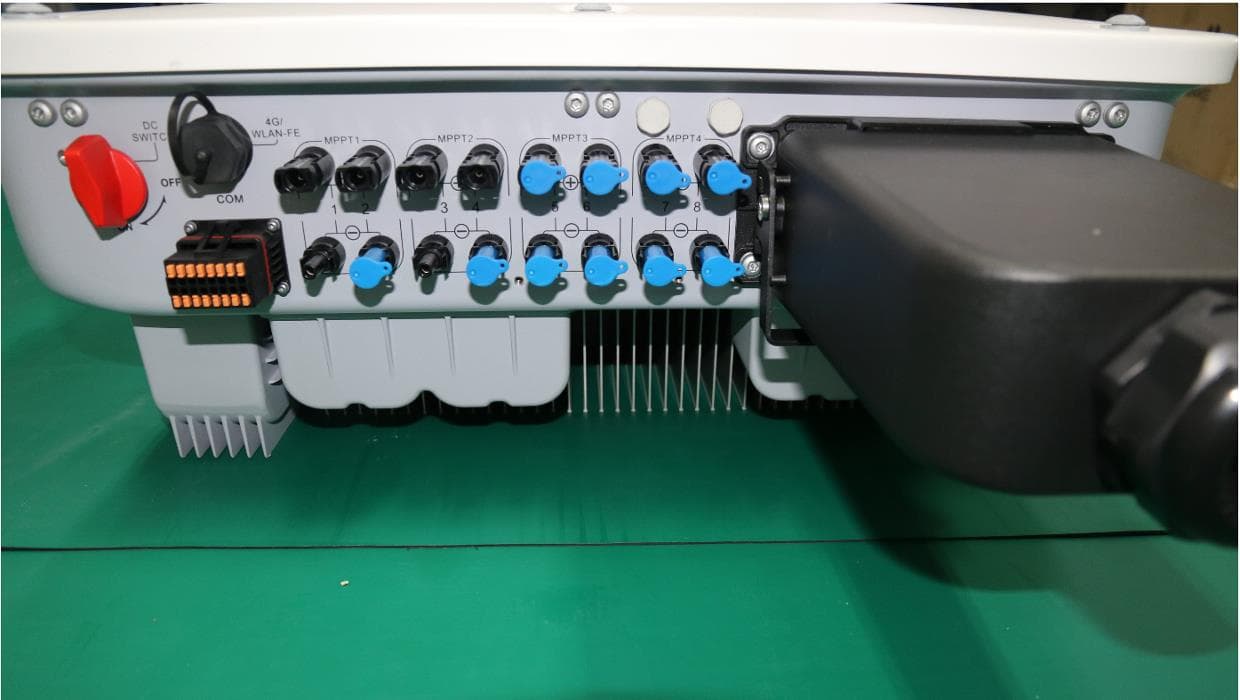
QISSUN2000
Jun 27, 2021Solar Inverter
Equipment Class
DTS - Digital Transmission System
QISCP81-1
Oct 22, 2020Watch Wireless Charger
Equipment Class
DCD - Part 15 Low Power Transmitter Below 1705 kHz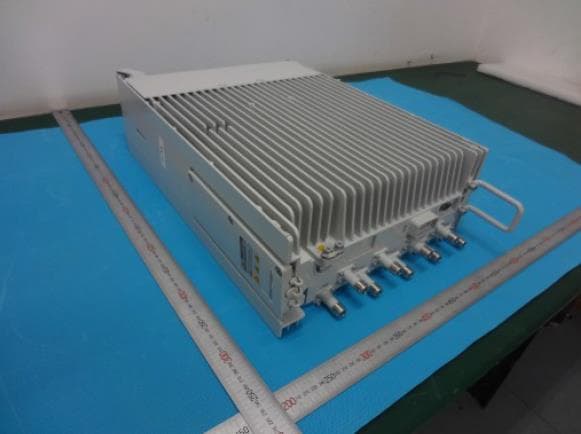
QISRRU3278
Sep 02, 2020Remote Radio Unit
Equipment Class
CBD - Citizens Band Category A and B Devices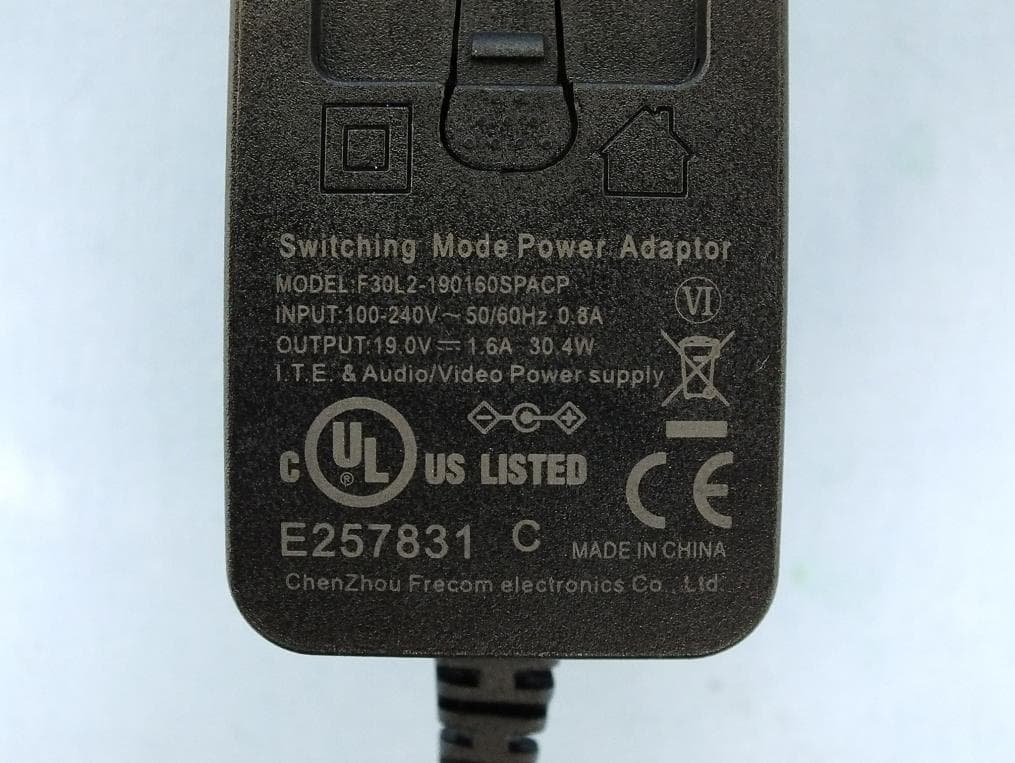
QISR2561
Jul 11, 2020Indoor Router
Equipment Class
DTS - Digital Transmission System
QISSMARTLOGGER310
Mar 23, 2020Solar Smart Monitor & Data Logger
Equipment Class
DTS - Digital Transmission System