QISE8231S-81Wingle
Huawei Technologies Co.,Ltd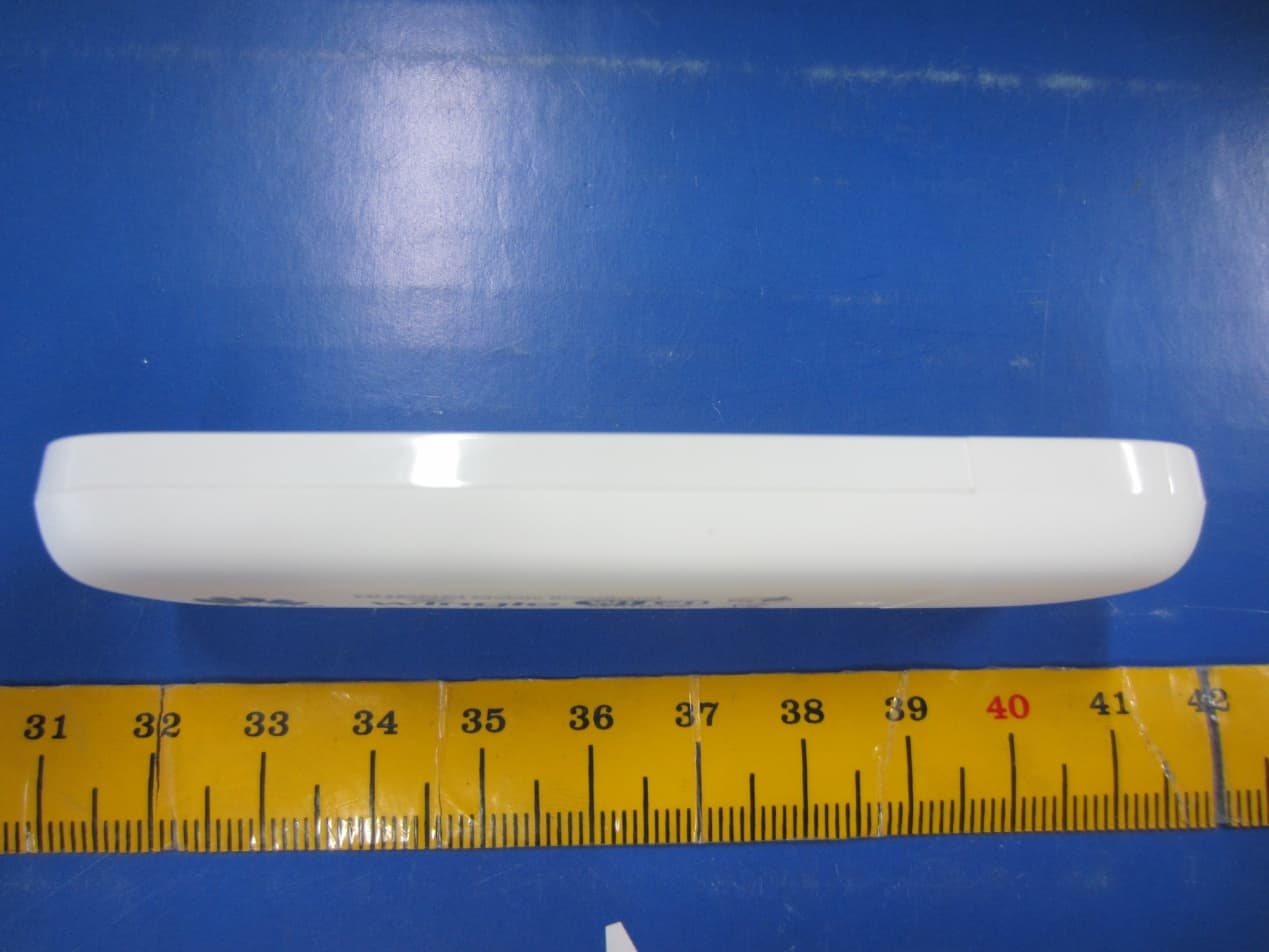
Click to zoom
Application Details
- Equipment Class
- PCB - PCS Licensed Transmitter
- Date of Grant
- Mar 10, 2015
- Application Purpose
- Original Equipment
- Date of Application
- Mar 10, 2015
- Equipment Note
- Wingle
- Frequency Range
- 1852.40000000 - 1907.60000000
- Company
- Huawei Technologies Co.,Ltd
- Country
- China
Documents & Files
Document Text
Text extracted from the exhibit documents filed with the FCC. Open a document above to read the original.
Users Manual
Quick Start Thank you for choosing the Wingle. The Wingle allows you to access a wireless network at high speed. Note: This guide briefly describes the appearance of the Wingle and the procedures for using the Wingle. For details about how to set the management parameters, see help information on the web management page. Connection Scenarios Scenario 1: One-device Internet access using computer Scenario 2: Multi-device Internet access using WiFi (connected to a computer) Scenario 3: Multi-device Internet access using WiFi (connected to the power adapter) Getting to Know Your Wingle The following figure shows the Wingle. It is provided only for your reference. The actual product may be different. 1 2 3 4 USB connector It connects the Wingle to a computer. WiFi indicator It indicates the status of a WiFi network. Steady green: A Wi-Fi connection is set up. Off: The Wi-Fi function is turned off or fails, or the Wingle has been removed. 2G/3G indicator It indicates the Wingle's status. Blinking green twice every 2 seconds: The Wingle is powered on, but is not registered with a network. Blinking green once every 0.2 second: The Wingle's software is being upgraded. Blinking green once every 2 seconds: The Wingle is registering with a 2G network. Blinking blue once every 2 seconds: The Wingle is registering with a 3G network. Steady green: The Wingle is connected to a 2G network. Steady blue: The Wingle is connected to a 3G network. Steady cyan: The Wingle is connected to a 3G+ network. Off: The Wingle is powered off. SIM card slot It holds a Subscriber Identity Module (SIM) card. Getting Started Installing the SIM Card 1. Slide the cover off. 2. Insert the SIM card into the card slot. 3. Slide the cover back onto the Wingle until it snaps into place. Note: When installing the SIM card, ensure that the beveled edge of the SIM card aligns with that of the SIM card slot. Do not remove the SIM card when the card is in use. Otherwise, the card and your Wingle may be damaged and the data stored on the card may be corrupted. Do not use any SIM card that is not standard or is incompatible with the Wingle. Otherwise, the card as well as your Wingle may get damaged and the data stored on the card may be corrupted. Using the P ow er Adapter Connect the Wingle to the power adapter's USB port, and connect the power adapter to a power outlet. Note: Only use power adapters compatible with the Wingle and provided by a designated manufacturer (HW-050100xxW: The first x represents U, E, B, A, or J, depending on your region. The second x represents generation number.). For details about the specific adapter model, contact an authorized dealer. Use of an incompatible power adapter or one from an unknown manufacturer may cause the Wingle to malfunction, fail, or could even cause a fire. Such use voids all warranties, whether expressed or implied, on the product. The power adapter is an optional accessory. If it is not included in the product package, purchase one separately. Using Your Wingle The procedure for installing the management program depends on your computer's operating system. The following sections are based on Windows 7. Connecting to a 2G/3G N etw ork 1. Connect the Wingle to one of your computer's USB ports. The installation wizard runs automatically. 2. When the installation is complete, the Wingle's web management page is displayed and the Wingle connects to the network automatically. The Wingle's web management page will be automatically displayed every time the Wingle is inserted into the computer. Note: If the installation wizard does not run automatically, find the AutoRun.exe file in the driver path, and double-click the file to run it. The default user name and password are admin. If your SIM card's personal identification number (PIN) verification function is enabled, log in to the web management page, and enter and save the PIN. If you are not using the default access point name (APN), log in to the web management page, and configure and save the APN settings on the dial-up settings tab. When using the Wingle to access a 2G/3G network, do not use other devices to access the network, because doing so may cause conflicts. If you are not connected to the network, access http://192.168.8.1 to check the device status. If you cannot access http://192.168.8.1, disconnect other network connections, such as an Ethernet or Wireless Fidelity (WiFi) connection, remove and then insert the Wingle, or restart the computer. Disconnecting from a 2G/3G Netw ork Remove the Wingle from your computer. Note: By default, the Wingle automatically disconnects from the network if no data is transferred within 10 minutes. If you do not need to connect to the network, it is recommended that you remove the Wingle from your computer to reduce data traffic. Disconnect the Wingle's dial-up connection through its web management page or the Mobile Control application. Before you remove the Wingle, make sure that the dial-up connection has been disconnected. Setting Up a WiFi Connection 1. Ensure that the Wingle's WiFi function is on. 2. Select Start > Control Panel > Network and Internet > Network and Sharing Center > Connect to a network. Note: Before establishing a WiFi connection, ensure that the computer is equipped with a wireless network adapter. If the computer indicates a wireless network connection, the wireless network adapter can be used. Otherwise, verify that your wireless network adapter is working properly. 3. Select the wireless network connection with the Wingle's SSID and click Connect. Note: If a security mechanism is enabled for the wireless network connection, enter the correct network key. The SSID and the network key are printed on the Wingle, as shown in the following figure. xxxxxxxxxxxxxx xxxxxxxxxxxxxx xxxxxxxxxxxxxx xxxxxxxxxxxxxx xxxxxxxxxxxxxx xxxxxxxxxxxxxx xxxxxxxxxxxxxx xxxxxxxxxxxxxx xxxxxxxxxxxxxx xxxxxxxxxxxxxx xxxxxxxxxxxxxx …
Text truncated - open the document above for the full version.
Users Manual
Safety Information Copyright © Huawei Technologies Co., Ltd. 2015. All rights reserved. No part of this manual may be reproduced or transmitted in any form or by any means without prior written consent of Huawei Technologies Co., Ltd. and its affiliates ("Huawei"). The product described in this manual may include copyrighted software of Huawei and possible licensors. Customers shall not in any manner reproduce, distribute, modify, decompile, disassemble, decrypt, extract, reverse engineer, lease, assign, or sublicense the said software, unless such restrictions are prohibited by applicable laws or such actions are approved by respective copyright holders. Trademarks and Permissions , , and are trademarks or registered trademarks of Huawei Technologies Co., Ltd. Other trademarks, product, service and company names mentioned may be the property of their respective owners. Notice Some features of the product and its accessories described herein rely on the software installed, capacities and settings of local network, and therefore may not be activated or may be limited by local network operators or network service providers. Thus, the descriptions herein may not exactly match the product or its accessories which you purchase. Huawei reserves the right to change or modify any information or specifications contained in this manual without prior notice and without any liability. DISCLAIMER ALL CONTENTS OF THIS MANUAL ARE PROVIDED "AS IS". EXCEPT AS REQUIRED BY APPLICABLE LAWS, NO WARRANTIES OF ANY KIND, EITHER EXPRESS OR IMPLIED, INCLUDING BUT NOT LIMITED TO, THE IMPLIED WARRANTIES OF MERCHANTABILITY AND FITNESS FOR A PARTICULAR PURPOSE, ARE MADE IN RELATION TO THE ACCURACY, RELIABILITY OR CONTENTS OF THIS MANUAL. TO THE MAXIMUM EXTENT PERMITTED BY APPLICABLE LAW, IN NO EVENT SHALL HUAWEI BE LIABLE FOR ANY SPECIAL, INCIDENTAL, INDIRECT, OR CONSEQUENTIAL DAMAGES, OR LOSS OF PROFITS, BUSINESS, REVENUE, DATA, GOODWILL SAVINGS OR ANTICIPATED SAVINGS REGARDLESS OF WHETHER SUCH LOSSES ARE FORSEEABLE OR NOT. THE MAXIMUM LIABILITY (THIS LIMITATION SHALL NOT APPLY TO LIABILITY FOR PERSONAL INJURY TO THE EXTENT APPLICABLE LAW PROHIBITS SUCH A LIMITATION) OF HUAWEI ARISING FROM THE USE OF THE PRODUCT DESCRIBED IN THIS MANUAL SHALL BE LIMITED TO THE AMOUNT PAID BY CUSTOMERS FOR THE PURCHASE OF THIS PRODUCT. Import and Export Regulations Customers shall comply with all applicable export or import laws and regulations and be responsible to obtain all necessary governmental permits and licenses in order to export, re-export or import the product mentioned in this manual including the software and technical data therein. Privacy Policy To better understand how we protect your personal information, please see the privacy policy at http://consumer.huawei.com/privacy-policy. Safety information This section contains important information about the operation of your device. It also contains information about how to use the device safely. Read this information carefully before using your device. Electronic device Do not use your device if using the device is prohibited. Do not use the device if doing so causes danger or interference with other electronic devices. Interference with medical equipment Follow rules and regulations set forth by hospitals and health care facilities. Do not use your device where prohibited. Some wireless devices may affect the performance of hearing aids or pacemakers. Consult your service provider for more information. Pacemaker manufacturers recommend that a minimum distance of 15 cm be maintained between a device and a pacemaker to prevent potential interference with the pacemaker. If using a pacemaker, hold the device on the side opposite the pacemaker and do not carry the device in your front pocket. Areas with flammables and explosives Do not use the device where flammables or explosives are stored (in a gas station, oil depot, or chemical plant, for example). Using your device in these environments increases the risk of explosion or fire. In addition, follow the instructions indicated in text or symbols. Do not store or transport the device in containers with flammable liquids, gases, or explosives. Traffic security Observe local laws and regulations while using the device. To reduce the risk of accidents, do not use your wireless device while driving. Concentrate on driving. Your first responsibility is to drive safely. RF signals may affect the electronic systems of motor vehicles. For more information, consult the vehicle manufacturer. Do not place the device over the air bag or in the air bag deployment area in a motor vehicle. Doing so may hurt you because of the strong force when the air bag inflates. Do not use your device while flying in an aircraft or immediately before boarding. Using wireless devices in an aircraft may disrupt wireless networks, present a hazard to aircraft operation, or be illegal. Operating environment Avoid dusty, damp, or dirty environments. Avoid magnetic fields. Using the device in these environments may result in circuit malfunctions. Do not use your device during thunderstorms to protect your device against any danger caused by lightning. Ideal operating temperatures are -10°C to +45°C. Ideal storage temperatures are -20°C to +70°C. Extreme heat or cold may damage your device or accessories. Keep the device and accessories in a well-ventilated and cool area away from direct sunlight. Do not enclose or cover your device with towels or other objects. Do not place the device in a container with poor heat dissipation, such as a box or bag. Do not expose your device to direct sunlight (such as on a car dashboard) for prolonged periods. To protect your device or accessories from fire or electrical shock hazards, avoid rain and moisture. Keep the device away from sources of heat and fire, such as a heater, microwave oven, stove, water heater, radiator, or candle. Stop using your device or applications for a while if t…
Text truncated - open the document above for the full version.
Cover Letter(s)
Huawei Technologies Co.,Ltd. Federal Communications Commission 2015-03-09 7435 Oakland Mills Road Columbia MD 21046 Subject: Request for Confidentiality FCC ID: QISE8231S-81 To Whom It May Concern: Pursuant to the provisions of Sections 0.457 and 0.459 of the Commission’s rules (47 CFR §§ 0.457, 0.459), we are requesting the Commission to withhold the following attachments as confidential document from public disclosure indefinitely. Schematic Diagram Block Diagram Operational Description Bom List Tune-Up Procedure Above mentioned document contains detailed system and equipment description are considered as proprietary information in operation of the equipment. The public disclosure of above documents might be harmful to our company and would give competitor an unfair advantage in the market. ***************************************************************************** In additional to above mentioned documents, pursuant to Public Notice DA 04-1705 of the Commission’s policy, in order to comply with the marketing regulations in 47 CFR §2.803 and the importation rules in 47 CFR §2.1204, while ensuring that business sensitive information remains confidential until the actual marketing of newly authorized devices. We are requesting the Commission withholds the following documents from public viewing until 2015-5- 15: External Photos Internal Photos Test Setup Photos User Manual ****************************************************************************** It is our understanding that all measurement test reports, FCC ID label format and correspondent during certification review process cannot be granted as confidential documents and those information will be available for public review once the grant of equipment authorization is issued. Best Regards Zhang Xinghai EMC Laboratory Manager Huawei Technologies Co., Ltd. Address: Administration Building, Headquarters of Huawei Technologies Co., Ltd., Bantian, Longgang District, Shenzhen, 518129, P.R.C E-mail: [email protected] Tel: 0086-0755-28970299 Fax: 0086-0755-89650226
Cover Letter(s)
Huawei Technologies Co., Ltd. <2015-03-11> Federal Communication Commission Equipment Authorization Devision, Application Processing Branch 7435 Oakland Mills Road Columbia, MD 21048 Certification and Engineering Bureau Industry Canada Spectrum Engineering Branch 3701 Carling Avenue, Building 94 Ottawa, Ontario K2H 8S2 Declaration on Electrically Identical Models TO WHOM IT MAY CONCERN We, < Huawei Technologies Co., Ltd.>, declare on our sole responsibility that the new model E8231s-81 with FCC ID: QISE8231S-81 is identical in hardware and software to the certified model E8231s-6 under FCC ID: QISE8231S-6 The only differences between the new model and the original model are: Model E8231s-6 E8231s-81 Brand HUAWEI HUAWEI FCC ID QISE8231S-6 QISE8231S-81 FCC Frequency 2G: GSM850/1900 3G: W850/1900 2G: GSM850/1900 3G: W1900 Frequency disabled by hareware. PCB (1) Change Duplexer from B5 To B8 (2)Add WCDMA B8 saw SIM Card Single Single Hardware Version CH1E8231SM CH1E8231SM Software Version 22.621.01.00.00 22.621.01.00.00 Dimensions The same The same Appearance The same The same main antenna The same The same DIV antenna 1(Only RX) The same The same WiFi antenna The same The same Others The same The same We attest that above changing are not relevant for any RF behaviour in the unchanged frequency bands. So we have been added test about these changes. Therefore the following test reports remain applicable: - Test Report No. < SYBH(Z-RF)018112013-2001> - Test Report No. < SYBH(Z-RF)018112013-2002> If you have any questions, please feel free to contact us at the address shown below Sincerely, Huawei Technologies Co., Ltd. Zhang Xinghai EMC Laboratory Manager Huawei Technologies Co., Ltd.
External Photos
E8231s-81 SECRET 2015-3-9 Page1, Total5 External Photos of E8231s-81 E8231s-81 SECRET 2015-3-9 Page2, Total5 E8231s-81 SECRET 2015-3-9 Page3, Total5 E8231s-81 SECRET 2015-3-9 Page4, Total5 E8231s-81 SECRET 2015-3-9 Page5, Total5
ID Label/Location Info
E8231s-81 SECRET Page 1 Total 1 E8231s-81 Label & Label Location: Label: Label Location:
Internal Photos
E8231s-81 SECRET 2015-3-9 Page1, Total2 Internal Photos of E8231s-81 E8231s-81 SECRET 2015-3-9 Page2, Total2
RF Exposure Info
Report No.: SYBH (Z-SAR)011022015-2 FCC ID:QISE8231S-81 Appendix A. System Check Plots Table of contents SystemPerformanceCheck-D835-ES-Body SystemPerformanceCheck-D1900-ES-Body SystemPerformanceCheck-D2450-ES-Body Date: 2015-2- 25 Test Laboratory: HUAWEI SAR/HAC Lab SystemPerformanceCheck-D835-ES-Body DUT: Dipole 835 MHz D835V2; Type: D835V2; Serial: D835V2 - SN:4d059 Communication System: UID 0, CW; Frequency: 835 MHz;Duty Cycle: 1:1 Medium parameters used: f = 835 MHz; σ = 0.946 S/m; ε r = 54.423; ρ = 1000 kg/m 3 Phantom section: Flat Section DASY Configuration: lProbe: ES3DV3 - SN3168; ConvF(6.12, 6.12, 6.12); Calibrated: 2014-9- 24; lSensor-Surface: 3mm (Mechanical Surface Detection), z = 2.0, 32.0 lElectronics: DAE4 Sn852; Calibrated: 2014-4- 30 lPhantom: SAM3; Type: SAM; Serial: TP-1597 lDASY52 52.8.8(1222); SEMCAD X 14.6.10(7331) Configuration/d=15mm, Pin=250mW/Area Scan (6x13x1): Measurement grid: dx=15mm, dy=15mm Maximum value of SAR (measured) = 2.39 W/kg Configuration/d=15mm, Pin=250mW/Zoom Scan (5x5x7)/Cube 0: Measurement grid: dx=8mm, dy=8mm, dz=5mm Reference Value = 52.18 V/m; Power Drift = -0.10 dB Peak SAR (extrapolated) = 3.35 W/kg SAR(1 g) = 2.32 W/kg; SAR(10 g) = 1.53 W/kg Maximum value of SAR (measured) = 2.71 W/kg 0 dB = 2.71 W/kg = 4.33 dBW/kg Date: 2015-2- 25 Test Laboratory: HUAWEI SAR/HAC Lab SystemPerformanceCheck-D1900-ES-Body DUT: Dipole 1900 MHz D1900V2; Type: D1900V2; Serial: D1900V2 - SN:5d143 Communication System: UID 0, CW (0); Frequency: 1900 MHz;Duty Cycle: 1:1 Medium parameters used: f = 1900 MHz; σ = 1.509 S/m; ε r = 52.629; ρ = 1000 kg/m 3 Phantom section: Flat Section DASY Configuration: lProbe: ES3DV3 - SN3168; ConvF(4.72, 4.72, 4.72); Calibrated: 2014-9- 24; lSensor-Surface: 3mm (Mechanical Surface Detection), z = 2.0, 32.0 lElectronics: DAE4 Sn852; Calibrated: 2014-4- 30 lPhantom: SAM4; Type: SAM; Serial: TP-1620 lDASY52 52.8.8(1222); SEMCAD X 14.6.10(7331) Configuration/d=10mm, Pin=250mW/Area Scan (6x9x1): Measurement grid: dx=15mm, dy=15mm Maximum value of SAR (measured) = 12.5 W/kg Configuration/d=10mm, Pin=250mW/Zoom Scan (5x5x7)/Cube 0: Measurement grid: dx=8mm, dy=8mm, dz=5mm Reference Value = 73.43 V/m; Power Drift = -0.02 dB Peak SAR (extrapolated) = 17.4 W/kg SAR(1 g) = 9.96 W/kg; SAR(10 g) = 5.24 W/kg Maximum value of SAR (measured) = 12.3 W/kg 0 dB = 12.3 W/kg = 10.90 dBW/kg Date: 2015-2- 27 Test Laboratory: HUAWEI SAR/HAC Lab SystemPerformanceCheck-D2450-ES-Body DUT: Dipole 2450 MHz D2450V2; Type: D2450V2; Serial: D2450V2 - SN:860 Communication System: UID 0, CW; Frequency: 2450 MHz;Duty Cycle: 1:1 Medium parameters used: f = 2450 MHz; σ = 1.931 S/m; ε r = 51.123; ρ = 1000 kg/m 3 Phantom section: Flat Section DASY Configuration: lProbe: ES3DV3 - SN3168; ConvF(4.29, 4.29, 4.29); Calibrated: 2014-9- 24; lSensor-Surface: 3mm (Mechanical Surface Detection), z = 2.0, 32.0 lElectronics: DAE4 Sn852; Calibrated: 2014-4- 30 lPhantom: SAM4; Type: SAM; Serial: TP-1620 lDASY52 52.8.8(1222); SEMCAD X 14.6.10(7331) Configuration/d=10mm, Pin=250mW/Area Scan (6x11x1): Measurement grid: dx=12mm, dy=12mm Maximum value of SAR (measured) = 16.0 W/kg Configuration/d=10mm, Pin=250mW/Zoom Scan (7x7x7)/Cube 0: Measurement grid: dx=5mm, dy=5mm, dz=5mm Reference Value = 71.39 V/m; Power Drift = -0.11 dB Peak SAR (extrapolated) = 27.6 W/kg SAR(1 g) = 12.9 W/kg; SAR(10 g) = 5.93 W/kg Maximum value of SAR (measured) = 17.1 W/kg 0 dB = 17.1 W/kg = 12.33 dBW/kg
RF Exposure Info
Report No.:SYBH (Z-SAR)011022015-2 FCC ID: QISE8231S-81 Appendix B. SAR Measurement Plots Table of contents GSM850 Body GSM1900 Body UMTS Band II Body WiFi 2.4G Body Date: 2015-2- 25 Test Laboratory: HUAWEI SAR/HAC Lab E8231s-81 GSM850 GPRS 3TS 251CH Front Side 5mm DUT: E8231s-81; Type: HUAWEI Wingle E8231; Serial: SAR2 Communication System: UID 0, HW-GSM\GPRS\EGPRS-3TS (0); Frequency: 848.8 MHz;Duty Cycle: 1:2.77013 Medium parameters used: f = 849 MHz; σ = 0.956 S/m; ε r = 54.282; ρ = 1000 kg/m 3 Phantom section: Flat Section DASY Configuration: lProbe: ES3DV3 - SN3168; ConvF(6.12, 6.12, 6.12); Calibrated: 2014-9- 24; lSensor-Surface: 4mm (Mechanical Surface Detection), z = 2.0, 32.0 lElectronics: DAE4 Sn852; Calibrated: 2014-4- 30 lPhantom: SAM3; Type: SAM; Serial: TP-1597 lDASY52 52.8.8(1222); SEMCAD X 14.6.10(7331) Configuration/Body/Area Scan (6x10x1): Measurement grid: dx=15mm, dy=15mm Maximum value of SAR (measured) = 0.795 W/kg Configuration/Body/Zoom Scan (5x5x7)/Cube 0: Measurement grid: dx=8mm, dy=8mm, dz=5mm Reference Value = 3.404 V/m; Power Drift = -0.11 dB Peak SAR (extrapolated) = 1.10 W/kg SAR(1 g) = 0.714 W/kg; SAR(10 g) = 0.433 W/kg Maximum value of SAR (measured) = 0.785 W/kg 0 dB = 0.785 W/kg = -1.05 dBW/kg Date: 2015-2- 25 Test Laboratory: HUAWEI SAR/HAC Lab E8231s-81 GSM1900 GPRS 2TS 810CH Front Side 5mm DUT: E8231s-81; Type: HUAWEI Wingle E8231; Serial: SAR2 Communication System: UID 0, HW-GSM\GPRS\EGPRS-2TS (0); Frequency: 1909.8 MHz;Duty Cycle: 1:4.10015 Medium parameters used: f = 1910 MHz; σ = 1.508 S/m; ε r = 52.596; ρ = 1000 kg/m 3 Phantom section: Flat Section DASY Configuration: lProbe: ES3DV3 - SN3168; ConvF(4.72, 4.72, 4.72); Calibrated: 2014-9- 24; lSensor-Surface: 4mm (Mechanical Surface Detection), z = 2.0, 32.0 lElectronics: DAE4 Sn852; Calibrated: 2014-4- 30 lPhantom: SAM4; Type: SAM; Serial: TP-1620 lDASY52 52.8.8(1222); SEMCAD X 14.6.10(7331) Configuration/Body/Area Scan (6x10x1): Measurement grid: dx=15mm, dy=15mm Maximum value of SAR (measured) = 0.713 W/kg Configuration/Body/Zoom Scan (5x5x7)/Cube 0: Measurement grid: dx=8mm, dy=8mm, dz=5mm Reference Value = 3.342 V/m; Power Drift = -0.01 dB Peak SAR (extrapolated) = 1.15 W/kg SAR(1 g) = 0.710 W/kg; SAR(10 g) = 0.399 W/kg Maximum value of SAR (measured) = 0.773 W/kg 0 dB = 0.773 W/kg = -1.12 dBW/kg Date: 2015-2- 25 Test Laboratory: HUAWEI SAR/HAC Lab E8231s-81 UMTS Band II 9538CH Back Side 5mm DUT: E8231s-81; Type: HUAWEI Wingle E8231; Serial: SAR2 Communication System: UID 0, HW-UMTS-FDD(WCDMA) (0); Frequency: 1907.6 MHz;Duty Cycle: 1:1 Medium parameters used: f = 1908 MHz; σ = 1.515 S/m; ε r = 52.546; ρ = 1000 kg/m 3 Phantom section: Flat Section DASY Configuration: lProbe: ES3DV3 - SN3168; ConvF(4.72, 4.72, 4.72); Calibrated: 2014-9- 24; lSensor-Surface: 4mm (Mechanical Surface Detection), z = 2.0, 32.0 lElectronics: DAE4 Sn852; Calibrated: 2014-4- 30 lPhantom: SAM4; Type: SAM; Serial: TP-1620 lDASY52 52.8.8(1222); SEMCAD X 14.6.10(7331) Configuration/Body/Area Scan (6x10x1): Measurement grid: dx=15mm, dy=15mm Maximum value of SAR (measured) = 0.740 W/kg Configuration/Body/Zoom Scan (5x5x7)/Cube 0: Measurement grid: dx=8mm, dy=8mm, dz=5mm Reference Value = 23.90 V/m; Power Drift = 0.09 dB Peak SAR (extrapolated) = 1.29 W/kg SAR(1 g) = 0.810 W/kg; SAR(10 g) = 0.471 W/kg Maximum value of SAR (measured) = 0.882 W/kg 0 dB = 0.882 W/kg = -0.55 dBW/kg Date: 2015-2- 25 Test Laboratory: HUAWEI SAR/HAC Lab E8231s-81 UMTS Band II 9538CH Back Side 5mm-repeated DUT: E8231s-81; Type: HUAWEI Wingle E8231; Serial: SAR2 Communication System: UID 0, HW-UMTS-FDD(WCDMA) (0); Frequency: 1907.6 MHz;Duty Cycle: 1:1 Medium parameters used: f = 1908 MHz; σ = 1.515 S/m; ε r = 52.546; ρ = 1000 kg/m 3 Phantom section: Flat Section DASY Configuration: lProbe: ES3DV3 - SN3168; ConvF(4.72, 4.72, 4.72); Calibrated: 2014-9- 24; lSensor-Surface: 4mm (Mechanical Surface Detection), z = 2.0, 32.0 lElectronics: DAE4 Sn852; Calibrated: 2014-4- 30 lPhantom: SAM4; Type: SAM; Serial: TP-1620 lDASY52 52.8.8(1222); SEMCAD X 14.6.10(7331) Configuration/Body/Area Scan (6x10x1): Measurement grid: dx=15mm, dy=15mm Maximum value of SAR (measured) = 0.789 W/kg Configuration/Body/Zoom Scan (5x5x7)/Cube 0: Measurement grid: dx=8mm, dy=8mm, dz=5mm Reference Value = 21.95 V/m; Power Drift = 0.13 dB Peak SAR (extrapolated) = 1.21 W/kg SAR(1 g) = 0.768 W/kg; SAR(10 g) = 0.443 W/kg Maximum value of SAR (measured) = 0.846 W/kg 0 dB = 0.846 W/kg = -0.73 dBW/kg Date: 2015-2- 27 Test Laboratory: HUAWEI SAR/HAC Lab E8231s-81 WiFi 802.11b 1CH Front Side 5mm DUT: E8231s-81; Type: HUAWEI Wingle E8231; Serial: SAR2 Communication System: UID 0, WiFi(802.11a/b/g/n/ac) (0); Frequency: 2412 MHz;Duty Cycle: 1:1 Medium parameters used: f = 2412 MHz; σ = 1.887 S/m; ε r = 51.228; ρ = 1000 kg/m 3 Phantom section: Flat Section DASY Configuration: lProbe: ES3DV3 - SN3168; ConvF(4.29, 4.29, 4.29); Calibrated: 2014-9- 24; lSensor-Surface: 4mm (Mechanical Surface Detection), z = 2.0, 32.0 lElectronics: DAE4 Sn852; Calibrated: 2014-4- 30 lPhantom: SAM4; Type: SAM; Serial: TP-1620 lDASY52 52.8.8(1222); SEMCAD X 14.6.10(7331) Configuration/Body/Area Scan (7x12x1): Measurement grid: dx=12mm, dy=12mm Maximum value of SAR (measured) = 0.398 W/kg Configuration/Body/Zoom Scan (7x7x7)/Cube 0: Measurement grid: dx=5mm, dy=5mm, dz=5mm Reference Value = 1.535 V/m; Power Drift = 0.14 dB Peak SAR (extrapolated) = 0.713 W/kg SAR(1 g) = 0.368 W/kg; SAR(10 g) = 0.184 W/kg Maximum value of SAR (measured) = 0.409 W/kg 0 dB = 0.409 W/kg = -3.88 dBW/kg
RF Exposure Info
Justification of the extended calibration of Dipole D 835V2 SN:4d059 Per KDB 865664, we have Measured the Impedance and Return Loss as below, and the r etur n los s is <-20dB, with 20% of prior calibration; t he real or imaginary parts of t he impedance is with 5 ohm of prior calibr ation . Therefore the verification result should support extended calibration. Dipole835Head TST Target Value Measured Value Difference Impedance transformed to feed point 51.7Ω-2.7jΩ 50.43Ω-2.79jΩ R=-1.27Ω, X=-0.09Ω Return Loss -30.2dB -30.16dB 0.13% Dipole835 Body TST Target Value Measured Value Difference Impedance transformed to feed point 47.1Ω-4.7jΩ 46.74Ω-4.96jΩ R=-0.36Ω, X=-0.26Ω Return Loss -24.9dB -24.63dB 1.08% Measured Date 2013-05-02 2014-05-01 ----- Impedance Test-Head Return Loss Test-Head
RF Exposure Info
Administration Building, Headquarters of Huawei Technologies Co., Ltd., Bantian, Longgang District, Shenzhen, 518129, P.R.C Tel: +86 755 28780808 Fax: +86 755 89652518 FCC SAR Compliance Test Report Product Name: HUAWEI Wingle E8231 Model: E8231s-81 Report No.: SYBH(Z-SAR)011022015-2 FCC ID: QISE8231S-81 APPROVED (Lab Manager) PREPARED (Test Engineer) BY DATE 2015-03-03 2015-03-03 The test results of this test report relate exclusively to the item(s) tested . The HUAWEI does not assume responsibility for any conclusions and generalisations drawn from the test results with regard to other specimens or samples of the type of the equipment represented by the test item. The test report may only be reproduced or published in full. Reproduction or publication of extracts from the report requires the prior written approval of HUAWEI. Reliability Laboratory of Huawei Technologies Co., Ltd. Report No.: SYBH(Z-SAR)011022015-2 FCC ID: QISE8231S-81 2015-03-03 Page 2 of 42 Table of Contents 1 General Information ............................................................................................................................................... 4 1.1 Statement of Compliance .............................................................................................................................. 4 1.2 RF exposure limits ......................................................................................................................................... 5 1.3 EUT Description ............................................................................................................................................ 6 1.3.1 General Description ............................................................................................................................... 7 1.4 Test specification(s) ...................................................................................................................................... 8 1.5 Testing laboratory .......................................................................................................................................... 8 1.6 Applicant and Manufacturer .......................................................................................................................... 8 1.7 Application details .......................................................................................................................................... 8 1.8 Ambient Condition ........................................................................................................................................ 8 2 SAR Measurement System ................................................................................................................................. 9 2.1 SAR Measurement Set-up ........................................................................................................................... 9 2.2 Test environment ......................................................................................................................................... 10 2.3 Data Acquisition Electronics description .................................................................................................... 10 2.4 Probe description ......................................................................................................................................... 11 2.5 Phantom description .................................................................................................................................... 12 2.6 Device holder description ............................................................................................................................ 13 2.7 Test Equipment List ..................................................................................................................................... 14 3 SAR Measurement Procedure ....................................................................................................................…
Text truncated - open the document above for the full version.
Contact Information
Applicant
Zhang Xinghai
Test Firm
Huawei Technologies Co., LTDZhou Fengyum
Technical Specifications
| # | Rule Parts | Frequency Range | Power Output | Emission | Tolerance |
|---|---|---|---|---|---|
| 5 | 24E | 1.85 GHz - 1.91 GHz | 435.00 mW | 4M17F9W | 0.005 ppm |
Other Applications from Huawei Technologies Co.,Ltd
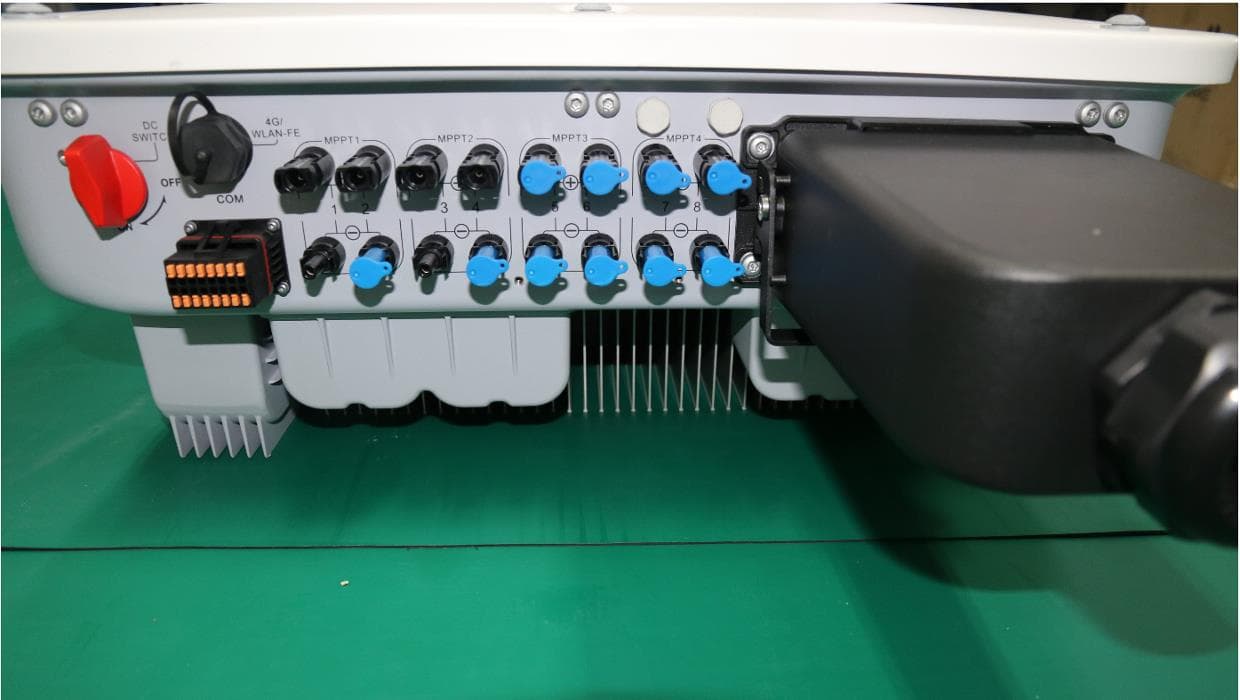
QISSUN2000
Jun 27, 2021Solar Inverter
Equipment Class
DTS - Digital Transmission System
QISCP81-1
Oct 22, 2020Watch Wireless Charger
Equipment Class
DCD - Part 15 Low Power Transmitter Below 1705 kHz
QISRRU3278
Sep 02, 2020Remote Radio Unit
Equipment Class
CBD - Citizens Band Category A and B Devices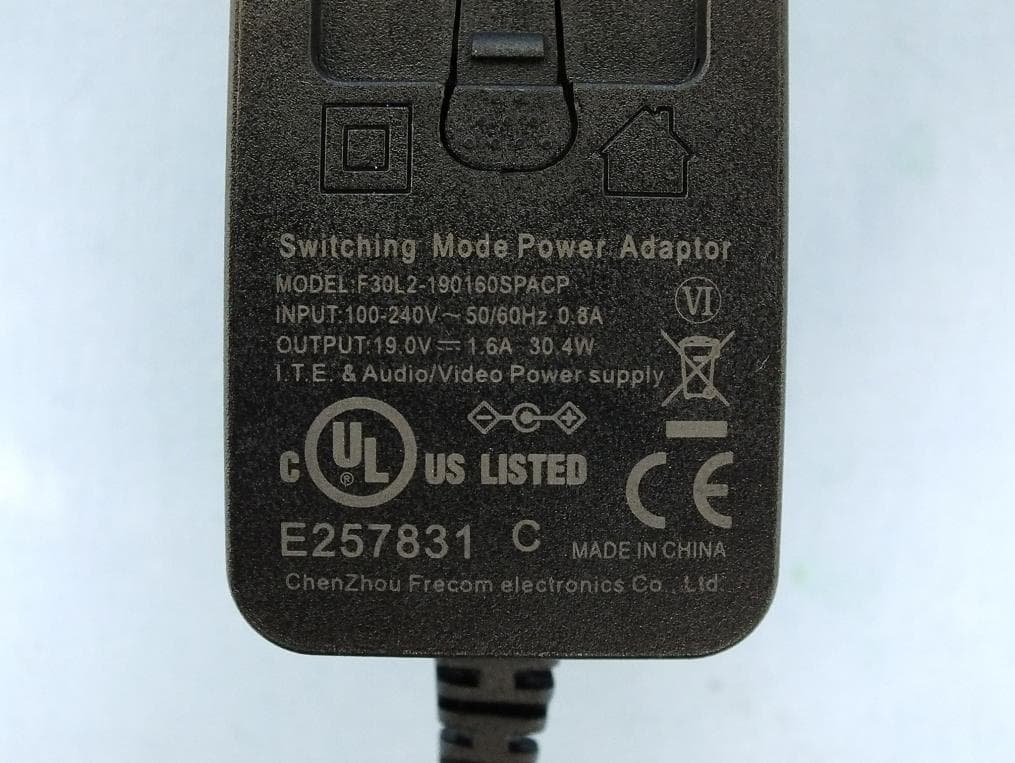
QISR2561
Jul 11, 2020Indoor Router
Equipment Class
DTS - Digital Transmission System
QISSMARTLOGGER310
Mar 23, 2020Solar Smart Monitor & Data Logger
Equipment Class
DTS - Digital Transmission System