QISGRA-ULX0Smart Phone
Huawei Technologies Co.,Ltd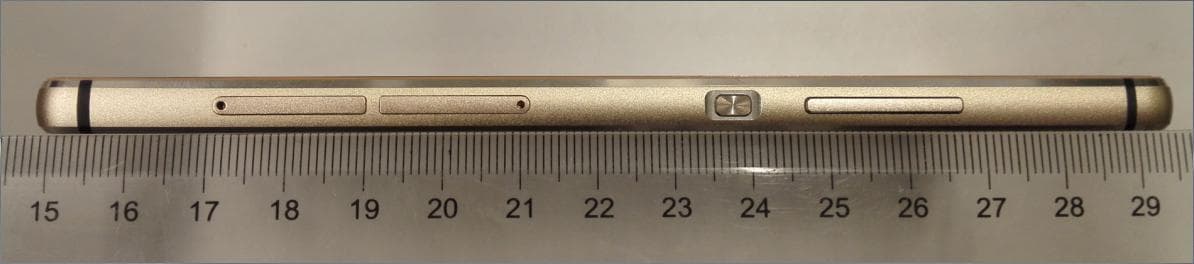
Click to zoom
Application Details
- Equipment Class
- DTS - Digital Transmission System
- Date of Grant
- Jun 23, 2015
- Application Purpose
- Original Equipment
- Date of Application
- Apr 18, 2015
- Equipment Note
- Smart Phone
- Frequency Range
- 2402.00000000 - 2480.00000000
- Company
- Huawei Technologies Co.,Ltd
- Country
- China
Documents & Files
Document Text
Text extracted from the exhibit documents filed with the FCC. Open a document above to read the original.
Users Manual
Quick Start Guide P8 For more information Read the Quick Start Guide included with your device. Go to http://consumer.huawei.com/en/ to download the user guide for your device (including safety information) and read the FAQ, privacy policy, and other information. Go to Settings > All > About phone > Legal information to read the legal information. Please visit http://consumer.huawei.com/en/support/hotline/ for the most up-to-date contact information for your country or region. Your phone at a glance Before you start, let's take a look at your new phone. Press and hold the power button to turn your phone on or off. To forcibly restart your phone, press and hold the power button until your phone vibrates. Earpiece Power button Volume button Micro USB port Card tray Getting started Follow the instructions in the following figures to set up your phone. Do not insert or remove a SIM card while your phone is on. Please exercise caution when using the SIM ejector pin to avoid hurting your fingers or damaging your phone. Store your pin in a safe place out of the reach of children to prevent them from swallowing it or injuring themselves by accident. Caution Insert the SIM card into the correct card slot to ensure that it can be recognized by the phone. GRA-UL00&GRA-UL10: Locking and unlocking the screen Press the power button to lock the screen. If your phone is idle for a specified period of time, the screen will automatically lock itself. If the screen is off, press the power button to turn it on. Slide your finger in any direction to unlock the screen. Swipe up from the bottom of the screen to open the control panel for magazine unlock. You can also quickly launch commonly used applications without unlocking the screen. Calling and messaging Touch to make a call using the dialer. You can also touch a phone number in your contacts, or a number in a message, email, web page, or other source to place a call. Touch to send a text or multimedia message. You can save photos, audio clips, videos, and other attachments from received multimedia messages. Camera Touch . Frame the scene you want to capture. Let your camera focus automatically or touch the screen to focus on a specific object. Then touch to take a photo. Swipe left or right to switch between different capture modes. Light painting mode uses long exposure times to capture illuminated objects in a dark background. Time-lapse mode lets you record the slow transformation of objects or scenes, such as a blooming flower or the setting sun. Internet connection You can access the Internet over Wi-Fi or a mobile data network. Swipe down from the status bar to open the notification panel. Touch to turn on mobile data. Touch and hold to go to the Wi-Fi settings screen. Turn on Wi- Fi and connect to a Wi-Fi network. Backing up data Touch . Touch to open the settings menu. You can set how often you want to back up your data by following the onscreen instructions. Touch and select the data that you want to back up, such as your contacts, messages, and photos. Then follow the onscreen instructions to complete the backup. Phone manager Touch . You can quickly scan your phone for potential risks with one touch. Follow the onscreen instructions to use one-touch optimization, or manually clean the system storage and manage your applications. Touch the options on the screen to clean your system trash, set the harassment filter, activate power saving mode, manage your applications' notification permissions, and more. One-hand layout Swipe the navigation bar to the left or right to adjust the screen display area so that you can use the phone with one hand. When in the dialer, contacts, messages, or email app, swipe down on the screen to access the content on the top of the screen with one hand. Voice commands Touch Settings>All>Speech awareness and enable speech awareness. Follow the onscreen instructions to set up voice commands. You can then issue commands to make calls and find your phone. Safety information This section contains important information about the operation of your device. It also contains information about how to use the device safely. Read this information carefully before using your device. Electronic device Do not use your device if using the device is prohibited. Do not use the device if doing so causes danger or interference with other electronic devices. Interference with medical equipment •Follow rules and regulations set forth by hospitals and health care facilities. Do not use your device where prohibited. •Some wireless devices may affect the performance of hearing aids or pacemakers. Consult your service provider for more information. •Pacemaker manufacturers recommend that a minimum distance of 15 cm be maintained between a device and a pacemaker to prevent potential interference with the pacemaker. If using a pacemaker, hold the device on the side opposite the pacemaker and do not carry the device in your front pocket. Protecting your hearing when using a headset • To prevent possible hearing damage, do not listen at high volume levels for long periods. •Using a headset at high volumes may damage your hearing. To reduce this risk, lower the headset volume to a safe and comfortable level. •Exposure to high volumes while driving may cause distraction and increase your risk of an accident. Areas with flammables and explosives •Do not use the device where flammables or explosives are stored (in a gas station, oil depot, or chemical plant, for example). Using your device in these environments increases the risk of explosion or fire. In addition, follow the instructions indicated in text or symbols. •Do not store or transport the device in containers with flammable liquids, gases, or explosives. Traffic security •Observe local laws and regulations while using the device. To reduce the risk of accidents, do not use your wireless device while driving. •Concentrate on driving. Your first responsibility is to drive safely. •Do not hold th…
Text truncated - open the document above for the full version.
Attestation Statements
Huawei Technologies Co.,Ltd. Federal Communications Commission 2015-06-23 Office of Engineering and Technology Laboratory Division 7435 Oakland Mills Road Columbia MD 21046 Subject: Statements for LTE Carrier Aggregation and LTE TDD Band 41 FCC ID: QISGRA-ULX0 To Whom It May Concern: We, HUAWEI TECHNOLOGIES CO., LTD. hereby declare that: 1) LTE Carrier Aggregation: a) This device is implemented for Carrier Aggregation downlink only; other Release 10 features not supported include Uplink Carrier Aggregation, Enhanced SC-FDMA and Uplink MIMO or other antenna diversity configurations. All uplink are identical to the Release 8 Specifications. b) This device support Intra-band contiguous Carrier Aggregation for LTE Band7, Band38 and Band41. c) Intra-band contiguous CA operating bands E-UTRA CA Band CA Class E- UTRA Band Uplink (UL) operating band Downlink (DL) operating band Duplex Mode CA Combinations Maximum aggregated bandwidth MHz CA_7 Class C 7 2500-2570MHz 2620 -2690MHz FDD 15MHz+15MHz 20MHz+20MHz 40 CA_38 Class C 38 2570-2620MHz 2570 -2620MHz TDD 15MHz+15MHz 20MHz+20MHz 40 CA_41 Class C 41 2555-2655MHz 2555 -2655MHz TDD 10MHz+20MHz 15MHz+15MHz 15MHz+20MHz 20MHz+20MHz 40 d) The applicant has disabled the LTE Band 4 CA function by deleting LTE Band 4 CA in the CA bands function list of the software. It couldn’t be enabled or modified by any other method. The user has no access to enable or modify this function, too. So it cannot be enabled by the user or for other unintended use. 2) LTE TDD Band41: a) The operating bands of Band41 defined in 3GPP TS 36.101 is 2496 to 2690 MHz, but this device only support 2555 to 2655MHz. This is because of the hardware limitation. The saw filter we used for B41 TX and RX is a narrow band pass filter. The usable pass band of the filter is 2555~2655MHz. It can support only part of Band41, not whole band; this is not restricted by software, and couldn’t be extended by any other method. b) According to 2.106 Table of Frequency Allocations, the 2555 to 2655 MHz is allocated for mobile use. When use the device under roaming conditions in the US, It is up to the service provider’s network. We can ensure that the device will not transmit on any frequency that not granted. 3) The device complies with Part 27 (Subpart C) for LTE Band4 and LTE Band41. 4) The device have been tested and complies with all the following standards and KDBs ANSI Std C95.1- 1992 Safety Levels with Respect to Human Exposure to Radio Frequency Electromagnetic Fields, 3 kHz – 300 GHz.( IEEE Std C95.1-1991) IEEE Std 1528- 2003 Recommended Practice for Determining the Peak Spatial-Average Specific Absorption Rate (SAR) in the Human Head from Wireless Communications Devices: Measurement Techniques IEEE Std 1528a- 2005 IEEE Recommended Practice for Determining the Peak Spatial-Average Specific Absorption Rate (SAR) in the Human Head from Wireless Communications Devices: Measurement Techniques Amendment 1: CAD File for Human Head Model (SAM Phantom) KDB941225 D05 SAR for LTE Devices v02r03 KDB941225 D05A LTE Rel.10 KDB Inquiry Sheet v01r01 KDB941225 D06 Hot Spot SAR v02 KDB447498 D01 General RF Exposure Guidance v05r02 KDB648474 D04 Handsets SAR v01r02 KDB865664 D01 SAR measurement 100 MHz to 6 GHz v01r03 KDB865664 D02 SAR Reporting v01r01 Best Regards Zhang Xinghai EMC Laboratory Manager Huawei Technologies Co., Ltd. E-mail: [email protected] Tel: 0086-0755-28970299 Fax: 0086-0755-89650226
Cover Letter(s)
Huawei Technologies Co.,Ltd. Federal Communications Commission 2015-04-07 7435 Oakland Mills Road Columbia MD 21046 Subject: Request for Confidentiality FCC ID: QISGRA-ULX0 To Whom It May Concern: Pursuant to the provisions of Sections 0.457 and 0.459 of the Commission’s rules (47 CFR §§ 0.457, 0.459), we are requesting the Commission to withhold the following attachments as confidential document from public disclosure indefinitely. Schematic Diagram Block Diagram Operational Description Bom List Tune-Up Procedure Above mentioned document contains detailed system and equipment description are considered as proprietary information in operation of the equipment. The public disclosure of above documents might be harmful to our company and would give competitor an unfair advantage in the market. ***************************************************************************** In additional to above mentioned documents, pursuant to Public Notice DA 04-1705 of the Commission’s policy, in order to comply with the marketing regulations in 47 CFR §2.803 and the importation rules in 47 CFR §2.1204, while ensuring that business sensitive information remains confidential until the actual marketing of newly authorized devices. We are requesting the Commission withholds the following documents from public viewing until 2015-06-10: External Photos Internal Photos Test Setup Photos User Manual ****************************************************************************** It is our understanding that all measurement test reports, FCC ID label format and correspondent during certification review process cannot be granted as confidential documents and those information will be available for public review once the grant of equipment authorization is issued. Best Regards Zhang Xinghai EMC Laboratory Manager Huawei Technologies Co., Ltd. E-mail: [email protected] Tel: 0086-0755-28970299 Fax: 0086-0755-89650226
Cover Letter(s)
Huawei Technologies Co.,Ltd. Declaration of Letter Product Type: Smart Phone; Model No.: HUAWEI GRA-UL00,HUAWEI GRA-UL10 FCC ID:QISGRA-ULX0 We, Huawei Technologies Co.,Ltd., declare that this device use Broadcom’s BCM4334 Chipset Solution. It support 2.4G Wi-Fi, only channels 1-11 will be used in the U.S.A, channel 12 and channel couldn’t use. Don’t support the selection of Country code. For and Behalf of: Huawei Technologies Co., Ltd. Zhang Xinghai EMC Laboratory Manager Address: Administration Building, Headquarters of Huawei Technologies Co., Ltd., Bantian, Longgang District, Shenzhen, 518129, P.R.C E-mail: [email protected] Tel: 0086-0755-28970299 Fax: 0086-0755-89650226
Cover Letter(s)
Huawei Technologies Co.,Ltd. Declaration of Letter Product Type: Smart Phone; Model No.: HUAWEI GRA-UL00,HUAWEI GRA-UL10 FCC ID:QISGRA-ULX0 The two models were identical, only difference is the model name. And the two models have the same technical construction, including software design, RF module, antennas, circuit design and PCB layout. There are no differences between the two models (HUAWEI GRA-UL00,HUAWEI GRA-UL10) on electrical and mechanical construction. For and Behalf of: Huawei Technologies Co., Ltd. Zhang Xinghai EMC Laboratory Manager Address: Administration Building, Headquarters of Huawei Technologies Co., Ltd., Bantian, Longgang District, Shenzhen, 518129, P.R.C E-mail: [email protected] Tel: 0086-0755-28970299 Fax: 0086-0755-89650226
External Photos
External Photos of HUAW EI GRA-UL00,HUAWEI GRA-UL10 SECRET Page1,Total 4 External Photos of HUAWEI GRA-UL00,HUAWEI GRA-UL10 External Photos of HUAW EI GRA-UL00,HUAWEI GRA-UL10 SECRET Page2,Total 4 External Photos of HUAW EI GRA-UL00,HUAWEI GRA-UL10 SECRET Page3,Total 4 External Photos of HUAW EI GRA-UL00,HUAWEI GRA-UL10 SECRET Page4,Total 4
ID Label/Location Info
HUAWEI GRA-UL00,HUAWEI GRA-UL10 SECRET Page1, Total 1 ID Label HUAWEI GRA-UL00,HUAWEI GRA-UL10 HUAWEI GRA-UL00,HUAWEI GRA-UL10 SECRET Page2, Total 1 HUAWEI GRA-UL00,HUAWEI GRA-UL10 SECRET Page3, Total 1 HUAWEI GRA-UL00,HUAWEI GRA-UL10 SECRET Page4, Total 1
Internal Photos
HUAWEI GRA-UL00,HUAWEI GRA-UL10 SECRET Page1,Total 5 Internal Photos of HUAWEI GRA-UL00,HUAWEI GRA-UL10 HUAWEI GRA-UL00,HUAWEI GRA-UL10 SECRET Page2,Total 5 HUAWEI GRA-UL00,HUAWEI GRA-UL10 SECRET Page3,Total 5 HUAWEI GRA-UL00,HUAWEI GRA-UL10 SECRET Page4,Total 5 HUAWEI GRA-UL00,HUAWEI GRA-UL10 SECRET Page5,Total 5
RF Exposure Info
Report No.:SYBH(Z-SAR)006022015-2 FCC ID:QISGRA-ULX0 Appendix A. System Check Plots Table of contents SystemPerformanceCheck-D835-ES-Head SystemPerformanceCheck-D835-ES-Head SystemPerformanceCheck-D835-ES-Body SystemPerformanceCheck-D835-ES-Body SystemPerformanceCheck-D1750-EX-Head SystemPerformanceCheck-D1750-EX-Body SystemPerformanceCheck-D1900-EX-Head SystemPerformanceCheck-D1900-EX-Body SystemPerformanceCheck-D2450-ES-Head SystemPerformanceCheck-D2450-ES-Body SystemPerformanceCheck-D2600-ES-Head SystemPerformanceCheck-D2600-ES-Head SystemPerformanceCheck-D2600-EX-Head SystemPerformanceCheck-D2600-ES-Body SystemPerformanceCheck-D2600-ES-Body Date: 2015-3-17 Test Laboratory: HUAWEI SAR/HAC Lab SystemPerformanceCheck-D835-ES-Head DUT: Dipole 835 MHz D835V2; Type: D835V2; Serial: D835V2 - SN:4d059 Communication System: UID 0, CW; Frequency: 835 MHz;Duty Cycle: 1:1 Medium parameters used: f = 835 MHz; σ = 0.915 S/m; ε r = 40.27; ρ = 1000 kg/m 3 Phantom section: Flat Section DASY Configuration: lProbe: ES3DV3 - SN3168; ConvF(6.34, 6.34, 6.34); Calibrated: 2014-9-24; lSensor-Surface: 3mm (Mechanical Surface Detection), z = 2.0, 32.0 lElectronics: DAE4 Sn852; Calibrated: 2014-4-30 lPhantom: SAM3; Type: SAM; Serial: TP-1597 lDASY52 52.8.8(1222); SEMCAD X 14.6.10(7331) Configuration/d=15mm, Pin=250mW/Area Scan (6x13x1): Measurement grid: dx=15mm, dy=15mm Maximum value of SAR (measured) = 2.55 W/kg Configuration/d=15mm, Pin=250mW/Zoom Scan (5x5x7)/Cube 0: Measurement grid: dx=8mm, dy=8mm, dz=5mm Reference Value = 50.62 V/m; Power Drift = -0.23 dB Peak SAR (extrapolated) = 3.35 W/kg SAR(1 g) = 2.24 W/kg; SAR(10 g) = 1.46 W/kg Maximum value of SAR (measured) = 2.63 W/kg 0 dB = 2.63 W/kg = 4.20 dBW/kg Date: 2015-3-29 Test Laboratory: HUAWEI SAR/HAC Lab SystemPerformanceCheck-D835-ES-Head DUT: Dipole 835 MHz D835V2; Type: D835V2; Serial: D835V2 - SN:4d059 Communication System: UID 0, CW; Frequency: 835 MHz;Duty Cycle: 1:1 Medium parameters used: f = 835 MHz; σ = 0.903 S/m; ε r = 42.09; ρ = 1000 kg/m 3 Phantom section: Flat Section DASY Configuration: lProbe: ES3DV3 - SN3168; ConvF(6.34, 6.34, 6.34); Calibrated: 2014-9-24; lSensor-Surface: 3mm (Mechanical Surface Detection), z = 2.0, 32.0 lElectronics: DAE4 Sn852; Calibrated: 2014-4-30 lPhantom: SAM3; Type: SAM; Serial: TP-1597 lDASY52 52.8.8(1222); SEMCAD X 14.6.10(7331) Configuration/d=15mm, Pin=250mW/Area Scan (6x13x1): Measurement grid: dx=15mm, dy=15mm Maximum value of SAR (measured) = 2.49 W/kg Configuration/d=15mm, Pin=250mW/Zoom Scan (5x5x7)/Cube 0: Measurement grid: dx=8mm, dy=8mm, dz=5mm Reference Value = 52.45 V/m; Power Drift = -0.09 dB Peak SAR (extrapolated) = 3.46 W/kg SAR(1 g) = 2.33 W/kg; SAR(10 g) = 1.52 W/kg Maximum value of SAR (measured) = 2.73 W/kg 0 dB = 2.73 W/kg = 4.36 dBW/kg Date: 2015-3-18 Test Laboratory: HUAWEI SAR/HAC Lab SystemPerformanceCheck-D835-ES-Body DUT: Dipole 835 MHz D835V2; Type: D835V2; Serial: D835V2 - SN:4d059 Communication System: UID 0, CW; Frequency: 835 MHz;Duty Cycle: 1:1 Medium parameters used: f = 835 MHz; σ = 0.977 S/m; ε r = 55.772; ρ = 1000 kg/m 3 Phantom section: Flat Section DASY Configuration: lProbe: ES3DV3 - SN3168; ConvF(6.12, 6.12, 6.12); Calibrated: 2014-9-24; lSensor-Surface: 3mm (Mechanical Surface Detection), z = 2.0, 32.0 lElectronics: DAE4 Sn852; Calibrated: 2014-4-30 lPhantom: SAM4; Type: SAM; Serial: TP-1620 lDASY52 52.8.8(1222); SEMCAD X 14.6.10(7331) Configuration/d=15mm, Pin=250mW/Area Scan (6x13x1): Measurement grid: dx=15mm, dy=15mm Maximum value of SAR (measured) = 2.36 W/kg Configuration/d=15mm, Pin=250mW/Zoom Scan (5x5x7)/Cube 0: Measurement grid: dx=8mm, dy=8mm, dz=5mm Reference Value = 51.42 V/m; Power Drift = -0.09 dB Peak SAR (extrapolated) = 3.35 W/kg SAR(1 g) = 2.31 W/kg; SAR(10 g) = 1.52 W/kg Maximum value of SAR (measured) = 2.70 W/kg 0 dB = 2.70 W/kg = 4.31 dBW/kg Date: 2015-3-27 Test Laboratory: HUAWEI SAR/HAC Lab SystemPerformanceCheck-D835-ES-Body DUT: Dipole 835 MHz D835V2; Type: D835V2; Serial: D835V2 - SN:4d059 Communication System: UID 0, CW; Frequency: 835 MHz;Duty Cycle: 1:1 Medium parameters used: f = 835 MHz; σ = 0.95 S/m; ε r = 54.348; ρ = 1000 kg/m 3 Phantom section: Flat Section DASY Configuration: lProbe: ES3DV3 - SN3168; ConvF(6.12, 6.12, 6.12); Calibrated: 2014-9-24; lSensor-Surface: 3mm (Mechanical Surface Detection), z = 2.0, 32.0 lElectronics: DAE4 Sn852; Calibrated: 2014-4-30 lPhantom: SAM3; Type: SAM; Serial: TP-1597 lDASY52 52.8.8(1222); SEMCAD X 14.6.10(7331) Configuration/d=15mm, Pin=250mW/Area Scan (6x13x1): Measurement grid: dx=15mm, dy=15mm Maximum value of SAR (measured) = 2.56 W/kg Configuration/d=15mm, Pin=250mW/Zoom Scan (5x5x7)/Cube 0: Measurement grid: dx=8mm, dy=8mm, dz=5mm Reference Value = 51.92 V/m; Power Drift = -0.09 dB Peak SAR (extrapolated) = 3.47 W/kg SAR(1 g) = 2.39 W/kg; SAR(10 g) = 1.57 W/kg Maximum value of SAR (measured) = 2.79 W/kg 0 dB = 2.79 W/kg = 4.45 dBW/kg Date: 2015-3-17 Test Laboratory: HUAWEI SAR/HAC Lab SystemPerformanceCheck-D1750-EX-Head DUT: Dipole 1750 MHz D1750V2; Type: D1750V2; Serial: D1750V2 - SN:1123 Communication System: UID 0, CW (0); Frequency: 1750 MHz;Duty Cycle: 1:1 Medium parameters used: f = 1750 MHz; σ = 1.404 S/m; ε r = 38.734; ρ = 1000 kg/m 3 Phantom section: Flat Section DASY Configuration: lProbe: EX3DV4 - SN3744; ConvF(8.03, 8.03, 8.03); Calibrated: 2014-7-24; lSensor-Surface: 3mm (Mechanical Surface Detection), z = 1.0, 31.0 lElectronics: DAE4 Sn851; Calibrated: 2014-7-24 lPhantom: SAM2; Type: SAM; Serial: TP:1474 lDASY52 52.8.8(1222); SEMCAD X 14.6.10(7331) Configuration/d=10mm pin=250mW/Area Scan (6x10x1): Measurement grid: dx=15mm, dy=15mm Maximum value of SAR (measured) = 8.31 W/kg Configuration/d=10mm pin=250mW/Zoom Scan (5x5x7)/Cube 0: Measurement grid: dx=8mm, dy=8mm, dz=5mm Reference Value = 81.00 V/m; Power Drift = -0.08 dB Peak SAR (extrapolated) = 15.7 W/kg SAR(1 g) = 8.48 W/kg; SAR(10 g) = 4.42 W/kg Maximum value of SAR (measured) = 10.8 W/kg 0 dB = 8.31 W/kg = 9.20 dBW/…
Text truncated - open the document above for the full version.
RF Exposure Info
Report No.:SYBH(Z-SAR)006022015-2 FCC ID:QISGRA-ULX0 Appendix B. SAR Measurement Plots Table of contents GSM850 Head GSM850 Body GSM1900 Head GSM1900 Body UMTS Band V Head UMTS Band V Body UMTS Band IV Head UMTS Band IV Body UMTS Band II Head UMTS Band II Body LTE Band IV Head LTE Band IV Body LTE Band VII Head LTE Band VII Body LTE Band XXXVIII Head LTE Band XXXVIII Body LTE Band XLI Head LTE Band XLI Body WiFi 2450 MHz Head WiFi 2450 MHz Body Date: 2015-3-19 Test Laboratory: HUAWEI SAR/HAC Lab HUAWEI GRA-UL00 GSM850 251CH Right hand touch cheek with SIM1-Main Antenna DUT: HUAWEI GRA-UL00,HUAWEI GRA-UL10; Type: Smart Phone; Serial: SAR1 Communication System: UID 0, HW-GSM\GPRS\EGPRS-1TS (0); Frequency: 848.8 MHz;Duty Cycle: 1:8.30042 Medium parameters used: f = 849 MHz; σ = 0.924 S/m; ε r = 40.189; ρ = 1000 kg/m 3 Phantom section: Right Section DASY Configuration: lProbe: ES3DV3 - SN3168; ConvF(6.34, 6.34, 6.34); Calibrated: 2014-9- 24; lSensor-Surface: 3mm (Mechanical Surface Detection), z = 2.0, 32.0 lElectronics: DAE4 Sn852; Calibrated: 2014-4-30 lPhantom: SAM3; Type: SAM; Serial: TP-1597 lDASY52 52.8.8(1222); SEMCAD X 14.6.10(7331) Configuration/Head/Area Scan (8x13x1): Measurement grid: dx=15mm, dy=15mm Maximum value of SAR (measured) = 0.221 W/kg Configuration/Head/Zoom Scan (6x6x7)/Cube 0: Measurement grid: dx=8mm, dy=8mm, dz=5mm Reference Value = 6.455 V/m; Power Drift = 0.05 dB Peak SAR (extrapolated) = 0.272 W/kg SAR(1 g) = 0.210 W/kg; SAR(10 g) = 0.159 W/kg Maximum value of SAR (measured) = 0.229 W/kg 0 dB = 0.229 W/kg = -6.40 dBW/kg Date: 2015-3-19 Test Laboratory: HUAWEI SAR/HAC Lab HUAWEI GRA-UL00 GSM850 128CH Right hand touch cheek with SIM1 and Battery 2#-Second Antenna Repeated DUT: HUAWEI GRA-UL00,HUAWEI GRA-UL10; Type: Smart Phone; Serial: SAR1 Communication System: UID 0, HW-GSM\GPRS\EGPRS-1TS (0); Frequency: 824.2 MHz;Duty Cycle: 1:8.30042 Medium parameters used (interpolated): f = 824.2 MHz; σ = 0.907 S/m; ε r = 40.325; ρ = 1000 kg/m 3 Phantom section: Right Section DASY Configuration: lProbe: ES3DV3 - SN3168; ConvF(6.34, 6.34, 6.34); Calibrated: 2014-9- 24; lSensor-Surface: 3mm (Mechanical Surface Detection), z = 2.0, 32.0 lElectronics: DAE4 Sn852; Calibrated: 2014-4-30 lPhantom: SAM3; Type: SAM; Serial: TP-1597 lDASY52 52.8.8(1222); SEMCAD X 14.6.10(7331) Configuration/Head/Area Scan (8x13x1): Measurement grid: dx=15mm, dy=15mm Info: Interpolated medium parameters used for SAR evaluation. Maximum value of SAR (measured) = 1.16 W/kg Configuration/Head/Zoom Scan (5x5x7)/Cube 0: Measurement grid: dx=8mm, dy=8mm, dz=5mm Reference Value = 24.92 V/m; Power Drift = 0.07 dB Peak SAR (extrapolated) = 3.06 W/kg SAR(1 g) = 1.28 W/kg; SAR(10 g) = 0.624 W/kg Info: Interpolated medium parameters used for SAR evaluation. Maximum value of SAR (measured) = 1.63 W/kg 0 dB = 1.63 W/kg = 2.12 dBW/kg Date: 2015-3-19 Test Laboratory: HUAWEI SAR/HAC Lab HUAWEI GRA-UL00 GSM850 GPRS 3TS 190CH Back Side 15mm with SIM1-Main Antenna DUT: HUAWEI GRA-UL00,HUAWEI GRA-UL10; Type: Smart Phone; Serial: SAR1 Communication System: UID 0, HW-GSM\GPRS\EGPRS-3TS (0); Frequency: 836.6 MHz;Duty Cycle: 1:2.77013 Medium parameters used: f = 837 MHz; σ = 0.979 S/m; ε r = 55.747; ρ = 1000 kg/m 3 Phantom section: Flat Section DASY Configuration: lProbe: ES3DV3 - SN3168; ConvF(6.12, 6.12, 6.12); Calibrated: 2014-9- 24; lSensor-Surface: 3mm (Mechanical Surface Detection), z = 2.0, 32.0 lElectronics: DAE4 Sn852; Calibrated: 2014-4-30 lPhantom: SAM4; Type: SAM; Serial: TP-1620 lDASY52 52.8.8(1222); SEMCAD X 14.6.10(7331) Configuration/Body/Area Scan (8x14x1): Measurement grid: dx=15mm, dy=15mm Maximum value of SAR (measured) = 0.306 W/kg Configuration/Body/Zoom Scan (6x6x7)/Cube 0: Measurement grid: dx=8mm, dy=8mm, dz=5mm Reference Value = 18.22 V/m; Power Drift = 0.00 dB Peak SAR (extrapolated) = 0.364 W/kg SAR(1 g) = 0.286 W/kg; SAR(10 g) = 0.221 W/kg Maximum value of SAR (measured) = 0.314 W/kg 0 dB = 0.314 W/kg = -5.03 dBW/kg Date: 2015-3-27 Test Laboratory: HUAWEI SAR/HAC Lab HUAWEI GRA-UL00 GSM850 GPRS 3TS 190CH Back Side 15mm with SIM2-Second Antenna DUT: HUAWEI GRA-UL00,HUAWEI GRA-UL10; Type: Smart Phone; Serial: SAR1 Communication System: UID 0, HW-GSM\GPRS\EGPRS-3TS (0); Frequency: 836.6 MHz;Duty Cycle: 1:2.77013 Medium parameters used: f = 837 MHz; σ = 0.953 S/m; ε r = 54.37; ρ = 1000 kg/m 3 Phantom section: Flat Section DASY Configuration: lProbe: ES3DV3 - SN3168; ConvF(6.12, 6.12, 6.12); Calibrated: 2014-9- 24; lSensor-Surface: 3mm (Mechanical Surface Detection), z = 2.0, 32.0 lElectronics: DAE4 Sn852; Calibrated: 2014-4-30 lPhantom: SAM3; Type: SAM; Serial: TP-1597 lDASY52 52.8.8(1222); SEMCAD X 14.6.10(7331) Configuration/Body/Area Scan (8x14x1): Measurement grid: dx=15mm, dy=15mm Maximum value of SAR (measured) = 0.286 W/kg Configuration/Body/Zoom Scan (5x5x7)/Cube 0: Measurement grid: dx=8mm, dy=8mm, dz=5mm Reference Value = 17.55 V/m; Power Drift = 0.01 dB Peak SAR (extrapolated) = 0.331 W/kg SAR(1 g) = 0.263 W/kg; SAR(10 g) = 0.203 W/kg Maximum value of SAR (measured) = 0.288 W/kg 0 dB = 0.288 W/kg = -5.40 dBW/kg Date: 2015-3-20 Test Laboratory: HUAWEI SAR/HAC Lab HUAWEI GRA-UL00 GSM850 GPRS 190CH Right Side 10mm with SIM2-Main Antenna DUT: HUAWEI GRA-UL00,HUAWEI GRA-UL10; Type: Smart Phone; Serial: SAR1 Communication System: UID 0, HW-GSM\GPRS\EGPRS-3TS (0); Frequency: 836.6 MHz;Duty Cycle: 1:2.77013 Medium parameters used: f = 837 MHz; σ = 0.979 S/m; ε r = 55.747; ρ = 1000 kg/m 3 Phantom section: Flat Section DASY Configuration: lProbe: ES3DV3 - SN3168; ConvF(6.12, 6.12, 6.12); Calibrated: 2014-9- 24; lSensor-Surface: 3mm (Mechanical Surface Detection), z = -8.0, 32.0 lElectronics: DAE4 Sn852; Calibrated: 2014-4-30 lPhantom: SAM4; Type: SAM; Serial: TP-1620 lDASY52 52.8.8(1222); SEMCAD X 14.6.10(7331) Configuration/Body/Area Scan (6x13x1): Measurement grid: dx=15mm, dy=15mm Maximum value of SAR (measured) = 0.440 W/kg Configuration/Body/Zoom Scan (5x5x7)/Cube 0: Measurement grid: dx=8mm, dy=…
Text truncated - open the document above for the full version.
RF Exposure Info
Justification of the extended calibration of Dipole D 835V2 SN:4d059 Per KDB 865664, we have Measured the Impedance and Return Loss as below, and the r etur n los s is <-20dB, with 20% of prior calibration; t he real or imaginary parts of t he impedance is with 5 ohm of prior calibr ation . Therefore the verification result should support extended calibration. Dipole835Head TST Target Value Measured Value Difference Impedance transformed to feed point 51.7Ω-2.7jΩ 50.43Ω-2.79jΩ R=-1.27Ω, X=-0.09Ω Return Loss -30.2dB -30.16dB 0.13% Dipole835 Body TST Target Value Measured Value Difference Impedance transformed to feed point 47.1Ω-4.7jΩ 46.74Ω-4.96jΩ R=-0.36Ω, X=-0.26Ω Return Loss -24.9dB -24.63dB 1.08% Measured Date 2013-05-02 2014-05-01 ----- Impedance Test-Head Return Loss Test-Head
RF Exposure Info
Administration Building, Headquarters of Huawei Technologies Co., Ltd., Bantian, Longgang District, Shenzhen, 518129, P.R.C Tel: +86 755 28780808 Fax: +86 755 89652518 FCC SAR Compliance Test Report Product Name: Smart Phone Model: HUAWEI GRA-UL00,HUAWEI GRA-UL10 Report No.: SYBH(Z-SAR)006022015-2 FCC ID: QISGRA-ULX0 APPROVED (Lab Manager) PREPARED (Test Engineer) BY DATE 2015-06-23 2015-06-23 The test results of this test report relate exclusively to the item(s) tested . The HUAWEI does not assume responsibility for any conclusions and generalisations drawn from the test results with regard to other specimens or samples of the type of the equipment represented by the test item. The test report may only be reproduced or published in full. Reproduction or publication of extracts from the report requires the prior written approval of HUAWEI. Reliability Laboratory of Huawei Technologies Co., Ltd. Report No.: SYBH(Z-SAR)006022015-2 FCC ID:QISGRA-ULX0 2015-06-23 Page 2 of 313 Table of Contents 1 General Information ............................................................................................................................................... 5 1.1 Statement of Compliance ...................................................................................................................... 5 1.2 RF exposure limits ................................................................................................................................. 6 1.3 EUT Description ..................................................................................................................................... 7 1.3.1 General Description ............................................................................................................................... 9 1.3.2 Downlink LTE CA additional specification ............................................................................................. 9 1.3.3 TDD LTE additional specification ......................................................................................................... 14 1.3.4 Dynamic antenna switching additional specification ............................................................................ 14 1.3.5 Power reduction additional specification.............................................................................................. 14 1.4 Test specification(s) ............................................................................................................................ 15 1.5 Testing laboratory ................................................................................................................................ 15 1.6 Applicant and Manufacturer ................................................................................................................. 15 1.7 Application details ................................................................................................................................ 15 1.8 Ambient Condition ............................................................................................................................... 15 2 SAR Measurement System ................................................................................................................................. 16 2.1 SAR Measurement Set-up ................................................................................................................... 16 2.2 Test environment .............…
Text truncated - open the document above for the full version.
Contact Information
Applicant
Zhang Xinghai
Test Firm
Huawei Technologies Co., LTDZhou Fengyum
Technical Specifications
| # | Rule Parts | Frequency Range | Power Output |
|---|---|---|---|
| 2 | 15C | 2.40 GHz - 2.48 GHz | 7.00 mW |
Other Applications from Huawei Technologies Co.,Ltd
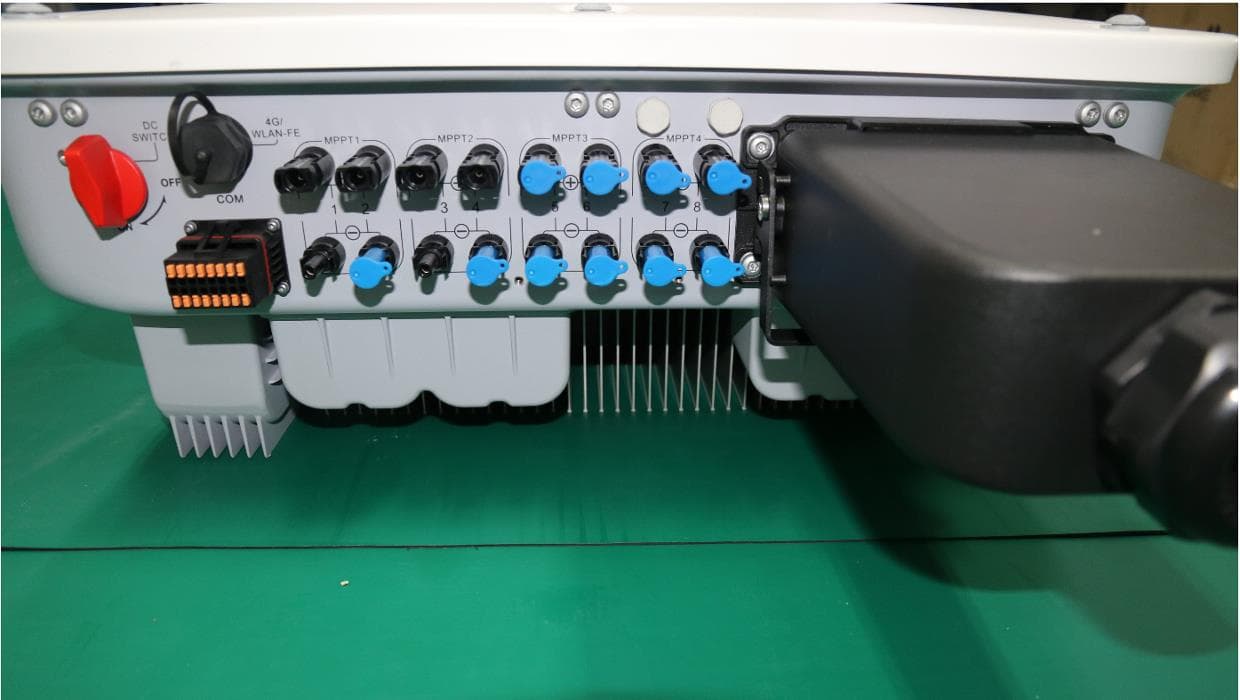
QISSUN2000
Jun 27, 2021Solar Inverter
Equipment Class
DTS - Digital Transmission System
QISCP81-1
Oct 22, 2020Watch Wireless Charger
Equipment Class
DCD - Part 15 Low Power Transmitter Below 1705 kHz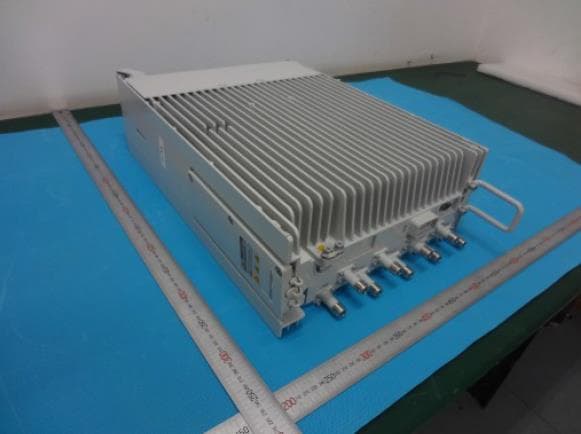
QISRRU3278
Sep 02, 2020Remote Radio Unit
Equipment Class
CBD - Citizens Band Category A and B Devices
QISR2561
Jul 11, 2020Indoor Router
Equipment Class
DTS - Digital Transmission System
QISSMARTLOGGER310
Mar 23, 2020Solar Smart Monitor & Data Logger
Equipment Class
DTS - Digital Transmission System