QISK4201USB Stick with GSM/GPRS/EDGE850/1900
Huawei Technologies Co.,Ltd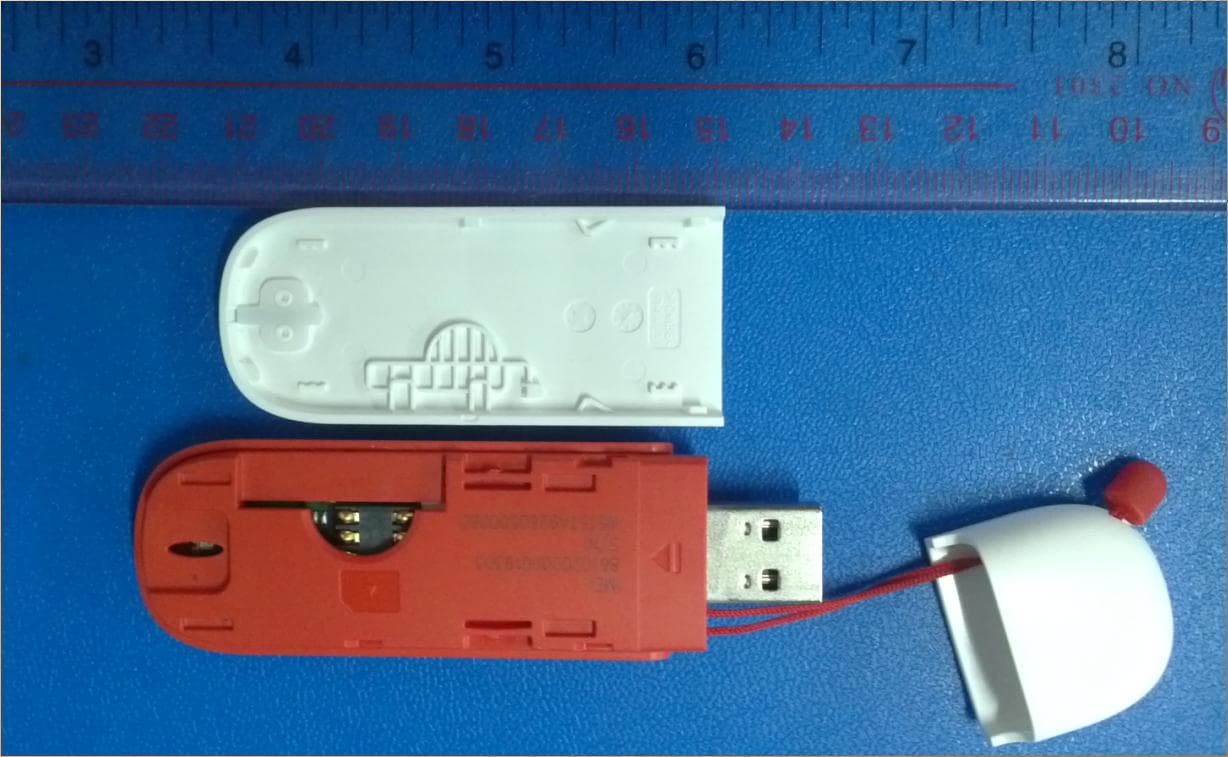
Click to zoom
Application Details
- Equipment Class
- JBP - Part 15 Class B Computing Device Peripheral
- Date of Grant
- Jan 14, 2013
- Application Purpose
- Original Equipment
- Date of Application
- Jan 14, 2013
- Equipment Note
- USB Stick with GSM/GPRS/EDGE850/1900
- Company
- Huawei Technologies Co.,Ltd
- Country
- China
Documents & Files
Document Text
Text extracted from the exhibit documents filed with the FCC. Open a document above to read the original.
Users Manual
Copyright © Huawei Technologies Co., Ltd. 2012. All rights reserved. No part of this document may be reproduced or transmitted in any form or by any means without prior written consent of Huawei Technologies Co., Ltd. The product described in this manual may include copyrighted software of Huawei Technologies Co., Ltd. and possible licensors. Customers shall not in any manner reproduce, distribute, modify, decompile, disassemble, decrypt, extract, reverse engineer, lease, assign, or sublicense the said software, unless such restrictions are prohibited by applicable laws or such actions are approved by respective copyright holders under licenses. Trademarks and Permissions , , and are trademarks or registered trademarks of Huawei Technologies Co., Ltd. Other trademarks, product, service and company names mentioned are the property of their respective owners. Notice Some features of the product and its accessories described herein rely on the software installed, capacities and settings of local network, and may not be activated or may be limited by local network operators or network service providers, thus the descriptions herein may not exactly match the product or its accessories you purchase. Huawei Technologies Co., Ltd. reserves the right to change or modify any information or specifications contained in this manual without prior notice or obligation. NO WARRANTY THE CONTENTS OF THIS MANUAL ARE PROVIDED “AS IS”. EXCEPT AS REQUIRED BY APPLICABLE LAW S, NO WARRANTIES OF ANY KIND, EITHER EXPRESS OR IMPLIED, INCLUDING BUT NOT LIMITED TO, THE IMPLIED WARRANTIES OF MERCHANTABILITY AND FITNESS FOR A PARTICULAR PURPOSE, ARE MADE IN RELATION TO THE ACCURACY, RELIABILITY OR CONTENTS OF THIS MANUAL. TO THE MAXIMUM EXTENT PERMITTED BY APPLICABLE LAW, IN NO CASE SHALL HUAWEI TECHNOLOGIES CO., LTD. BE LIABLE FOR ANY SPECIAL, INCIDENTAL, INDIRECT, OR CONSEQUENTIAL DAMAGES, OR LOST PROFITS, BUSINESS, REVENUE, DATA, GOODWILL OR ANTICIPATED SAVINGS. Import and Export Regulations Customers shall comply with all applicable export or import laws and regulations and will obtain all necessary governmental permits and licenses in order to export, re-export or import the product mentioned in this manual including the software and technical data therein. Warnings and Precautions This section contains important information pertaining to the operating instructions of your device. It also contains information about how to use your device safely. Read this information carefully before using the device. Electronic Device Do not use your device if using the device is prohibited. Do not use the device when using the device causes danger or interference with electronic devices. Medical Device Follow rules and regulations set forth by hospitals and health care facilities. Do not use your device when using the device is prohibited. Some wireless devices may affect the performance of hearing aids or pacemakers. For any such problems, consult your service provider. If you are using an electronic medical device, consult the doctor or the device manufacturer to confirm whether radio waves affect the operation of this device. Potentially Explosive Atmosphere Do not use your device in any area with a potentially explosive atmosphere, and comply with all signs and instructions. Areas that may have potentially explosive atmospheres include the areas where you would normally be advised to turn off your vehicle engine. Triggering of sparks in such areas could cause an explosion or a fire, resulting in bodily injuries or even deaths. Do not use your device at refueling points such as service stations. Comply with restrictions on the use of radio equipment in fuel depots, storage, and distribution areas, and chemical plants. In addition, adhere to restrictions in areas where blasting operations are in progress. Before using the device, watch out for areas that have potentially explosive atmospheres that are often, but not always, clearly marked. Such locations include areas below the deck on boats, chemical transfer or storage facilities, and areas where the air contains chemicals or particles such as grain, dust, or metal powders. Ask the manufacturers of vehicles using liquefied petroleum gas (such as propane or butane) whether this device can be safely used in their vicinity. Traffic Security Observe local laws and regulations while using the device. To prevent accidents, do not use your wireless device while driving. RF signals may affect electronic systems of motor vehicles. For more information, consult the vehicle manufacturer. In a motor vehicle, do not place the device over the air bag or in the air bag deployment area. Otherwise, the device may hurt you owing to the strong force when the air bag inflates. Do not use your device while flying in an aircraft and before boarding an aircraft. Using wireless devices in an aircraft may cause danger to the operation of the aircraft and disrupt the wireless telephone network. It may also be considered illegal. Operating Environment Do not use the device in dusty, damp, and dirty places or places with magnetic fie lds. Otherwise, it may result in malfunction of the circuit. On a stormy day with thunder, do not use your device when it is being charged, to prevent any danger caused by lightning. While using the device, observe the local laws and regulations, and respect others' privacy and legal rights. Keep the ambient temperature between -10°C to +45°C for using the device. Safety of Children Comply with all precautions with regard to children's safety. Letting the child play with your device or its accessories, which may include parts that can be detached from the device, may be dangerous, as it may present a choking hazard. Ensure that small children are kept away from the device and accessories. Accessories Use the accessories delivered only by the manufacturer. Using accessories of other manufacturers or vendors with this device model may invalidate any ap…
Text truncated - open the document above for the full version.
Users Manual
Thank you for choosing the Mobile Broadband USB Stick. With your USB Stick, you can access a wireless network at high speed. Note: This guide briefly describes the appearance of the USB Stick and the procedures for using the USB Stick. For details about how to set the management parameters, see help information on the web management page. Getting to Know Your USB Stick The following figure shows the appearance of the USB Stick. It is provided only for your reference. The actual product may be different. 2 1 3 4 1 n Strap Hole You can tie the cap and the USB Stick together by threading a strap through the strap holes, so that the cap will not be easily lost. o USB Connector It connects the USB Stick to a PC. p Indicator It indicates the status of the USB Stick. z Green, blinking twice every 3s: The USB Stick is powered on. z Green, blinking once every 3s: The USB Stick is registering with a 2G network. z Blue, blinking once every 3s: The USB Stick is registering with a 3G/3G+ network. z Green, solid: The USB Stick is connected to a 2G network. z Blue, solid: The USB Stick is connected to a 3G network. z Cyan, solid: The USB Stick is connected to a 3G+ network. z Off: The USB Stick is removed. q SIM/USIM Card Slot It holds a Subscriber Identity Module (SIM)/Universal Subscriber Identity Module (USIM) card. Getting Your USB Stick Ready Install the SIM/USIM card 1. Slide the front cover to remove it from the USB Stick. 2. Insert the SIM/USIM card into the card slot, as shown in the following figure. 3. Replace the front cover and slide it into place. Note: z Ensure that the beveled edge of the SIM/USIM card is properly aligned with that of the SIM/USIM card slot. z Do not remove the SIM/USIM card when the card is in use. Otherwise, the card as well as your USB Stick may get damaged and the data stored on the card may be corrupted. Using Your USB Stick The procedure for installing the management program depends on your computer's operating system. The following sections are based on Windows XP. Connecting to a Network 1. Insert the USB Stick into one of your computer's USB ports. The computer identifies the new hardware and starts its installation automatically. 2. When the installation is complete, the USB Stick's web management page is displayed and the USB Stick connects to the network automatically. The USB Stick's web management page will be automatically displayed every time the USB Stick is inserted into the computer. Note: z If the computer does not start the USB Stick's installation automatically, find the AutoRun.exe file in the USB Stick's root directory, and double-click the file to run it. z If you are not connected to the network, access http://192.168.9.1 to check the device status. z If you cannot access http://192.168.9.1, disconnect other network connections, such as an Ethernet or Wireless Fidelity (Wi-Fi) connection, remove and then insert the USB Stick, or restart the computer. Disconnecting from a Network Remove the USB Stick from the computer. Note: If you do not need to connect to a network, it is recommended that you remove the USB Stick from your computer to eliminate unwanted data traffic. Viewing Service Information Visit http://192.168.9.1 to view your service information. Version: V100R001_01 Part Number: 31010***
Users Manual
Safety Information
Attestation Statements
Justification Letter Date (20/12/2012) BABT TCB Balfour House, Churchfield Road, Walton-on-Thames, Surrey, KT12 2TD Dear Sir or Madam, We, Huawei Technologies Co., Ltd. Bantian, Longgang District, Shenzhen, 518129, China hereby to do the Justification on FCC application: HSPA+ USB Stick, K4201, FCC ID: QISK4201 as following: K4201 is a new HSPA+/WCDMA/EDGE/GPRS/GSM USB Stick. The GSM supports four bands. The HSPA+/WCDMA support W2100M and W900M. The difference between K4305 (HSPA+ USB Stick, K4305, FCC ID: QISK4305, Grant date: 2012-09- 04) and K4201: K4305 is also a new HSPA+/WCDMA/EDGE/GPRS/GSM USB Stick. The GSM supports four bands. The HSPA+/WCDMA support W2100M and W900M. K4201 have the identical electronic structure with K3405, except: 1) K4201 and K3405 only have the different appearance, and all the circuit and PCB Layout are identical, so It doesn’t affect all the RF bands performance. 2) With different model no. The difference between K4201 and K4305 is also shown in following table: K4201 K4305 GSM four band support support W2100M support support W900M support support Antenna The same The same Appearance Different, an new ID 88.14×26.9×11.64 Different, an new ID 84.64×27×14.6 PCB The same The same FLASH The same The same SD Receptacle and RF Switch Different No SD receptacle and straight switch Different SD receptacle and Angle switch So in this FCC application for K4201 (FCC ID: QISK4201): Test data for FCC Part 15B refer to report “SYBH(Z-EMC)105082012-2” in FCC application for K4305 (FCC ID: QISK4305, Grant date: 2012-09-04), and this data according to Part 15B remains valid and applicable and they are representative of the compliance of K4201. Test data for GSM/GPRS/EDGE850 refer to report “SYBH(Z-RF)009082012-2001” in FCC application for K4305 (FCC ID: QISK4305, Grant date: 2012-09-04), and this data according to Part 22 remains valid and applicable and they are representative of the compliance of K4201. Test data for GSM/GPRS/EDGE1900 refer to report “SYBH(Z-RF)009082012-2002” in FCC application for K4305 (FCC ID: QISK4305, Grant date: 2012-09-04), and this data according to Part 24 remains valid and applicable and they are representative of the compliance of K4201. New SAR Test report “RHA1212-0110SAR01” and previous SAR test report “RHA1208-0066SAR01” in FCC application for KT4305(FCC ID: QISK4305, Grant date: 2012-09-04) to demonstrate K4201 comply with the SAR requirement. But inside test data was reference from report “RHA1208- 0066SAR01” in FCC application for K4305 (FCC ID: QISK4305, Grant date: 2012-09-04), and also this report contain the data for K4201 at the worse SAR test configuration. So both data according to OET Bulletin No. 65, Supplement C-2001, IEEE 1528-2003, IEEE Std C95.1-1999, KDB941225 D03, KDB447498 D02 remains valid and applicable and they are representative of the compliance of KT4201. Sincerely, For and Behalf of: Huawei Technologies Co., Ltd. Zhangxinghai EMC Laboratory Manager
Cover Letter(s)
HUAWEI Technologies Co., Ltd. Date (19/12/2012) BABT TCB, Balfour House, Churchfield Road, Walton-on-Thames, Surrey, KT12 2TD Dear Sir or Madam, We, Huawei Technologies Co., Ltd. Bantian, Longgang District, Shenzhen, 518129, China hereby authorize TUV-SUD China Shenzhen Branch 6/F, H Hall, Century Craftwork Culture Square, No. 4001 Fuqiang Road, Futian District, Shenzhen 518048 P. R. China Louis Lin Phone: +86-755-88286998 e-mail: [email protected] to act as our agent in all matters relating to applications for equipment authorization, including the signing of all documents relating to these matters. We also hereby certify that neither we nor any party to this application are subject to denial of U.S. Federal benefits, which include FCC benefits, pursuant to section 5301 of Anti-Drug Abuse Act of 1988, U.S.C. 862 because of conviction for possession or distribution of controlled substance. This authorization is applicable to following FCC ID application: FCC ID: QISK4201 Sincerely, For and Behalf of: Huawei Technologies Co., Ltd. EMC Laboratory Manager
Cover Letter(s)
Huawei Technologies Co.,Ltd. Federal Communications Commission 2012-12-20 7435 Oakland Mills Road Columbia MD 21046 Subject: Request for Confidentiality of FCC ID: QISK4201 To Whom It May Concern: Pursuant to the provisions of Sections 0.457 and 0.459 of the Commission’s rules (47 CFR §§ 0.457, 0.459), we are requesting the Commission to withhold the following attachments as confidential document from public disclosure indefinitely. Schematic Diagram Block Diagram Operational Description Bom List Tune-Up Procedure Above mentioned document contains detailed system and equipment description are considered as proprietary information in operation of the equipment. The public disclosure of above documents might be harmful to our company and would give competitor an unfair advantage in the market. It is our understanding that all measurement test reports, FCC ID label format and correspondent during certification review process cannot be granted as confidential documents and those information will be available for public review once the grant of equipment authorization is issued. Best Regards Zhang Xinghai EMC Laboratory Manager Huawei Technologies Co., Ltd. E-mail: [email protected] Fax: 0086-0755-89650226
External Photos
K4201 SECRET Page1, Total5 External Photos of K4201 K4201 SECRET Page2, Total5 K4201 SECRET Page3, Total5 K4201 SECRET Page4, Total5 K4201 SECRET Page5, Total5
ID Label/Location Info
K4201 SECRET Page 1 Total 1 ID Label K4201:
ID Label/Location Info
K4201 SECRET Page 1 Total 1 ID Label Location_ K4201
Internal Photos
K4201 SECRET Page1, Total2 Internal Photos of K4201 K4201 SECRET Page2, Total2
Test Report
EMC Test Report Product Name:HSPA+ USB Stick Model Number:K4305 Report No:SYBH(Z-EMC)105082012-2 FCC ID:QISK4305 Reliability Laboratory of Huawei Technologies Co., Ltd. Administration Building, Headquarters of Huawei Technologies Co., Ltd., Bantian, Longgang District, Shenzhen, 518129, P.R.C Tel: +86 755 28780808 Fax: +86 755 89652518 FCC Test Report of K4305 FCC ID: QISK4305 Security Level: secret Report No: SYBH(Z-EMC)105082012-2 Confidential Information of Huawei. No Distribution without Written Permission Page2, Total17 Notice 1. The laboratory has obtained the accreditation of China National Accreditation Service for Conformity Assessment (CNAS), and accreditation number: L0310. 2. The laboratory has passed the accreditation by The American Association for Laboratory Accreditation (A2LA). The accreditation number is 2174.01. 3. The laboratory has been listed on the US Federal Communications Commission list of test facilities recognized to perform electromagnetic emissions measurements. The site recognition number is 97456. 4. The laboratory has been listed by industry Canada to perform electromagnetic emission measurement. The site recognition number is 6369A-2. 5. The test report is invalid if not marked with "exclusive stamp for the test report". 6. The test report is invalid if not marked with the stamps or the signatures of the persons responsible for performing, revising and approving the test report. 7. The test report is invalid if there is any evidence of erasure and/or falsification. 8. If there is any dissidence for the test report, please file objection to the test centre within 15 days from the date of receiving the test report. 9. Normally, the test report is only responsible for the samples that have undergone the test. 10. Context of the test report cannot be used partially or in full for publicity and/or promotional purposes without previous written approval of the laboratory. FCC Test Report of K4305 FCC ID: QISK4305 Security Level: secret Report No: SYBH(Z-EMC)105082012-2 Confidential Information of Huawei. No Distribution without Written Permission Page3, Total17 Applicant: Huawei Technologies Co., Ltd. Address: Administration Building, Headquarters of Huawei Technologies Co., Ltd., Bantian, Longgang District, Shenzhen, 518129, P.R.C Date of Receipt Test Item: Aug.06, 2012 Start Date of Test: Aug.08, 2012 End Date of Test: Aug.13, 2012 Test Result: Pass Approved By 2012-08-22 Liuchunlin (Lab Manager) Date Name Signature Operator 2012-08-22 Daniel Date Name Signature FCC Test Report of K4305 FCC ID: QISK4305 Security Level: secret Report No: SYBH(Z-EMC)105082012-2 Confidential Information of Huawei. No Distribution without Written Permission Page4, Total17 Modification Record No. Last Report No. Modification Description 1 NA First report FCC Test Report of K4305 FCC ID: QISK4305 Security Level: secret Report No: SYBH(Z-EMC)105082012-2 Confidential Information of Huawei. No Distribution without Written Permission Page5, Total17 TABLE OF CONTENT 1 General Information ............................................................................................................................. 6 1.1 EUT Description ........................................................................................................................... 6 1.2 Test Site Information .................................................................................................................... 7 1.3 Applied Standards ........................................................................................................................ 7 2 Summary of Results ............................................................................................................................. 8 3 System Configuration during EMC Test .............................................................................................. 9 3.1 Test Mode ..................................................................................................................................... 9 3.2 Test System Configuration ........................................................................................................... 9 3.3 Cables Used during Test ............................................................................................................ 10 3.4 Associated Equipment Used during Test .................................................................................. 10 4 Electromagnetic Interference (EMI) ................................................................................................... 11 4.1 Radiated Disturbance 30MHz to 18GHz ................................................................................... 11 5 Main Test Instruments ........................................................................................................................ 14 6 System Measurement Uncertainty .................................................................................................... 14 7 Test Data and Graph .......................................................................................................................... 15 7.1 Radiated Disturbance ................................................................................................................. 15 7.2 Conducted Disturbance .............................................................................................................. 17 FCC Test Report of K4305 FCC ID: QISK4305 Security Level: secret Report No: SYBH(Z-EMC)105082012-2 Confidential Information of Huawei. No Distribution without Written Permission Page6, Total17 1 General Information 1.1 EUT Description EUT Description Product Name HSPA+ USB Stick Model Number K4305 Serials Number 864979010000285 TX Frequency GSM850:824MHz To 849MHz; GSM1900:1850MHz To 1910MHz RX Frequency GSM850:869MHz To 894MHz; GSM1900:1930MHz To 1990MHz HW Version CH2E303SM SW Version 22.157.51.00.5011 EUT Accessory Data cable Data Cable USB A Male to Micro US…
Text truncated - open the document above for the full version.
Test Setup Photos
FCC Test Report of K4305 FCC ID: QISK4305 Security Level: secret Report No: SYBH(Z-EMC)105082012-2 Confidential Information of Huawei. No Distribution without Permission Page1, Total5 Photos of EUT FCC Test Report of K4305 FCC ID: QISK4305 Security Level: secret Report No: SYBH(Z-EMC)105082012-2 Confidential Information of Huawei. No Distribution without Permission Page2, Total5 Figure1 EUT Appearance FCC Test Report of K4305 FCC ID: QISK4305 Security Level: secret Report No: SYBH(Z-EMC)105082012-2 Confidential Information of Huawei. No Distribution without Permission Page3, Total5 Photos of Test Setup FCC Test Report of K4305 FCC ID: QISK4305 Security Level: secret Report No: SYBH(Z-EMC)105082012-2 Confidential Information of Huawei. No Distribution without Permission Page4, Total5 1 Radiated Emissions Radiated Disturbance Emissions (below 1GHz) Radiated Disturbance Emissions (1GHz to18GHz) FCC Test Report of K4305 FCC ID: QISK4305 Security Level: secret Report No: SYBH(Z-EMC)105082012-2 Confidential Information of Huawei. No Distribution without Permission Page5, Total5 2 Conducted Emissions Conducted Emissions for AC Ports ---------------------------------------------------------------------------------------------------------------------- END
Contact Information
Applicant
Zhang Xinghai
Test Firm
Huawei Technologies Co., LTDZhou Fengyum
Technical Specifications
| # | Rule Parts | Frequency Range | Power Output |
|---|---|---|---|
| 1 | 15B | - | - |
Other Applications from Huawei Technologies Co.,Ltd
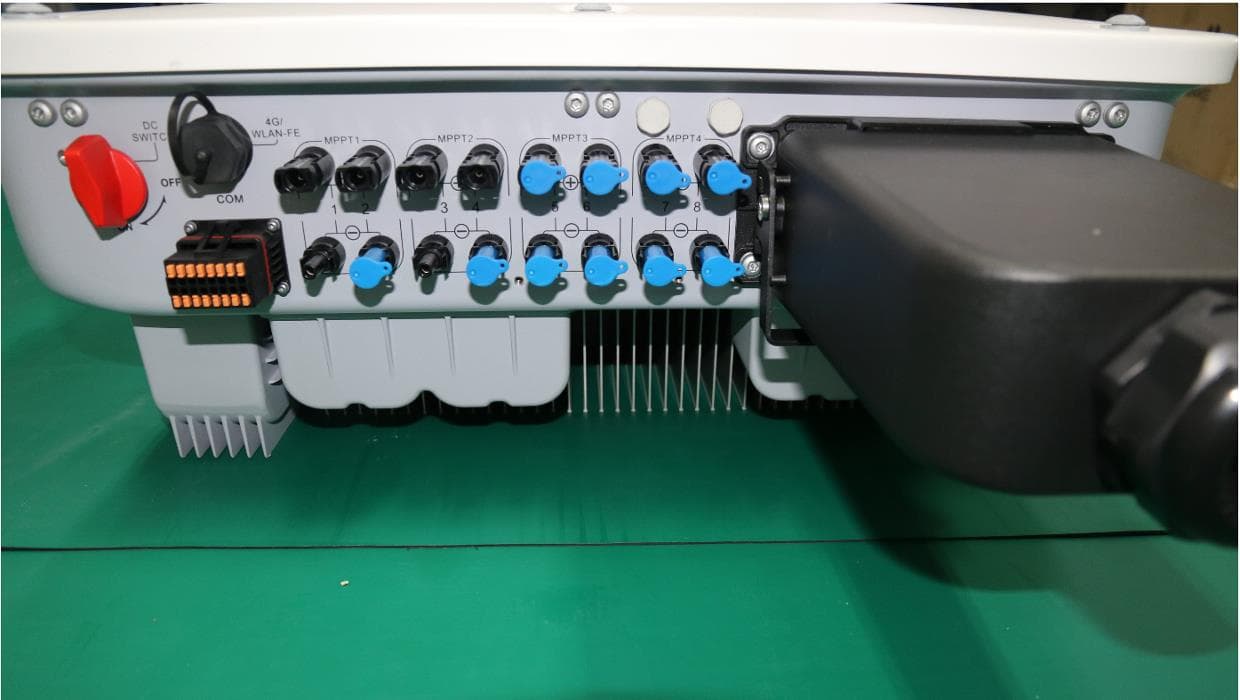
QISSUN2000
Jun 27, 2021Solar Inverter
Equipment Class
DTS - Digital Transmission System
QISCP81-1
Oct 22, 2020Watch Wireless Charger
Equipment Class
DCD - Part 15 Low Power Transmitter Below 1705 kHz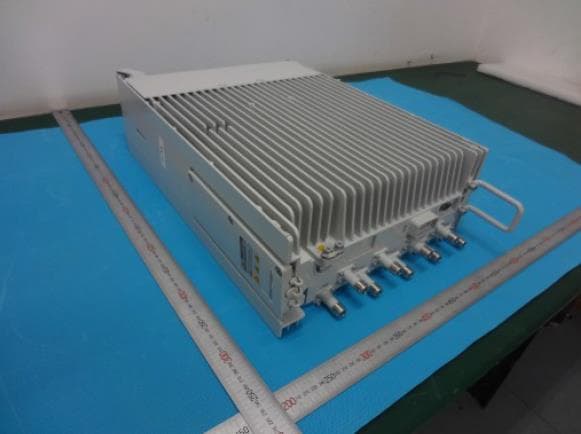
QISRRU3278
Sep 02, 2020Remote Radio Unit
Equipment Class
CBD - Citizens Band Category A and B Devices
QISR2561
Jul 11, 2020Indoor Router
Equipment Class
DTS - Digital Transmission System
QISSMARTLOGGER310
Mar 23, 2020Solar Smart Monitor & Data Logger
Equipment Class
DTS - Digital Transmission System