QISNXT-L09Smart Phone
Huawei Technologies Co.,Ltd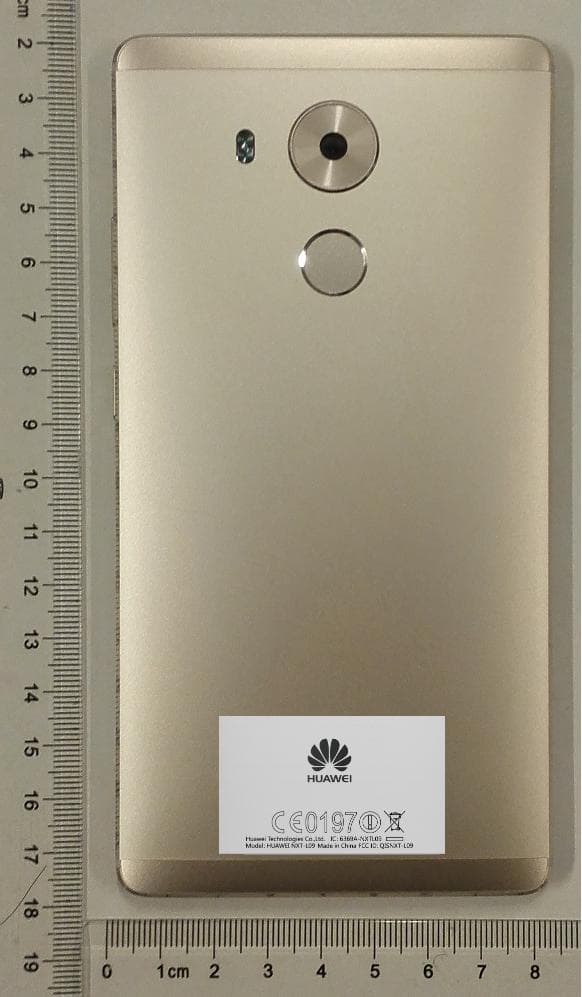
Click to zoom
Application Details
- Equipment Class
- NII - Unlicensed National Information Infrastructure TX
- Date of Grant
- Dec 17, 2015
- Application Purpose
- Original Equipment
- Date of Application
- Dec 17, 2015
- Equipment Note
- Smart Phone
- Frequency Range
- 5745.00000000 - 5825.00000000
- Company
- Huawei Technologies Co.,Ltd
- Country
- China
Documents & Files
Document Text
Text extracted from the exhibit documents filed with the FCC. Open a document above to read the original.
Users Manual
Quick Start Guide For more information Open HiCare to read the user guide and service information or get help from the online forum. Go to http://consumer.huawei.com/en/ to download the user guide for your device (including safety information) and read the FAQ, privacy policy, and other information. Go to Settings > About phone > Legal information to read the legal information. Please visit http://consumer.huawei.com/en/support/hotline/ for the most up-to-date contact information for your country or region. You can find the regulatory information on the device itself. To view it, touch Settings > About phone > Authentication info. Your phone at a glance Before you start, let's take a look at your new phone. Press and hold the power button to turn your phone on or off. To forcibly restart your phone, press and hold the power button until your phone vibrates. Camera Flash Micro USB port Microphone Power button Volume button Earpiece Speaker Proximity sensor Headset jack Fingerprint scanner Status indicator Card slot Front camera Microphone Noise reduction microphone NFC Getting started Follow the instructions in the following figures to set up your phone. Do not insert or remove a SIM card while your phone is on. Please exercise caution when using the SIM ejector pin to avoid hurting your fingers or damaging your phone. Store your pin in a safe place out of the reach of children to prevent them from swallowing it or injuring themselves by accident. Caution Insert the SIM card into the correct card slot to ensure that it can be recognized by the phone. Fingerprint identification A unique fingerprint is the safest key. You can use your fingerprint to unlock a file safe or app lock, take photos, unlock your screen, answer calls and stop alarms. Safety has been made easy with fingerprints. Touch Settings > Fingerprint ID > Fingerprint management > New fingerprint and follow the onscreen instructions to enroll your fingerprint. When enrolling your fingerprint, make sure the fingerprint sensor and your fingers are dry and clean. Locking and unlocking the screen Press the power button to lock the screen. If your phone is idle for a specified period of time, the screen will automatically lock itself. If the screen is off, press the power button to turn it on. Slide your finger in any direction to unlock the screen. Swipe up from the bottom of the screen to open the control panel for magazine unlock. You can also quickly launch commonly used applications without unlocking the screen. Calling and messaging Touch to make a call using the dialer. You can also touch a phone number in your contacts, or a number in a message, email, web page, or other source to place a call. Touch to send a text or multimedia message. You can save photos, audio clips, videos, and other attachments from received multimedia messages. Camera Touch . Frame the scene you want to capture. Let your camera focus automatically or touch the screen to focus on a specific object. Then touch to take a photo. Swipe left or right to switch between different capture modes. Light painting mode uses long exposure times to capture illuminated objects in a dark background. Time-lapse mode lets you record the slow transformation of objects or scenes, such as a blooming flower or the setting sun. Internet connection You can access the Internet over Wi-Fi or a mobile data network. Swipe down from the status bar to open the notification panel. Touch to turn on mobile data. Touch and hold to go to the Wi-Fi settings screen. Turn on Wi- Fi and connect to a Wi-Fi network. Turn off mobile data when you don't need it to reduce your mobile data usage. Backing up data Touch . Touch to open the settings menu. You can set how often you want to back up your data by following the onscreen instructions. Touch and select the data that you want to back up, such as your contacts, messages, and photos. Then follow the onscreen instructions to complete the backup. Phone manager Touch . You can quickly scan your phone for potential risks with one touch. Follow the onscreen instructions to use one-touch optimization, or manually clean the system storage and manage your applications. Touch the options on the screen to clean your system trash, set the harassment filter, activate power saving mode, manage your applications' notification permissions, and more. Voice commands Touch > Smart assistance > Voice control > Voice wakeup and enable speech awareness. Follow the onscreen instructions to set up voice commands. You can then issue commands to make calls and find your phone. Safety information This section contains important information about the operation of your device. It also contains information about how to use the device safely. Read this information carefully before using your device. Electronic device Do not use your device if using the device is prohibited. Do not use the device if doing so causes danger or interference with other electronic devices. Interference with medical equipment •Follow rules and regulations set forth by hospitals and health care facilities. Do not use your device where prohibited. •Some wireless devices may affect the performance of hearing aids or pacemakers. Consult your service provider for more information. •Pacemaker manufacturers recommend that a minimum distance of 15 cm be maintained between a device and a pacemaker to prevent potential interference with the pacemaker. If using a pacemaker, hold the device on the side opposite the pacemaker and do not carry the device in your front pocket. Protecting your hearing when using a headset • To prevent possible hearing damage, do not listen at high volume levels for long periods. •Using a headset at high volumes may damage your hearing. To reduce this risk, lower the headset volume to a safe and comfortable level. •Exposure to high volumes while driving may cause distraction and increase your risk of an accident. Areas with flammables and explosives •Do not use the device where…
Text truncated - open the document above for the full version.
Cover Letter(s)
Huawei Technologies Co.,Ltd. Federal Communications Commission 2015-12-10 7435 Oakland Mills Road Columbia MD 21046 Subject: Request for Confidentiality FCC ID: QISNXT-L09 To Whom It May Concern: Pursuant to the provisions of Sections 0.457 and 0.459 of the Commission’s rules (47 CFR §§ 0.457, 0.459), we are requesting the Commission to withhold the following attachments as confidential document from public disclosure indefinitely. Schematic Diagram Block Diagram Operational Description Bom List Tune-Up Procedure Above mentioned document contains detailed system and equipment description are considered as proprietary information in operation of the equipment. The public disclosure of above documents might be harmful to our company and would give competitor an unfair advantage in the market. ***************************************************************************** In additional to above mentioned documents, pursuant to Public Notice DA 04-1705 of the Commission’s policy, in order to comply with the marketing regulations in 47 CFR §2.803 and the importation rules in 47 CFR §2.1204, while ensuring that business sensitive information remains confidential until the actual marketing of newly authorized devices. We are requesting the Commission withholds the following documents from public viewing until 2016-3-30: External Photos Internal Photos Test Setup Photos User Manual ****************************************************************************** It is our understanding that all measurement test reports, FCC ID label format and correspondent during certification review process cannot be granted as confidential documents and those information will be available for public review once the grant of equipment authorization is issued. Best Regards Zhang Xinghai EMC Laboratory Manager Huawei Technologies Co., Ltd. Address: Administration Building, Headquarters of Huawei Technologies Co., Ltd., Bantian, Longgang District, Shenzhen, 518129, P.R.C E-mail: [email protected] Tel: 0086-0755-28970299 Fax: 0086-0755-89650226
Cover Letter(s)
Huawei Technologies Co., Ltd. Address:Huawei Industrial Base, Bantian, Longgang, Shenzhen, P.R China Post ZIP:518129 Page :1/1 To: TÜV SÜD Certification and Testing (China) Co., Ltd. Fax : NULL From:Zhang Xinghai Fax:0086-0755-89650266 Tel:0086-0755-28970299 Email address: [email protected] Http: www.huawei.com Subject:Letter of Authorization 2015-07-15 To whom it may concern: We the undersigned, hereby authorize TÜV SÜD Certification and Testing (China) Co., Ltd. to act on our behalf in all manners relating to application for equipment authorization, including signing of all documents relating to these matters. Any and all acts carried out by TÜV SÜD Certification and Testing (China) Co., Ltd. on our behalf shall have the same affect as acts of our own. This authorization is valid until further written notice from Huawei Technologies Co., Ltd. . Sincerely, For and Behalf of: Huawei Technologies Co., Ltd. Zhang Xinghai EMC Laboratory Manager
Cover Letter(s)
12_5G Wi-Fi Declaration Letter V1.0 Huawei Technologies Co.,Ltd. Statement Federal Communications Commission 2015-12-11 Oakland Mills Road Columbia MD 21046 Subject: Statement for 5G Wi-Fi TM The information within this section of the Operational Description is to show compliance against the Software Security Requirements laid out within KDB 594280 D02 U-NII Device Security v01r02. The information below describes how we maintain the overall security measures and systems so that only: 1. Authenticated software is loaded and operating on the device 2. The device is not easily modified to operate with RF parameters outside of the authorization General Description 1. Describe how any software/firmware update will be obtained, downloaded, and installed. Software that is accessed through manufacturer’s website or device’s management system, must describe the different levels of security. There are two methods of updating the software/firmware on the device and these are either Firmware Over the Air (FOTA) from the User’s Service Provider or via a hardware connection to a computer supporting the download client. The download client is a software tool that has to be downloaded from the Huawei web site. Via OTA, the device has to be powered on and in Idle mode, registered with the Users Service provider. The User is informed that there is a new software/firmware version available, the option to update the software/firmware is selected then the download commences without any user intervention as all authentication is done directly between the device and the Service Provider. The user is then requested to power cycle the device to active the newly installed SW. Via the download client, the device is to be initially recognized by the download client as being an authentic device via the correct authentication certificates held on the device. The User is then advised of the Software/Firmware updates that are available for download to their device. The User requests the necessary updates and the Software/Firmware is 12_5G Wi-Fi Declaration Letter V1.0 downloaded to the device without any further User intervention as all authentications is carried out between the certificates held on the device and the download client. As part of the Software/Firmware update, the device power cycles so that is ready for the User to disconnect from the download Client and continue using. 2. Describe all the radio frequency parameters that are modified by any software/firmware without any hardware changes. Are these parameters in some way limited, such that, it will not exceed the authorized parameters? The Software/Firmware in the device, controls the following RF parameters: 1. Transmitter Frequency 2. Transmitter Output Power 3. Receiver Frequency 4. Channel Bandwidth 5. RSSI calibration The Software/Firmware controls the RF parameters listed above so as to comply with the specific set of regulatory limits in accordance with the FCC grants issued for this device. Yes. The RF parameters are limited to comply with FCC rules and requirements during calibration of the device in the factory. Security keys (certification certificates) are in place to ensure that these parameters cannot be access by the User and/or a 3rd party 3. Describe in detail the authentication protocols that are in place to ensure that the source of the software/firmware is legitimate. Describe in detail how the software is protected against modification. All software images are digitally signed with public key cryptography. Images are signed by private key stored in securely merged server, and verified by public key stored in a device when they are flashed into the device. Some SW images are verified with the public key when they are executed. 4. Describe in detail the verification protocols in place to ensure that installed software/firmware is legitimate. The same as General Description Q3 5. Describe in detail any encryption methods used to support the use of legitimate software/firmware. Software/firmware is not encrypted. 6. For a device that can be configured as a master and client (with active or passive scanning), explain how the device ensures compliance for each mode? In particular if the device acts as master in some band of operation and client in another; how is compliance ensured in each band of operation? This handset will only operate as a master device in hot spot mode and in Wi-Fi direct mode, both of which are limited to the 2.4GHz band on channels 1 – 11 only. This device can only be configured as a client in all UNII bands where it operates using passive scanning techniques. 3rd Party Access Control 1. Explain if any third parties have the capability to operate a US sold device on any other regulatory domain, frequencies, or in any manner that is in violation of the certification. 3rd party does not have the capability 12_5G Wi-Fi Declaration Letter V1.0 2. What prevents third parties from loading non-US versions of the software/firmware on the device? Describe in detail how the device is protected from “flashing” and the installation of third-party firmware such as DD-WRT.6 3rd party cannot access SW/FW 3. For Certified Transmitter modular devices, describe how the module grantee ensures that hosts manufactures fully comply with these software security requirements for U-NII devices. If the module is controlled through driver software loaded in the host, describe how the drivers are controlled and managed such that the modular transmitter parameters are not modified outside the grant of authorization.7 NA SOFTWARE CONFIGURATION DESCRIPTION 1. To whom is the UI accessible? (Professional installer, end user, other.) NA a) What parameters are viewable to the professional installer/end-user?6 NA b) What parameters are accessible or modifiable to the professional installer? NA i) Are the parameters in some way limited, so that the installers will not enter parameters that exceed those authorized? NA ii) What controls exist that the us…
Text truncated - open the document above for the full version.
Cover Letter(s)
20_Electronic Label Letter V1.0 Huawei Technologies Co.,Ltd. Federal Communications Commission 2015-12-16 Oakland Mills Road Columbia MD 21046 Subject: Electronic Label Letter FCC ID: QISNXT-L09 To Whom It May Concern: Pursuant to the provisions of KDB 784748 D02 e labeling v01, we hereby provide the following statement: This device have a integrated display screen can present the required label information electronically (e-label) in lieu of a physical label or nameplate. The end user can access the electronic label with three steps. The information of electronic label is programmed by Huawei, any can’t be modified by any third party. If have any questions concerning the above, please contact the undersigned. Best Regards Zhang Xinghai EMC Laboratory Manager Huawei Technologies Co., Ltd. E-mail: [email protected] Tel: 0086-0755-28970299 Fax: 0086-0755-89650226
External Photos
External Photos of HUAWEI NXT-L09 SECRET Page1,Total 3 External Photos of HUAWEI NXT-L09 External Photos of HUAWEI NXT-L09 SECRET Page2,Total 3 External Photos of HUAWEI NXT-L09 SECRET Page3,Total 3
ID Label/Location Info
HUAWEI NXT-L09 SECRET Page1, Total 1 ID Label HUAWEI NXT-L09 HUAWEI NXT-L09 SECRET Page2, Total 1 HUAWEI NXT-L09 SECRET Page3, Total 1 HUAWEI NXT-L09 SECRET Page4, Total 1
Internal Photos
HUAWEI NXT-L09 SECRET Page1,Total 5 Internal Photos of HUAWEI NXT-L09 HUAWEI NXT-L09 SECRET Page2,Total 5 HUAWEI NXT-L09 SECRET Page3,Total 5 HUAWEI NXT-L09 SECRET Page4,Total 5 HUAWEI NXT-L09 SECRET Page5,Total 5
RF Exposure Info
Administration Building, Headquarters of Huawei Technologies Co., Ltd., Bantian, Longgang District, Shenzhen, 518129, P.R.C Tel: +86 755 28780808 Fax: +86 755 89652518 FCC SAR Compliance Test Report Product Name: Smart Phone Model: HUAWEI NXT-L09 Report No.: SYBH(Z-SAR)002112015-2 FCC ID: QISNXT-L09 APPROVED (Lab Manager) PREPARED (Test Engineer) BY DATE 2015-12-14 2015-12-14 Reliability Laboratory of Huawei Technologies Co., Ltd. Report No.: SYBH(Z-SAR)002112015-2 FCC ID: QISNXT-L09 2015-12-14 Page 2 of 215 Table of Contents 1 General Information ............................................................................................................................................... 6 1.1 Statement of Compliance ...................................................................................................................... 6 1.2 RF exposure limits ................................................................................................................................. 7 1.3 EUT Description ..................................................................................................................................... 8 1.3.1 General Description ............................................................................................................................. 11 1.3.2 TDD LTE specification ......................................................................................................................... 12 1.3.3 Power reduction specification .............................................................................................................. 12 1.3.4 Downlink LTE CA specification ............................................................................................................ 14 1.3.5 Dynamic antenna switching specification ............................................................................................ 16 1.4 Test specification(s) ............................................................................................................................ 17 1.5 Testing laboratory ................................................................................................................................ 17 1.6 Applicant and Manufacturer ................................................................................................................. 17 1.7 Application details ................................................................................................................................ 17 1.8 Ambient Condition ............................................................................................................................... 17 2 SAR Measurement System ................................................................................................................................. 18 2.1 SAR Measurement Set-up ................................................................................................................... 18 2.2 Test environment ................................................................................................................................. 19 2.3 Data Acquisition Electronics description ............................................................................................. 19 2.4 Probe description ................................................................................................................................. 20 2.5 Phantom description ............................................................................................................................ 21 2.6 Device holder description .................................................................................................................... 22 2.7 Test Equipment List ............................................................................................................................. 23 3 SAR Measurement Procedure ............................................................................................................................ 24 3.1 Scanning procedure ............................................................................................................................. 24 3.2 Spatial Peak SAR Evaluation .............................................................................................................. 25 3.3 Data Storage and Evaluation ............................................................................................................... 26 4 System Verification Procedure ............................................................................................................................ 28 4.1 Tissue Verification ................................................................................................................................ 28 4.2 System Check ...................................................................................................................................... 33 4.3 System check Procedure ..................................................................................................................... 35 5 SAR measurement variability and uncertainty .................................................................................................... 36 5.1 SAR measurement variability .............................................................................................................. 36 5.2 SAR measurement uncertainty ............................................................................................................ 36 6 SAR Test Configuration ....................................................................................................................................... 37 6.1 Test Positions Configuration ................................................................................................................ 37 6.1.1 General considerations ..................................................................................................................…
Text truncated - open the document above for the full version.
RF Exposure Info
Report No.:SYBH(Z-SAR)002112015-2 FCC ID:QISNXT-L09 Appendix A. System Check Plots Table of contents SystemPerformanceCheck-D750-ES-Head SystemPerformanceCheck-D750-ES-Body SystemPerformanceCheck-D835-EX-Head SystemPerformanceCheck-D835-EX-Head SystemPerformanceCheck-D835-ES-Head SystemPerformanceCheck-D835-ES-Head SystemPerformanceCheck-D835-EX-Body SystemPerformanceCheck-D835-ES-Body SystemPerformanceCheck-D1750-ES-Head SystemPerformanceCheck-D1750-ES-Head SystemPerformanceCheck-D1750-ES-Body SystemPerformanceCheck-D1900-EX-Head SystemPerformanceCheck-D1900-EX-Head SystemPerformanceCheck-D1900-ES-Head SystemPerformanceCheck-D1900-EX-Body SystemPerformanceCheck-D2450-EX-Head SystemPerformanceCheck-D2450-ES-Body SystemPerformanceCheck-D2600-ES-Head SystemPerformanceCheck-D2600-ES-Head SystemPerformanceCheck-D2600-ES-Head SystemPerformanceCheck-D2600-ES-Body SystemPerformanceCheck-D5200-EX-Head SystemPerformanceCheck-D5200-EX-Body SystemPerformanceCheck-D5600-EX-Head SystemPerformanceCheck-D5600-EX-Body SystemPerformanceCheck-D5800-EX-Head SystemPerformanceCheck-D5800-EX-Body Date: 2015-11-13 Test Laboratory: HUAWEI SAR/HAC Lab SystemPerformanceCheck-D750-ES-Head DUT: Dipole 750 MHz D750V3; Type: D750V3; Serial: D750V3 - SN:1044 Communication System: UID 0, CW (0); Frequency: 750 MHz;Duty Cycle: 1:1 Medium parameters used: f = 750 MHz; σ = 0.884 S/m; ε r = 42.524; ρ = 1000 kg/m 3 Phantom section: Flat Section DASY Configuration: lProbe: ES3DV3 - SN3168; ConvF(6.52, 6.52, 6.52); Calibrated: 2015-9- 28; lSensor-Surface: 3mm (Mechanical Surface Detection), z = 2.0, 32.0 lElectronics: DAE4 Sn852; Calibrated: 2015-4-27 lPhantom: SAM3; Type: SAM; Serial: TP-1597 lDASY52 52.8.8(1222); SEMCAD X 14.6.10(7331) Configuration/d=15mm, Pin=250mW/Area Scan (6x14x1): Measurement grid: dx=15mm, dy=15mm Maximum value of SAR (measured) = 2.19 W/kg Configuration/d=15mm, Pin=250mW/Zoom Scan (5x5x7)/Cube 0: Measurement grid: dx=8mm, dy=8mm, dz=5mm Reference Value = 48.87 V/m; Power Drift = -0.15 dB Peak SAR (extrapolated) = 2.97 W/kg SAR(1 g) = 2.01 W/kg; SAR(10 g) = 1.32 W/kg Maximum value of SAR (measured) = 2.35 W/kg 0 dB = 2.35 W/kg = 3.71 dBW/kg Date: 2015-11-14 Test Laboratory: HUAWEI SAR/HAC Lab SystemPerformanceCheck-D750-ES-Body DUT: Dipole 750 MHz D750V3; Type: D750V3; Serial: D750V3 - SN:1044 Communication System: UID 0, CW (0); Frequency: 750 MHz;Duty Cycle: 1:1 Medium parameters used: f = 750 MHz; σ = 0.947 S/m; ε r = 53.504; ρ = 1000 kg/m 3 Phantom section: Flat Section DASY Configuration: lProbe: ES3DV3 - SN3168; ConvF(6.39, 6.39, 6.39); Calibrated: 2015-9- 28; lSensor-Surface: 3mm (Mechanical Surface Detection), z = 2.0, 32.0 lElectronics: DAE4 Sn852; Calibrated: 2015-4-27 lPhantom: SAM4; Type: SAM; Serial: TP-1620 lDASY52 52.8.8(1222); SEMCAD X 14.6.10(7331) Configuration/d=15mm, Pin=250mW/Area Scan (6x14x1): Measurement grid: dx=15mm, dy=15mm Maximum value of SAR (measured) = 2.14 W/kg Configuration/d=15mm, Pin=250mW/Zoom Scan (5x5x7)/Cube 0: Measurement grid: dx=8mm, dy=8mm, dz=5mm Reference Value = 49.29 V/m; Power Drift = -0.12 dB Peak SAR (extrapolated) = 2.99 W/kg SAR(1 g) = 2.05 W/kg; SAR(10 g) = 1.36 W/kg Maximum value of SAR (measured) = 2.40 W/kg 0 dB = 2.40 W/kg = 3.80 dBW/kg Date: 2015-11-10 Test Laboratory: HUAWEI SAR/HAC Lab SystemPerformanceCheck-D835-EX-Head DUT: Dipole 835 MHz D835V2; Type: D835V2; Serial: D835V2 - SN:4d059 Communication System: UID 0, CW; Frequency: 835 MHz;Duty Cycle: 1:1 Medium parameters used: f = 835 MHz; σ = 0.905 S/m; ε r = 40.674; ρ = 1000 kg/m 3 Phantom section: Flat Section DASY Configuration: lProbe: EX3DV4 - SN3736; ConvF(9.07, 9.07, 9.07); Calibrated: 2015-4- 30; lSensor-Surface: 3mm (Mechanical Surface Detection), z = 1.0, 31.0 lElectronics: DAE4 Sn852; Calibrated: 2015-4-27 lPhantom: SAM1; Type: SAM; Serial: TP-1475 lDASY52 52.8.8(1222); SEMCAD X 14.6.10(7331) Configuration/d=15mm, Pin=250mW/Area Scan (6x13x1): Measurement grid: dx=15mm, dy=15mm Maximum value of SAR (measured) = 2.46 W/kg Configuration/d=15mm, Pin=250mW/Zoom Scan (5x5x7)/Cube 0: Measurement grid: dx=8mm, dy=8mm, dz=5mm Reference Value = 52.88 V/m; Power Drift = -0.01 dB Peak SAR (extrapolated) = 3.63 W/kg SAR(1 g) = 2.42 W/kg; SAR(10 g) = 1.57 W/kg Maximum value of SAR (measured) = 2.83 W/kg 0 dB = 2.46 W/kg = 3.91 dBW/kg Date: 2015-11-11 Test Laboratory: HUAWEI SAR/HAC Lab SystemPerformanceCheck-D835-EX-Head DUT: Dipole 835 MHz D835V2; Type: D835V2; Serial: D835V2 - SN:4d059 Communication System: UID 0, CW; Frequency: 835 MHz;Duty Cycle: 1:1 Medium parameters used: f = 835 MHz; σ = 0.921 S/m; ε r = 40.669; ρ = 1000 kg/m 3 Phantom section: Flat Section DASY Configuration: lProbe: EX3DV4 - SN3736; ConvF(9.07, 9.07, 9.07); Calibrated: 2015-4- 30; lSensor-Surface: 3mm (Mechanical Surface Detection), z = 1.0, 31.0 lElectronics: DAE4 Sn914; Calibrated: 2014-12-15 lPhantom: SAM1; Type: SAM; Serial: TP-1475 lDASY52 52.8.8(1222); SEMCAD X 14.6.10(7331) Configuration/d=15mm, Pin=250mW/Area Scan (6x13x1): Measurement grid: dx=15mm, dy=15mm Maximum value of SAR (measured) = 2.49 W/kg Configuration/d=15mm, Pin=250mW/Zoom Scan (5x5x7)/Cube 0: Measurement grid: dx=8mm, dy=8mm, dz=5mm Reference Value = 53.61 V/m; Power Drift = -0.01 dB Peak SAR (extrapolated) = 3.64 W/kg SAR(1 g) = 2.43 W/kg; SAR(10 g) = 1.59 W/kg Maximum value of SAR (measured) = 2.85 W/kg 0 dB = 2.49 W/kg = 3.96 dBW/kg Date: 2015-12-1 Test Laboratory: HUAWEI SAR/HAC Lab SystemPerformanceCheck-D835-ES-Head DUT: Dipole 835 MHz D835V2; Type: D835V2; Serial: D835V2 - SN:4d059 Communication System: UID 0, CW; Frequency: 835 MHz;Duty Cycle: 1:1 Medium parameters used: f = 835 MHz; σ = 0.897 S/m; ε r = 42.51; ρ = 1000 kg/m 3 Phantom section: Flat Section DASY Configuration: lProbe: ES3DV3 - SN3168; ConvF(6.32, 6.32, 6.32); Calibrated: 2015-9- 28; lSensor-Surface: 3mm (Mechanical Surface Detection), z = 2.0, 32.0 lElectronics: DAE4 Sn914; Calibrated: 2014-12-15 lPhantom: SAM2; Type: SAM; Serial: TP:1474 lDASY52 52.8.8(1222); SEMCAD …
Text truncated - open the document above for the full version.
RF Exposure Info
Justification of the extended calibration of Dipole D 835V2 SN:4d059 Per KDB 865664, we have Measured the Impedance and Return Loss as below, and the retur n loss is <-20dB, with 20% of prior calibration; t he real or imaginary parts of t he impedance is with 5 ohm of prior calibration. Therefore the verification result should support extended calibration. Dipole 835 Head TST Target Value Measured Value Difference Impedance transformed to feed point 51.7Ω-2.7jΩ 52.2Ω-2.83jΩ R=0.5Ω, X=-0.13Ω Return Loss -30.2dB -31.74dB -5.1% Dipole 835 Body TST Target Value Measured Value Difference Impedance transformed to feed point 47.1Ω-4.7jΩ 48.07Ω-4.87jΩ R=0.97Ω, X=-0.17Ω Return Loss -24.9dB -25.01dB -0.44% Measured Date 2013-05-02 2015-05-01 ----- Impedance Test-Head Return Loss Test-Head
RF Exposure Info
Justification of the extended calibration of Dipole D 1750V2 SN:1123 Per KDB 865664, we have Measured the Impedance and Return Loss as below, and the return loss is <-20dB, with 20% of prior calibration; the real or imaginary parts of the impedance is with 5 ohm of prior calibration. Therefore the verification result should support extended calibration. Dipole 1750 Head TST Target Value Measured Value Difference Impedance transformed to feed point 50.0Ω-3.7jΩ 49.81Ω-3.99jΩ R=-0.19Ω, X=-0.29Ω Return Loss -28.5dB -28.59dB -0.32% Dipole 1750 Body TST Target Value Measured Value Difference Impedance transformed to feed point 46.4Ω-2.1jΩ 46.26Ω-2.53jΩ R=-0.14Ω, X=-0.43Ω Return Loss -27.2dB -27.01dB 0.70% Measured Date 2014-07-08 2…
Text truncated - open the document above for the full version.
Contact Information
Applicant
Zhang Xinghai
Test Firm
Huawei Technologies Co., LTDZhou Fengyum
Technical Specifications
| # | Rule Parts | Frequency Range | Power Output |
|---|---|---|---|
| 4 | 15E | 5.75 GHz - 5.83 GHz | 20.00 mW |
Other Applications from Huawei Technologies Co.,Ltd
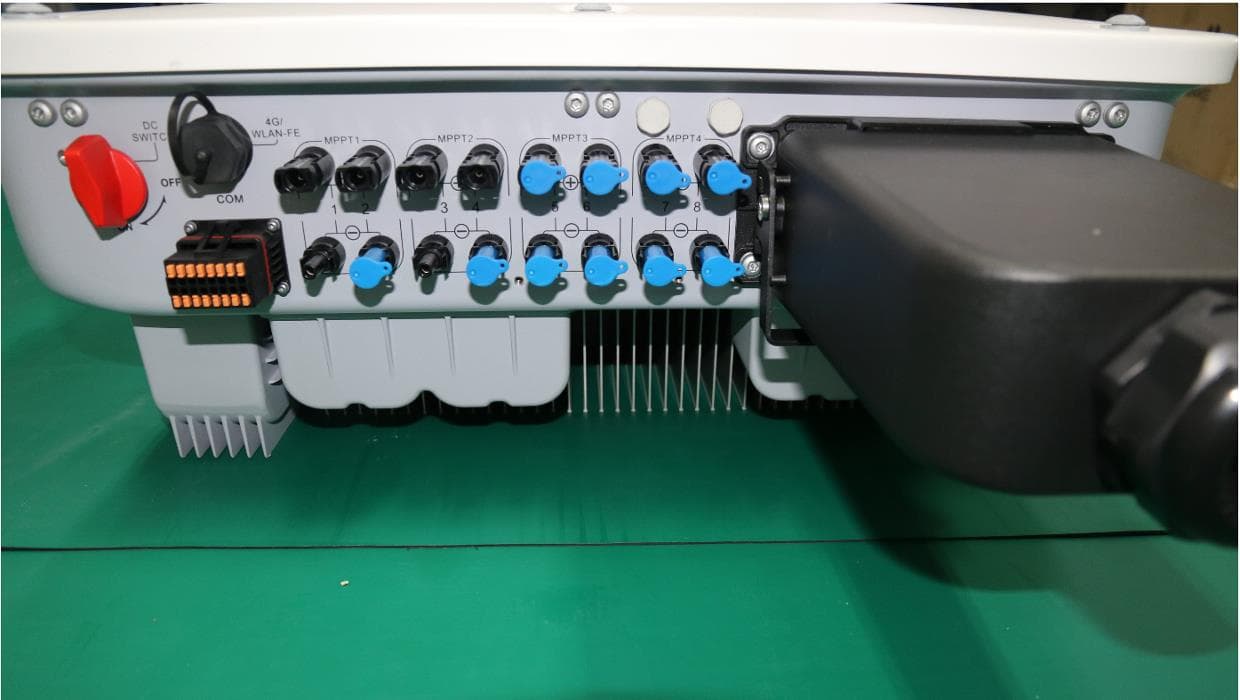
QISSUN2000
Jun 27, 2021Solar Inverter
Equipment Class
DTS - Digital Transmission System
QISCP81-1
Oct 22, 2020Watch Wireless Charger
Equipment Class
DCD - Part 15 Low Power Transmitter Below 1705 kHz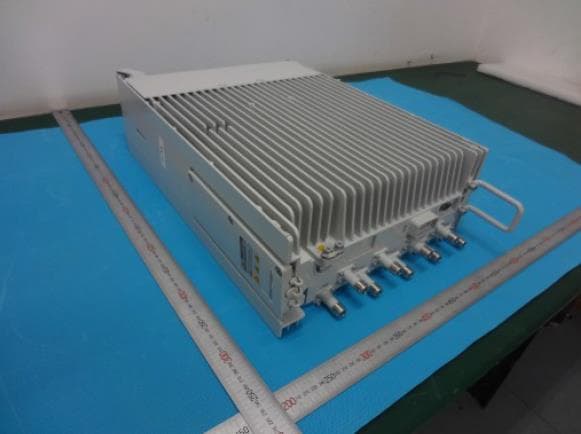
QISRRU3278
Sep 02, 2020Remote Radio Unit
Equipment Class
CBD - Citizens Band Category A and B Devices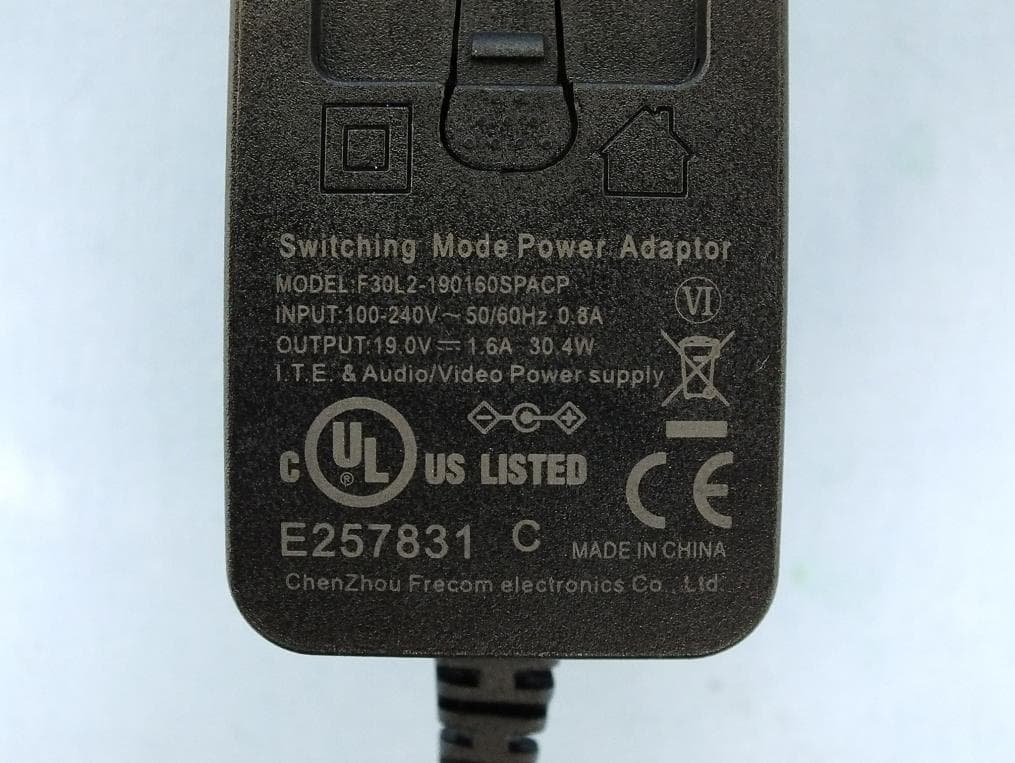
QISR2561
Jul 11, 2020Indoor Router
Equipment Class
DTS - Digital Transmission System
QISSMARTLOGGER310
Mar 23, 2020Solar Smart Monitor & Data Logger
Equipment Class
DTS - Digital Transmission System