QISQ1-218HHSDPA/UMTS/GPRS/GSM/EDGE Mobile Phone with BT
Huawei Technologies Co.,Ltd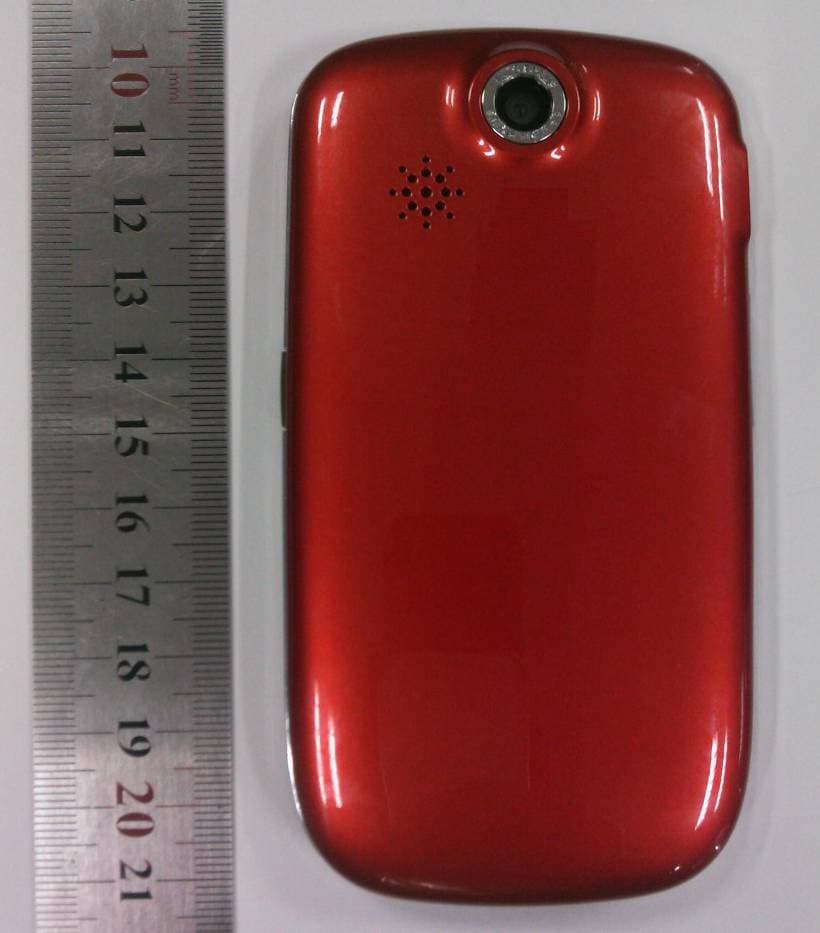
Click to zoom
Application Details
- Equipment Class
- PCE - PCS Licensed Transmitter held to ear
- Date of Grant
- Apr 26, 2010
- Application Purpose
- Original Equipment
- Date of Application
- Apr 26, 2010
- Equipment Note
- HSDPA/UMTS/GPRS/GSM/EDGE Mobile Phone with BT
- Frequency Range
- 1852.40000000 - 1907.60000000
- Company
- Huawei Technologies Co.,Ltd
- Country
- China
Documents & Files
Document Text
Text extracted from the exhibit documents filed with the FCC. Open a document above to read the original.
Users Manual
INQ Chat 3G SAFETY AND PRODUCT INFORMATION 2 USAGE ENvIRONMENT This handset is approved for use on GSM/ GPRS/EDGE 850, 900, 1800, 1900 and WCDMA/HSDPA 850, 1900, 2100 networks. Please remember to obey the relevant rules and regulations whenever you use your handset. This will help keep you and others around you safe. Here are some general rules related to use of your handset in certain places: •Using your handset in a plane can cause interference to the aircraft navigation system and communications. Switch off your handset before boarding and, unless use is permitted by the airline, switch off your handset during the flight. •To keep safe on the road, do not use the handset when driving. If you must use it, and it is permitted in your country, use a hands-free kit with a fixed cradle (and make sure you still exercise proper control of the vehicle) or stop at a safe location by the roadside before making or answering a call. •Switch off your handset when in petrol stations or any area with flammables, explosives or chemicals and follow any safety signs and instructions. •The device complies with the RF specifications when the device is used near your ear or at a distance of 1.5 cm from your body. Ensure that the device accessories such as a device case and a device holster are not composed of metal components. Keep your device 1.5 cm away from your body to meet the requirement earlier mentioned. •Keep the ambient temperature between 0°C and 40°C while the device is being charged. Keep the ambient temperature between -10°C to 55°C for using the device powered by a battery. GENERAl SAFETY AND CARE INSTRUCTIONS •Your handset is a sensitive piece of equipment, always place it somewhere safe and not where it could fall and break. •Do not expose the handset or battery to extreme heat or sun (such as on a car dashboard or window sill) as this may cause the handset or battery to overheat and cause physical injury. SPECIFIC ABSORPTION RATE INFORMATION Your mobile phone is a transmitter and receiver of radio waves. A proportion of the radio waves will be absorbed by the body of the user. The SAR limit adopted by USA and Canada 3 is 1.6 watts/kilogram (W/kg) averaged over one gram of tissue. The highest SAR value reported to the FCC and IC for this device type when tested for use at the ear is 0.745 W/kg, and when properly worn on the body is 1.27 W/kg. Using a hands free kit and using your phone less will reduce exposure. MEDICAl DEvICES •Please switch off your handset when in a hospital or near any electronic medical equipment. Some personal medical devices can shield the handset’s RF signal, but some can’t. If you have any questions or need to find out more, please consult your doctor or the medical device manufacturer. PACEMAKERS •To avoid interference with a pacemaker, pacemaker manufacturers advise keeping a distance between your handset and heart pacemaker of at least 6 inches (15cm). •Anyone wearing a pacemaker should keep a distance between the handset and pacemaker of more than 6 inches (15cm) when the handset is switched on and avoid carrying the handset in a breast pocket. When talking, listen with the handset ear on the opposite side of the body to the pacemaker. HEARING AIDS •Phones may cause interference to some hearing aids. If there is any interference, please contact the manufacturer of your hearing aid for advice. EMERGENCY CAllS •Your handset may not always be in range of a mobile network and networks are sometimes unavailable, so you should not rely on your mobile phone as the only means of communication in an emergency. TO MAKE AN EMERGENCY CAll •Ensure your handset is switched on. •Input the local emergency number correctly (such as 999). Different countries have different emergency numbers. Dial 112 if you do not know the local emergency services number. •Press the call button. •Provide all important information to emergency services as accurately as possible. BATTERY INFORMATION AND CARE •Always use the battery and charger provided with the handset or a battery which is approved for use with the handset. 4 •The charger is for indoor use only. •Do not touch the handset, battery or charger with wet hands while it is charging. •Switch off the handset and disconnect the charger before removing the battery from the handset. •Do not leave the handset or battery in places with extreme heat or cold (such as in a car during summer or winter), or the battery life will be shortened. •Do not short-circuit the battery. Accidental short-circuiting can occur when a metal object (coin, clip or pen) causes a direct connection between the contacts of the battery, for example when you carry a spare battery in a pocket or bag. •Do not burn your handset battery or treat it as ordinary rubbish. Please follow the local environmental policy in order to avoid endangering life and causing environmental damage. Please use any battery recycling service. •If your battery leaks, dispose of it immediately and do not attempt to save it. •The handset uses a lithium battery. How long a charged battery lasts will be influenced by your use of the handset features, the strength of the network signal and the handset settings. •Generally, the charging time is 3-5 hours according to the current status of the handset (whether switched on, making a call, etc). •To extend the battery life, when the battery is new fully charge and discharge the battery (in the handset) two or three times. •Never use a battery that has been damaged. •Make sure the battery is properly installed in the handset. •If the battery life becomes noticeably shorter than normal, it is time to buy a new battery. •If a charger is not in use, disconnect it from the power source. Do not leave the battery connected to a charger for more than the required charging time as overcharging may shorten its life. •When you are not using your handset, it is a good idea to switch it off to save energy. FCC STATEMENT This equipment has been tested and found to …
Text truncated - open the document above for the full version.
Cover Letter(s)
Huawei Technologies Co., Ltd. Address:Huawei Industrial Base,Bantian Longgang,Shenzhen 518129, P.R China Post ZIP:518129 Page :1/1 To: CETECOM Fax : NULL From:Zhang Xinghai Fax:0086-755-89652518 Tel:0086-755-89651014 Email address: [email protected] Http: www.huawei.com Subject:Letter of Confidentiality Federal Communications Commission 7435 Oakland Mills Road Columbia, MD 21046 Gentlemen: This letter is to comply with the Code of Federal Regulations Title 47 Section 0.457 and 0.459 pertaining to confidential material. Huawei Technologies Co., Ltd. would like the following documents regarding this submission for FCC ID: QISQ1-218H to be kept confidential: 1. Schematic diagram. 2. Block Diagram. 3. Parts list (BOM) Information. 4. Operational description. 5. Tune-up procedure The above material contains trade secrets or technical data, which would customarily be guarded from competitors. We do not want these documents to be accessible to the general public. Sincerely, For and Behalf of: Huawei Technologies Co., Ltd. Zhang Xinghai EMC Laboratory Manager
External Photos
Q1-218H HSDPA/UMTS/GPRS/GSM/EDGE Mobile Phone with Bluetooth SECRET Page1,Total 6 External Photos of Q1-218H Q1-218H HSDPA/UMTS/GPRS/GSM/EDGE Mobile Phone with Bluetooth SECRET Page2,Total 6 Q1-218H HSDPA/UMTS/GPRS/GSM/EDGE Mobile Phone with Bluetooth SECRET Page3,Total 6 Q1-218H HSDPA/UMTS/GPRS/GSM/EDGE Mobile Phone with Bluetooth SECRET Page4,Total 6 Q1-218H HSDPA/UMTS/GPRS/GSM/EDGE Mobile Phone with Bluetooth SECRET Page5,Total 6 Q1-218H HSDPA/UMTS/GPRS/GSM/EDGE Mobile Phone with Bluetooth SECRET Page6,Total 6
ID Label/Location Info
Q1-218H HSDPA/UMTS/GPRS/GSM/EDGE Mobile Phone with Bluetooth SECRET Page1, Total 2 ID Label Q1-218H
ID Label/Location Info
Q1-218H HSDPA/UMTS/GPRS/GSM/EDGE Mobile Phone with Bluetooth SECRET Page1, Total 2 Label Location Q1-218H
Internal Photos
Q1-218H HSDPA/UMTS/GPRS/GSM/EDGE Mobile Phone with Bluetooth SECRET Page1,Total 6 Internal Photos of Q1-218H Q1-218H HSDPA/UMTS/GPRS/GSM/EDGE Mobile Phone with Bluetooth SECRET Page2,Total 6 Q1-218H HSDPA/UMTS/GPRS/GSM/EDGE Mobile Phone with Bluetooth SECRET Page3,Total 6 Q1-218H HSDPA/UMTS/GPRS/GSM/EDGE Mobile Phone with Bluetooth SECRET Page4,Total 6 Q1-218H HSDPA/UMTS/GPRS/GSM/EDGE Mobile Phone with Bluetooth SECRET Page5,Total 6 Q1-218H HSDPA/UMTS/GPRS/GSM/EDGE Mobile Phone with Bluetooth SECRET Page6,Total 6
RF Exposure Info
Report No.: RZA2010-0266 TESTING No. L2264 OET 65 TEST REPORT Product Name HSDPA/UMTS/GPRS/GSM/EDGE Mobile Phone with Bluetooth Model Q1-218H FCC ID QISQ1-218H Client INQ Mobile Limited TA Technology (Shanghai) Co., Ltd. GENERAL SUMMARY Product Name HSDPA/UMTS/GPRS/GSM/EDGE Mobile Phone with Bluetooth Model Q1-218H FCC ID QISQ1-218H Report No. RZA2010-0266 Client INQ Mobile Limited Manufacturer INQ Mobile Limited Reference Standard(s) IEEE Std C95.1, 1999: IEEE Standard for Safety Levels with Respect to Human Exposure to Radio Frequency Electromagnetic Fields, 3 kHz to 300 GHz. IEEE 1528–2003: Recommended Practice for Determining the Peak Spatial-Average Specific Absorption Rate (SAR) in the Human Head Due to Wireless Communications Devices: Experimental Techniques. OET Bulletin 65 supplement C, published June 2001 including DA 02-1438, published June 2002: Additional Information for Evaluating Compliance of Mobile and Portable Devices with FCC Limits. Transition Period for the Phantom Requirements of Supplement C to OET Bulletin 65. RSS-102 Issue 4 March 2010: Radio Frequency (RF) Exposure Compliance of Radiocommunication Apparatus (All Frequency Bands) Conclusion This portable wireless equipment has been measured in all cases requested by the relevant standards. Test results in Chapter 7 of this test report are below limits specified in the relevant standards. General Judgment: Pass (Stamp) Date of issue: March 8 th , 2010 Comment The test result only responds to the measured sample. Approved by Yang Weizhong Revised by Ling Minbao Performed by Wang Lu TA Technology (Shanghai) Co., Ltd. Test Report Report No.: RZA2010-0266 Page 3of 146 TABLE OF CONTENT 1. General Information ..................................................................................................................... 5 1.1. Notes of the test report.........................................................................................................5 1.2. Testing laboratory .................................................................................................................5 1.3. Applicant Information ............................................................................................................6 1.4. Manufacturer Information ......................................................................................................6 1.5. Information of EUT................................................................................................................7 1.6. Test Date ..............................................................................................................................8 2. Operational Conditions during Test ..............................................................................................9 2.1. General description of test procedures .................................................................................9 2.2. GSM Test Configuration ........................................................................................................9 2.3. WCDMA Test Configuration ..................................................................................................9 2.3.1. Output power Verification ..............................................................................................9 2.3.2. Head SAR Measurements .............................................................................................9 2.3.3. Body SAR Measurements ...........................................................................................10 2.4. HSDPA Test Configuration ..................................................................................................10 3. SAR Measurements System Configuration ................................................................................ 13 3.1. SAR Measurement Set-up ..................................................................................................13 3.2. DASY5 E-field Probe System .............................................................................................14 3.2.1. EX3DV4 Probe Specification .......................................................................................14 3.2.2. E-field Probe Calibration ..............................................................................................15 3.3. Other Test Equipment .........................................................................................................15 3.3.1. Device Holder for Transmitters ....................................................................................15 3.3.2. Phantom......................................................................................................................16 3.4. Scanning procedure............................................................................................................16 3.5. Data Storage and Evaluation ..............................................................................................18 3.5.1. Data Storage................................................................................................................18 3.5.2. Data Evaluation by SEMCAD ......................................................................................18 3.6. System check......................................................................................................................21 3.7. Equivalent Tissues ..............................................................................................................22 4. Laboratory Environment............................................................................................................. 23 5. Characteristics of the Test .......................................................................................................... 23 5.1. Applicable Limit Regulations ...............................................................................................23 5.2. Applicable Measurement Standards...........................................…
Text truncated - open the document above for the full version.
RF Exposure Info
TA Technology (Shanghai) Co., Ltd. Test Report Report No.: RZA2010-0266 Page 91of 146 WCDMA Band II Towards Ground Middle Date/Time: 3/5/2010 1:02:30 AM Communication System: WCDMA Band II; Frequency: 1880 MHz;Duty Cycle: 1:1 Medium parameters used: f = 1880 MHz; σ = 1.49 mho/m; ε r = 52.7; ρ = 1000 kg/m 3 Ambient Temperature:22.3 °C Liqiud Temperature: 21.5°C DASY5 Configuration: Probe: EX3DV4 - SN3677; ConvF(7.62, 7.62, 7.62); Calibrated: 9/23/2009 Electronics: DAE4 Sn871; Calibrated: 11/11/2009 Phantom: SAM2; Type: SAM; Measurement SW: DASY5, V5.0 Build 120; SEMCAD X Version 13.4 Build 45 Towards Ground Middle/Area Scan (51x91x1): Measurement grid: dx=15mm, dy=15mm Maximum value of SAR (interpolated) = 0.493 mW/g Towards Ground Middle/Zoom Scan (7x7x7)/Cube 0: Measurement grid: dx=5mm, dy=5mm, dz=5mm Reference Value = 10.3 V/m; Power Drift = -0.027 dB Peak SAR (extrapolated) = 0.806 W/kg SAR(1 g) = 0.451 mW/g; SAR(10 g) = 0.269 mW/g Maximum value of SAR (measured) = 0.480 mW/g Figure 52 Body, Towards Ground, WCDMA Band II Channel 9400 TA Technology (Shanghai) Co., Ltd. Test Report Report No.: RZA2010-0266 Page 92of 146 WCDMA Band II Towards Ground Low Date/Time: 3/5/2010 1:49:35 AM Communication System: WCDMA Band II; Frequency: 1852.4 MHz;Duty Cycle: 1:1 Medium parameters used (interpolated): f = 1852.4 MHz; σ = 1.46 mho/m; ε r = 52.8; ρ = 1000 kg/m 3 Ambient Temperature:22.3 °C Liqiud Temperature: 21.5°C DASY5 Configuration: Probe: EX3DV4 - SN3677; ConvF(7.62, 7.62, 7.62); Calibrated: 9/23/2009 Electronics: DAE4 Sn871; Calibrated: 11/11/2009 Phantom: SAM2; Type: SAM; Measurement SW: DASY5, V5.0 Build 120; SEMCAD X Version 13.4 Build 45 Towards Ground Low/Area Scan (51x91x1): Measurement grid: dx=15mm, dy=15mm Maximum value of SAR (interpolated) = 0.497 mW/g Towards Ground Low/Zoom Scan (7x7x7)/Cube 0: Measurement grid: dx=5mm, dy=5mm, dz=5mm Reference Value = 11 V/m; Power Drift = -0.102 dB Peak SAR (extrapolated) = 0.786 W/kg SAR(1 g) = 0.449 mW/g; SAR(10 g) = 0.267 mW/g Maximum value of SAR (measured) = 0.480 mW/g Figure 53 Body, Towards Ground, WCDMA Band II Channel 9262 TA Technology (Shanghai) Co., Ltd. Test Report Report No.: RZA2010-0266 Page 93of 146 WCDMA Band II Towards Phantom Middle Date/Time: 3/5/2010 12:24:05 AM Communication System: WCDMA Band II; Frequency: 1880 MHz;Duty Cycle: 1:1 Medium parameters used: f = 1880 MHz; σ = 1.49 mho/m; ε r = 52.7; ρ = 1000 kg/m 3 Ambient Temperature:22.3 °C Liqiud Temperature: 21.5°C DASY5 Configuration: Probe: EX3DV4 - SN3677; ConvF(7.62, 7.62, 7.62); Calibrated: 9/23/2009 Electronics: DAE4 Sn871; Calibrated: 11/11/2009 Phantom: SAM2; Type: SAM; Measurement SW: DASY5, V5.0 Build 120; SEMCAD X Version 13.4 Build 45 Towards Phantom Middle/Area Scan (51x91x1): Measurement grid: dx=15mm, dy=15mm Maximum value of SAR (interpolated) = 0.262 mW/g Towards Phantom Middle/Zoom Scan (7x7x7)/Cube 0: Measurement grid: dx=5mm, dy=5mm, dz=5mm Reference Value = 7.53 V/m; Power Drift = -0.104 dB Peak SAR (extrapolated) = 0.425 W/kg SAR(1 g) = 0.254 mW/g; SAR(10 g) = 0.148 mW/g Maximum value of SAR (measured) = 0.271 mW/g Towards Phantom Middle/Zoom Scan (7x7x7)/Cube 1: Measurement grid: dx=5mm, dy=5mm, dz=5mm Reference Value = 7.53 V/m; Power Drift = -0.104 dB Peak SAR (extrapolated) = 0.425 W/kg SAR(1 g) = 0.241 mW/g; SAR(10 g) = 0.139 mW/g Maximum value of SAR (measured) = 0.262 mW/g Figure 54 Body, Towards Phantom, WCDMA Band II Channel 9400 TA Technology (Shanghai) Co., Ltd. Test Report Report No.: RZA2010-0266 Page 94of 146 WCDMA Band II Towards Ground with Earphone High Date/Time: 3/5/2010 10:18:02 AM Communication System: WCDMA Band II; Frequency: 1907.6 MHz;Duty Cycle: 1:1 Medium parameters used: f = 1908 MHz; σ = 1.53 mho/m; ε r = 52.6; ρ = 1000 kg/m 3 Ambient Temperature:22.3 °C Liqiud Temperature: 21.5°C DASY5 Configuration: Probe: EX3DV4 - SN3677; ConvF(7.62, 7.62, 7.62); Calibrated: 9/23/2009 Electronics: DAE4 Sn871; Calibrated: 11/11/2009 Phantom: SAM2; Type: SAM; Measurement SW: DASY5, V5.0 Build 120; SEMCAD X Version 13.4 Build 45 Towards Ground High/Area Scan (51x91x1): Measurement grid: dx=15mm, dy=15mm Maximum value of SAR (interpolated) = 0.528 mW/g Towards Ground High/Zoom Scan (7x7x7)/Cube 0: Measurement grid: dx=5mm, dy=5mm, dz=5mm Reference Value = 11 V/m; Power Drift = -0.053 dB Peak SAR (extrapolated) = 0.892 W/kg SAR(1 g) = 0.499 mW/g; SAR(10 g) = 0.299 mW/g Maximum value of SAR (measured) = 0.528 mW/g Figure 55 Body with Earphone, Towards Ground, WCDMA Band II Channel 9538 TA Technology (Shanghai) Co., Ltd. Test Report Report No.: RZA2010-0266 Page 95of 146 WCDMA Band II+HSDPA Towards Ground High Date/Time: 3/5/2010 9:32:31 AM Communication System: WCDMA Band II+HSDPA; Frequency: 1907.6 MHz;Duty Cycle: 1:1 Medium parameters used: f = 1908 MHz; σ = 1.53 mho/m; ε r = 52.6; ρ = 1000 kg/m 3 Ambient Temperature:22.3 °C Liqiud Temperature: 21.5°C DASY5 Configuration: Probe: EX3DV4 - SN3677; ConvF(7.62, 7.62, 7.62); Calibrated: 9/23/2009 Electronics: DAE4 Sn871; Calibrated: 11/11/2009 Phantom: SAM2; Type: SAM; Measurement SW: DASY5, V5.0 Build 120; SEMCAD X Version 13.4 Build 45 Towards Ground High/Area Scan (51x91x1): Measurement grid: dx=15mm, dy=15mm Maximum value of SAR (interpolated) = 0.600 mW/g Towards Ground High/Zoom Scan (7x7x7)/Cube 0: Measurement grid: dx=5mm, dy=5mm, dz=5mm Reference Value = 11.5 V/m; Power Drift = -0.007 dB Peak SAR (extrapolated) = 1.01 W/kg SAR(1 g) = 0.560 mW/g; SAR(10 g) = 0.331 mW/g Maximum value of SAR (measured) = 0.597 mW/g Figure 56 Body, Towards Ground, WCDMA Band II HSDPA Channel 9538 TA Technology (Shanghai) Co., Ltd. Test Report Report No.: RZA2010-0266 Page 96of 146 WCDMA Band V Left Cheek High Date/Time: 3/2/2010 1:13:32 PM Communication System: WCDMA Band V; Frequency: 846.6 MHz;Duty Cycle: 1:1 Medium parameters used: f = 847 MHz; σ = 0.934 mho/m; ε r = 42.5; ρ = 1000 kg/m 3 Ambient Temperature:22.3 °C Liqiud Temperature: 21.5°C DASY5 Configuration: Probe: EX3DV4 - SN3677; ConvF(9.2,…
Text truncated - open the document above for the full version.
Test Report
FCC&IC Test Report Product Name: HSDPA/UMTS/GPRS/GSM/EDGE Mobile Phone with Bluetooth Model Number: Q1-218H Report No: SYBHZ(R)E043012010EB-2 FCC ID: QISQ1-218H IC:6369A-Q1218H Reliability Laboratory of Huawei Technologies Co., Ltd. Huawei Base, Bantian, Longgang District, Shenzhen 518129, P.R. China Tel: +86 755 28780808 Fax: +86 755 89652518 FCC&IC Test Report of Q1-218H FCC ID: QISQ1-218H IC:6369A-Q1218H Security Level: Public Report No: SYBHZ(R)E043012010EB-2 Confidential Information of Huawei. No Distribution without Written Permission Page2, Total34 Notice 1. The laboratory has obtained the accreditation of China National Accreditation Service for Conformity Assessment (CNAS), and accreditation number: L0310. 2. The laboratory has obtained the accreditation of THE AMERICAN ASSOCIATION FOR LABORATORY ACCREDITATION (A2LA), and Accreditation Council Certificate Number: 2174.01. 3. The laboratory has been listed on the US Federal Communications Commission list of test facilities recognized to perform electromagnetic emissions measurements. The site recognition number is 97456. 4. The laboratory has been listed by industry Canada to perform electromagnetic emission measurement. The site recognition number is 6369A-1. 5. The laboratory also has been listed by the VCCI to perform EMC measurements. The accreditation number is R2364, C2583, and T256. 6. The test report is invalid if not marked with "exclusive stamp for the test report". 7. The test report is invalid if not marked with the stamps or the signatures of the persons responsible for performing, revising and approving the test report. 8. The test report is invalid if there is any evidence of erasure and/or falsification. 9. If there is any dissidence for the test report, please file objection to the test centre within 15 days from the date of receiving the test report. 10. Normally, the test report is only responsible for the samples that have undergone the test. 11. Context of the test report cannot be used partially or in full for publicity and/or promotional purposes without previous written approval of the laboratory. FCC&IC Test Report of Q1-218H FCC ID: QISQ1-218H IC:6369A-Q1218H Security Level: Public Report No: SYBHZ(R)E043012010EB-2 Confidential Information of Huawei. No Distribution without Written Permission Page3, Total34 REPORT ON FCC&IC Test of HSDPA/UMTS/GPRS/GSM/EDGE Mobile Phone with Bluetooth M/N: Q1-218H Report No: SYBHZ(R)E043012010EB-2 FCC ID: QISQ1-218H IC:6369A-U7519 REGULATION FCC CFR47 Part 2: Subpart J; FCC CFR47 Part 22: Subpart H; RSS-Gen Issue 2 RSS-132 Issue 2 CONCLUSION PASS General Manager 2010.03.09 Date Name signature Technical Responsibility For Area of Testing 2010.03.09 Date Name signature Test Lab Engineer 2010.03.09 Date Name signature FCC&IC Test Report of Q1-218H FCC ID: QISQ1-218H IC:6369A-Q1218H Security Level: Public Report No: SYBHZ(R)E043012010EB-2 Confidential Information of Huawei. No Distribution without Written Permission Page4, Total34 Contents 1 Summary.................................................................................................................................................... 5 2 Product Description.................................................................................................................................. 6 2.1 PRODUCTION INFORMATION................................................................................................................... 6 2.2 MODIFICATION INFORMATION.................................................................................................................. 6 3 Test Site Description................................................................................................................................. 7 3.1 TESTING PERIOD................................................................................................................................... 7 3.2 GENERAL SET UP DESCRIPTION............................................................................................................. 7 4 Product Description.................................................................................................................................. 8 4.1 TECHNICAL CHARACTERISTICS............................................................................................................... 8 4.2 EUT IDENTIFICATION LIST.................................................................................................................... 10 5 Main Test Instruments............................................................................................................................. 11 6 Transmitter Measurements..................................................................................................................... 12 6.1 EFFECTIVE RADIATED POWER OF TRANSMITTER (ERP)......................................................................... 12 6.2 CONDUCTED POWER OF TRANSMITTER................................................................................................. 16 6.3 MODULATION CHARACTERISTICS.......................................................................................................... 19 6.4 OCCUPIED BANDWIDTH........................................................................................................................ 21 6.5 BAND EDGES COMPLIANCE.................................................................................................................. 24 6.6 SPURIOUS EMISSION AT ANTENNA TERMINAL........................................................................................ 26 6.7 FREQUENCY STABILITY........................................................................................................................ 29 7 System Measurement Uncertainty......................................................................................................... 33 8 Appendices............................................................................…
Text truncated - open the document above for the full version.
Test Report
FCC&IC Test Report of Q1-218H FCC ID: QISQ1-218H IC:6369A-Q1218H Security Level: Public Appendix A Modulation Characteristics According to FCC Part 2.1047 & Part22 Subpart H Report No: SYBHZ(R)E043012010EB-2 Confidential Information of Huawei. No Distribution without Written Permission Page1, Total4 FCC&IC Test Report of Q1-218H FCC ID: QISQ1-218H IC:6369A-Q1218H Security Level: Public TM1:GPRS/GSM Channel 192 Report No: SYBHZ(R)E043012010EB-2 Confidential Information of Huawei. No Distribution without Written Permission Page2, Total4 FCC&IC Test Report of Q1-218H FCC ID: QISQ1-218H IC:6369A-Q1218H Security Level: Public TM2:EDGE Channel 192 Report No: SYBHZ(R)E043012010EB-2 Confidential Information of Huawei. No Distribution without Written Permission Page3, Total4 FCC&IC Test Report of Q1-218H FCC ID: QISQ1-218H IC:6369A-Q1218H Security Level: Public TM3: WCDMA Channel 4182 Report No: SYBHZ(R)E043012010EB-2 Confidential Information of Huawei. No Distribution without Written Permission Page4, Total4 FCC&IC Test Report of Q1-218H FCC ID: QISQ1-218H IC:6369A-Q1218H Appendix B Occupied Bandwidth According to FCC Part 2.1049 & Part 22 Subpart H & RSS-132 Report No: SYBHZ(R)E043012010EB-2 Confidential Information of Huawei. No Distribution without Written Permission Page1, Total10 FCC&IC Test Report of Q1-218H FCC ID: QISQ1-218H IC:6369A-Q1218H TM1:GPRS/GSM Channel 128 A Offset 17.5 dB LVL Ref 35 dBmAtt 35 dB * Center 824.2 MHzSpan 1 MHz100 kHz/ * * RBW 3 kHz VBW 10 kHz SWT 115 ms 1 PK MAXH -60 -50 -40 -30 -20 -10 0 10 20 30 1 Marker 1 [T1 ] 26.19 dBm 824.208012821 MHz OBW245.192307692 kHz T1 Temp 1 [T1 OBW] 9.96 dBm 824.078205128 MHz T2 Temp 2 [T1 OBW] 11.18 dBm 824.323397436 MHz Report No: SYBHZ(R)E043012010EB-2 Confidential Information of Huawei. No Distribution without Written Permission Page2, Total10 FCC&IC Test Report of Q1-218H FCC ID: QISQ1-218H IC:6369A-Q1218H TM2:EDGE Channel 128 Ref 35 dBmAtt 35 dB * Offset 17.5 dB A LVL 100 kHz/Center 824.2 MHzSpan 1 MHz * * RBW 3 kHz VBW 10 kHz SWT 115 ms 1 PK MAXH -60 -50 -40 -30 -20 -10 0 10 20 30 1 Marker 1 [T1 ] 22.62 dBm 824.140705128 MHz OBW240.384615385 kHz T1 Temp 1 [T1 OBW] 9.10 dBm 824.079807692 MHz T2 Temp 2 [T1 OBW] 6.32 dBm 824.320192308 MHz Report No: SYBHZ(R)E043012010EB-2 Confidential Information of Huawei. No Distribution without Written Permission Page3, Total10 FCC&IC Test Report of Q1-218H FCC ID: QISQ1-218H IC:6369A-Q1218H TM3: WCDMA Channel 4132 Ref 35 dBmAtt 35 dB * Offset 17.5 dB A LVL Center 826.4 MHzSpan 10 MHz1 MHz/ * * RBW 50 kHz VBW 500 kHz SWT 5 ms 1 PK MAXH -60 -50 -40 -30 -20 -10 0 10 20 30 1 Marker 1 [T1 ] 19.03 dBm 826.400000000 MHz OBW 4.150641026 MHz T1 Temp 1 [T1 OBW] 9.33 dBm 824.348717949 MHz T2 Temp 2 [T1 OBW] 9.24 dBm 828.499358974 MHz Report No: SYBHZ(R)E043012010EB-2 Confidential Information of Huawei. No Distribution without Written Permission Page4, Total10 FCC&IC Test Report of Q1-218H FCC ID: QISQ1-218H IC:6369A-Q1218H TM1:GPRS/GSM Channel 192 A Offset 17.5 dB LVL Ref 35 dBmAtt 35 dB * Center 837 MHzSpan 1 MHz100 kHz/ * * RBW 3 kHz VBW 10 kHz SWT 115 ms 1 PK MAXH -60 -50 -40 -30 -20 -10 0 10 20 30 1 Marker 1 [T1 ] 25.92 dBm 836.980769231 MHz OBW245.192307692 kHz T1 Temp 1 [T1 OBW] 11.42 dBm 836.878205128 MHz T2 Temp 2 [T1 OBW] 9.48 dBm 837.123397436 MHz Report No: SYBHZ(R)E043012010EB-2 Confidential Information of Huawei. No Distribution without Written Permission Page5, Total10 FCC&IC Test Report of Q1-218H FCC ID: QISQ1-218H IC:6369A-Q1218H TM2:EDGE Channel 192 Ref 35 dBmAtt 35 dB * Offset 17.5 dB A LVL 100 kHz/Center 837 MHzSpan 1 MHz * * RBW 3 kHz VBW 10 kHz SWT 115 ms 1 PK MAXH -60 -50 -40 -30 -20 -10 0 10 20 30 1 Marker 1 [T1 ]…
Text truncated - open the document above for the full version.
Contact Information
Applicant
Zhang Xinghai
Test Firm
Huawei Technologies Co., LTDZhou Fengyum
Technical Specifications
| # | Rule Parts | Frequency Range | Power Output | Emission | Tolerance |
|---|---|---|---|---|---|
| 6 | 24E | 1.85 GHz - 1.91 GHz | 400.00 mW | 4M20F9W | 0.01 ppm |
Other Applications from Huawei Technologies Co.,Ltd
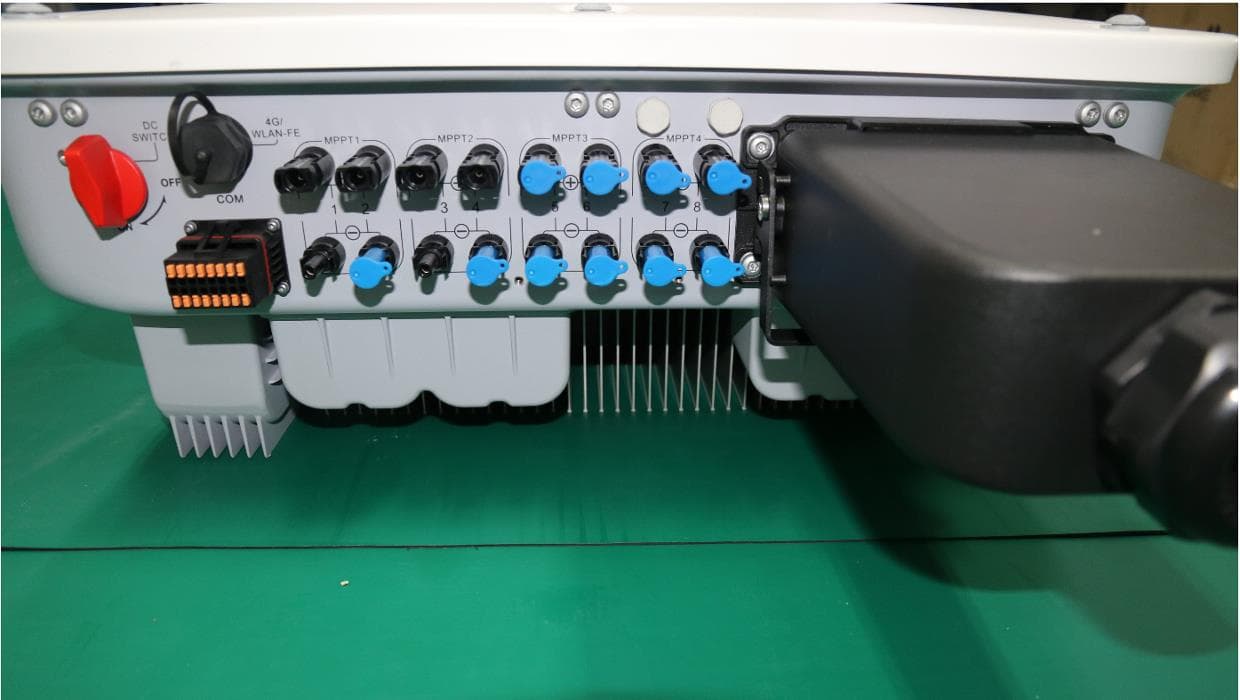
QISSUN2000
Jun 27, 2021Solar Inverter
Equipment Class
DTS - Digital Transmission System
QISCP81-1
Oct 22, 2020Watch Wireless Charger
Equipment Class
DCD - Part 15 Low Power Transmitter Below 1705 kHz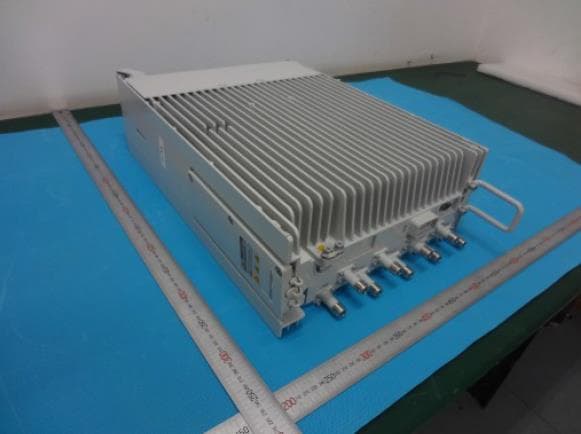
QISRRU3278
Sep 02, 2020Remote Radio Unit
Equipment Class
CBD - Citizens Band Category A and B Devices
QISR2561
Jul 11, 2020Indoor Router
Equipment Class
DTS - Digital Transmission System
QISSMARTLOGGER310
Mar 23, 2020Solar Smart Monitor & Data Logger
Equipment Class
DTS - Digital Transmission System