QIST158GSM 850/1900 Mobile Phone
Huawei Technologies Co.,Ltd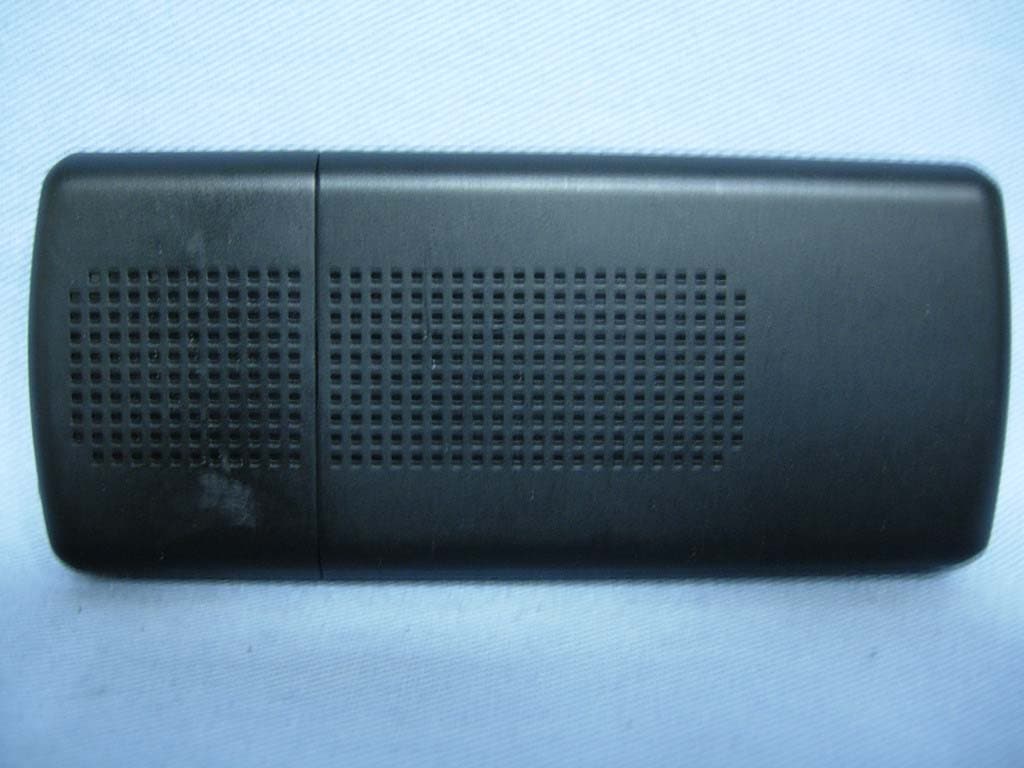
Click to zoom
Application Details
- Equipment Class
- PCE - PCS Licensed Transmitter held to ear
- Date of Grant
- Mar 19, 2008
- Application Purpose
- Original Equipment
- Date of Application
- Mar 17, 2008
- Equipment Note
- GSM 850/1900 Mobile Phone
- Frequency Range
- 1850.20000000 - 1909.80000000
- Company
- Huawei Technologies Co.,Ltd
- Country
- China
Documents & Files
Document Text
Text extracted from the exhibit documents filed with the FCC. Open a document above to read the original.
Users Manual
T158 Mobile Phone USER GUIDE Copyright © 2007 Huawei Technologies Co., Ltd. and other Huawei trademarks are the trademarks or registered trademarks of Huawei Technologies Co., Ltd. in the People’s Republic of China and certain other countries. All other trademarks mentioned in this manual are the property of their respective holders. The information in this manual is subject to change without notice. Every effort has been made in the preparation of this manual to ensure accuracy of the contents, but all statements, information, and recommendations in this manual do not constitute the warranty of any kind, express or implied. Huawei Technologies Co., Ltd. Address: Huawei Industrial Base, Bantian, Longgang, Shenzhen 518129, People's Republic of China Tel: +86-755-28780808 Global Hotline: +86-755-28560808 E-mail: [email protected] Website: www.huawei.com Table of Contents Your Phone ............................................................................... 1 Keys and Functions .................................................................. 2 Screen Icons.............................................................................. 4 Menu Tree................................................................................. 5 Installing the SIM Card and Battery. ........................................ 6 Removing the Battery and SIM Card ....................................... 6 Charging the Battery................................................................. 6 Using the Function Menu ......................................................... 7 Making a Call ........................................................................... 7 Answering a Call ...................................................................... 8 PIN and PUK ............................................................................ 8 Locking the Keypad.................................................................. 9 Changing the Text Input Modes ............................................... 9 Entering English (eZiEn)........................................................ 10 Entering English (ABC, Abc and abc) ................................... 10 Entering Numbers................................................................... 10 Entering Symbols ................................................................... 10 Warnings and Precautions ...................................................... 11 1 Your Phone 2 Keys and Functions Press... To... z Press to access the Call records in the standby mode and view the phone numbers dialed, received or missed. z Make or answer a call. z Power on or off the phone (by pressing and holding it). z End a call or reject an incoming call. z Return to the standby mode. z Confirm a selection. z Enter Profiles menu. z Select the option displayed on the lower left corner of the screen. z Press to access main menu in the standby mode. z Press to access In-Call menu during calls. z Select the option displayed on the lower right corner of the screen. z Press to access Inbox menu in the standby mode. 3 Press... To... Display the Calendar interface (), the Browse interface ( ), the Alarm interface (), the Write message interface ( ). - z Enter numbers and characters. z Enter the * symbol. z Enable or disable the Conference profile in the standby mode (by pressing and holding it). z Provide different functions according to the phone features being used. z Enter the # symbol. z Lock the keypad in the standby mode (by pressing and holding it). z Press and to unlock the keypad in the standby mode. z Provide different functions according to the phone features being used. 4 Screen Icons Icon Description IconDescription No Network Network search Voice Message Battery power level Mute profile Network signal strength Outdoor profile Roaming Alarm Short Message Flashes when the storage status is full. Conference profile Missed calls Transferred calls 5 Menu Tree 6 Installing the SIM Card and Battery. Make sure that the angled corner is on the lower right-hand side with the gold metallic contact surface facing downward. Removing the Battery and SIM Card Make sure that your phone is powered off. Charging the Battery 1. Connect the charger to the charger interface at the bottom of your phone. 2. Connect the charger to an AC power socket. 3. During the charging, the charging icon is displaying in animation. 4. When the charging icon becomes static, the battery is fully charged. Disconnect the charger from the AC power socket. If the phone is powered off, it will inform you with the message of "Charging completed" displayed on the screen. 5. Disconnect the charger from the phone. 7 Using the Function Menu 1. In the standby mode, press ( Menu ) to display the menu interface. 2. Press to scroll to a menu item. 3. Press ( Select ) to display the menu. 4. Display the submenu in the way below: Press to scroll through the lists and press ( Select )to select the desired submenu. 5. Press ( Back ) to return to the previous menu or quit the function menu. Press to return to the standby mode. Making a Call 1. In the standby mode, enter a phone number. To make an international call, enter the prefix and the phone number as follows: Press and hold "0", and "+" appears. Then enter the number to be dialed, in the format of "country code + region code + phone number". 2. Press to dial the number. 3. Press to end an active call or stop dialing. 8 Note z When the phone is locked, enter the lock code to unlock the phone first; otherwise, you can make emergency calls or answer calls only. z In the standby mode, press to view the All records . Select a record and press to dial. z Select a contact from the contacts and press to dial. z Select a message in the inbox and press ( Option ), then select Dial back to make a call. Answering a Call When there is an incoming call, you can press to answer it. Press to reject the call. z If Any Key Answer option is set to On, it enables you to press any key to an…
Text truncated - open the document above for the full version.
External Photos
Report No.:082020R-HPUSP07V01 Page: 1 of 9 Attachment 2: EUT Detailed Photographs (1) EUT Photo (2) EUT Photo Report No.:082020R-HPUSP07V01 Page: 2 of 9 (3) EUT Photo (4) EUT Photo Report No.:082020R-HPUSP07V01 Page: 3 of 9 (5) EUT Photo (6) EUT Photo
ID Label/Location Info
Huawei Technologies Co., Ltd Huawei Base BanTian Longgang Shenzhen 518129 P.R.C FCC ID Label Label sample:
Internal Photos
Report No.:082020R-HPUSP07V01 Page: 4 of 9 (7) EUT Photo (8) EUT Photo Report No.:082020R-HPUSP07V01 Page: 5 of 9 (9) EUT Photo (10) EUT Photo Report No.:082020R-HPUSP07V01 Page: 6 of 9 (11) EUT Photo (12) EUT Photo Report No.:082020R-HPUSP07V01 Page: 7 of 9 (13) EUT Photo (14) EUT Photo Report No.:082020R-HPUSP07V01 Page: 8 of 9 (15) EUT Photo (16) EUT Photo Report No.:082020R-HPUSP07V01 Page: 9 of 9 (17) EUT Photo (18) EUT Photo
RF Exposure Info
Report No:082020R-HPUSP10V01 Page: 1 of 26 SAR Test Report Product Name : GSM 850/1900 Mobile Phone Model No. : T158 Applicant : Huawei Technologies Co., Ltd Address : Huawei Base BanTian Longgang Shenzhen 518129 P.R.C Date of Receipt:2008/01/29 Issued Date :2008/02/18 Report No. :082020R-HPUSP10V01 Version :V1.0 The test results relate only to the samples tested. The test report shall not be reproduced except in full without the written approval of QuieTek Corporation. Report No:082020R-HPUSP10V01 Page: 2 of 26 Test Report Certification Issued Date: 2008/02/18 Report No.:082020R-HPUSP10V01 Product Name : GSM 850/1900 Mobile Phone Applicant : Huawei Technologies Co., Ltd Address : Huawei Base BanTian Longgang Shenzhen 518129 P.R.C Manufacturer : Huawei Technologies Co., Ltd Trade Name : Huawei Model No. : T158 Applicable Standard : FCC Oet65 Supplement C June 2001 IEEE Std. 1528-2003 47CFR § 2.1093 Test Result : Max. SAR Measurement (1g) GSM 850MHz: 1.184 W/kg PCS 1900MHz: 0.191 W/kg The test results relate only to the samples tested. The test report shall not be reproduced except in full without the written approval of QuieTek Corporation. Documented By : (Engineering Adm. Assistant / Nicole Huang) Tested By : (Engineer / Jung Chang) Approved By : (Deputy Manager /Vincent Lin) Report No:082020R-HPUSP10V01 Page: 3 of 26 TABLE OF CONTENTS Description Page 1. General Information.............................................................................. 5 1.1 EUT Description ............................................................................................................5 1.2 Test Environment ...........................................................................................................5 2. SAR Measurement System .................................................................. 6 2.1 ALSAS-10U System Description .................................................................................. 6 2.1.1 Applications ................................................................................................................ 6 2.1.2 Area Scans................................................................................................................... 6 2.1.3 Zoom Scan (Cube Scan Averaging)............................................................................ 7 2.1.4 ALSAS-10U Interpolation and Extrapolation Uncertainty......................................... 7 2.2 Isotropic E-Field Probe .................................................................................................. 7 2.2.1 Isotropic E-Field Probe Specification ......................................................................... 9 2.3 Boundary Detection Unit and Probe Mounting Device ................................................. 9 2.4 Daq-Paq (Analog to Digital Electronics) ..................................................................... 10 2.5 Axis Articulated Robot ................................................................................................ 10 2.6 ALSAS Universal Workstation.................................................................................... 11 2.7 Universal Device Positioner......................................................................................... 11 2.8 Phantom Types............................................................................................................. 11 2.8.1 APREL SAM Phantoms ........................................................................................... 12 2.8.2 APREL Laboratories Universal Phantom ................................................................. 12 3. Tissue Simulating Liquid ................................................................... 13 3.1 The composition of the tissue simulating liquid .......................................................... 13 3.2 Tissue Calibration Result ............................................................................................. 13 3.3 Tissue Dielectric Parameters for Head and Body Phantoms ....................................... 15 4. SAR Measurement Procedure ........................................................... 16 4.1 SAR System Validation................................................................................................ 16 4.1.1 Validation Dipoles..................................................................................................... 16 4.1.2 Validation Result ....................................................................................................... 16 4.2 Arrangement Assessment Setup ................................................................................... 17 4.2.1 Test Positions of Device Relative to Head................................................................ 17 4.2.1.1 Definition of the “Cheek” Position ........................................................................ 17 4.2.1.2 Definition of the “Tilted” Position......................................................................... 18 4.2.2 Test Positions for body-worn.................................................................................... 19 4.3 SAR Measurement Procedure ...................................................................................... 19 Report No:082020R-HPUSP10V01 Page: 4 of 26 4.3.1 SAR Measurement Procedure ................................................................................... 20 5. SAR Exposure Limits ......................................................................... 21 6. Test Equipment List............................................................................ 22 7. Measurement Uncertainty .................................................................. 23 8. Test Results......................................................................................... 24 8.1 SAR Test Results Summary ......................................................................................... 24 Appendix ....................…
Text truncated - open the document above for the full version.
RF Exposure Info
Report No:082020R-HPUSP10V01 Page: 1 of 4 Appendix C. Test Setup Photographs & EUT Photographs Test Setup Photographs Right Head (EUT Cheek) Left Head (EUT Cheek) Report No:082020R-HPUSP10V01 Page: 2 of 4 Right Head (EUT Tilted) Left Head (EUT Tilted) Report No:082020R-HPUSP10V01 Page: 3 of 4 Body Note: The positions used in the measurements were according to IEEE 1528-2003. Appendix D. Probe Calibration Miniature Isotropic RF Probe M/N: ALS-E-020 S/N: 264 835MHz Head Calibration 835MHz Body Calibration
RF Exposure Info
Appendix D. Probe Calibration Miniature Isotropic RF Probe M/N: ALS-E-020 S/N: 264 1900MHz Head Calibration 1900MHz Body Calibration
RF Exposure Info
Appendix E. Dipole Calibration Data Validation Dipole 835MHz P/N: ALS-D-835-S-2 S/N: QTK-315 Appendix E. Dipole Calibration Data Validation Dipole 1900MHz P/N: ALS-D-1900-S-2 S/N: QTK-318
Test Report
Report No.:082020R-HPUSP07V01 Page: 1 of 43 Test Report Product Name : GSM 850/1900 Mobile Phone Model No : T158 FCC ID : QIST158 Applicant : Huawei Technologies Co., Ltd Address : Huawei Base BanTian Longgang Shenzhen 518129 P.R.C Date of Receipt:2008/01/29 Issued Date :2008/02/18 Report No. :082020R-HPUSP07V01 Version :V1.0 The test results relate only to the samples tested. The test report shall not be reproduced except in full without the written approval of QuieTek Corporation. This report must not be used to claim product endorsement by NVLAP any agency of the U.S. Government Report No.:082020R-HPUSP07V01 Page: 2 of 43 Test Report Certification Issued Date : 2008/02/18 Report No.: 082020R-HPUSP07V01 Test results relate only to the samples tested. The test report shall not be reproduced except in full without the written approval of QuieTek Corporation. This report must not be used to claim product endorsement by NVLAP any agency of the U.S. Government Product Name : GSM 850/1900 Mobile Phone Applicant : Huawei Technologies Co., Ltd Address : Huawei Base BanTian Longgang Shenzhen 518129 P.R.C Manufacturer : Huawei Technologies Co., Ltd Model No. : T158 Rated Voltage : AC 120V/60Hz EUT Voltage : DC 3.7V (Battery) Measurement Standard : FCC CFR Title 47 Part 2 22 24 Measurement Reference : TIA/EIA 603-A Test Result : Complied Documented By : (Engineering Adm. Assistant / Nicole Huang) Tested By : (Engineer / Paddy Chen) Approved By : (Deputy Manager /Vincent Lin) Accredited by NIST (NVLAP) NVLAP Lab Code: 200533-0 Report No.:082020R-HPUSP07V01 Page: 3 of 43 TABLE OF CONTENTS Description Page 1. GENERAL INFORMATION ............................................................................................ 4 1.1. EUT Description ........................................................................................................... 4 1.2. Operational Description............................................................................................... 4 1.3. Configuration of tested System .................................................................................. 5 1.4. EUT Setup Procedures ................................................................................................ 5 1.5. Test Facility ...................................................................................................................6 1.6. Type of Emission .......................................................................................................... 7 1.7. DC voltages and DC currents ...................................................................................... 7 2. Peak Power Output ...................................................................................................... 8 2.1. Test Equipment............................................................................................................. 8 2.2. Test Setup .....................................................................................................................8 2.3. Limits ............................................................................................................................. 9 2.4. Test Procedure.............................................................................................................. 9 2.5. Test Specification ......................................................................................................... 9 2.6. Test Result of Peak Power Output ............................................................................ 10 3. Modulation Characteristics ....................................................................................... 14 3.1. Test Equipment........................................................................................................... 14 3.2. Test Setup ................................................................................................................... 14 3.3. Modulation Description.............................................................................................. 14 3.4. Test Specification ....................................................................................................... 15 3.5. Test Result of Modulation.......................................................................................... 16 4. Occupied Bandwidth.................................................................................................. 17 4.1. Test Equipment........................................................................................................... 17 4.2. Test Setup ................................................................................................................... 17 4.3. Test Procedure............................................................................................................ 17 4.4. Test Specification ....................................................................................................... 18 4.5. Test Result of Occupied Bandwidth ......................................................................... 19 5. Spurious Emission At Antenna Terminals (+/-1MHz) .............................................. 23 5.1. Test Equipment........................................................................................................... 23 5.2. Setup ...........................................................................................................................23 5.3. Limits ........................................................................................................................... 24 5.4. Test Procedure............................................................................................................ 24 5.5. Test Specification ....................................................................................................... 24 5.6. Test Result of Spurious Emission At Antenna Terminals (+/-1MHz)...................... 25 6. Spurious Emission .....................................…
Text truncated - open the document above for the full version.
Test Setup Photos
Report No.:082020R-HPUSP07V01 Page: 1 of 2 Attachment 1: EUT Test Photographs Test Mode : GSM 850 PCS 1900 Description: Front View of Radiated Emission Test Description: Back View of Radiated Emission Test Report No.:082020R-HPUSP07V01 Page: 2 of 2 Test Mode : GSM 850 PCS 1900 Description: Front View of Spurious Emission Test Description: Back View of Spurious Emission Test
Contact Information
Applicant
Zhang Xinghai
Technical Contact
Quietek CorporationNatasha Tai
[email protected]886-2-87926808
2F, No.345, Xinhu 2nd Rd., Neihu District · Taipei · Taiwan
Test Firm
DEKRA Testing and Certification Co., Ltd.Sky Hsu
Technical Specifications
| # | Rule Parts | Frequency Range | Power Output | Emission | Tolerance |
|---|---|---|---|---|---|
| 2 | 24E | 1.85 GHz - 1.91 GHz | 310.00 mW | 300KGXW | 0.1 ppm |
Other Applications from Huawei Technologies Co.,Ltd
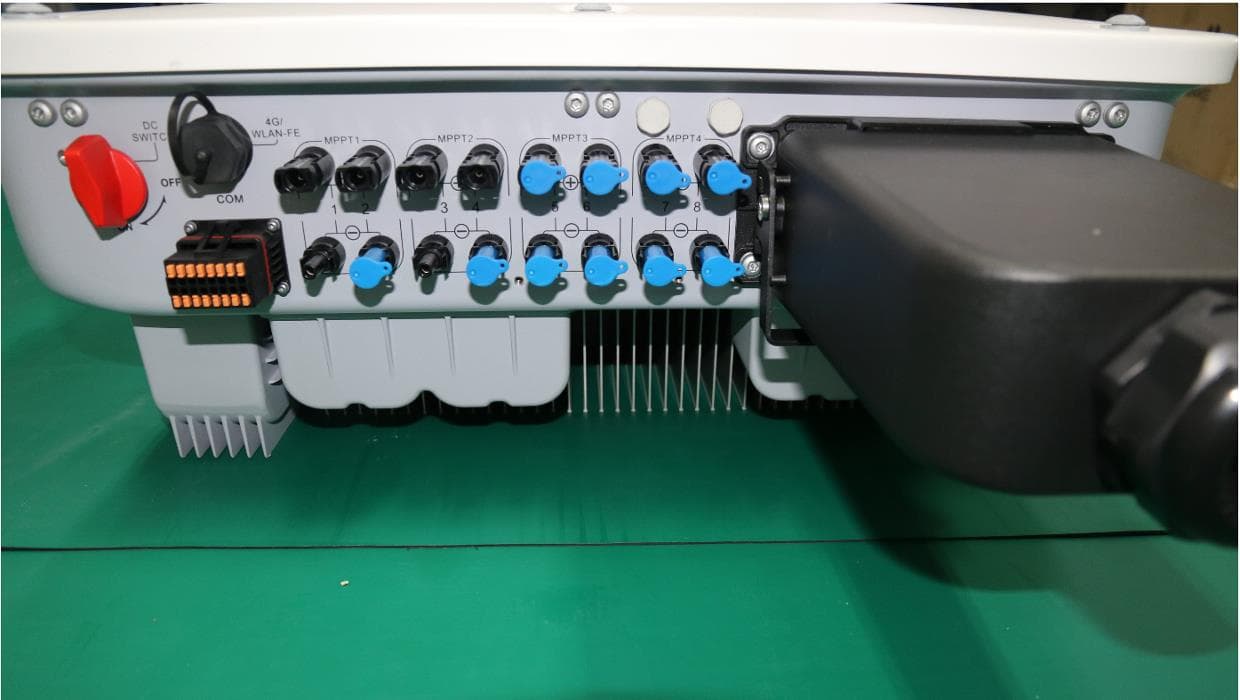
QISSUN2000
Jun 27, 2021Solar Inverter
Equipment Class
DTS - Digital Transmission System
QISCP81-1
Oct 22, 2020Watch Wireless Charger
Equipment Class
DCD - Part 15 Low Power Transmitter Below 1705 kHz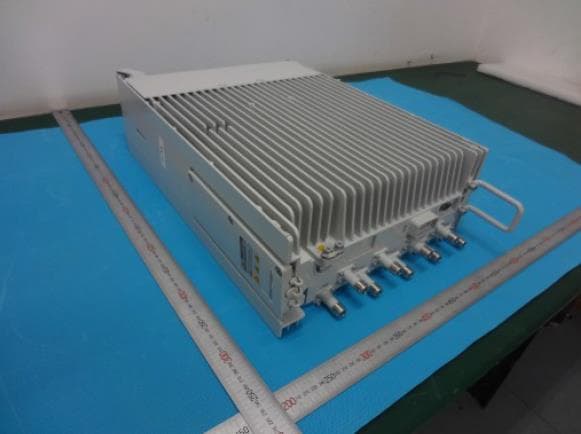
QISRRU3278
Sep 02, 2020Remote Radio Unit
Equipment Class
CBD - Citizens Band Category A and B Devices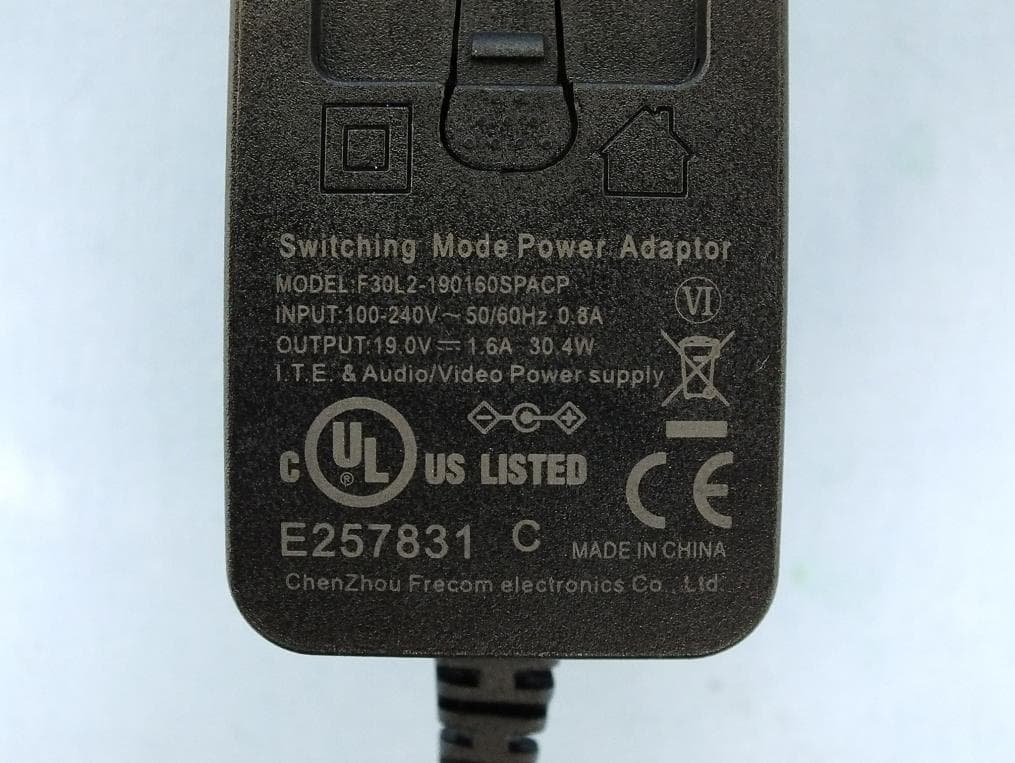
QISR2561
Jul 11, 2020Indoor Router
Equipment Class
DTS - Digital Transmission System
QISSMARTLOGGER310
Mar 23, 2020Solar Smart Monitor & Data Logger
Equipment Class
DTS - Digital Transmission System