QISU8180-5HSDPA/UMTS/GPRS/GSM/EDGE Mobile Phone with Bluetooth
Huawei Technologies Co.,Ltd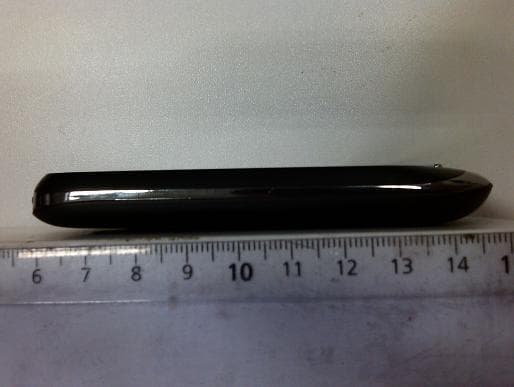
Click to zoom
Application Details
- Equipment Class
- PCE - PCS Licensed Transmitter held to ear
- Date of Grant
- Jul 28, 2011
- Application Purpose
- Original Equipment
- Date of Application
- Jul 28, 2011
- Equipment Note
- HSDPA/UMTS/GPRS/GSM/EDGE Mobile Phone with Bluetooth
- Frequency Range
- 1852.40000000 - 1907.60000000
- Company
- Huawei Technologies Co.,Ltd
- Country
- China
Documents & Files
Document Text
Text extracted from the exhibit documents filed with the FCC. Open a document above to read the original.
Users Manual
Safety Information Warnings and Precautions This section contains important information pertaining to the operating instructions of your device. It also contains information about how to use the device safely. Read this information carefully before using your device. Electronic Device Power off your device if using the device is prohibited. Do not use the device when using the device causes danger or interference with electronic devices. Medical Device • Follow rules and regulations set forth by hospitals and health care facilities. Do not use your device when using the device is prohibited. • Pacemaker manufacturers recommend that a minimum distance of 15 cm be maintained between a device and a pacemaker to prevent potential interference with the pacemaker. If you are using a pacemaker, use the device on the opposite side of the pacemaker and do not carry the device in your front pocket. Potentially Explosive Atmosphere Power off your device in any area with a potentially explosive atmosphere, and comply with all signs and instructions. Areas that may have potentially explosive atmospheres include the areas where you would normally be advised to turn off your vehicle engine. Triggering of sparks in such areas could cause an explosion or a fire, resulting in bodily injuries or even deaths. Do not power on your device at refueling points such as service stations. Comply with restrictions on the use of radio equipment in fuel depots, storage, and distribution areas, and chemical plants. In addition, adhere to restrictions in areas where blasting operations are in progress. Before using the device, watch out for areas that have potentially explosive atmospheres that are often, but not always, clearly marked. Such locations include areas below the deck on boats, chemical transfer or storage facilities, and areas where the air contains chemicals or particles such as grain, dust, or metal powders. Ask the manufacturers of vehicles using liquefied petroleum gas (such as propane or butane) whether this device can be safely used in their vicinity. Traffic Security Observe local laws and regulations while using the device. In addition, if using the device while driving a vehicle, comply with the following guidelines: • Concentrate on driving. Your first responsibility is to drive safely. • Do not talk on the device while driving. Use hands-free accessories. • When you have to make or answer a call, park the vehicle at the road side before using your device. • RF signals may affect electronic systems of motor vehicles. For more information, consult the vehicle manufacturer. • In a motor vehicle, do not place the device over the air bag or in the air bag deployment area. Otherwise, the device may hurt you owing to the strong force when the air bag inflates. • Do not use your device while flying in an aircraft. Power off your device before boarding an aircraft. Using wireless devices in an aircraft may cause danger to the operation of the aircraft and disrupt the wireless telephone network. It may also be considered illegal. Operating Environment • Do not use or charge the device in dusty, damp, and dirty places or places with magnetic fields. Otherwise, it may result in a malfunction of the circuit. • On a stormy day with thunder, do not use your device when it is being charged, to prevent any danger caused by lightning. • When you are on a call, do not touch the antenna. Touching the antenna affects the call quality and results in increase in power consumption. As a result, the talk time and the standby time are reduced. • While using the device, observe the local laws and regulations, and respect others' privacy and legal rights. Prevention of Hearing Damage Using a headset at high volume can damage your hearing. To reduce the risk of damage to hearing, lower the headset volume to a safe and comfortable level. Safety of Children Comply with all precautions with regard to children's safety. Letting the child play with your device or its accessories, which may include parts that can be detached from the device, may be dangerous, as it may present a choking hazard. Ensure that small children are kept away from the device and accessories. Accessories Choose only batteries, chargers, and accessories approved for use with this model by the device manufacturer. The use of any other type of battery, charger, or accessory may invalidate any warranty for the device, may be in violation of local rules or laws, and may be dangerous. Please contact your dealer for information about the availability of approved batteries, chargers, and accessories in your area. Battery and Charger • Unplug the charger from the electrical plug and the device when not in use. • The battery can be charged and discharged hundreds of times before it eventually wears out. When the standby time and the talk time are shorter than the normal time, replace the battery. • Use the AC power supply defined in the specifications of the charger. An improper power voltage may cause a fire or a malfunction of the charger. • Do not connect two poles of the battery with conductors, such as metal materials, keys, or jewelries. Otherwise, the battery may be short-circuited and may cause injuries and burns on your body. • If battery electrolyte leaks out, ensure that the electrolyte does not touch your skin and eyes. When the electrolyte touches your skin or splashes into your eyes, wash your eyes with clean water immediately and consult a doctor. • If there is a case of battery deformation, color change, or abnormal heating while you charge or store the battery, remove the battery immediately and stop using it. Otherwise, it may lead to battery leakage, overheating, explosion, or fire. • If the power cable is damaged (for example, the cord is exposed or broken), or the plug loosens, stop using the cable at once. Otherwise, it may lead to an electric shock, a short circuit of the charger, or a fire. • Do not dispose of batteries in fire as they may e…
Text truncated - open the document above for the full version.
Users Manual
What is in Your Box Phone at a Glance All the pictures in this guide are for your reference only. The actual appearance and display features depend on the mobile phone you purchase. • Mobile phone • Charger • USB cable • Battery • Quick Start Guide • Safety Information 1Power key 2Earpiece 3Menu key4Back key 5Microphone6Home key 7Search key8Volume control keys 1 2 3 5 4 9 10 7 6 8 11 12 13 Key Functions at Your Fingertips 9Wrist strap hole10Headset jack 11Camera12Speaker 13 Charging/Data interface • Press to power on your mobile phone. • Press and hold to open the Phone options menu. • Press to lock the screen when your mobile phone is active. • Touch to return to the previous screen. • Touch to exit any application you are running. • Touch to hide the keyboard. Touch to open the menu on an active screen. • Touch to open Google search for searching your mobile phone and the web. • Touch and hold to open Google search by voice. • Press to return to the Home screen. • Press and hold to show the most recently used applications. Before getting started 1 Removing battery cover 2 Installing SIM card 3 Installing *micro SD card 4 Installing battery 5 Installing battery cover *micro SD card is optional Charging the Battery If your mobile phone is charged when it is powered on, the battery icon on the Notification bar shows the charging status. When the battery icon changes to , it indicates that your mobile phone is fully charged. Powering On Your Mobile Phone Press . The first time you power on your phone, you will be asked to sign in to your account and set up your mobile phone. Powering Off Your Mobile Phone 1. Press and hold to open the Phone options menu. 2. Touch Power off. 3. Touch OK. Using the Touchscreen Touchscreen Actions •Touch: Use the touch of your finger to select an item, confirm a selection, or start an application. • Touch and hold: Touch an item with your finger and continue to press down until your mobile phone responds. For example, to open the options menu for the active screen, touch the screen and hold down until the menu appears. • Flick: Move your finger either vertically or horizontally across the screen. • Drag: Touch and hold the desired item with your finger. To move an item, drag the item to any part of the screen. You can drag an icon to move or delete it. Home Screen Touch and hold one of the shortcuts until the mobile phone vibrates, you can drag it to your desired location or move it to the trash. You can also drag a screen item to the shortcut position. 10:23 Touch to view all your applications. Shortcuts Notifications bar: Displays the reminders and status icons of your phone. Flick down to open the notifications panel. Display area: Shows the operation and display areas of your phone. Indicate the serial number of current screens Touch to view thumbnails of the Home screen and its extensions. Viewing Other Parts of the Home Screen Touch > Home settings > Advanced settings > Screen number to set the screen number. Locking the Screen • When your phone is on, press to lock the screen. When the screen is locked, you can still receive messages and calls. • If your phone is idle for a while, the screen will lock automatically. Unlocking the Screen 1. Press or to wake up the screen. 2. Drag the lock icon from left to right to unlock the screen. Flick your finger left or right across the Home screen. Press to view thumbnails of the Home screen and its extensions. Touch a thumbnail to open the screen. 10:23 10:23 Adding a New Screen Item 1. Touch and hold a blank area on the Home screen until the Select action menu is displayed. 2. Select an item to add it to the Home screen. Importing Contacts from a SIM Card 1. In the contact list, touch > Manage contacts. 2. Touch Copy from SIM card. 3. Wait for the SIM card contents to be loaded. Select the contacts you want to import or touch Select all to select all contacts. 4. Touch Copy. 5. If you have more than one account on your phone, touch the account into which you want to import the contacts. Adding a Contact 1. In the contact list, touch > Create contact. 2. If you have more than one account with contacts, touch the account to which you want to add the contact. 3. Enter the contact's name, and then add detailed information such as phone number or address. 4. When you are finished, touch Done to save the contact information. Making a Call To make a call, you can use the Dialer application, or select a number from Contacts orCall log. When you are on a call, you can press to return to the Home screen and use other functions. To return to the calling screen, flick the notification bar down and touch Current call. Do not block the microphone at the bottom of your phone if you want your voice heard. Making a Call with the Phone Application 1. Touch > Dialer to display the dialer. 2. Touch the appropriate numeric keys to enter the phone number. 3. Touch to initiate the call. Answering an Incoming Call Drag the to the right to answer the call. Rejecting an Incoming Call Drag the to the left to reject the call. Ending a Call During a call, touch End to hang up. Displaying the Keyboard Panel To enter text, use the onscreen keyboard. Some applications open the keyboard automatically. In others, touch a text field to open the keyboard. Touch the space where you want to write text to display the keyboard. Touch to hide the keyboard. Touch and hold the space where you usually write your text to open the options menu. Choosing an Input Method 1. Touch and hold the space where you enter your text until the Edit text menu is displayed. 2. Touch Input method. 3. Select the input method. The keyboard panel will be displayed automatically. Creating and Sending a Multimedia Message 1. Touch > Messaging > New message. 2. Enter a phone number in the To field. 3. Touch the composition text box to start entering your message. 4. Touch to display the options panel. • Touch Add subject to add the message subject. Your mobile phone is now in …
Text truncated - open the document above for the full version.
Cover Letter(s)
Huawei Technologies Co., Ltd. Address:Huawei Industrial Base,Bantian Longgang,Shenzhen 518129, P.R China Post ZIP:518129 Page :1/1 To: CETECOM Fax : NULL From:Zhang Xinghai Fax:0086-755-89652518 Tel:0086-755-89651014 Email address: [email protected] Http: www.huawei.com Subject:Letter of Confidentiality Federal Communications Commission 7435 Oakland Mills Road Columbia, MD 21046 Gentlemen: This letter is to comply with the Code of Federal Regulations Title 47 Section 0.457 and 0.459 pertaining to confidential material. Huawei Technologies Co., Ltd. would like the following documents regarding this submission for FCC ID: QISU8180-5 to be kept confidential: 1. Schematic diagram. 2. Block Diagram. 3. Parts list (BOM) Information. 4. Operational description. 5. Tune-up procedure The above material contains trade secrets or technical data, which would customarily be guarded from competitors. We do not want these documents to be accessible to the general public. Sincerely, For and Behalf of: Huawei Technologies Co., Ltd. Zhang Xinghai EMC Laboratory Manager
External Photos
HUAWEI U8180-5/U8180-5 HUAWEI IDEOS X1; HSDPA/UMTS/GPRS/GSM/EDGE Mobile Phone with Bluetooth; IDEOS X1;GAGA;Gaga SECRET Page1,Total 4 External Photos of HUAWEI U8180-5/U8180-5 HUAWEI U8180-5/U8180-5 HUAWEI IDEOS X1; HSDPA/UMTS/GPRS/GSM/EDGE Mobile Phone with Bluetooth; IDEOS X1;GAGA;Gaga SECRET Page2,Total 4 HUAWEI U8180-5/U8180-5 HUAWEI IDEOS X1; HSDPA/UMTS/GPRS/GSM/EDGE Mobile Phone with Bluetooth; IDEOS X1;GAGA;Gaga SECRET Page3,Total 4 HUAWEI U8180-5/U8180-5 HUAWEI IDEOS X1; HSDPA/UMTS/GPRS/GSM/EDGE Mobile Phone with Bluetooth; IDEOS X1;GAGA;Gaga SECRET Page4,Total 4
ID Label/Location Info
HUAWEI U8180-5/U8180-5 HUAWEI IDEOS X1; HSDPA/UMTS/GPRS/GSM/EDGE Mobile Phone with Bluetooth; IDEOS X1;GAGA;Gaga SECRET Page1, Total 4 Label Location HUAWEI U8180-5/U8180-5 HUAWEI U8180-5/U8180-5 HUAWEI IDEOS X1; HSDPA/UMTS/GPRS/GSM/EDGE Mobile Phone with Bluetooth; IDEOS X1;GAGA;Gaga SECRET Page2, Total 4 HUAWEI U8180-5/U8180-5 HUAWEI IDEOS X1; HSDPA/UMTS/GPRS/GSM/EDGE Mobile Phone with Bluetooth; IDEOS X1;GAGA;Gaga SECRET Page3, Total 4
Internal Photos
HUAWEI U8180-5/U8180-5 HUAWEI IDEOS X1; HSDPA/UMTS/GPRS/GSM/EDGE Mobile Phone with Bluetooth; IDEOS X1;GAGA;Gaga SECRET Page1,Total 5 Internal Photos of HUAWEI U8180-5/U8180-5 HUAWEI U8180-5/U8180-5 HUAWEI IDEOS X1; HSDPA/UMTS/GPRS/GSM/EDGE Mobile Phone with Bluetooth; IDEOS X1;GAGA;Gaga SECRET Page2,Total 5 HUAWEI U8180-5/U8180-5 HUAWEI IDEOS X1; HSDPA/UMTS/GPRS/GSM/EDGE Mobile Phone with Bluetooth; IDEOS X1;GAGA;Gaga SECRET Page3,Total 5 HUAWEI U8180-5/U8180-5 HUAWEI IDEOS X1; HSDPA/UMTS/GPRS/GSM/EDGE Mobile Phone with Bluetooth; IDEOS X1;GAGA;Gaga SECRET Page4,Total 5 HUAWEI U8180-5/U8180-5 HUAWEI IDEOS X1; HSDPA/UMTS/GPRS/GSM/EDGE Mobile Phone with Bluetooth; IDEOS X1;GAGA;Gaga SECRET Page5,Total 5
RF Exposure Info
TA Technology (Shanghai) Co., Ltd. Test Report Report No.: RZA1107-1205SARR01 Page 1 of 207 TESTING No. L2264 OET 65 TEST REPORT Product Name HUAWEI IDEOS X1; HSDPA/UMTS/GPRS/GSM/EDGE Mobile Phone with Bluetooth; IDEOS X1;GAGA;Gaga Model HUAWEI U8180-5/U8180-5 FCC ID QISU8180-5 Client Huawei Technologies Co., Ltd. TA Technology (Shanghai) Co., Ltd. TA Technology (Shanghai) Co., Ltd. Test Report Report No.: RZA1107-1205SARR01 Page 2 of 207 GENERAL SUMMARY Product Name HUAWEI IDEOS X1; HSDPA/UMTS/GPRS/GSM/EDGE Mobile Phone with Bluetooth; IDEOS X1;GAGA;Gaga Model HUAWEI U8180-5/U8180-5 FCC ID QISU8180-5 Report No. RZA1107-1205SAR Client Huawei Technologies Co., Ltd. Manufacturer Huawei Technologies Co., Ltd. Reference Standard(s) IEEE Std C95.1, 1999: IEEE Standard for Safety Levels with Respect to Human Exposure to Radiofrequency Electromagnetic Fields, 3 kHz to 300 GHz. IEEE Std 1528™-2003: IEEE Recommended Practice for Determining the Peak Spatial-Average Specific Absorption Rate (SAR) in the Human Head from Wireless Communications Devices: Measurement Techniques. SUPPLEMENT C Edition 01-01 to OET BULLETIN 65 Edition 97-01 June 2001 including DA 02-1438, published June 2002: Evaluating Compliance with FCC Guidelines for Human Exposure to Radiofrequency Electromagnetic Fields Additional Information for Evaluation Compliance of Mobile and Portable Devices with FCC Limits for Human Exposure to Radiofrequency Emissions. RSS-102 Issue 4 March 2010: Radio Frequency (RF) Exposure Compliance of Radiocommunication Apparatus (All Frequency Bands) KDB 941225 D06 Hot Spot SAR v01 SAR Evaluation Procedures for Portable Devices with Wireless Router Capabilities Conclusion This portable wireless equipment has been measured in all cases requested by the relevant standards. Test results in Chapter 7 of this test report are below limits specified in the relevant standards. General Judgment: Pass (Stamp) Date of issue: July 22 nd , 2011 Comment The test result only responds to the measured sample. Approved by Director Revised by SAR Manager Performed by SAR Engineer TA Technology (Shanghai) Co., Ltd. Test Report Report No.: RZA1107-1205SARR01 Page 3 of 207 TABLE OF CONTENT 1. General Information........................................................................................................................5 1.1. Notes of the Test Report.........................................................................................................5 1.2. Testing Laboratory...................................................................................................................5 1.3. Applicant Information...............................................................................................................6 1.4. Manufacturer Information........................................................................................................6 1.5. Information of EUT...................................................................................................................7 1.6. The Maximum SAR 1g Values...................................................................................................8 1.7. Maximum Conducted Power of each tested Mode...............................................................10 1.8. Test Date...............................................................................................................................10 2. Operational Conditions during Test...............................................................................................11 2.1. General Description of Test Procedures................................................................................11 2.2. GSM Test Configuration........................................................................................................11 2.3. WCDMA Test Configuration...................................................................................................13 2.3.1. Output Power Verification..............................................................................................13 2.3.2. Head SAR Measurements.............................................................................................13 2.3.3. Body SAR Measurements..............................................................................................13 2.4. HSDPA Test Configuration.....................................................................................................13 2.5. WIFI Test Configuration.........................................................................................................16 2.6. Test Positions.........................................................................................................................17 2.6.1. Against Phantom Head..................................................................................................17 2.6.2. Body Worn Configuration...............................................................................................17 3. SAR Measurements System Configuration..................................................................................18 3.1. SAR Measurement Set-up.....................................................................................................18 3.2. DASY5 E-field Probe System................................................................................................19 3.2.1. EX3DV4 Probe Specification.........................................................................................19 3.2.2. E-field Probe Calibration................................................................................................20 3.3. Other Test Equipment............................................................................................................20 3.3.1. Device Holder for Transmitters......................................................................................20 3.3.2. Phantom.............................................................................................…
Text truncated - open the document above for the full version.
RF Exposure Info
TA Technology (Shanghai) Co., Ltd. Test Report Report No.: RZA1107-1205SARR01 Page 101 of 207 WCDMA Band II Left Cheek Middle (SN: GAGB421XC15P6394) Date/Time: 7/19/2011 3:44:17 PM Communication System: WCDMA Band II; Frequency: 1880 MHz;Duty Cycle: 1:1 Medium parameters used: f = 1880 MHz; σ = 1.38 mho/m; ε r = 39.9; ρ = 1000 kg/m 3 Ambient Temperature:22.3 °C Liquid Temperature: 21.5°C Phantom section: Left Section DASY5 Configuration: Probe: EX3DV4 - SN3677; ConvF(7.94, 7.94, 7.94); Calibrated: 11/24/2010 Electronics: DAE4 Sn871; Calibrated: 11/18/2010 Phantom: SAM2; Type: SAM; Serial: TP-1524 Measurement SW: DASY5, V5.0 Build 120; SEMCAD X Version 13.4 Build 45 Cheek Middle/Area Scan (61x91x1): Measurement grid: dx=15mm, dy=15mm Maximum value of SAR (interpolated) = 1.16 mW/g Cheek Middle/Zoom Scan (7x7x7)/Cube 0: Measurement grid: dx=5mm, dy=5mm, dz=5mm Reference Value = 8.36 V/m; Power Drift = -0.003 dB Peak SAR (extrapolated) = 1.85 W/kg SAR(1 g) = 1.01 mW/g; SAR(10 g) = 0.543 mW/g Maximum value of SAR (measured) = 1.06 mW/g Cheek Middle/Zoom Scan (7x7x7)/Cube 1: Measurement grid: dx=5mm, dy=5mm, dz=5mm Reference Value = 8.36 V/m; Power Drift = -0.003 dB Peak SAR (extrapolated) = 1.3 W/kg SAR(1 g) = 0.851 mW/g; SAR(10 g) = 0.535 mW/g Maximum value of SAR (measured) = 0.939 mW/g Figure 52 Left Hand Touch Cheek WCDMA Band II Channel 9400 (SN: GAGB421XC15P6394) TA Technology (Shanghai) Co., Ltd. Test Report Report No.: RZA1107-1205SARR01 Page 102 of 207 WCDMA Band II Left Cheek Low (SN: GAGB421XC15P6394) Date/Time: 7/19/2011 3:29:55 PM Communication System: WCDMA Band II; Frequency: 1852.4 MHz;Duty Cycle: 1:1 Medium parameters used (interpolated): f = 1852.4 MHz; σ = 1.36 mho/m; ε r = 39.9; ρ = 1000 kg/m 3 Ambient Temperature:22.3 °C Liquid Temperature: 21.5°C Phantom section: Left Section DASY5 Configuration: Probe: EX3DV4 - SN3677; ConvF(7.94, 7.94, 7.94); Calibrated: 11/24/2010 Electronics: DAE4 Sn871; Calibrated: 11/18/2010 Phantom: SAM2; Type: SAM; Serial: TP-1524 Measurement SW: DASY5, V5.0 Build 120; SEMCAD X Version 13.4 Build 45 Cheek Low/Area Scan (61x91x1): Measurement grid: dx=15mm, dy=15mm Maximum value of SAR (interpolated) = 1.44 mW/g Cheek Low/Zoom Scan (7x7x7)/Cube 0: Measurement grid: dx=5mm, dy=5mm, dz=5mm Reference Value = 8.79 V/m; Power Drift = 0.128 dB Peak SAR (extrapolated) = 2.2 W/kg SAR(1 g) = 1.24 mW/g; SAR(10 g) = 0.665 mW/g Maximum value of SAR (measured) = 1.34 mW/g Cheek Low 2/Zoom Scan (7x7x7)/Cube 1: Measurement grid: dx=5mm, dy=5mm, dz=5mm Reference Value = 8.79 V/m; Power Drift = 0.128 dB Peak SAR (extrapolated) = 1.52 W/kg SAR(1 g) = 1 mW/g; SAR(10 g) = 0.625 mW/g Maximum value of SAR (measured) = 1.09 mW/g Figure 53 Left Hand Touch Cheek WCDMA Band II Channel 9262 (SN: GAGB421XC15P6394) TA Technology (Shanghai) Co., Ltd. Test Report Report No.: RZA1107-1205SARR01 Page 103 of 207 WCDMA Band II Left Tilt Middle (SN: GAGB421XC15P6394) Date/Time: 7/19/2011 3:14:46 PM Communication System: WCDMA Band II; Frequency: 1880 MHz;Duty Cycle: 1:1 Medium parameters used: f = 1880 MHz; σ = 1.38 mho/m; ε r = 39.9; ρ = 1000 kg/m 3 Ambient Temperature:22.3 °C Liquid Temperature: 21.5°C Phantom section: Left Section DASY5 Configuration: Probe: EX3DV4 - SN3677; ConvF(7.94, 7.94, 7.94); Calibrated: 11/24/2010 Electronics: DAE4 Sn871; Calibrated: 11/18/2010 Phantom: SAM2; Type: SAM; Serial: TP-1524 Measurement SW: DASY5, V5.0 Build 120; SEMCAD X Version 13.4 Build 45 Tilt Middle/Area Scan (61x91x1): Measurement grid: dx=15mm, dy=15mm Maximum value of SAR (interpolated) = 0.310 mW/g Tilt Middle/Zoom Scan (7x7x7)/Cube 0: Measurement grid: dx=5mm, dy=5mm, dz=5mm Reference Value = 13.7 V/m; Power Drift = 0.160 dB Peak SAR (extrapolated) = 0.426 W/kg SAR(1 g) = 0.283 mW/g; SAR(10 g) = 0.180 mW/g Maximum value of SAR (measured) = 0.299 mW/g Figure 54 Left Hand Tilt 15° WCDMA Band II Channel 9400 (SN: GAGB421XC15P6394) TA Technology (Shanghai) Co., Ltd. Test Report Report No.: RZA1107-1205SARR01 Page 104 of 207 WCDMA Band II Right Cheek High (SN: GAGB421XC15P6394) Date/Time: 7/19/2011 2:55:06 PM Communication System: WCDMA Band II; Frequency: 1907.6 MHz;Duty Cycle: 1:1 Medium parameters used: f = 1908 MHz; σ = 1.4 mho/m; ε r = 39.8; ρ = 1000 kg/m 3 Ambient Temperature:22.3 °C Liquid Temperature: 21.5°C Phantom section: Right Section DASY5 Configuration: Probe: EX3DV4 - SN3677; ConvF(7.94, 7.94, 7.94); Calibrated: 11/24/2010 Electronics: DAE4 Sn871; Calibrated: 11/18/2010 Phantom: SAM2; Type: SAM; Serial: TP-1524 Measurement SW: DASY5, V5.0 Build 120; SEMCAD X Version 13.4 Build 45 Cheek High/Area Scan (61x91x1): Measurement grid: dx=15mm, dy=15mm Maximum value of SAR (interpolated) = 1.19 mW/g Cheek High/Zoom Scan (7x7x7)/Cube 0: Measurement grid: dx=5mm, dy=5mm, dz=5mm Reference Value = 8.61 V/m; Power Drift = -0.077 dB Peak SAR (extrapolated) = 1.63 W/kg SAR(1 g) = 1.06 mW/g; SAR(10 g) = 0.624 mW/g Maximum value of SAR (measured) = 1.19 mW/g Figure 55 Right Hand Touch Cheek WCDMA Band II Channel 9538 (SN: GAGB421XC15P6394) TA Technology (Shanghai) Co., Ltd. Test Report Report No.: RZA1107-1205SARR01 Page 105 of 207 WCDMA Band II Right Cheek Middle (SN: GAGB421XC15P6394) Date/Time: 7/19/2011 8:00:51 PM Communication System: WCDMA Band II; Frequency: 1880 MHz;Duty Cycle: 1:1 Medium parameters used: f = 1880 MHz; σ = 1.38 mho/m; ε r = 39.9; ρ = 1000 kg/m 3 Ambient Temperature:22.3 °C Liquid Temperature: 21.5°C Phantom section: Right Section DASY5 Configuration: Probe: EX3DV4 - SN3677; ConvF(7.94, 7.94, 7.94); Calibrated: 11/24/2010 Electronics: DAE4 Sn871; Calibrated: 11/18/2010 Phantom: SAM2; Type: SAM; Serial: TP-1524 Measurement SW: DASY5, V5.0 Build 120; SEMCAD X Version 13.4 Build 45 Cheek Middle/Area Scan (61x91x1): Measurement grid: dx=15mm, dy=15mm Maximum value of SAR (interpolated) = 1.24 mW/g Cheek Middle/Zoom Scan (7x7x7)/Cube 0: Measurement grid: dx=5mm, dy=5mm, dz=5mm Reference Value = 8.06 V/m; Power Drift = -0.018 dB Peak SAR (extrapolated) = 1.7 W/kg SAR(1 g…
Text truncated - open the document above for the full version.
Test Report
Zur optimalen Anzeige dieses PDF-Portfolios sollte es in Acrobat oder Adobe Reader ab Version 9 geöffnet werden. Adobe Reader jetzt herunterladen
Test Report
Zur optimalen Anzeige dieses PDF-Portfolios sollte es in Acrobat oder Adobe Reader ab Version 9 geöffnet werden. Adobe Reader jetzt herunterladen
Test Setup Photos
Test Report of HUAWEI U8180-5/U8180-5 FCC ID: QISU8180-5 Security Level: secret Report No: SYBH(Z-EMC)064052011-2 Confidential Information of Huawei. No Distribution without Permission Page1, Total5 Photos of EUT Test Report of HUAWEI U8180-5/U8180-5 FCC ID: QISU8180-5 Security Level: secret Report No: SYBH(Z-EMC)064052011-2 Confidential Information of Huawei. No Distribution without Permission Page2, Total5 Figure1 EUT Appearance Test Report of HUAWEI U8180-5/U8180-5 FCC ID: QISU8180-5 Security Level: secret Report No: SYBH(Z-EMC)064052011-2 Confidential Information of Huawei. No Distribution without Permission Page3, Total5 Photos of Test Setup Test Report of HUAWEI U8180-5/U8180-5 FCC ID: QISU8180-5 Security Level: secret Report No: SYBH(Z-EMC)064052011-2 Confidential Information of Huawei. No Distribution without Permission Page4, Total5 1 Radiated Emissions Radiated Disturbance (30MHz-1GHz) Radiated Disturbance(1GHz-18GHz) Test Report of HUAWEI U8180-5/U8180-5 FCC ID: QISU8180-5 Security Level: secret Report No: SYBH(Z-EMC)064052011-2 Confidential Information of Huawei. No Distribution without Permission Page5, Total5 2 Conducted Emissions Conducted Emissions for AC Ports
Contact Information
Applicant
Zhang Xinghai
Test Firm
Huawei Technologies Co., LTDZhou Fengyum
Technical Specifications
| # | Rule Parts | Frequency Range | Power Output | Emission | Tolerance |
|---|---|---|---|---|---|
| 6 | 24E | 1.85 GHz - 1.91 GHz | 77.00 mW | 4M20F9W | 18 Hz |
Other Applications from Huawei Technologies Co.,Ltd
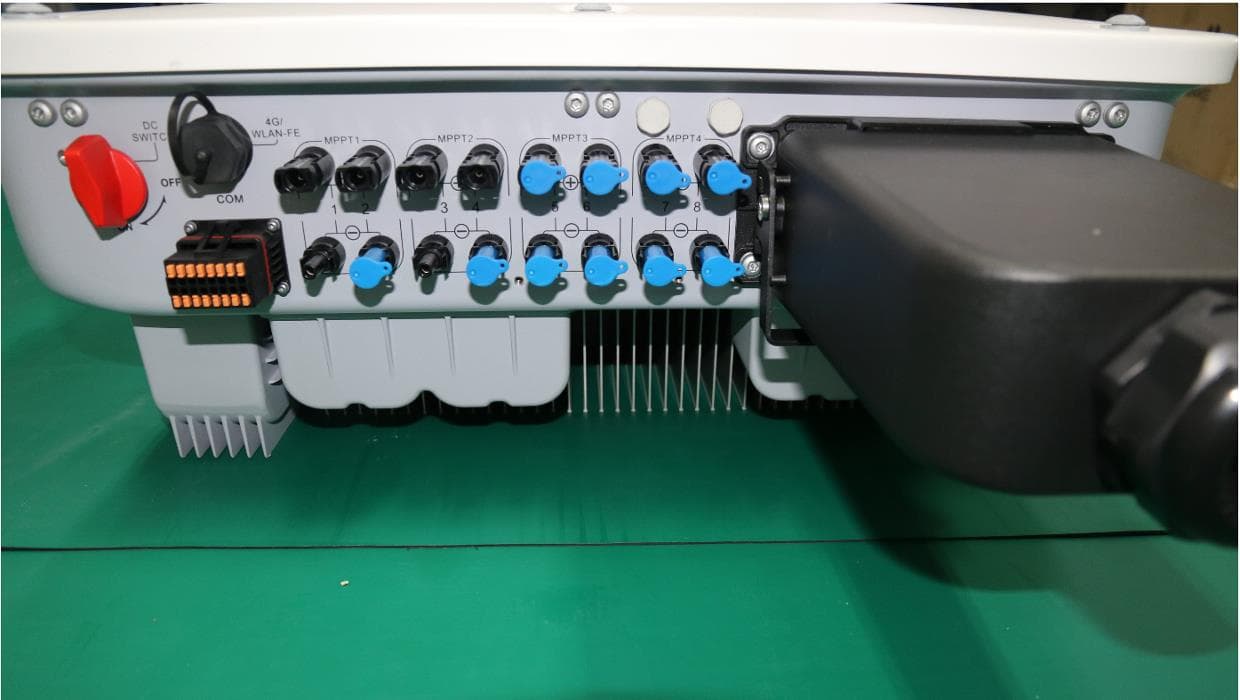
QISSUN2000
Jun 27, 2021Solar Inverter
Equipment Class
DTS - Digital Transmission System
QISCP81-1
Oct 22, 2020Watch Wireless Charger
Equipment Class
DCD - Part 15 Low Power Transmitter Below 1705 kHz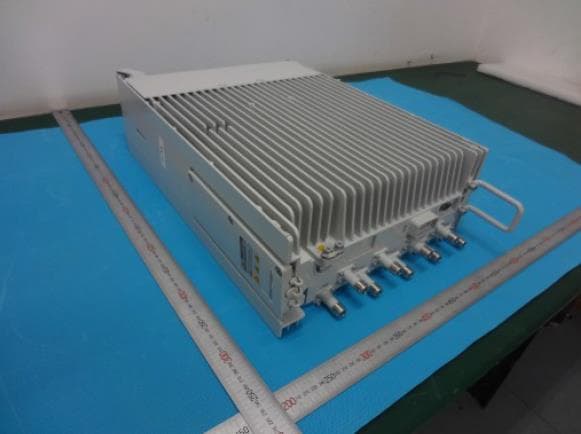
QISRRU3278
Sep 02, 2020Remote Radio Unit
Equipment Class
CBD - Citizens Band Category A and B Devices
QISR2561
Jul 11, 2020Indoor Router
Equipment Class
DTS - Digital Transmission System
QISSMARTLOGGER310
Mar 23, 2020Solar Smart Monitor & Data Logger
Equipment Class
DTS - Digital Transmission System